
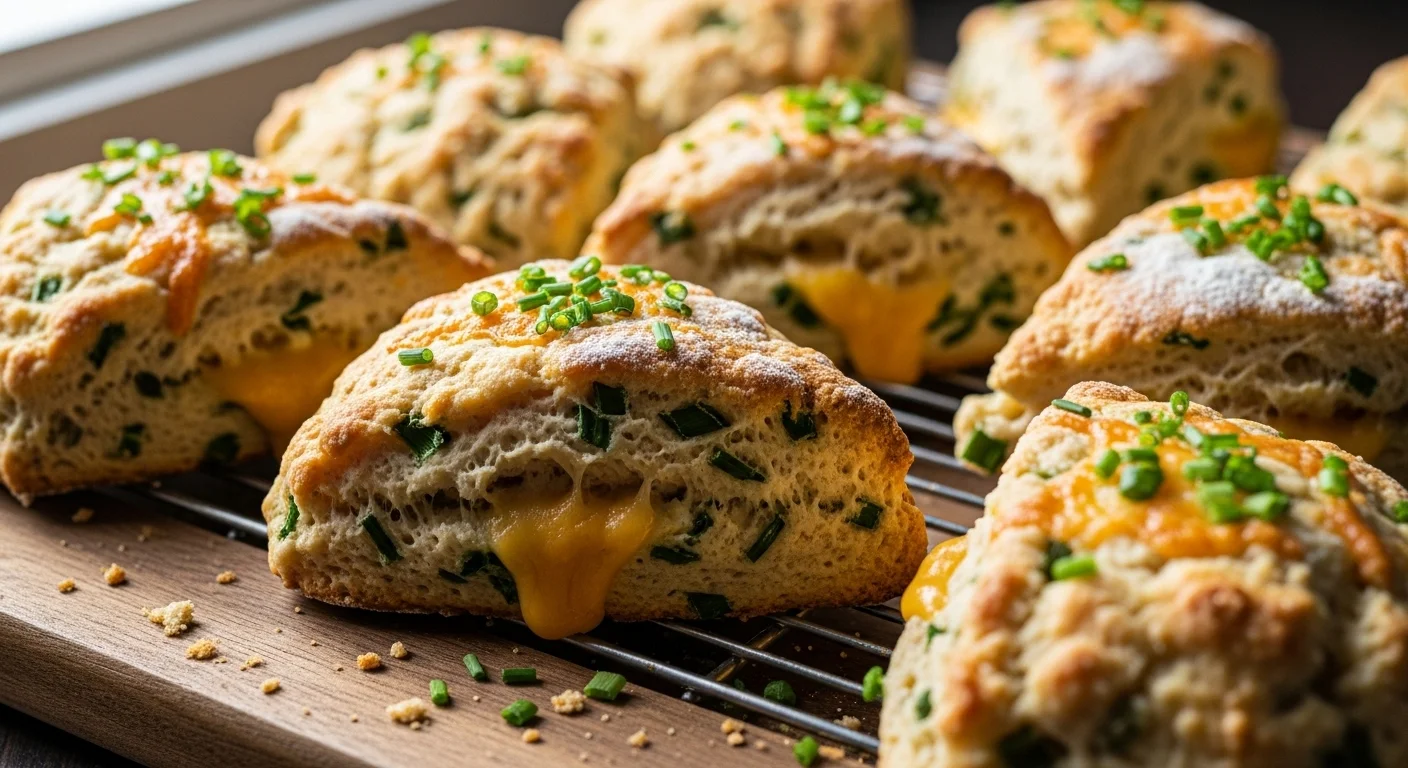
If you’re on the hunt for a delightful snack that’s both savory and gluten-free, look no further than cheddar and chive scones! These tasty bites are perfect for any occasion, and I can’t wait to share how to make them. Read Interesting article: The Best Gluten-Free Scones Recipe (Sweet Or Savory)
Understanding Gluten-Free Baking
When I first ventured into gluten-free baking, I felt overwhelmed. The world of gluten-free ingredients was unfamiliar, and I wasn’t sure how to create the same textures and flavors I loved. Over time, I learned that understanding gluten-free baking is not just about swapping out regular flour; it requires a deeper knowledge of the ingredients involved.
The Basics of Gluten-Free Ingredients
In gluten-free baking, the key lies in using alternative ingredients that can mimic the properties of gluten. Gluten is what gives traditional baked goods their structure and chewiness. Without it, we need to rely on other ingredients to fill that gap. I discovered that many gluten-free recipes combine various flours, starches, and binders to achieve the desired texture. For example, almond flour provides a rich flavor while coconut flour adds moisture. It’s all about balance.
Common Gluten-Free Flours for Scones
When I began experimenting with gluten-free flours, I found that some worked better than others for scones. Here are a few of my favorites:
- Almond Flour: This flour has a slightly nutty flavor that complements savory scones beautifully. It also adds moisture, which is essential for a tender scone.
- Coconut Flour: While this flour is highly absorbent, a little goes a long way. I usually mix it with other flours to balance its density.
- Brown Rice Flour: This is a great all-purpose gluten-free flour. It has a mild flavor and works well in many recipes.
- Oat Flour: I love using oat flour for its light texture and subtle sweetness. Just make sure the oats are certified gluten-free.
Mixing these flours can yield a more complex flavor and texture, which is crucial for the perfect scone.
The Role of Bindings in Gluten-Free Recipes
One of the biggest hurdles I faced was binding the ingredients together. Without gluten, I found that I needed to incorporate binders to help the dough hold its shape. Common binders include xanthan gum and psyllium husk. I remember the first time I used xanthan gum; it was like magic! Just a small amount made a world of difference in the texture of my scones, giving them a lovely lift and a satisfying bite.
Why Choose Cheddar and Chive for Savory Scones?
Now that we’ve covered the basics of gluten-free baking, let’s talk about why cheddar and chive is my go-to flavor combination for savory scones. When I think of comfort food, cheddar cheese always tops the list. The sharp, creamy taste pairs wonderfully with the mild onion-like flavor of chives.
The Flavor Profile of Cheddar and Chive
The moment you bite into a cheddar and chive scone, you’re greeted with a delightful explosion of flavors. The rich, sharpness of cheddar melds perfectly with the fresh, subtle taste of chives. It’s a combination that brings warmth and satisfaction, making it ideal for breakfast, brunch, or even a snack any time of day. I often find myself snacking on these scones with a warm cup of tea, and the pairing is simply divine!
Health Benefits of Cheddar and Chives
Beyond the delicious taste, there are some health benefits to consider. Cheddar is a good source of protein and calcium, which are essential for our bones and muscles. Chives, on the other hand, are packed with vitamins A and C and can even aid in digestion. I love knowing that I’m enjoying something that not only tastes good but also provides nutritional benefits.
Pairing Suggestions for Savory Scones
If you’re thinking about serving cheddar and chive scones, I recommend pairing them with a variety of accompaniments. They’re fantastic on their own, but they can also shine with some dips or spreads. I enjoy spreading a bit of cream cheese or herb-infused butter on mine. Additionally, they go well with soups or salads, making for a delightful meal. One evening, I paired these scones with a creamy tomato soup, and the combination was out of this world!
Essential Ingredients for Gluten-Free Cheddar & Chive Scones
As I delved deeper into making cheddar and chive scones, I began to realize that not all ingredients are created equal. Each one plays a vital role in achieving that perfect texture and flavor. Let’s explore the essential ingredients that I believe make the best gluten-free cheddar and chive scones.
Gluten-Free Flour Blends
Choosing the right flour blend is crucial for gluten-free baking. I’ve tried various pre-made gluten-free flour blends, and some worked better than others. My go-to blend typically includes a mix of brown rice flour, almond flour, and tapioca starch. This combination not only mimics the texture of regular flour but also adds a hint of nuttiness from the almond flour. There’s something so satisfying about knowing that I can create something delicious without compromising on taste or texture. When you find a blend that works for you, stick with it, as it can really elevate your baking experience! Read Interesting article: Easy Tapioca Flour Scones (Surprisingly Simple)
Cheddar Cheese Varieties
Another star ingredient in my cheddar and chive scones is, of course, the cheese. I’ve experimented with different types of cheddar, and each brings something unique to the table. For a sharper flavor, I love using aged cheddar. It adds a depth that really shines through when baked. If you prefer a milder taste, regular cheddar works beautifully as well. Sometimes, I even mix in a bit of smoked cheddar for a twist that gives the scones a wonderful aroma. Choosing the right cheddar can truly make or break your scone experience.
Fresh Chives vs. Dried Chives
When it comes to chives, I always opt for fresh whenever possible. There’s just no comparison to the vibrant flavor and texture they bring. Fresh chives have a delicate onion-like taste that enhances the scones beautifully. I remember the first time I chopped fresh chives and folded them into the dough; the fresh aroma filled my kitchen, and I couldn’t wait to taste the end result! Dried chives can be a convenient alternative, but they lack the same punch of flavor. If you do use dried chives, I recommend using a little more than you would with fresh, as their flavor is less intense.
Additional Flavor Enhancers
To take my scones to the next level, I’ve found that adding a few extra flavor enhancers can make a big difference. A pinch of garlic powder adds a subtle warmth that complements the cheese and chives beautifully. Sometimes, I sprinkle in a little cayenne pepper for a hint of heat, which I find balances the richness of the cheddar. I’ve even tried incorporating some freshly cracked black pepper, which adds an extra layer of depth. These small tweaks have turned a simple recipe into something I can feel proud to serve to friends and family!
Step-by-Step Recipe for Gluten-Free Cheddar & Chive Scones
Now that we’ve gathered all the essential ingredients, it’s time to dive into the step-by-step process of making these delightful scones. I always find that following a clear recipe makes the experience more enjoyable, and I think you’ll appreciate it too!
Preparation Time and Cooking Time
One of the best things about making cheddar and chive scones is how quick they come together. From start to finish, you can expect to spend about 30 minutes on preparation and an additional 20-25 minutes baking. This means you can whip up a batch for brunch or an impromptu snack in no time!
Tools and Equipment Needed
Before we get started, let’s gather the tools you’ll need. I typically use the following:
- A large mixing bowl
- A whisk for combining dry ingredients
- A pastry cutter or fork to work in the butter
- A baking sheet lined with parchment paper
- A sharp knife for cutting the scones
- An oven (of course!) set to the right temperature
Instructions for Making the Dough
1. Preheat your oven to 400°F (200°C).
2. In a large bowl, combine your gluten-free flour blend, baking powder, salt, and any flavor enhancers you’ve chosen.
3. Cut in cold butter until the mixture resembles coarse crumbs. This step really helps create that flaky texture!
4. Stir in the shredded cheddar cheese and fresh chives.
5. Slowly add in milk (or a milk alternative), mixing just until the dough comes together. Be careful not to overmix, as this can lead to tough scones.
Shaping and Baking the Scones
1. Turn the dough out onto a lightly floured surface and gently pat it into a circle about 1-inch thick.
2. Use a sharp knife or a scone cutter to cut the dough into wedges or circles.
3. Place the scones on the lined baking sheet, leaving some space between each one.
4. Bake in your preheated oven for 20-25 minutes or until the tops are golden brown and a toothpick comes out clean.
5. Let them cool slightly before serving; trust me, they will be worth the wait!
Tips for Perfect Gluten-Free Scones
Getting gluten-free scones just right can sometimes feel like a tricky dance, but with a few helpful tips, I’ve learned how to make them turn out perfectly every time. I want to share some insights I’ve gathered through trial and error that can help you elevate your scones to the next level.
Achieving the Right Texture
For me, the texture of a scone is everything. I want them to be flaky, tender, and just the right amount of crumbly. One technique that has worked wonders is to keep all my ingredients as cold as possible. I often pop my butter in the freezer for a bit before I start. When cutting the cold butter into the flour, I make sure to do it quickly to prevent it from warming up too much. This way, when the scones bake, the cold butter creates pockets of steam that contribute to that delightful flakiness.
Another important aspect is to avoid overmixing the dough. I’ve learned that when I mix until just combined, the scones end up tender and light. A light hand is key! If the dough looks a little shaggy, that’s perfectly fine. It bakes beautifully without becoming dense.
Common Mistakes to Avoid
Along the way, I’ve made my fair share of mistakes that could easily be avoided. One common one is mismeasuring the flour. When using gluten-free flours, the weight can vary quite a bit depending on the type. I always use a kitchen scale to measure my ingredients accurately. If you don’t have a scale, I recommend spooning the flour into the measuring cup and leveling it off instead of scooping directly from the bag.
Another mistake I’ve encountered is not paying attention to baking time. Gluten-free scones can be tricky because they may not seem as golden brown as their gluten-filled counterparts when they’re done. I always set my timer, but I also keep an eye on them during the last few minutes. A toothpick test is a great way to check; if it comes out clean, they’re ready!
Storing and Reheating Scones
After making a batch of these delicious cheddar and chive scones, I often wonder about the best way to store them. I typically let them cool completely before placing them in an airtight container. If I have leftovers, I find that they’re best enjoyed within a couple of days. However, I also love freezing them for later. Just wrap them tightly in plastic wrap and place them in a freezer bag. They can last for up to three months in the freezer.
When it’s time to enjoy a scone again, I simply take one out and let it thaw at room temperature or pop it in the microwave for a few seconds. If I’m feeling fancy, I’ll reheat them in the oven for a few minutes to bring back that fresh-baked quality. There’s something so comforting about a warm scone, especially paired with a cup of tea!
Variations and Customizations
One of the best parts about making cheddar and chive scones is how versatile they can be. I’ve had a blast experimenting with different flavors and ingredients to create my own unique versions, and I want to share some of my favorite variations with you!
Herb and Cheese Combinations
While cheddar and chive is a classic combo, I’ve discovered that other herbs and cheeses can work just as well. For instance, mixing in some crumbled feta with fresh dill creates a Mediterranean twist that’s absolutely delightful. I’ve also tried adding sun-dried tomatoes and basil for an Italian flair. The possibilities are really endless! If you have a favorite cheese or herb, I encourage you to give it a shot in your scone recipe.
Incorporating Other Ingredients
Adding additional ingredients can also enhance the flavor and texture of your scones. I’ve enjoyed folding in ingredients like cooked bacon bits for a savory twist or even some chopped olives for a briny flavor. On a sweeter note, I once experimented with adding a bit of shredded zucchini to the dough, which not only kept the scones moist but added a subtle flavor that was surprisingly good!
Making Them Vegan or Dairy-Free
If you’re looking to make these scones vegan or dairy-free, I’ve found some easy substitutions that work beautifully. Instead of butter, I often use coconut oil or a vegan butter alternative, which keeps the scones rich and flaky. For the milk, any plant-based milk, such as almond or oat milk, works just fine. I’ve made this version for friends who follow a vegan diet, and they’ve loved it just as much as the original. It’s great to know that everyone can enjoy these tasty bites!
Serving Suggestions for Savory Scones
Once your cheddar and chive scones are fresh out of the oven, you might be wondering about the best ways to serve them. In my experience, there are several delightful options that can elevate your scone experience even further.
Pairing with Dips and Spreads
Scones are fantastic on their own, but I’ve found they can be even better with a tasty dip or spread. Cream cheese is a classic choice, but I love mixing in some herbs or garlic for added flavor. I’ve also enjoyed serving them with a spicy red pepper spread or even a dollop of homemade pesto. These spreads not only complement the cheese and chives but also add a whole new layer of flavor that makes each bite exciting!
Best Beverages to Accompany Scones
To wash down these savory scones, I think a warm beverage is a perfect match. I love enjoying mine with a nice cup of tea, especially a robust black tea or a soothing herbal blend. Coffee lovers can also pair these scones with a rich cup of coffee or even a frothy latte. There’s something about the combination of warm drinks and freshly baked goods that feels so comforting.
Serving Scones for Different Occasions
Whether it’s a casual brunch with friends or a special holiday gathering, these scones are quite the crowd-pleaser. I often make them for brunch, pairing them with fresh fruit and a light salad. During festive occasions, I enjoy serving them alongside a charcuterie board. They’re versatile enough to fit in with both casual and elegant settings, making them a fantastic addition to any table.
Frequently Asked Questions About Gluten-Free Scones
As I’ve baked these scones, I’ve often been asked various questions about the process and ingredients. I want to address some of the most common questions I’ve encountered to help you out as you embark on your baking journey!
Can I use regular flour instead?
While I understand the temptation to use regular flour, I truly believe that gluten-free flour is essential for this recipe. Regular flour contains gluten, which gives baked goods structure. Gluten-free flours behave differently, so if you’re looking for the perfect texture and flavor in your scones, it’s best to stick with gluten-free options.
How do I know when they are done baking?
It can sometimes be tricky to tell when gluten-free scones are done. I usually go by the color and the toothpick test. They should be lightly golden on top, and when I insert a toothpick, it should come out clean or with just a few crumbs attached. If they look pale or doughy, they likely need a few more minutes in the oven.
What can I substitute for cheese?
If you’re avoiding cheese or following a vegan diet, I recommend trying a dairy-free cheese alternative. There are many great options available that melt nicely and can still provide that cheesy flavor. For a non-dairy option, I’ve also found that nutritional yeast can add a cheesy, savory flavor without using actual cheese. It’s a fun alternative that works well in savory scones!
Frequently Asked Questions
What are cheddar and chive scones?
Cheddar and chive scones are savory, gluten-free snacks that combine the rich flavor of cheddar cheese with the mild, onion-like taste of chives, making them perfect for any occasion.
Why is gluten-free baking different from regular baking?
Gluten-free baking differs as it requires alternative ingredients to mimic the properties of gluten, which provides structure and chewiness in traditional baked goods. Understanding the right combinations of flours, starches, and binders is crucial.
What are some common gluten-free flours suitable for scones?
Some common gluten-free flours suitable for scones include almond flour, coconut flour, brown rice flour, and oat flour. Each flour contributes different textures and flavors to the final product.
What binders are commonly used in gluten-free baking?
Common binders used in gluten-free baking include xanthan gum and psyllium husk. These ingredients help hold the dough together in the absence of gluten.
How long does it take to prepare cheddar and chive scones?
The preparation time for cheddar and chive scones is about 30 minutes, with an additional baking time of 20-25 minutes, making them a quick and easy snack to whip up.
What are some tips for achieving the right texture in gluten-free scones?
To achieve the right texture in gluten-free scones, keep all ingredients as cold as possible, avoid overmixing the dough, and aim for a flaky, tender consistency.
How should I store leftover scones?
Leftover scones should be cooled completely and stored in an airtight container. They can also be frozen for up to three months by wrapping them tightly in plastic wrap and placing them in a freezer bag.
Can I make cheddar and chive scones vegan?
Yes, cheddar and chive scones can be made vegan by substituting butter with coconut oil or a vegan butter alternative and using plant-based milk instead of dairy milk.
What are some suggested pairings for cheddar and chive scones?
Cheddar and chive scones can be paired with cream cheese, herb-infused butter, or served alongside soups and salads for a delightful meal.
What are some common mistakes to avoid when making gluten-free scones?
Common mistakes to avoid include mismeasuring flour and not paying attention to baking time. Using a kitchen scale for accurate measurements and checking for doneness with a toothpick can help achieve better results.