
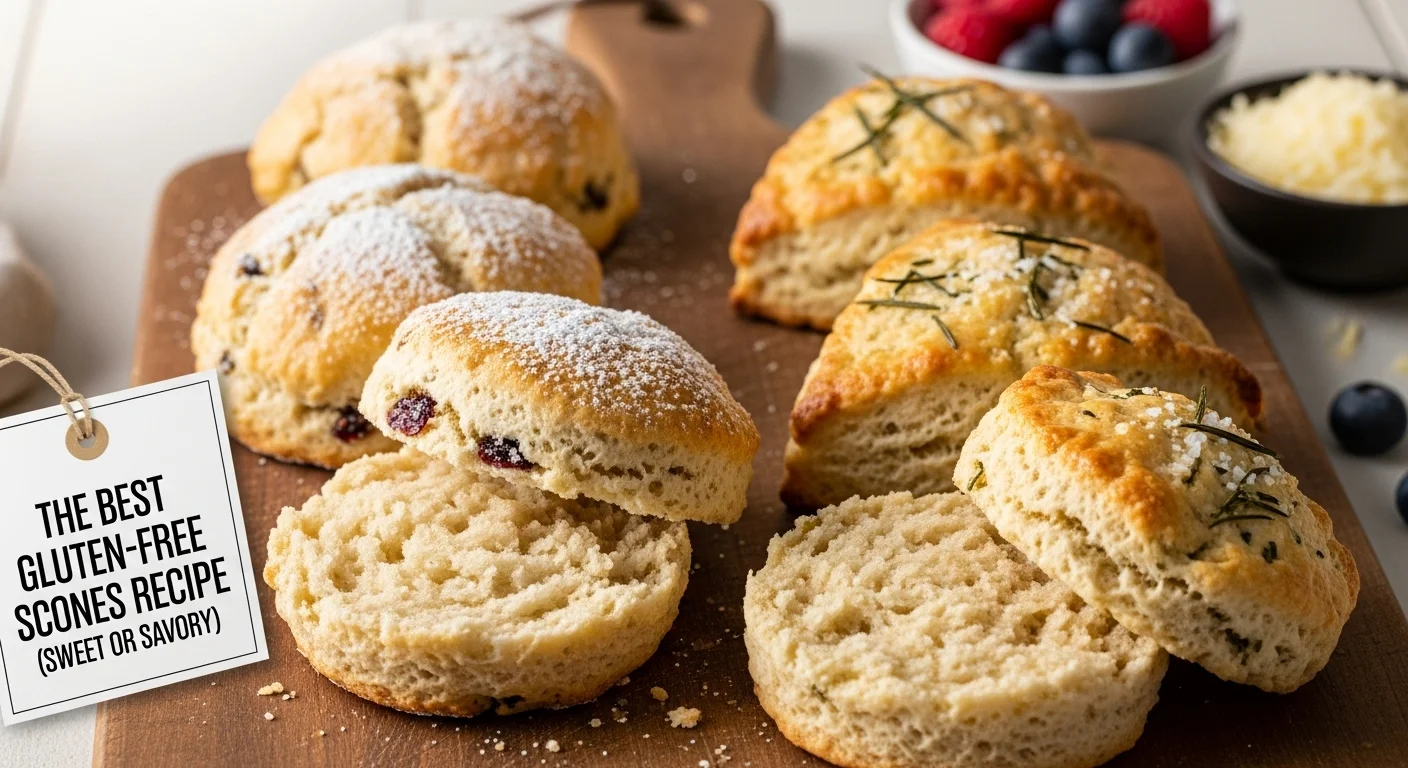
If you’ve ever craved a warm, flaky scone but thought gluten-free meant missing out, think again! Here’s the ultimate guide to making delicious gluten-free scones, whether you prefer sweet or savory flavors.
Understanding Gluten-Free Cooking
As someone who has dabbled in gluten-free cooking, I’ve come to appreciate the nuances and challenges it presents. Making gluten-free scones might feel daunting at first, but once you grasp the basics, it opens up a world of delicious possibilities. Let’s dive into the foundations of gluten-free cooking together.
What is Gluten?
Gluten is a protein found in wheat, barley, and rye. It’s what gives bread its chewy texture and helps baked goods rise. When we bake with traditional flour, gluten helps hold everything together, providing structure. However, for those of us with celiac disease or gluten sensitivity, gluten can cause various digestive issues and discomfort. I remember the first time I learned about gluten—there was a lot of confusion around what I could and couldn’t eat. Understanding gluten was the first step toward my gluten-free journey.
Benefits of a Gluten-Free Diet
Switching to a gluten-free diet can bring about various health benefits. For me, it started as a necessity, but I soon discovered it also led to increased energy levels and improved digestion. Many individuals also report better mental clarity and reduced inflammation. While a gluten-free diet can be restrictive, it encourages creativity in the kitchen. I’ve found myself trying new ingredients and flavors that I may have overlooked before. There’s a whole world of gluten-free grains and flours out there that can enhance our meals! One of my favorite experiments has been with Easy Tapioca Flour Scones (Surprisingly Simple).
Common Gluten-Free Flours
One of the most exciting parts of gluten-free baking is experimenting with different flours. I’ve played around with various options, and here are some of my favorites:
- Almond Flour: This flour adds a nutty flavor and is great for moisture.
- Coconut Flour: It has a light sweetness but absorbs a lot of liquid, so use it sparingly.
- Rice Flour: A staple in gluten-free baking, it has a neutral flavor and works well in blends.
- Oat Flour: Made from ground oats (ensure they’re labeled gluten-free), it adds a hearty texture.
- Chickpea Flour: This adds protein and works well in savory scones.
By mixing these flours, you can create a blend that mimics the texture of traditional wheat flour, which I’ve found to be essential for making scones that don’t crumble apart.
Substituting Ingredients in Scone Recipes
When it comes to adapting traditional scone recipes, I’ve learned a few essential tips. First, you’ll want to consider your flour blend to ensure it mimics the properties of wheat flour. Often, I mix a couple of flours—like almond and oat—for a balanced texture. The right fat is crucial too; I usually use cold butter or coconut oil to achieve that flaky texture. Additionally, if you’re looking to make your scones vegan, substituting eggs with flaxseed meal or aquafaba works wonders. I’ve had friends rave about my scones, and they had no idea they were gluten-free!
Sweeteners are another area where you can get creative. Honey, maple syrup, or coconut sugar can replace traditional sugar, adding their unique flavors. I often experiment with these natural sweeteners in my recipes, and each brings its character to the scones. I remember baking a batch of blueberry scones using maple syrup instead of sugar, and the results were delightful.
Essential Ingredients for Gluten-Free Scones
Now that we have a basic understanding of gluten-free cooking, let’s explore the essential ingredients you’ll need for perfect gluten-free scones. Having the right ingredients can make all the difference between a dry, crumbly mess and a warm, fluffy scone that melts in your mouth.
Gluten-Free Flour Blends
Creating a gluten-free flour blend is an art. I’ve tried various store-bought options, but I often prefer making my own mix at home. Typically, I combine rice flour, potato starch, and tapioca flour. This blend provides a good texture without being overly dense. However, if you’re short on time, there are several blends available that can yield great results, like Bob’s Red Mill Gluten-Free 1-to-1 Baking Flour.
Binders: Xanthan Gum vs. Psyllium Husk
Binders help replicate the elasticity that gluten provides. I’ve mainly used xanthan gum in my baking, but I’ve recently started experimenting with psyllium husk. Both options work, but xanthan gum tends to give a slightly chewier texture, while psyllium husk adds moisture and can create a lighter scone. Finding the right binder for your scones can be a fun experiment, and I encourage you to try both!
Dairy Alternatives for Vegan Scones
If you’re looking to make vegan scones, there are plenty of dairy alternatives. I’ve had success with almond milk or coconut milk yogurt in my recipes. These alternatives not only keep the scones moist but also add a unique flavor. When I made my first batch of vegan scones using coconut yogurt, the result was a delightful surprise—I loved the creaminess it added!
Sweeteners: Natural vs. Processed
When sweetening my scones, I prefer to use natural sweeteners. I believe they enhance the flavor without overwhelming the other ingredients. Whether it’s honey, maple syrup, or even mashed bananas, the right sweetener can elevate your scones to the next level. I’ve discovered that using a little less sweetener than I would in traditional recipes often results in a more balanced flavor profile.
With these ingredients in mind, you’re well on your way to creating scrumptious gluten-free scones that everyone will love. Just remember, the journey of gluten-free baking is filled with experimentation and joy. I can’t wait to share some of my favorite sweet and savory scone recipes next! Read Interesting article: 12 Lovely Baking Recipes for Holiday House Guests
Sweet Gluten-Free Scone Recipes
Now that we’ve covered the essential ingredients, it’s time to get into the fun part—baking! Sweet scones are a delightful treat, perfect for breakfast or an afternoon snack. I’ve tried several recipes, and I can’t wait to share a few of my favorites with you. Each recipe is designed to be simple and accessible, so let’s dive in!
Classic Gluten-Free Vanilla Scones
These classic vanilla scones are a staple in my household. They’re light, fluffy, and have just the right amount of sweetness. Here’s how I make them:
- Ingredients:
- 2 cups gluten-free flour blend
- 1/3 cup sugar (I like using coconut sugar)
- 1 tablespoon baking powder
- 1/2 teaspoon salt
- 1/2 cup cold butter (or coconut oil for a vegan option)
- 2/3 cup milk (or dairy-free alternative)
- 1 teaspoon vanilla extract
To make them, I start by preheating the oven to 400°F (200°C). In a large bowl, I mix the flour, sugar, baking powder, and salt. Then, I cut in the cold butter until it resembles coarse crumbs. Next, I stir in the milk and vanilla until just combined. I gently shape the dough into a circle, cut it into wedges, and bake for about 15 minutes until golden. The smell wafting through my kitchen is simply irresistible!
Blueberry Lemon Gluten-Free Scones
Blueberry lemon scones are like a burst of sunshine. Every bite has a refreshing zing from the lemon and sweetness from the blueberries. Here’s my go-to recipe:
- Ingredients:
- 2 cups gluten-free flour blend
- 1/3 cup sugar
- 1 tablespoon baking powder
- 1/2 teaspoon salt
- 1/2 cup cold butter, cubed
- 1 cup fresh blueberries
- 1/2 cup milk (or dairy-free alternative)
- Zest of 1 lemon
- 1 tablespoon lemon juice
For these, I follow a similar method as the classic scones. After mixing the dry ingredients, I fold in the blueberries and lemon zest. When I add the milk and lemon juice, I can already feel the excitement! I scoop the mixture onto a baking sheet and bake them for about 15-18 minutes. Once they’re out of the oven, I sometimes drizzle a little lemon glaze on top for extra flavor.
Chocolate Chip Gluten-Free Scones
Who doesn’t love chocolate? These chocolate chip scones are indulgent and perfect for satisfying a sweet tooth. Here’s how I whip them up:
- Ingredients:
- 2 cups gluten-free flour blend
- 1/3 cup sugar
- 1 tablespoon baking powder
- 1/2 teaspoon salt
- 1/2 cup cold butter, cubed
- 1 cup chocolate chips
- 2/3 cup milk (or dairy-free alternative)
To make these scones, I preheat the oven to 400°F (200°C) and mix the dry ingredients in a bowl. Then, I cut in the butter until crumbly and fold in the chocolate chips. After adding the milk, I gently mix until the dough comes together. I shape the dough into a disk, cut it into wedges, and bake for 15-20 minutes. The aroma of melting chocolate is a magical experience!
Maple Pecan Gluten-Free Scones
If you’re in the mood for something nutty, these maple pecan scones are a fantastic choice. The maple syrup adds a lovely sweetness while the pecans give a nice crunch. Here’s my recipe:
- Ingredients:
- 2 cups gluten-free flour blend
- 1/3 cup maple syrup
- 1 tablespoon baking powder
- 1/2 teaspoon salt
- 1/2 cup cold butter, cubed
- 1/2 cup chopped pecans
- 1/2 cup milk (or dairy-free alternative)
For these scones, I mix the dry ingredients first, then cut in the butter. I fold in the chopped pecans and add the milk and maple syrup. The dough comes together beautifully! After shaping and cutting, I bake them for about 15 minutes. The combination of warm maple and pecans is pure comfort food.
With these sweet gluten-free scone recipes, you’ll not only enjoy baking but also the delightful results. I hope you find as much joy in making them as I do! Next up, we’ll explore some savory scone recipes that are just as delicious. Read Interesting article: 18 Delicious DIY Holiday Food Gifts to Share
Savory Gluten-Free Scone Recipes
Now that we’ve enjoyed some sweet treats, let’s switch gears and dive into the world of savory gluten-free scones. I absolutely love making savory scones for a brunch or as a side dish to soups and salads. They’re a fantastic way to incorporate delicious flavors while keeping things gluten-free. Here are some of my favorite savory scone recipes that always impress!
Cheddar and Chive Gluten-Free Scones
These cheddar and chive scones are a classic in my kitchen. The sharpness of the cheddar combined with the freshness of chives creates a delightful flavor that pairs perfectly with any meal. Here’s how I make them:
- Ingredients:
- 2 cups gluten-free flour blend
- 1 tablespoon baking powder
- 1/2 teaspoon salt
- 1/2 cup cold butter, cubed
- 1 cup shredded cheddar cheese
- 1/4 cup chopped fresh chives
- 2/3 cup milk (or dairy-free alternative)
To make these scones, I start by preheating the oven to 400°F (200°C). In a large bowl, I mix the flour, baking powder, and salt. Next, I cut in the cold butter until the mixture resembles coarse crumbs. I fold in the cheddar and chives before adding the milk, creating a dough that comes together beautifully. After shaping and cutting them, I bake for about 15-18 minutes. The aroma of melted cheese is simply irresistible, and they make for a fantastic addition to any meal!
Herb and Garlic Gluten-Free Scones
If you’re looking to elevate your savory scone game, these herb and garlic scones are a must-try. The combination of fresh herbs and garlic creates a fragrant, flavorful scone that’s perfect with soups or as a snack. Here’s how I whip them up:
- Ingredients:
- 2 cups gluten-free flour blend
- 1 tablespoon baking powder
- 1/2 teaspoon salt
- 1/2 cup cold butter, cubed
- 2-3 cloves garlic, minced
- 1/4 cup chopped fresh herbs (like rosemary, thyme, or parsley)
- 2/3 cup milk (or dairy-free alternative)
To create these scones, I preheat the oven to 400°F (200°C) and mix the dry ingredients. I then cut in the butter and add the minced garlic and herbs, mixing until evenly distributed. After adding the milk, I form the dough and cut it into wedges before baking for about 15 minutes. The garlic and herbs create an amazing aroma that fills the kitchen, making them hard to resist!
Sun-Dried Tomato and Feta Gluten-Free Scones
These sun-dried tomato and feta scones are a delightful fusion of flavors. The tanginess of the feta and the sweetness of the sun-dried tomatoes make these scones a flavorful companion to any dish. Here’s my recipe:
- Ingredients:
- 2 cups gluten-free flour blend
- 1 tablespoon baking powder
- 1/2 teaspoon salt
- 1/2 cup cold butter, cubed
- 1/2 cup crumbled feta cheese
- 1/2 cup chopped sun-dried tomatoes (in oil or dry, rehydrated)
- 2/3 cup milk (or dairy-free alternative)
To make these scones, I preheat the oven to 400°F (200°C). I mix the flour, baking powder, and salt in a bowl, then cut in the butter until the mixture is crumbly. Next, I fold in the feta and sun-dried tomatoes, and then mix in the milk to form a dough. After shaping and cutting the dough, I bake them for about 15-20 minutes. The combination of feta and sun-dried tomatoes creates a savory treat that’s perfect for any time of day!
Spinach and Feta Gluten-Free Scones
For a lighter option, these spinach and feta scones are an excellent choice. They’re packed with nutrients and flavor, making them a fantastic breakfast or snack. Here’s how I make them:
- Ingredients:
- 2 cups gluten-free flour blend
- 1 tablespoon baking powder
- 1/2 teaspoon salt
- 1/2 cup cold butter, cubed
- 1 cup fresh spinach, chopped
- 1/2 cup crumbled feta cheese
- 2/3 cup milk (or dairy-free alternative)
To create these scones, I start by preheating the oven to 400°F (200°C). I combine the dry ingredients in a bowl, then cut in the butter until crumbly. After folding in the spinach and feta, I add the milk to form a soft dough. Once shaped and cut, I bake them for about 15-18 minutes. The balance of spinach and feta creates a lovely savory treat that I can’t get enough of!
With these savory gluten-free scone recipes, you can enjoy a wide variety of flavors that everyone will love. They’re perfect for any occasion, whether it’s a cozy brunch or a casual dinner. I can’t wait to share some tips for perfecting your gluten-free scone-making skills next!
Tips for Perfect Gluten-Free Scones
Mixing Techniques for Light and Fluffy Scones
One of the keys to achieving light and fluffy gluten-free scones is in the mixing technique. I’ve learned over time that over-mixing can lead to dense scones, which is the opposite of what we want. When I make scones, I gently combine the dry ingredients first, then cut in the butter until the mixture resembles coarse crumbs. I mix in the wet ingredients just until they’re incorporated. The dough should be a bit shaggy; resist the temptation to knead it too much. In my experience, the less handling, the better! This way, the scones maintain a nice crumb structure that makes them light and airy.
How to Shape Your Scones
Shaping your scones is another critical step. I usually love to form my dough into a circle about an inch thick, and then cut it into wedges, much like a pizza! This method not only creates uniform pieces but also helps them bake evenly. I’ve also tried using a round cutter, which gives a more traditional look, but I find it can waste a bit of dough. Whatever shape you choose, just remember to keep the thickness consistent so they all bake at the same rate. I often brush the tops with a bit of milk or an egg wash for a nice golden finish.
Baking Temperature and Time Considerations
Getting the baking temperature right is crucial. I typically preheat my oven to 400°F (200°C), which has worked well for me in achieving that perfect golden crust. I’ve noticed that baking times can vary based on your oven and the size of your scones, so I recommend checking them a couple of minutes before the timer goes off. When the edges turn golden brown, that’s usually a good indicator that they’re done. If you want to be extra sure, using a toothpick to check for doneness is a great trick!
Storing and Reheating Scones
After baking, I usually let my scones cool on a wire rack. If I have leftovers, I store them in an airtight container at room temperature for a couple of days. For longer storage, I’ve found that freezing them works wonders—just wrap each scone tightly in plastic wrap and place them in a freezer bag. When I’m ready to enjoy them again, I simply pop them in the oven for a few minutes to reheat, and they come out just as good as fresh!
Serving Suggestions for Gluten-Free Scones
Pairing with Spreads: Jams, Creams, and Butters
When it comes to serving my gluten-free scones, I love to get creative with spreads. A dollop of clotted cream or whipped coconut cream is a must for me, especially with sweet scones—there’s something about that creamy texture that elevates the experience. I also enjoy pairing them with homemade jams, like raspberry or apricot, which add a lovely sweetness. For savory scones, a simple herb butter or cream cheese spread works beautifully. The combination of flavors just makes each bite a little more special.
Best Beverages to Serve with Scones
No scone experience is complete without the perfect beverage! I usually enjoy my scones with a steaming cup of tea, whether it’s a classic Earl Grey or a fragrant chamomile. For those who love coffee, a rich latte or cappuccino can also be a delightful pairing. I’ve even tried serving scones with sparkling water for a refreshing twist; it’s surprisingly good! Whatever your preference, having a drink on hand makes the whole experience feel cozy and complete.
Creative Serving Ideas for Tea Parties
When I host tea parties, I love to showcase my scones as the star of the show. I often arrange them on a tiered serving platter along with other treats like fruit, mini sandwiches, and pastries. It creates an inviting spread that looks as good as it tastes! I also enjoy adding a bit of flair by garnishing with fresh herbs or edible flowers, which makes everything feel a bit more special. I believe that the presentation can make a simple gathering feel like an occasion!
Frequently Asked Questions About Gluten-Free Scones
Can I Freeze Gluten-Free Scones?
Absolutely! Freezing gluten-free scones is a great way to enjoy them later. Just make sure they’re tightly wrapped and stored in a freezer-safe container. When you’re ready to eat them, I recommend reheating them in the oven for the best texture.
What is the Best Flour for Gluten-Free Scones?
In my experience, a blend of gluten-free flours works best. I often use a combination of rice flour, almond flour, and tapioca starch to achieve a nice balance of texture and flavor. Experimenting with different blends can lead to delightful results!
Are Gluten-Free Scones Healthier Than Regular Scones?
It depends on the ingredients you choose! Gluten-free scones can be healthier if you use whole food ingredients and natural sweeteners. However, they can also be just as indulgent as traditional scones, so moderation is key.
Can I Make Scones Without Dairy?
Yes, definitely! There are plenty of dairy alternatives available, such as almond milk, coconut milk, and dairy-free butter. I’ve had great success using these substitutes, and they don’t sacrifice flavor or texture!
What is Gluten?
Gluten is a protein found in wheat, barley, and rye. It’s what gives bread its chewy texture and helps baked goods rise. For those with celiac disease or gluten sensitivity, gluten can cause various digestive issues and discomfort.
What are Some Common Gluten-Free Flours?
Some common gluten-free flours include almond flour, coconut flour, rice flour, oat flour, and chickpea flour. Mixing these flours can help create a blend that mimics the texture of traditional wheat flour.
What Binders Can I Use in Gluten-Free Baking?
Binders like xanthan gum and psyllium husk can help replicate the elasticity that gluten provides. Xanthan gum usually gives a chewier texture, while psyllium husk adds moisture and can create a lighter scone.
How Can I Make Vegan Scones?
To make vegan scones, you can substitute eggs with flaxseed meal or aquafaba and use dairy alternatives like almond milk or coconut milk yogurt. These substitutes maintain moisture and flavor in the scones.
What Sweeteners Can I Use in Gluten-Free Scones?
Natural sweeteners like honey, maple syrup, and coconut sugar can be used in gluten-free scones. These sweeteners add unique flavors and can enhance the overall taste of the scones.
What Techniques Help Achieve Light and Fluffy Scones?
To achieve light and fluffy gluten-free scones, gently mix the dry ingredients, cut in the butter until it resembles coarse crumbs, and mix in the wet ingredients just until incorporated. Avoid over-mixing to maintain a nice crumb structure.
“`