
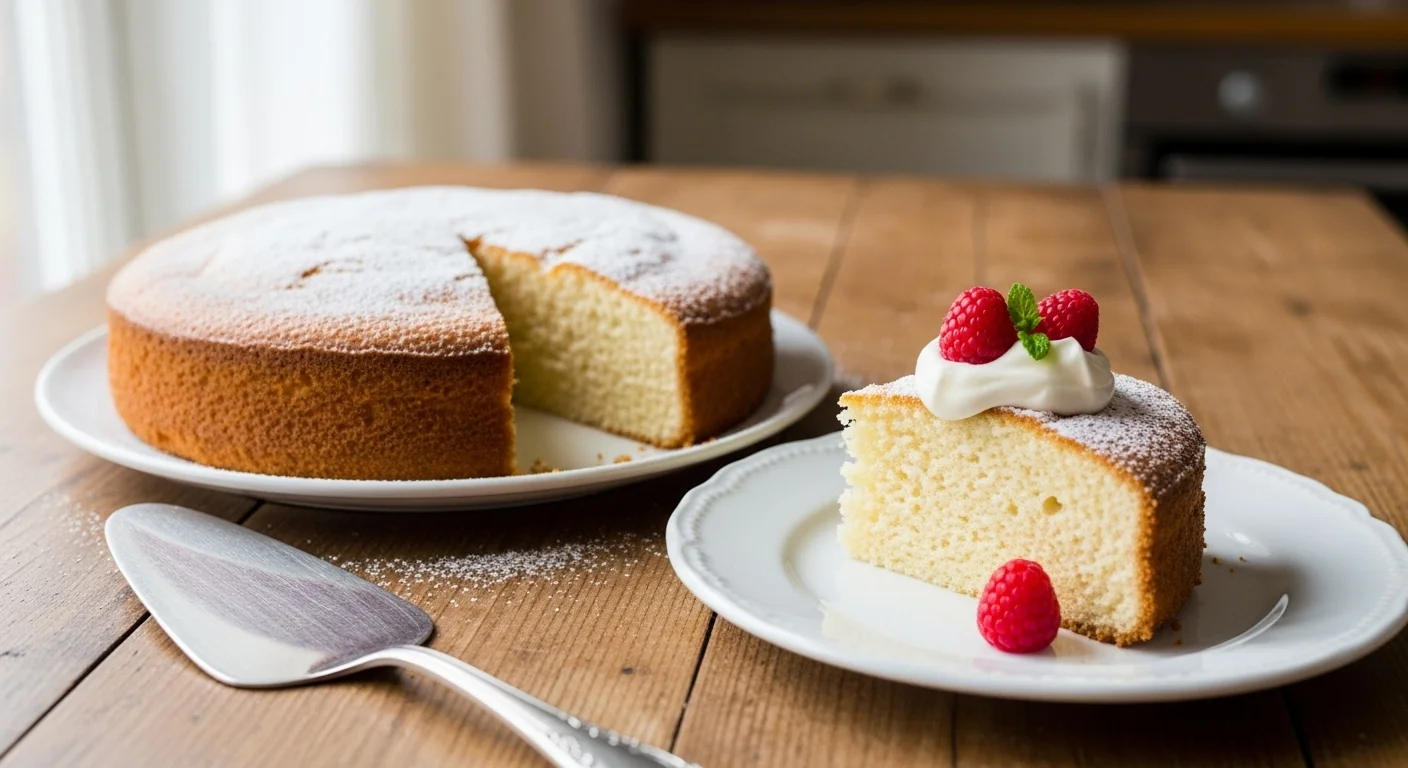
If you’re on the hunt for a delightful dessert that’s both light and fluffy, a gluten-free sponge cake might just be your new favorite treat. Let’s dive into the wonderful world of gluten-free baking and explore how to create this airy delight!
Understanding Gluten-Free Baking
What is Gluten?
Gluten is a protein found in wheat, barley, and rye. It acts like glue, giving bread its chewy texture and helping it rise. For many people, gluten is a harmless part of their diet. However, for those with celiac disease or gluten sensitivity, consuming gluten can trigger a range of unpleasant symptoms, from digestive issues to fatigue. I remember when I first learned about gluten and how it affected some of my friends. It was eye-opening to see how something so common could impact their lives so significantly.
Why Choose Gluten-Free? (Health Benefits)
Choosing gluten-free isn’t just for those with celiac disease. Many people find they feel better when they cut gluten from their diets. I’ve spoken to friends who noticed improved digestion and increased energy levels after switching to gluten-free options. Additionally, some individuals may experience fewer headaches and less bloating. Even if you don’t have a gluten intolerance, trying gluten-free recipes can be a fun way to explore new flavors and ingredients. I personally love experimenting with different flours that I wouldn’t normally use in traditional baking. For instance, I recently tried a Gluten-Free Victoria Sponge Cake and it was delightful!
Common Gluten-Free Flours (Almond, Coconut, etc.)
When I first started baking gluten-free, I was amazed by the variety of flours available! Almond flour, for instance, is a popular choice. It adds a lovely nutty flavor and moisture to baked goods. Coconut flour, on the other hand, is quite absorbent, so it’s best used in smaller quantities or with a wet ingredient balance. Other options like rice flour, oat flour, and even chickpea flour are gaining popularity. I’ve enjoyed blending different flours to create my own unique mixes, which can really enhance the texture and taste of my sponge cakes.
Essential Ingredients for Gluten-Free Sponge Cake
Primary Ingredients Overview
Now that we understand the basics of gluten-free baking, let’s talk about the essential ingredients for making a sponge cake. I believe that using high-quality ingredients is fundamental to achieving the best results. A typical gluten-free sponge cake will include gluten-free flour, eggs, sugar, and some form of fat, which could be butter or oil. Each ingredient plays a critical role in creating that light, fluffy texture we all love in a sponge cake.
Choosing the Right Gluten-Free Flour Blend
When it comes to flour, I recommend using a gluten-free flour blend that includes a mix of different flours and starches. This helps mimic the properties of wheat flour. I often opt for blends that contain almond flour for moisture, tapioca starch for lightness, and brown rice flour for structure. You can even make your own blend at home if you feel adventurous—this way, you can tailor the flavors and textures to your preference. Just make sure whatever blend you choose has a good balance of protein and starch to support the cake.
Eggs: The Key to Lightness and Structure
Eggs are one of the most crucial components of a sponge cake. They provide structure, moisture, and richness. When I whip the eggs, I make sure to beat them until they’re light and frothy, which helps incorporate air—this is what gives the sponge its lift. I’ve learned that using room-temperature eggs works best, as they whip up more easily. The result? A cake that feels as light as a cloud!
Sweeteners: Sugar vs. Alternatives
When it comes to sweetening my sponge cake, I generally stick with granulated sugar, as it dissolves well and helps create a tender crumb. However, I’ve also tried using alternatives like coconut sugar or honey for a different flavor profile. I suggest experimenting to see what you prefer. Just keep in mind that some sweeteners, like honey, can add extra moisture, so you might need to adjust other liquid ingredients in your recipe accordingly.
Fats: Butter vs. Oil
Choosing between butter and oil can be a personal preference. Butter adds a rich flavor and can create a firmer texture, while oil typically results in a moister cake. I’ve experimented with both and found that using a combination of both can yield the best results. The balance of flavors and textures is where the magic happens, and I love discovering what works best for each cake I bake.
Flavor Enhancers: Vanilla, Citrus Zest, etc.
Lastly, never underestimate the power of flavor enhancers! A splash of vanilla extract can transform your cake from ordinary to extraordinary. I sometimes add citrus zest, like lemon or orange, for a refreshing twist. These little additions make a big difference and can elevate the flavor profile of your sponge cake to new heights. With every cake I bake, I feel like I’m on a journey of flavor exploration, and it’s always rewarding to share those delicious results with friends and family.
Step-by-Step Guide to Making Gluten-Free Sponge Cake
Preparation: Tools and Equipment Needed
Before diving into the baking process, it’s essential to gather all the tools and equipment you’ll need. I’ve learned the hard way that having everything ready makes the whole experience smoother and more enjoyable. Here’s a list of what you’ll need:
- A mixing bowl
- A whisk or electric mixer
- A spatula
- A sifter for your flour
- A baking pan (I prefer an 8-inch round cake pan)
- Parchment paper (optional, but it helps with removal)
- Oven mitts and a cooling rack
Having these tools on hand will help ensure a seamless baking experience. I find that using quality equipment makes a real difference, especially when it comes to evenly baking the sponge cake.
Mixing the Batter
Now, let’s get to the fun part—mixing the batter! Start by preheating your oven to 350°F (175°C). While the oven warms up, I usually like to prepare my cake pan by greasing it and lining the bottom with parchment paper. This little step has saved me from more than a few baking disasters!
Next, in a large mixing bowl, combine your gluten-free flour blend and any dry ingredients, like baking powder and salt. Make sure to sift them together to avoid clumps. It’s a step I often skip, but I’ve noticed that sifting really helps achieve a lighter texture in the final cake.
In a separate bowl, beat your eggs and sugar together until they’re light and fluffy. This usually takes a few minutes, and I love watching it transform into a beautiful mixture. Once that’s done, gently fold in your dry ingredients, alternating with the fat you’ve chosen (butter or oil). I find that adding the dry ingredients in parts helps incorporate them without overmixing, which is key for keeping the cake light.
How to Properly Fold Egg Whites
If you want to take your sponge cake to the next level, whipping egg whites separately is a fantastic technique. Start with clean, dry utensils, as any grease can prevent the egg whites from whipping correctly. I like to use a glass or metal bowl for whipping egg whites, as plastic can retain oils.
Beat the egg whites until stiff peaks form. This part is so satisfying to watch! Once your batter is ready, the trick is to fold the whipped egg whites gently into the mixture. I usually add a third of the egg whites first to lighten the batter, making it easier to combine the rest. Use a spatula and a gentle folding motion to incorporate the egg whites. This way, you’ll keep that airiness that is so crucial to a good sponge cake.
Baking Temperature and Time
After your batter is ready, pour it into the prepared pan. I like to tap the pan lightly on the counter to remove any air bubbles. Then, it’s time to bake! Place the pan in the preheated oven and bake for about 25 to 30 minutes. I always set a timer, as it helps me stay focused and avoid distractions.
Keep an eye on the cake as it bakes. You’ll know it’s done when it’s golden brown and springs back when gently touched in the center. A toothpick inserted into the middle should come out clean. If you’ve never baked a sponge cake before, this moment is incredibly rewarding! It’s like a little victory every time.
Cooling and Storing the Cake
Once your cake is baked to perfection, it’s crucial to let it cool properly. I recommend taking it out of the oven and letting it sit in the pan for about 10 minutes. This allows it to set before transferring it to a cooling rack. To do this, run a knife around the edges of the cake, then carefully invert it onto the rack. If you used parchment paper, it should slide right out.
Let the cake cool completely before frosting or serving it. I’ve made the mistake of frosting a warm cake, and trust me, it can turn into a gooey mess! If you have leftovers (which is rare in my house), wrap the cake tightly in plastic wrap or store it in an airtight container to keep it fresh. You can also freeze it if you want to save some for later, but I’ll share that tip more in the FAQs section.
Variations of Gluten-Free Sponge Cake
Chocolate Gluten-Free Sponge Cake
One of my absolute favorite variations has to be the chocolate gluten-free sponge cake. The rich flavor of chocolate adds a delightful twist that elevates the original recipe. To make this happen, I simply replace a portion of the gluten-free flour blend with unsweetened cocoa powder. I usually go for about a third of a cup, but you can adjust according to how chocolatey you want it. I also like to add a bit of espresso powder to enhance that chocolate flavor—it’s amazing what a little coffee can do!
When mixing the batter, I find that the technique remains pretty much the same. Just make sure to thoroughly incorporate the cocoa into the dry ingredients to avoid any clumps. Once baked, this chocolate sponge cake is incredibly versatile. You can layer it with whipped cream or a rich chocolate ganache for an indulgent dessert experience. For a fun twist, I also recommend trying a Classic Gluten-Free Boston Cream Pie!
Citrus-Flavored Gluten-Free Sponge Cake
If you’re looking to brighten up your dessert table, a citrus-flavored gluten-free sponge cake is the way to go. I love using lemon or orange zest in my batter to add a refreshing burst of flavor. Just a tablespoon or two of zest can transform the entire cake, and it pairs beautifully with a light glaze or frosting. For an extra citrus kick, I sometimes add a splash of freshly squeezed juice into the mix as well. This not only enhances the flavor but can also contribute to the moisture of the cake.
When I bake this cake, I often serve it with a simple lemon glaze made from powdered sugar and lemon juice. It creates a lovely shiny finish and complements the sponge perfectly. I’ve found that this variation is especially popular during spring and summer gatherings, as it feels light and refreshing.
Layered Gluten-Free Sponge Cake
Now, let’s talk about making an impressive layered gluten-free sponge cake. This is a fantastic way to showcase your baking skills and create a stunning dessert. The process is pretty similar; however, I like to bake two or even three layers of sponge cake. It’s a bit of a time commitment, but the results are worth it! I start by preparing my batter as usual, then divide it evenly among my cake pans. Baking times might vary slightly depending on the thickness of the layers, so I keep an eye on them.
For the filling between the layers, I enjoy using a combination of whipped cream and fresh fruit or a fruity jam. This not only adds flavor but also moisture, making the cake even more delightful. I’ve served this layered cake at birthdays and special occasions, and it always impresses my guests. Plus, I love that it gives me a chance to be creative with the decorations—whether it’s fresh berries on top or a dusting of powdered sugar, the possibilities are endless! For a seasonal twist, you could also try adding a Gluten-Free Spiced Apple Cake.
Serving Suggestions and Pairings
Frosting Options (Whipped Cream, Ganache, etc.)
When it comes to frosting my gluten-free sponge cake, I can’t emphasize enough how much I adore whipped cream. It’s light, fluffy, and doesn’t overpower the delicate flavor of the cake. I simply whip heavy cream with a bit of sugar and vanilla extract until it forms soft peaks. If you want to take it a step further, adding a touch of lemon zest can really enhance the flavor.
For a more decadent option, chocolate ganache is another favorite of mine. It’s so easy to make—just heat heavy cream and pour it over chopped chocolate, then stir until smooth. I’ve used ganache for layering between cakes, and it adds an irresistible richness. Sometimes, I even drizzle it over the top for a gorgeous finish!
Fruit Toppings and Sauces
Fresh fruit can be a delightful addition to any gluten-free sponge cake. I love to top my cakes with seasonal berries like strawberries, blueberries, or raspberries. Not only do they add a pop of color, but their natural sweetness complements the cake beautifully. I often macerate the berries in a bit of sugar and lemon juice to enhance their flavor before adding them on top.
If I’m feeling a bit fancy, I also enjoy making fruit sauces to drizzle over each slice. A simple berry compote made by simmering berries with sugar and a splash of lemon juice is a favorite of mine. It adds a lovely tartness that balances the sweetness of the cake!
Serving with Ice Cream or Sorbet
Another delightful way to enjoy gluten-free sponge cake is by serving it with a scoop of ice cream or sorbet. The combination of warm cake with cold ice cream creates a comforting contrast that I absolutely love. I tend to stick with classic flavors like vanilla or chocolate, but I’ve also tried pairing it with a refreshing lemon sorbet, especially when I’ve made a citrus-flavored cake. The bright flavors work so well together!
For a fun twist, I sometimes create an ice cream sandwich by layering a slice of sponge cake with ice cream and then topping it with another slice. It’s a fun dessert that’s always a hit at parties.
Common Mistakes to Avoid in Gluten-Free Baking
Using the Wrong Flour
One of the key lessons I’ve learned over the years is how vital it is to choose the right gluten-free flour. I remember the first time I tried baking with just one type of flour, thinking it would work just like regular wheat flour. The result? A dense, sad cake that didn’t rise at all. I quickly discovered that gluten-free baking often requires a blend of flours to achieve the right texture and flavor. I recommend trying various combinations until you find the perfect mix for your taste. It’s all about experimenting and finding what works best for you!
Overmixing the Batter
Another common pitfall is overmixing the batter. I used to think that mixing it until it was perfectly smooth was the way to go. However, I’ve learned that gluten-free batters can become tough if overworked. The key is to mix just until the ingredients are combined. I usually fold gently, and if I see a few small lumps, I’m okay with that. These lumps will usually bake out, leaving you with a lovely, airy sponge cake. It’s a delicate balance, and mastering this technique has made a huge difference in my baking!
Not Measuring Ingredients Accurately
In my early baking days, I was a bit casual with measuring ingredients. I thought a little extra flour here or a pinch less sugar there wouldn’t matter too much. But when it comes to gluten-free baking, precision is crucial. I now use a kitchen scale for the most accurate measurements, especially for flour. I’ve found that even slight variations can impact the final product significantly. Trust me, taking a few extra moments to measure correctly is well worth the effort!
FAQs about Gluten-Free Sponge Cake
Can I make it dairy-free?
Absolutely! Making a dairy-free gluten-free sponge cake is easier than you might think. You can substitute butter with dairy-free margarine or coconut oil, and use almond or oat milk in place of regular milk. I’ve enjoyed experimenting with dairy-free options, and the results have been delicious!
How do I know when the cake is done?
Knowing when your cake is done is one of the most satisfying parts of baking. I always look for a golden-brown color and a gentle spring back when I lightly touch the center. Another great test is inserting a toothpick; if it comes out clean or with just a few crumbs, you’re good to go! Trust me, the excitement of pulling a perfectly baked cake from the oven is unbeatable!
Can I freeze gluten-free sponge cake?
You definitely can! I often freeze my leftover sponge cake for a later treat. Just make sure to wrap it tightly in plastic wrap or foil to prevent freezer burn. When you’re ready to enjoy it, simply thaw it in the refrigerator or at room temperature. It’s a fantastic way to have a sweet surprise ready for any occasion!
How can I make it more moist?
If you find that your sponge cake is a bit dry, there are a few tricks you can try. Adding a touch more fat, like oil, can help. I also like to incorporate ingredients like applesauce or yogurt into the batter for added moisture. Additionally, soaking the cake layers with a simple syrup can make a world of difference if you’re making a layered cake. These little adjustments can elevate your cake’s texture dramatically.
Final Thoughts
As I reflect on my journey through gluten-free baking, I feel a sense of accomplishment and joy in sharing my love for gluten-free sponge cake. It’s not just about the final product; it’s the process that brings together creativity, experimentation, and delicious results. Whether you’re making it for yourself, friends, or family, I hope you find as much joy in baking this delightful treat as I have. Remember, every cake is an opportunity to learn and explore, and with a little practice, you’ll be crafting gluten-free sponge cakes that are both airy and flavorful. Happy baking!
Frequently Asked Questions
What is gluten?
Gluten is a protein found in wheat, barley, and rye that gives bread its chewy texture and helps it rise. For those with celiac disease or gluten sensitivity, consuming gluten can trigger unpleasant symptoms.
Why should someone choose gluten-free options?
Choosing gluten-free can benefit not only those with celiac disease but also individuals who notice improved digestion and increased energy levels after cutting gluten from their diets. It can be a fun way to explore new flavors and ingredients.
What are some common gluten-free flours?
Common gluten-free flours include almond flour, coconut flour, rice flour, oat flour, and chickpea flour. Each flour has unique properties that can enhance the texture and taste of baked goods.
What are the essential ingredients for gluten-free sponge cake?
Essential ingredients for gluten-free sponge cake include gluten-free flour, eggs, sugar, and a form of fat such as butter or oil. High-quality ingredients are fundamental to achieving the best results.
How do I know when my gluten-free sponge cake is done baking?
Your cake is done when it is golden brown, springs back when touched in the center, and a toothpick inserted into the middle comes out clean or with just a few crumbs.
Can I make gluten-free sponge cake dairy-free?
Yes, you can make a dairy-free gluten-free sponge cake by substituting butter with dairy-free margarine or coconut oil and using almond or oat milk instead of regular milk.
Can I freeze gluten-free sponge cake?
Yes, you can freeze gluten-free sponge cake. Just wrap it tightly in plastic wrap or foil to prevent freezer burn, and thaw it in the refrigerator or at room temperature when you’re ready to enjoy it.
What can I do to make my gluten-free sponge cake more moist?
To make your sponge cake more moist, you can add more fat like oil, incorporate ingredients such as applesauce or yogurt, or soak the cake layers with simple syrup, especially for layered cakes.
What is the role of eggs in gluten-free sponge cake?
Eggs are crucial as they provide structure, moisture, and richness to the sponge cake. Whipping the eggs until light and frothy helps incorporate air, giving the sponge its lift.
What flavor enhancers can I add to gluten-free sponge cake?
Flavor enhancers such as vanilla extract and citrus zest can elevate the flavor profile of your sponge cake. These additions can make your cake taste more delightful and unique.