
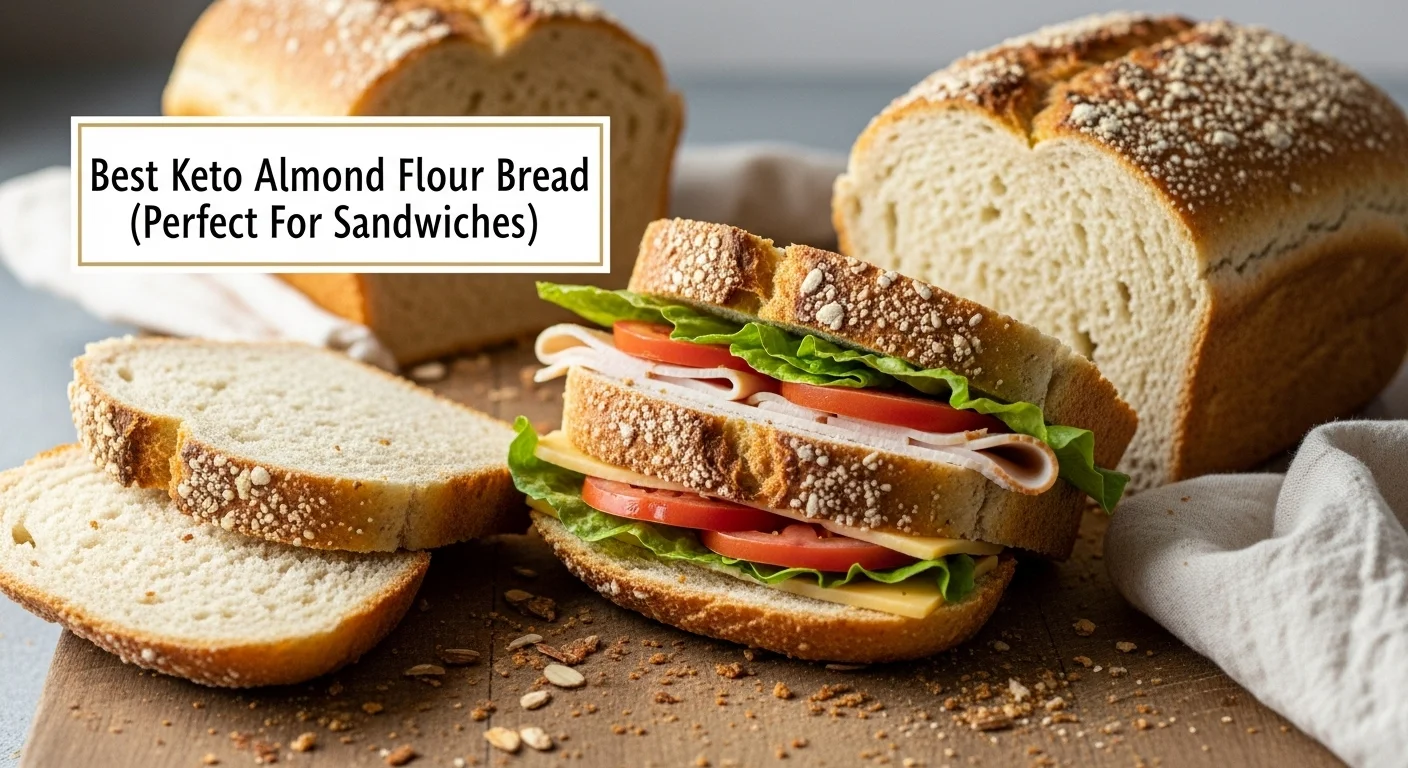
If you’re on a keto diet and miss the pleasure of bread, I’ve got great news! This keto almond flour bread is not only easy to make, but it’s also perfect for sandwiches and so delicious that you won’t believe it’s low-carb!
Understanding Keto Diet and Its Benefits
What is the Keto Diet?
The keto diet, short for ketogenic diet, is a high-fat, low-carbohydrate eating plan that forces the body into a state of ketosis. In this state, instead of burning glucose from carbohydrates for energy, the body burns fat. I remember the first time I heard about the keto diet. It sounded too good to be true! But after researching and trying it myself, I found it to be a game changer for my energy levels and weight management.
Health Benefits of a Keto Diet
One of the most appealing aspects of the keto diet is its potential health benefits. Many people, including myself, have experienced weight loss as our bodies adapt to burning fat instead of carbs. Besides weight loss, I noticed improved mental clarity and focus. Studies also suggest that the keto diet can help in managing conditions like epilepsy, type 2 diabetes, and even certain cancers. I’ve seen firsthand how it can stabilize blood sugar levels, leading to fewer energy crashes throughout the day.
Low-Carb vs. Keto: Key Differences
While both low-carb and keto diets limit carbohydrates, the key difference lies in the macronutrient composition. A low-carb diet might allow for more carbs and doesn’t require the body to enter ketosis. Keto, on the other hand, typically restricts carbs to under 20-50 grams a day. For me, making this distinction helped me tailor my eating habits to achieve the results I wanted. I’ve found that the more strict I am with carbs, the better the benefits, especially in terms of energy and weight loss.
Why Almond Flour is Ideal for Keto Baking
What is Almond Flour?
Almond flour is made from ground almonds, and it’s a fantastic alternative to traditional wheat flour, especially for those of us living a keto lifestyle. I love how versatile it is; I used it in pancakes, cookies, and of course, bread! It has a slightly nutty flavor that adds a unique taste to baked goods.
Carb Content Comparison: Almond Flour vs. Wheat Flour
When I first switched to almond flour, I was amazed at the difference in carb content. One cup of almond flour contains about 6 grams of net carbs, while the same amount of wheat flour can have around 90 grams! This was a big win for me. It meant that I could enjoy all my favorite baked goods without worrying about going over my carb limits. Guilt-Free Indulgence: The 8 Best Healthy Zucchini Bread Recipes also highlights great alternatives for those looking for low-carb options.
Health Benefits of Almond Flour
In addition to being low in carbs, almond flour is packed with nutrients. It’s high in protein, fiber, and healthy fats. I found that using almond flour not only helped keep my carb intake low but also kept me feeling full longer. Plus, its vitamin E content boosts skin health, which is just another reason I love incorporating almond flour into my diet.
Essential Ingredients for Keto Almond Flour Bread
Types of Almond Flour
When I started baking with almond flour, I discovered that not all almond flours are created equal. There are blanched and unblanched options. Blanched almond flour has had the skins removed, giving it a finer texture, which works best for bread. I prefer using blanched almond flour for its lightness, especially when I want my bread to rise well and have that perfect sandwich texture.
Binding Agents: Eggs and Alternatives
Binding agents are crucial in keto baking, and eggs are usually the go-to choice. They not only act as a binder but also add moisture. However, I know some people are egg-free, so alternatives like flaxseed meal mixed with water or chia seeds can work too. I tried flaxseed once, and while it changes the flavor slightly, it still makes a decent bread.
Flavor Enhancers: Sweeteners and Spices
To elevate the flavor of your keto almond flour bread, I recommend adding a natural sweetener like erythritol or monk fruit. These sweeteners are low in carbs and can add a nice touch without the sugar spikes. I also love adding spices like cinnamon or garlic powder, depending on whether I’m making sweet or savory bread. It adds that extra dimension that makes every bite delightful.
Optional Add-ins: Seeds and Nuts
One of the fun things about making your own keto almond flour bread is the ability to customize it. I often toss in some sunflower seeds or chia seeds for added crunch and nutrition. If you’re feeling adventurous, shredded cheese or herbs can also add amazing flavor. I’ve played around with these add-ins, and I always enjoy the different textures they bring to the bread.
Step-by-Step Recipe for Keto Almond Flour Bread
Gathering Ingredients
Before diving into the recipe, let’s make sure we have everything we need. Here’s what I typically gather for my keto almond flour bread:
- 2 cups of blanched almond flour
- 1/4 cup of ground flaxseed (optional for added fiber)
- 1 teaspoon of baking powder
- 1/2 teaspoon of salt
- 3 large eggs
- 1/4 cup of melted coconut oil or unsalted butter
- 1 tablespoon of your favorite sweetener (like erythritol or monk fruit)
- 1 tablespoon of apple cider vinegar
Having all these ingredients ready makes the process smoother. I remember the first time I tried to bake without checking my pantry first, and it turned into a bit of a scavenger hunt! So, trust me, prepare ahead!
Preparation Steps
Now that we have everything, let’s get started! Preheat your oven to 350°F (175°C). This step is crucial because it ensures your bread bakes evenly. While that’s heating up, I usually line a loaf pan with parchment paper for easy removal later. It saves me from the dreaded bread stickage!
In a mixing bowl, combine the almond flour, ground flaxseed, baking powder, and salt. I like to whisk these dry ingredients together because it helps to break up any clumps. Then, in a separate bowl, whisk the eggs, melted coconut oil, sweetener, and apple cider vinegar until well combined. I’ve found that the vinegar gives the bread a little extra rise and lightness.
Baking Instructions
Pour the wet mixture into the dry ingredients and stir until everything is well combined. The batter should be thick but not dry. If it looks too crumbly, I sometimes add a splash of water or almond milk to reach the desired consistency. Once it’s mixed, pour the batter into your prepared loaf pan and smooth out the top with a spatula.
Now, it’s time to bake! Place the loaf pan in the preheated oven and let it bake for about 30-35 minutes. I recommend keeping an eye on it around the 25-minute mark. The bread is done when it’s golden brown on top and a toothpick inserted into the center comes out clean. The aroma fills the kitchen, and I can’t help but feel excited!
Cooling and Storing Tips
After taking the bread out of the oven, let it cool in the pan for about 10 minutes before transferring it to a wire rack. This is where patience can be tough; the smell is so tempting, but letting it cool helps it set properly. Once it’s completely cool, I wrap the bread in plastic wrap or store it in an airtight container. If I plan to eat it within a few days, I keep it on the counter. For longer storage, I usually pop it in the fridge or even slice it and freeze it for later. Trust me, having slices ready for quick meals or snacks is a lifesaver!
Best Uses for Keto Almond Flour Bread
Perfect Sandwich Combinations
Now that we have our delicious keto almond flour bread, let’s talk about how to enjoy it! For me, one of the best ways is making sandwiches. I love a classic turkey and avocado sandwich. Just layer some turkey, a few slices of avocado, and a sprinkle of salt and pepper between two slices. It’s satisfying and keeps me full without the carb overload. I’ve also enjoyed making a simple grilled cheese with sharp cheddar—melted cheese on warm almond flour bread is heavenly!
Toast Ideas and Toppings
Another favorite way to use this bread is as toast. I’ve tried various toppings, and it’s always a hit. One of my go-to options is almond butter and a few slices of strawberries. The sweetness of the strawberries pairs perfectly with the nutty almond flavor. For something savory, I recommend topping it with cream cheese and smoked salmon. The flavors blend beautifully, and it feels indulgent while still being keto-friendly.
Serving Suggestions for Meals
Besides sandwiches and toast, this bread can be a fantastic side to many meals. I’ve served it alongside soups and salads, and it complements them wonderfully. A warm slice of almond flour bread with a hearty bowl of chicken soup is comfort food at its finest. It absorbs the broth without falling apart, which is a huge plus. I often find myself reaching for it to add a little extra substance to my meals.
Common FAQs about Keto Almond Flour Bread
Can I substitute almond flour with other flours?
One question I often get is whether almond flour can be substituted with other flours. In my experience, while you can try alternatives like coconut flour or sunflower seed flour, they behave quite differently. Coconut flour is very absorbent, meaning you’ll need to adjust the liquid in your recipe significantly. I’ve made that mistake before, and it turned out way too dry! If you’re looking for a 1:1 ratio, almond flour is truly one of the best options for keto baking due to its unique texture and moisture retention.
How to store keto bread for freshness?
Storing keto almond flour bread properly is key to keeping it fresh. I usually wrap my bread in plastic wrap or foil and store it in an airtight container at room temperature for a few days. If I know I won’t eat it within that time, I place it in the fridge or freeze it. Just remember to slice it before freezing; this way, I can grab a slice whenever I want a quick snack or meal. I’ve learned that keeping it away from air helps maintain its flavor and texture much longer!
Can I freeze almond flour bread?
Absolutely! Freezing almond flour bread is something I do regularly. It’s such a lifesaver for meal prep. After I’ve cooled the bread completely, I slice it and place the slices in a zip-top bag. I make sure to remove as much air as possible before sealing it. When I want to enjoy a slice, I simply take it out, let it thaw, or pop it directly into the toaster. I’ve found that freezing not only preserves the bread but also makes it super convenient for those busy days when I need a quick meal!
How to make almond flour bread fluffier?
If you’re aiming for a fluffier texture in your almond flour bread, I have a few tips that have worked for me. First, try adding an extra egg or using egg whites to increase the lift. I remember the first time I added an extra egg to my batter; it made such a difference! You can also incorporate a bit of baking soda along with the baking powder, which gives it that extra rise. Lastly, ensuring your ingredients are at room temperature can aid in creating a better blend and texture. It’s these little tweaks that really elevate the final product!
Dietary Considerations and Tips
Gluten-Free Benefits of Almond Flour
One of the major perks of using almond flour is that it’s naturally gluten-free. I’ve met so many people who have gluten sensitivities or celiac disease, and they’re always thrilled to find out that they can enjoy baked goods without any negative side effects. I think it’s amazing how almond flour allows us to indulge in delicious bread while adhering to dietary restrictions. Plus, it’s rich in healthy fats, protein, and fiber, making it a nutritious alternative that I feel good about eating!
Adjusting for Different Macros
For those of us tracking macros on a keto diet, understanding how to adjust recipes is important. I’ve found that tweaking the amount of almond flour and other ingredients can help me stay within my desired macronutrient ranges. If I need to lower my fat intake, I might reduce the oil or butter slightly. It’s all about finding that balance. I usually keep a food diary to track how my body responds to different variations, which has helped me fine-tune my approach to keto baking.
Common Mistakes to Avoid
Over the years, I’ve made plenty of mistakes while baking with almond flour, and I’ve learned a lot from them! One common error is not measuring almond flour correctly. It’s easy to pack it down, which can lead to too much flour and a dense bread. I recommend using a scale or spooning and leveling the flour to get the right amount. Another mistake is not allowing the bread to cool properly before slicing it. I’ve been too eager before, and it resulted in a mushy texture. Patience really pays off when it comes to baking!
Exploring Variations of Keto Almond Flour Bread
Herb and Cheese Variations
Once you’ve mastered the basic recipe, the fun really begins! I love experimenting with different flavors to keep things exciting. One of my favorite variations is adding herbs and cheese. I’ve tried mixing in garlic powder, dried oregano, and shredded cheddar for a savory twist. The aroma that fills my kitchen is heavenly! This variation is perfect for serving alongside soups or as a snack on its own.
Sweet Variations for Breakfast
If you’re in the mood for something sweeter, I’ve discovered that adding spices like cinnamon or nutmeg, along with a touch of vanilla extract, can transform the bread into a delightful breakfast treat. I often throw in a handful of blueberries or chopped walnuts for added flavor and texture. Toasting a slice and spreading some cream cheese with a dash of sugar-free syrup makes for an indulgent start to my day!
Multigrain Keto Bread Options
I’ve also dabbled in creating a multigrain version of almond flour bread by incorporating seeds like chia, flax, and sunflower seeds into the mix. It adds not only a nice crunch but also boosts the nutritional profile. I find that this variation keeps me fuller for longer, which is always a plus. Experimenting with different seeds can lead to surprising and delicious results, and I love the creative freedom it gives me in the kitchen!
Where to Buy Almond Flour and Other Ingredients
Best Brands of Almond Flour
Finding quality almond flour can make all the difference in your baking. My go-to brands include Bob’s Red Mill and Anthony’s. They provide finely ground almond flour that works beautifully in recipes. I remember trying a generic brand once, and it just didn’t give me the same results. The texture was off, and my bread came out denser than I liked. So, I highly recommend sticking with trusted brands for the best outcome!
Online vs. Local Grocery Stores
When it comes to shopping for almond flour and other keto-friendly ingredients, I’ve found that both online and local grocery stores have their perks. Shopping locally lets you see the product and sometimes even catch a sale. However, I love the convenience of ordering online, especially when I want to stock up. Websites like Amazon or Thrive Market often offer bulk buying options which can help save money in the long run. I’ve had great experiences with both methods, but if you’re looking for specialized items or larger quantities, online is usually the way to go.
Cost Comparison of Ingredients
Cost is always a factor in what we decide to buy. I’ve noticed that almond flour can be a bit pricier than regular flour, but the benefits are worth it for me. When I compared prices, I found that buying in bulk online often reduced the per-pound cost significantly. Additionally, consider that a little goes a long way with almond flour; I’ve made several batches of bread with just one bag! I suggest keeping an eye on sales, especially around holidays when health-focused products tend to be discounted.
Final Thoughts
Embracing keto almond flour bread has truly transformed my baking experience. Not only does it provide a delicious low-carb alternative to traditional bread, but it also opens up a world of culinary possibilities. From savory sandwiches to sweet breakfast treats, the versatility of almond flour allows us to enjoy our favorite foods without the guilt. I believe that experimenting with different variations and ingredients is part of the fun. So, whether you’re a seasoned keto dieter or just starting out, I encourage you to give this recipe a try and make it your own! With a little practice and creativity, you’ll find that keto almond flour bread can become a staple in your kitchen, enhancing your meals and satisfying your cravings. Happy baking!
Frequently Asked Questions
What is the Keto Diet?
The keto diet, or ketogenic diet, is a high-fat, low-carbohydrate eating plan that forces the body into a state of ketosis, where it burns fat instead of glucose from carbohydrates for energy.
What are the health benefits of a Keto Diet?
The keto diet can lead to weight loss, improved mental clarity, and better focus. It may also help manage conditions like epilepsy, type 2 diabetes, and certain cancers by stabilizing blood sugar levels.
What is almond flour and why is it ideal for keto baking?
Almond flour is made from ground almonds and is a low-carb alternative to traditional wheat flour. It has a slightly nutty flavor and is versatile for various baked goods, making it perfect for keto baking.
How does almond flour’s carb content compare to wheat flour?
One cup of almond flour contains about 6 grams of net carbs, while the same amount of wheat flour has around 90 grams, making almond flour a better option for those on a keto diet.
What are the essential ingredients for making Keto Almond Flour Bread?
The essential ingredients include 2 cups of blanched almond flour, 1/4 cup of ground flaxseed (optional), 1 teaspoon of baking powder, 1/2 teaspoon of salt, 3 large eggs, 1/4 cup of melted coconut oil or unsalted butter, 1 tablespoon of your favorite sweetener, and 1 tablespoon of apple cider vinegar.
Can I substitute almond flour with other flours?
While you can try alternatives like coconut flour or sunflower seed flour, they behave quite differently. Coconut flour is very absorbent, requiring significant adjustments to the liquid in your recipe.
How should I store keto almond flour bread for freshness?
Wrap the bread in plastic wrap or foil and store it in an airtight container at room temperature for a few days. For longer storage, keep it in the fridge or freeze it, slicing before freezing for convenience.
Can I freeze almond flour bread?
Yes, freezing almond flour bread is a great way to preserve it. Slice the bread, place the slices in a zip-top bag, remove as much air as possible, and freeze for later use.
What can I do to make almond flour bread fluffier?
To achieve a fluffier texture, consider adding an extra egg or using egg whites, incorporating a bit of baking soda along with the baking powder, and ensuring your ingredients are at room temperature.
What are some variations I can try with keto almond flour bread?
You can experiment with herb and cheese variations, add spices like cinnamon for a sweet breakfast treat, or make a multigrain version by incorporating seeds like chia, flax, and sunflower seeds for added nutrition and texture.