
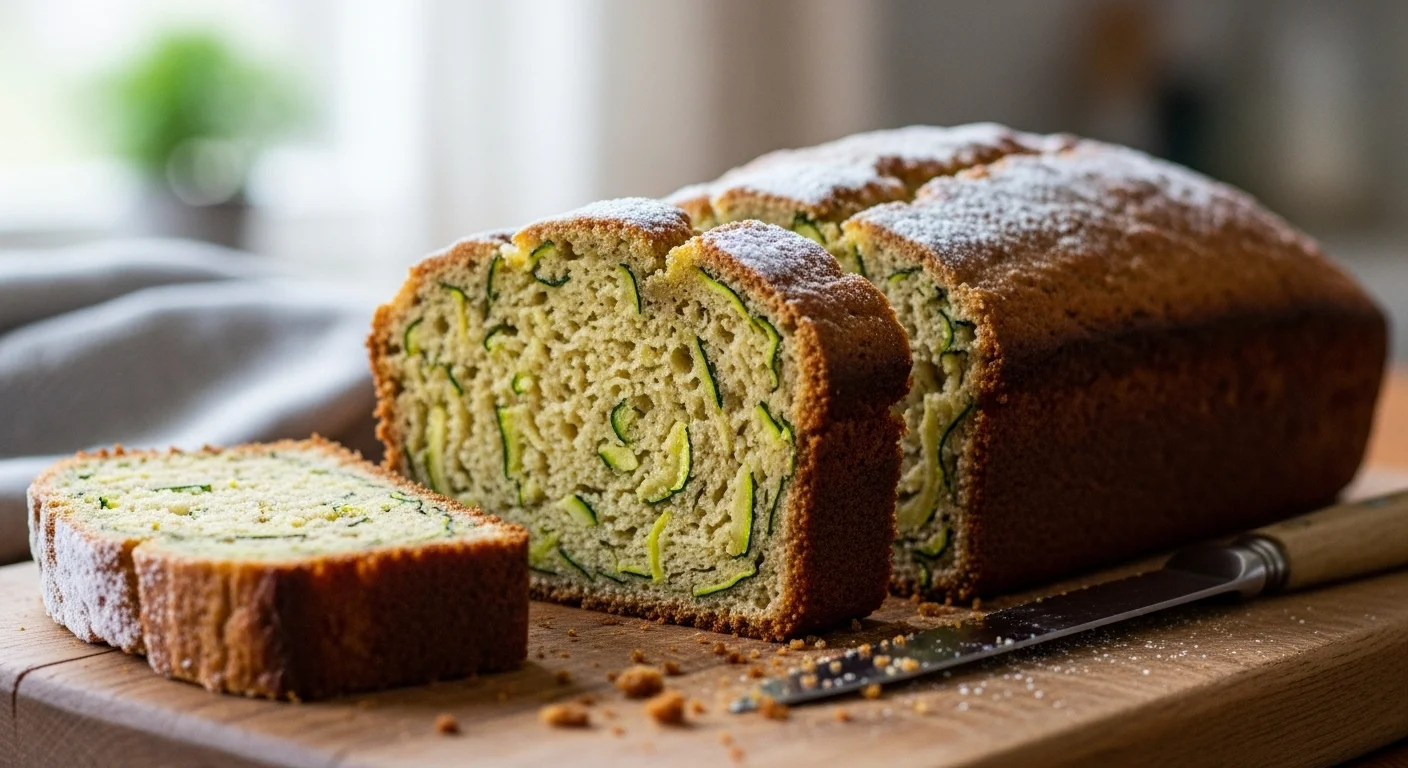
If you love baking and want to minimize waste, making sourdough discard zucchini bread is a delicious solution. This incredibly moist recipe not only uses up your sourdough discard but also creates a delightful treat that you won’t be able to resist!
Understanding Sourdough Discard
What is Sourdough Discard?
Sourdough discard is the portion of your sourdough starter that you remove before feeding it with fresh flour and water. If you’ve ever baked with sourdough, you know how essential it is to maintain a healthy starter. However, that often means tossing out some of the mixture to keep the balance. But don’t throw it away! This “discard” can be a wonderful ingredient in various recipes, especially baked goods. Read Interesting article: Quick Sourdough Discard Flatbread (No Yeast Needed)
When I first started baking sourdough, I felt guilty every time I tossed out the discard. It seemed like such a waste for something that had so much potential. So, I began experimenting and discovered the joy of using that leftover starter in new and exciting ways.
Benefits of Using Sourdough Discard in Baking
Using sourdough discard in baking has numerous advantages. Firstly, it adds a unique flavor to baked goods, giving them that characteristic tang of sourdough. This flavor can elevate recipes in ways that regular ingredients can’t match. Moreover, the acidity in the sourdough helps to tenderize the texture, resulting in moist and fluffy treats.
In my experience, incorporating sourdough discard into recipes like pancakes, muffins, and of course, zucchini bread, has transformed them. The moisture and depth of flavor are truly next-level, and I always feel good knowing that I’m reducing waste while enjoying delicious baked goods. Check out my favorite The Best Sourdough Discard Muffin Recipe (Easy & Versatile) for another great way to use your sourdough discard!
How to Collect and Store Sourdough Discard
Collecting sourdough discard is easy. Whenever you feed your starter, simply save a portion of it in a jar or container. I usually keep mine in the fridge, where it can last up to two weeks without any issues. Just make sure to label the jar with the date, so you know when it was collected.
When I gather my discard, I find it helpful to store it in smaller portions. This way, I can easily pull out what I need for a recipe without worrying about using it all at once. If you’re like me and love baking frequently, you’ll soon build up a stash of discard that can be used creatively in your kitchen!
Zucchini Bread Basics
What is Zucchini Bread?
Zucchini bread is a quick bread made with grated zucchini, often flavored with spices like cinnamon and nutmeg. It can be enjoyed as a snack, dessert, or even breakfast. The beauty of zucchini bread is its versatility; you can make it sweet or savory, depending on your preferences.
My first experience with zucchini bread was a revelation. I was skeptical at first, thinking how could a vegetable be turned into something so delightful? But, after taking a bite, I was hooked. The moist texture and subtle sweetness made it a favorite in my household.
Why Zucchini is a Great Addition to Bread
Zucchini adds moisture and richness to bread, which is especially beneficial in recipes like sourdough discard zucchini bread. The high water content in zucchini prevents the bread from drying out, creating that perfect tender crumb. Plus, it’s an easy way to sneak in some veggies!
Whenever I bake zucchini bread, I always make sure to use a good amount of grated zucchini. It not only enhances the flavor but also adds a beautiful green color that makes the bread visually appealing. I’ve even had friends ask for the recipe after being surprised that it contained any vegetables at all!
Health Benefits of Zucchini
Zucchini is low in calories and packed with nutrients. It contains vitamins A and C, potassium, and a good amount of fiber. Adding zucchini to your baked goods is not just a clever way to cut down on waste but also an opportunity to boost the nutritional value of what you’re eating.
For me, knowing that the zucchini in my bread adds health benefits makes it even more enjoyable. It’s like having my cake (or bread) and eating it too! Whether I’m indulging in a slice for breakfast or enjoying it as an afternoon snack, I appreciate that I’m getting a bit of nutrition along with the sweetness.
Ingredients for the Best Sourdough Discard Zucchini Bread
Main Ingredients Overview
When it comes to making the best sourdough discard zucchini bread, the quality of your ingredients really matters. I’ve learned that fresh, wholesome ingredients not only improve the taste but also enhance the texture. You’ll need a good amount of sourdough discard, grated zucchini, eggs, and oil as your base. For the dry ingredients, all-purpose flour, baking soda, baking powder, and salt are essential. If you want to add some sweetness, sugar or your choice of natural sweeteners comes into play. This combination creates a batter that is not only delicious but also has that signature moistness we all crave in zucchini bread.
Choosing the Right Zucchini
Choosing the right zucchini makes a noticeable difference in your bread. I prefer using medium-sized zucchini because they have a good balance of moisture and flavor. If you pick smaller zucchinis, they may be less watery and have a firmer texture, while larger ones can be overly seedy and watery. Always look for firm, glossy skin without blemishes. I remember the first time I used a slightly overripe zucchini; it led to a soggy loaf that was less than appetizing. So, it’s worth taking a moment to select the perfect zucchini for your baking adventure!
Types of Flour to Use
While all-purpose flour is the go-to for most zucchini bread recipes, I’ve had great success experimenting with other types. Whole wheat flour adds a nutty flavor and increases the fiber content, making it a healthier option. You could also consider using spelt flour for a different texture and taste. I often blend different flours to achieve a balance between flavor, moisture, and structure. However, if you’re going for a lighter bread, sticking to all-purpose flour is a safe bet. I’ve noticed that too much whole grain flour can sometimes lead to a denser loaf than I prefer.
Sweeteners: Sugar vs. Honey vs. Maple Syrup
The choice of sweetener can impact both the taste and moisture level of your zucchini bread. I typically use granulated sugar because it blends well and offers a nice sweetness without overpowering the other flavors. However, I also love the rich flavor that honey or maple syrup can bring. If you opt for honey or maple syrup, just remember to reduce the liquid slightly in your recipe. I’ve tried various combinations, and each brings its own unique twist to the final product. Play around with sweeteners to see which one resonates with you. My personal favorite is a mix of brown sugar and honey, which gives the bread a lovely caramelized crust.
Optional Add-ins (Nuts, Chocolate Chips, Spices)
This is where the fun really begins! Adding nuts like walnuts or pecans gives the bread a delightful crunch, while chocolate chips can satisfy any sweet tooth. I’ve had friends rave about the addition of dark chocolate chunks, turning a simple zucchini bread into something downright decadent. You can also play with spices like cinnamon or nutmeg, which not only enhance the flavor but also fill your kitchen with an irresistible aroma as it bakes. I remember one rainy afternoon when I decided to throw in some cinnamon; it turned out to be a game-changer! The warmth of the spices really complemented the zucchini’s natural sweetness.
In summary, these ingredients come together to create a zucchini bread that is packed with flavor and texture. The next time you find yourself with some sourdough discard and a zucchini sitting on your counter, you’ll know exactly what to do to whip up a loaf that’ll impress anyone who gets a taste. I can’t wait to share my step-by-step recipe with you next, so you can experience this delightful creation for yourself!
Step-by-Step Recipe for Incredibly Moist Sourdough Discard Zucchini Bread
Preparing the Zucchini
Before diving into the mixing bowl, let’s get our zucchini ready. I usually start by washing the zucchini thoroughly to remove any dirt or impurities. It’s amazing how something so simple can make such a difference in the end result. After giving it a good rinse, I grab my box grater or a food processor and get to work grating the zucchini. The finer the shreds, the better they incorporate into the bread, creating that delightful moisture we’re aiming for.
One tip I learned the hard way is to squeeze out some of the excess moisture after grating. Zucchini can hold a surprising amount of water, and if I don’t remove some of it, my bread can end up too soggy. I simply place the grated zucchini in a clean kitchen towel or cheesecloth and give it a gentle squeeze to remove the extra liquid. This step may seem minor, but it has a huge impact on the texture of the final loaf!
Mixing the Ingredients
Now that our zucchini is prepped, it’s time to mix our ingredients. In a large mixing bowl, I combine the sourdough discard, eggs, and oil. Mixing these wet ingredients first ensures that everything blends smoothly. I like to use a whisk to really incorporate the eggs into the discard, creating a lovely batter that is airy yet rich.
Next, I add the grated zucchini to the wet mixture, using a spatula to fold it in gently. The vibrant green color of the zucchini against the other ingredients is really a sight to behold! Once everything is mixed, it’s time to tackle the dry ingredients. In another bowl, I combine the flour, baking soda, baking powder, salt, and any spices I want to include, like cinnamon or nutmeg. Whisking these together makes sure the leavening agents are evenly distributed throughout the flour.
Then, I gradually add the dry mixture to the wet mixture, stirring just until combined. This part is crucial; I try to resist the urge to overmix. I’ve found that a few lumps are perfectly fine. Overmixing can lead to denser bread, and I prefer that airy, tender crumb. If I’m adding any optional ingredients like nuts or chocolate chips, I fold those in last, ensuring they are evenly spread throughout the batter.
Baking Instructions
With the batter ready, I preheat my oven to 350°F (175°C). While the oven is warming up, I prepare my loaf pan by greasing it with a little oil or butter. I find that a well-greased pan is essential for easy removal later. Then, I pour the batter into the prepared pan, smoothing out the top with my spatula to ensure even baking.
Now comes the best part—baking! I place the pan in the oven and set a timer for about 50-60 minutes. I love the smell that fills my kitchen as the bread bakes. It’s like a warm hug that promises something delicious is on the way. To check for doneness, I insert a toothpick in the center; if it comes out clean or with just a few crumbs, I know it’s ready. If it’s still wet, I give it a few more minutes, keeping a close eye to avoid overbaking.
Tips for Achieving Moisture
Achieving that perfectly moist zucchini bread can be a bit of an art. From my experience, here are a few tips that have worked wonders for me:
- Use Fresh Ingredients: Fresh eggs, oil, and, of course, freshly grated zucchini can make a significant difference.
- Don’t Skimp on the Zucchini: Make sure you’re adding enough grated zucchini. You really want to see it in the batter!
- Monitor Baking Time: Ovens can vary, so keep an eye on your bread. It’s better to check early than to risk overbaking.
- Let it Cool Properly: Allowing the bread to cool in the pan for about 10 minutes before transferring it to a wire rack helps maintain moisture. If it cools too quickly, it can dry out.
Following these tips, I’ve consistently ended up with a loaf that’s not only moist but bursting with flavor. I can’t wait for you to try this recipe and experience the joy of baking this incredible sourdough discard zucchini bread! Next up, we’ll dive into some common mistakes to avoid to ensure your baking adventure is a success!
Common Mistakes to Avoid
Overmixing the Batter
One of the most common mistakes I’ve made when baking is overmixing the batter. It’s so easy to get caught up in wanting everything perfectly combined, but I’ve learned that less is more when it comes to mixing. Overmixing can lead to a denser loaf, and that’s not what we’re aiming for in a moist zucchini bread. I try to mix just until the ingredients are combined, leaving a few lumps in the batter—trust me, it makes a huge difference in texture!
Not Squeezing Out Zucchini Moisture
Another mistake I’ve made is not squeezing out the excess moisture from the grated zucchini. While zucchini is excellent for adding moisture to the bread, too much can lead to a soggy mess. I now always remember to place the grated zucchini in a clean towel and give it a gentle squeeze. It’s a simple step that ensures my bread retains that perfect moistness without becoming overly wet.
Incorrect Baking Time and Temperature
Baking times can vary widely depending on your oven, and I’ve learned this lesson the hard way. I used to set my timer and walk away, but I’ve discovered that it’s better to check my bread a little early. I’ll often start checking for doneness at the 45-minute mark. If the toothpick comes out clean, I know I’m golden. If it’s still wet, I keep a close eye on it, adding just a few more minutes as needed. This attention to detail has saved me from a few overbaked loaves!
Serving Suggestions
Best Ways to Enjoy Sourdough Discard Zucchini Bread
Once my sourdough discard zucchini bread is out of the oven and has cooled, I can hardly wait to slice into it. One of my favorite ways to enjoy it is fresh, warm from the oven, with a pat of butter melting into each slice. The warmth of the bread combined with the creamy butter is simply irresistible. I’ve also found that it makes a fantastic breakfast option—quick, easy, and so satisfying!
Pairing with Spreads (Butter, Cream Cheese, etc.)
For a delightful twist, I love spreading cream cheese on my zucchini bread. The tanginess of the cream cheese complements the sweetness perfectly. Sometimes, I’ll even add a drizzle of honey or a sprinkle of cinnamon for an extra touch. If you’re feeling adventurous, try pairing it with a fruit spread or jam—my personal favorite is raspberry jam, which adds a lovely tartness that pairs beautifully with the bread’s sweetness.
Variations on Sourdough Discard Zucchini Bread
Gluten-Free Zucchini Bread
If you’re gluten-free, you can still enjoy this delicious treat! I’ve experimented with gluten-free flour blends and found success in creating a delightful gluten-free zucchini bread. Just make sure to use a good-quality blend that mimics the texture of all-purpose flour. Adding a bit of xanthan gum can also help create that right consistency if your blend doesn’t already include it.
Vegan Alternatives
For those following a vegan diet, substituting the eggs in the recipe is easy! I’ve used flax eggs—one tablespoon of ground flaxseed mixed with three tablespoons of water for each egg. Let it sit for a few minutes until it thickens, and you’re good to go! I love how the flax eggs work well while maintaining the moisture we crave in zucchini bread.
Adding Different Flavors (Cinnamon, Nutmeg, etc.)
Don’t be afraid to get creative with flavors! I often play around with spices, adding cinnamon, nutmeg, or even ginger to the batter. It’s amazing how just a teaspoon can transform your zucchini bread, giving it a warm, cozy flavor. I remember one time adding a bit of cocoa powder along with the zucchini; it gave the bread a rich chocolate flavor that was a huge hit with my family!
Storing and Freezing Sourdough Discard Zucchini Bread
How to Store for Freshness
To keep my sourdough discard zucchini bread fresh, I typically store it in an airtight container at room temperature for a few days. If I notice it’s starting to dry out, I’ll cut it into slices and wrap them individually in plastic wrap, making it easier to grab a piece whenever I want a tasty snack.
Freezing Tips and Thawing Instructions
If I know I won’t finish the bread in a few days, I’ll freeze it for later enjoyment. I slice the bread, wrap each slice tightly in plastic wrap, and then place them in a freezer-safe bag. When I’m ready to indulge, I simply take a slice out and let it thaw at room temperature or pop it in the toaster. It’s just as delicious as the day I made it, and I love having a stash ready for whenever the craving strikes!
Frequently Asked Questions (FAQs)
Can I use fresh zucchini instead of frozen?
Absolutely! Fresh zucchini works wonderfully in this recipe. In fact, I prefer using fresh because it adds a delightful crunch and moisture. Just make sure it’s well-grated and squeezed to remove excess moisture.
How long does zucchini bread last?
When stored properly, zucchini bread can last about 3-4 days at room temperature. If you refrigerate it, it may last up to a week. I find it tastes best when enjoyed fresh, but it’s nice to have leftovers for those busy days!
Can I substitute the sourdough discard with something else?
If you don’t have sourdough discard, you can use plain yogurt or buttermilk as a substitute. While it won’t have that unique sourdough flavor, it’ll still keep your bread moist and delicious. For more ideas on using sourdough discard, check out Easy Sourdough Discard Pizza Dough (For A Quick Pizza Night).
What should I do if my bread is too dry?
If you end up with a dry loaf, don’t despair! You can try to revive it by slicing it and toasting it lightly, then spreading some butter or cream cheese on top. Alternatively, serving it with a nice cup of tea or coffee can help add moisture back to your experience!
Final Thoughts
Baking sourdough discard zucchini bread has become one of my favorite kitchen adventures. Not only do I get to enjoy a delicious treat, but I also reduce waste and make use of my sourdough starter in a creative way. With so many variations and options available, I believe everyone can find a version of this bread that suits their taste. Whether you stick to the classic recipe or experiment with flavors and ingredients, I hope you enjoy the process as much as I do. So, gather your ingredients, preheat that oven, and let the joy of baking fill your kitchen!
Frequently Asked Questions
What is sourdough discard?
Sourdough discard is the portion of your sourdough starter that you remove before feeding it with fresh flour and water. It can be used as a wonderful ingredient in various recipes, especially baked goods.
How can I collect and store sourdough discard?
To collect sourdough discard, save a portion of it in a jar or container whenever you feed your starter. It can be stored in the fridge for up to two weeks. Label the jar with the date for reference.
What are the health benefits of zucchini?
Zucchini is low in calories and packed with nutrients, including vitamins A and C, potassium, and fiber. Adding it to baked goods boosts their nutritional value.
What are the main ingredients needed for sourdough discard zucchini bread?
The main ingredients include sourdough discard, grated zucchini, eggs, oil, all-purpose flour, baking soda, baking powder, and salt. Sweeteners like sugar or natural options can also be included.
How do I prepare zucchini for the zucchini bread?
Wash the zucchini thoroughly, then grate it using a box grater or food processor. Squeeze out excess moisture using a clean kitchen towel or cheesecloth to prevent sogginess in the bread.
What is the ideal baking temperature for zucchini bread?
The ideal baking temperature for zucchini bread is 350°F (175°C). Bake for about 50-60 minutes, checking for doneness with a toothpick inserted in the center.
Can I make gluten-free zucchini bread?
Yes, you can make gluten-free zucchini bread by using a good-quality gluten-free flour blend. Adding xanthan gum can help achieve the right consistency if your blend doesn’t already include it.
How should I store zucchini bread for freshness?
Store zucchini bread in an airtight container at room temperature for about 3-4 days. For longer storage, slice it, wrap each slice in plastic wrap, and place them in a freezer-safe bag.
What should I do if my zucchini bread turns out too dry?
If your zucchini bread is too dry, you can revive it by slicing and toasting it lightly, then spreading butter or cream cheese on top. Serving it with tea or coffee can also help add moisture back to the experience.
Can I substitute sourdough discard with another ingredient?
If you don’t have sourdough discard, plain yogurt or buttermilk can be used as substitutes. While they won’t provide the unique sourdough flavor, they will keep your bread moist and delicious.