
I’m excited to share with you the delightful world of spelt sourdough bread! This healthy, nutty loaf brings a unique twist to traditional sourdough, and I can’t wait for you to discover its wonders. Read Interesting article: A Guide To High Hydration Sourdough (For Pros)
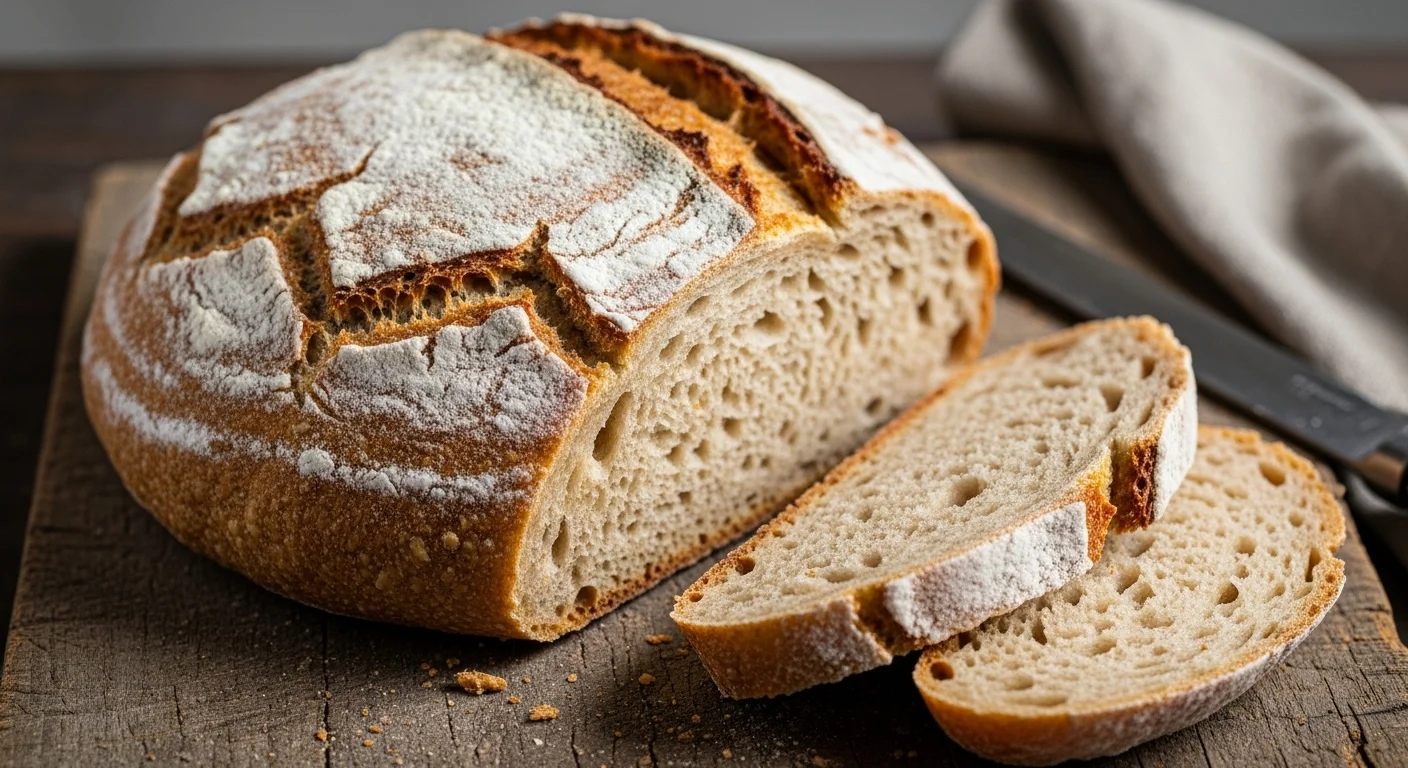
What is Spelt Sourdough Bread?
When I first heard about spelt sourdough bread, I was curious. What exactly is this grain, and how does it differ from the usual wheat we all know? Spelt is an ancient grain, often overlooked in our modern diets. This grain has a rich history, dating back thousands of years, and it’s a relative of wheat. I found out that spelt has a slightly nuttier flavor and a coarser texture compared to regular wheat flour, making it an interesting choice for baking.
Definition of Spelt and Its Nutritional Benefits
Spelt, or Triticum spelta, is packed with nutrients that appeal to health-conscious eaters like myself. It’s full of fiber, protein, vitamins, and minerals. I remember reading that spelt contains a good amount of manganese, phosphorus, and magnesium. These are essential for our overall health and play a role in bone development and energy metabolism. Plus, it’s a source of B vitamins, which are crucial for energy production. I’ve noticed that incorporating spelt into my diet has left me feeling more satisfied and energized. That nutty flavor adds depth to my meals that I really enjoy.
What is Sourdough and How It Differs from Other Breads
Sourdough is one of the oldest forms of bread-making. It’s made through a natural fermentation process that uses wild yeast and bacteria present in the environment. I’ve always loved the tangy flavor and chewy texture of sourdough, but what I didn’t realize is how this fermentation process contributes to its health benefits. Unlike commercial breads that rely on added yeast, sourdough rises slowly, allowing for better digestion. This means that the nutrients in the bread are more accessible to our bodies. I can’t emphasize enough how much I prefer sourdough over regular bread; it has a character and a story that resonates with me.
The Health Benefits of Spelt Sourdough Bread
Once I started baking with spelt sourdough, I quickly learned about the numerous health benefits associated with it. It’s not just about the taste; it’s about what we’re putting into our bodies. Here’s what I discovered.
Rich in Nutrients: Vitamins and Minerals
When I compared spelt sourdough to regular bread, the nutrient profile stood out. For example, spelt is higher in protein and fiber, which are both vital for maintaining satiety and supporting muscle health. I’ve found that after a meal with spelt sourdough, I feel full longer, which helps me avoid unnecessary snacking. The vitamins and minerals present in spelt, such as iron and zinc, also play important roles in our immune system and overall well-being. Knowing that I’m enjoying something nutritious makes every slice that much more enjoyable.
High in Fiber and Digestive Benefits
I’ve always been on the lookout for ways to improve my digestive health, and spelt sourdough has been a game changer for me. The high fiber content not only aids in digestion but also promotes a healthy gut microbiome. I noticed that my digestion improved after incorporating this bread into my diet. It feels great to know that with every bite, I’m supporting my health. Plus, the fermentation process used in making sourdough breaks down gluten, making it easier on the digestive system for those who may have mild sensitivities.
Lower Gluten Content Compared to Modern Wheat
As someone who is somewhat gluten-sensitive, I appreciate that spelt contains lower amounts of gluten compared to conventional wheat. While it’s not gluten-free, many people, including myself, find it easier to digest. I’ve talked to friends who have switched to spelt sourdough and experienced less bloating and discomfort. This has encouraged me to explore different spelt bread recipes, knowing that I can enjoy delicious bread without feeling weighed down. Read Interesting article: The Best Sourdough Discard Zucchini Bread (Incredibly Moist)
Key Ingredients for Making Spelt Sourdough Bread
When I decided to try making my own spelt sourdough bread, I was amazed at how simple yet essential the ingredients were. Here’s what I learned about the key components.
Whole Spelt Flour vs. White Spelt Flour
Choosing between whole spelt flour and white spelt flour can make a difference in flavor and nutrition. Whole spelt flour retains the bran and germ, which means it’s packed with fiber and nutrients. I personally love the earthy taste that whole spelt flour brings to my bread. However, if you prefer a lighter texture, white spelt flour is a great alternative. I’ve tried both and found that it ultimately depends on what I’m in the mood for that day.
Water Quality and Its Importance
Believe it or not, the quality of water can affect the outcome of your bread. I learned this the hard way when my first few batches didn’t turn out quite right. Using filtered water helps in achieving a better rise and flavor. It’s a small but significant detail that I recommend paying attention to.
Natural Sourdough Starter: How to Make and Maintain
Creating a natural sourdough starter was one of the most rewarding experiences for me. I remember the excitement of seeing my starter bubble and rise. It’s basically a living culture of flour and water, and maintaining it has become a little ritual in my kitchen. I enjoy feeding it regularly and watching it develop. Not only does it add flavor to my bread, but it also connects me to the age-old tradition of sourdough baking. If you’re interested, I’ll share my tips on getting started and keeping your starter happy in future sections!
Step-by-Step Guide to Making Spelt Sourdough Bread
When I first attempted to make spelt sourdough bread, I was both excited and a little nervous. It felt like a fun adventure in my kitchen, and the process was so rewarding. Here’s how I found success in my baking journey.
Gathering Your Ingredients and Tools
Before diving in, I realized that having everything in place made the baking experience smoother. Here’s a list of what you’ll need:
- Whole spelt flour or white spelt flour: I recommend experimenting with both to see which you prefer.
- Water: Remember to use filtered water for the best results.
- Sourdough starter: You can either create your own (which I highly recommend) or use a store-bought one.
- Salt: Don’t skimp on this; it enhances flavor and controls fermentation.
- Baking tools: A mixing bowl, a wooden spoon or dough scraper, a kitchen scale (for accuracy), and a Dutch oven or baking stone for baking.
Having my tools ready made the process feel more organized, and I found it to be quite enjoyable.
Creating the Sourdough Starter (If Not Using Store-Bought)
If you choose to make your own sourdough starter, I can tell you it’s worth the effort! I started mine about a week before my baking day. To make the starter, mix equal parts whole spelt flour and water in a jar. I typically used about 1 cup of each. Stir it well, cover it with a cloth, and let it sit at room temperature. I fed it daily by discarding half and adding fresh flour and water. Watching it bubble and grow was fascinating, and it made me feel connected to the bread-making process.
Mixing and Kneading the Dough
Once my starter was bubbly and active, it was time to mix the dough. I combined my spelt flour, water, and a portion of the starter in a large mixing bowl. I remember the first time I did this; the scent of the flour and water combined was so inviting! After mixing, I added salt, which is essential for flavor and helps strengthen the dough’s structure.
Next came the kneading. I found that spelt dough requires a gentler touch compared to regular wheat dough. I kneaded it for about 10 minutes until it felt smooth and elastic. If you’ve never kneaded dough before, I recommend taking your time and enjoying the process. It’s therapeutic in a way!
First Rise: Bulk Fermentation Techniques
After kneading, I placed the dough in a lightly greased bowl and covered it with a damp cloth. This is where the magic happens—let the dough rise! I found that bulk fermentation typically takes about 4-6 hours at room temperature, depending on the warmth of your kitchen. I often checked on it every hour or so, and I loved seeing how it doubled in size. To help with the fermentation, I occasionally performed a series of stretch and folds. Just take a section of the dough, stretch it up, and fold it over itself; I did this a few times around the bowl. It really helps develop the gluten structure without excessive kneading.
Shaping the Loaf: Techniques and Tips
When my dough had risen beautifully, it was time to shape it. I gently turned it out onto a floured surface. I remember being cautious not to deflate it too much. I shaped it into a round or oval loaf, depending on my mood that day. I found that creating surface tension by pulling the dough slightly toward me as I shaped it helped create a nice rounded loaf. It was satisfying to see the dough take form!
Second Rise: Proofing Your Bread
After shaping, I placed the loaf seam-side down in a floured proofing basket (or a bowl lined with a floured kitchen towel). I covered it again and let it rise for another 1-2 hours. During this time, I often thought about how excited I was to see the final product. The second rise is crucial, as it allows the dough to develop further flavors and texture.
Baking: The Best Temperature and Time
When it was finally time to bake, I preheated my oven to 450°F (232°C) along with my Dutch oven. Preheating the Dutch oven helped create a steamy environment that’s perfect for a good crust. After about 30 minutes, I carefully transferred the dough onto parchment paper, scored the top with a sharp knife (this allows for better expansion), and placed it into the hot Dutch oven.
I usually baked it covered for the first 30 minutes and then uncovered it for the last 15-20 minutes. The aroma that filled my kitchen was simply heavenly, and the sight of that golden-brown crust was the icing on the cake! Once it was done, I let it cool on a wire rack before slicing. That first slice was such a reward after all the work!
Flavor Variations and Add-Ins for Spelt Sourdough Bread
One of the things I absolutely love about baking spelt sourdough bread is how versatile it can be. Once I mastered the basic recipe, I found myself experimenting with different flavors and textures. This not only kept things exciting in the kitchen but also allowed me to tailor the bread to my family’s tastes. Here are some of my favorite variations and add-ins that I’ve enjoyed over time.
Herbs and Spices to Enhance Flavor
Adding herbs and spices to spelt sourdough is a fantastic way to elevate the flavor profile. I’ve tried incorporating rosemary, thyme, and even a sprinkle of garlic powder into the dough. The aroma that wafts through the kitchen while it bakes is just heavenly! I remember one time, I added a mix of Italian herbs which made for an excellent sandwich bread. It paired perfectly with some fresh mozzarella and tomatoes for a delicious caprese sandwich. If you’re feeling adventurous, I’d recommend trying out different combinations to see what suits your palate!
Seeds and Nuts for Texture
Texture can make a world of difference when it comes to bread, and adding seeds and nuts is one of my favorite tricks. I’ve experimented with sunflower seeds, flaxseeds, and even walnuts. Each of these adds a delightful crunch and a unique flavor to the loaf. I recall a time when I mixed in some pumpkin seeds, which not only looked beautiful but also offered a subtle nuttiness that complemented the spelt beautifully. If you decide to add seeds or nuts, I suggest lightly toasting them beforehand. This really enhances their flavor and brings out their natural oils.
Incorporating Dried Fruits or Sweeteners
If you enjoy a touch of sweetness in your bread, adding dried fruits or natural sweeteners can be a wonderful option. I’ve tried adding dried cranberries and raisins to my dough, which turned the bread into a lovely treat. It’s perfect for breakfast or as an afternoon snack with a bit of butter. Additionally, I’ve also experimented with honey or maple syrup in the dough, which gives it a subtle sweetness and a hint of flavor. Just be mindful not to add too much liquid if you’re using a wet sweetener; adjusting the flour slightly can help maintain the right consistency.
Overall, the possibilities are endless when it comes to flavor variations in spelt sourdough bread. I encourage you to have fun with it and let your creativity shine. Each loaf can be a new adventure, and you might just stumble upon a combination that becomes a family favorite! Read Interesting article: Can You Use A Sourdough Bread Machine Recipe? Yes!
Common Mistakes to Avoid When Making Spelt Sourdough Bread
As I’ve delved deeper into the world of spelt sourdough, I’ve encountered my fair share of challenges and mistakes. Sharing what I’ve learned can save you some of the frustration I faced when I was starting out. Here are a few common pitfalls to watch out for.
Over-Kneading vs. Under-Kneading
Kneading can be a bit tricky with spelt flour. I learned the hard way that over-kneading can lead to a tough loaf, while under-kneading can result in a dense bread that doesn’t rise properly. I’ve found that spelt dough requires a gentle touch, and a good rule of thumb is to knead until it feels smooth and elastic, but not for too long. If you’re unsure, it’s always better to err on the side of under-kneading than over-kneading. You can always give it a few stretch and folds during the first rise to help develop the dough further.
Incorrect Hydration Levels
Hydration is crucial when baking with spelt flour. I’ve made the mistake of using too much or too little water, which directly affects the dough’s consistency. Spelt flour tends to absorb water differently than regular wheat flour, so I recommend starting with a lower hydration level and gradually adding more as needed. Keeping a close eye on the dough during mixing can help you understand its needs better. Trust me, getting it right will make all the difference in the final texture of your bread!
Ignoring Temperature and Timing
The environment plays a significant role in sourdough baking. I’ve learned that temperature and timing can impact the fermentation process. For example, if my kitchen is too cold, the dough may take longer to rise, leading to less flavor development. Conversely, if it’s too warm, it can ferment too quickly and lose its integrity. I’ve found that being patient and giving the dough enough time to rise properly is key, and using a thermometer can help ensure the right conditions. If you ever find your dough rising too slowly, a warm spot in the house can give it a little boost!
By being mindful of these common mistakes, you can set yourself up for success on your spelt sourdough baking journey. Each time I bake, I learn a bit more, and I hope you will too!
Frequently Asked Questions
What is spelt sourdough bread?
Spelt sourdough bread is a healthy, nutty loaf made from spelt, an ancient grain that has a slightly nuttier flavor and a coarser texture compared to regular wheat flour. It brings a unique twist to traditional sourdough bread.
What are the nutritional benefits of spelt?
Spelt is packed with nutrients, including fiber, protein, vitamins, and minerals such as manganese, phosphorus, and magnesium. These nutrients support overall health, bone development, and energy metabolism, as well as providing B vitamins crucial for energy production.
How does sourdough differ from other types of bread?
Sourdough is made through a natural fermentation process using wild yeast and bacteria, allowing for a slower rise compared to commercial breads that use added yeast. This slow fermentation improves digestion and nutrient accessibility.
What are the health benefits of spelt sourdough bread?
Spelt sourdough bread is rich in nutrients, high in fiber, and has lower gluten content compared to modern wheat, making it easier to digest for some people. It also supports digestive health and contributes to satiety, helping to reduce unnecessary snacking.
What ingredients are needed to make spelt sourdough bread?
The key ingredients for making spelt sourdough bread include whole spelt flour or white spelt flour, filtered water, a sourdough starter, and salt. Additional baking tools like a mixing bowl, wooden spoon, kitchen scale, and Dutch oven are also required.
How do you make a natural sourdough starter?
To create a natural sourdough starter, mix equal parts whole spelt flour and water in a jar, cover it with a cloth, and let it sit at room temperature. Feed it daily by discarding half and adding fresh flour and water until it becomes bubbly and active.
What are some common mistakes to avoid when making spelt sourdough bread?
Common mistakes include over-kneading or under-kneading the dough, incorrect hydration levels, and ignoring temperature and timing during the fermentation process. It’s important to knead gently, monitor water absorption, and ensure the dough rises in the right conditions.
Can you add flavors or ingredients to spelt sourdough bread?
Yes, spelt sourdough bread is versatile and can be enhanced with herbs, spices, seeds, nuts, dried fruits, or natural sweeteners. Experimenting with different flavors and textures can make each loaf unique and tailored to personal tastes.
What is the significance of water quality in baking spelt sourdough?
The quality of water can significantly affect the outcome of spelt sourdough bread. Using filtered water is recommended as it helps achieve a better rise and flavor in the final product.
What is the ideal baking temperature for spelt sourdough bread?
The ideal baking temperature for spelt sourdough bread is 450°F (232°C). Preheating the Dutch oven before baking helps create a steamy environment that is essential for developing a good crust.