
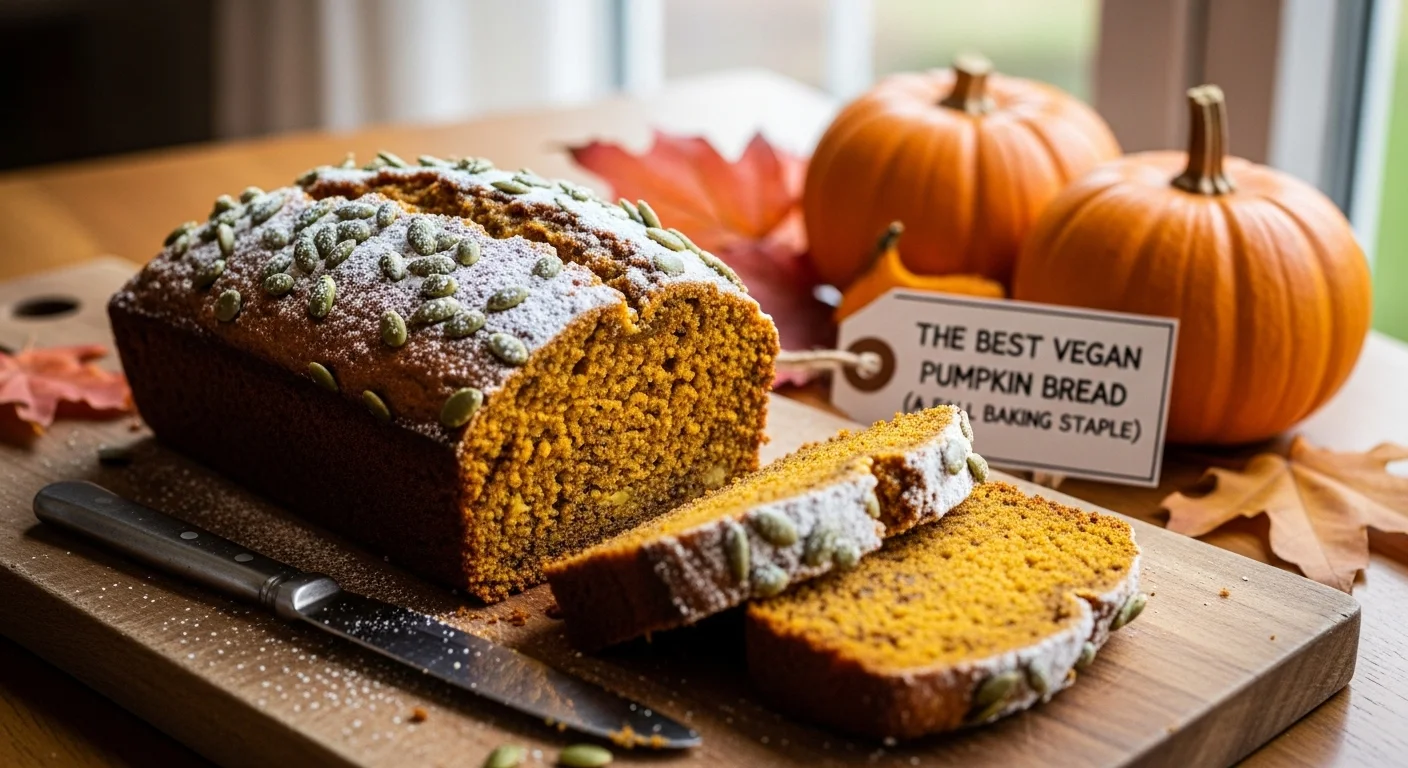
There’s something magical about the aroma of pumpkin bread wafting through the kitchen as autumn leaves fall outside. This vegan pumpkin bread is not just a delight for your taste buds; it’s a warm hug on a chilly day. If you’re looking for more delicious vegan treats, check out The Best Vegan Edible Cookie Dough (Safe To Eat!).
Why Choose Vegan Pumpkin Bread?
When I first switched to a vegan lifestyle, I thought I’d miss out on some of my favorite comfort foods. But then I discovered vegan pumpkin bread, and it became my go-to fall staple. Not only is it delicious, but it also offers some significant health benefits while being kinder to our planet.
Health Benefits of Vegan Baking
One of the greatest joys of vegan baking is the ability to create wholesome treats that are often lower in saturated fats and cholesterol. By using plant-based ingredients, like fruits, nuts, and whole grains, I noticed a boost in my energy levels. Pumpkin itself is a nutrition powerhouse, packed with vitamins A and C, fiber, and antioxidants. It’s a guilt-free way to indulge in the flavors of fall while nourishing our bodies.
Moreover, I find that baking with plant-based ingredients often leads to lighter, fluffier textures. When I bake, I like to use ingredients that not only taste great but also provide health benefits. I’ve learned to incorporate items like flaxseed or chia seeds for added omega-3s and protein, turning an already tasty treat into a nutritional powerhouse.
Environmental Impact of Vegan Ingredients
Making vegan pumpkin bread is not just a treat for my palate; it’s also a small step toward being more eco-friendly. The environmental impact of animal agriculture is significant, contributing to greenhouse gas emissions and deforestation. By choosing plant-based ingredients, I’m contributing to a more sustainable food system. Every time I whip up a batch of vegan pumpkin bread, I feel like I’m doing my part, however small, to help the planet.
Additionally, I’ve found that many vegan ingredients have a lower carbon footprint than their animal-based counterparts. By using seasonal produce like pumpkin, I’m supporting local farmers and reducing the carbon emissions that come from transporting food long distances. It’s a win-win situation: delicious food for me and a healthier planet for everyone!
Essential Ingredients for Vegan Pumpkin Bread
Now that we’ve established why vegan pumpkin bread is a great choice, let’s dive into the essential ingredients that make this loaf so special. From the right pumpkin puree to the best egg replacements, every ingredient plays a crucial role in the final product.
Choosing the Right Pumpkin Puree
When it comes to pumpkin puree, I always prefer using canned pumpkin. It’s convenient and consistent in quality. However, if I’m feeling adventurous, I love roasting a real pumpkin. There’s something so rewarding about the process, and the flavor can be even richer. Just cut the pumpkin in half, scoop out the seeds, roast it until tender, and blend it into a smooth puree. Either way, using quality pumpkin is key to achieving that rich, autumnal flavor.
Best Flours for Vegan Baking
For my vegan pumpkin bread, I often use whole wheat flour. It adds a lovely nutty flavor and makes the bread more nutritious. Sometimes, I mix it with all-purpose flour for a lighter texture. I’ve also experimented with almond flour for a gluten-free version, which adds a delightful moisture and richness. The combination of flours can really change the game in terms of texture and taste.
Egg Replacements: What Works Best?
Eggs can be tricky in baking, but I’ve found some fantastic substitutes that work wonders in vegan pumpkin bread. My go-to is a flaxseed meal mixed with water, which acts as a binder and adds healthy fats. Just mix one tablespoon of flaxseed meal with three tablespoons of water and let it sit until it becomes gel-like. I’ve also used applesauce or mashed bananas, which not only replace the moisture but also contribute to the sweetness of the bread. For more sweet vegan treats, you might enjoy Classic Vegan Snickerdoodles Recipe (Soft & Chewy).
Sweeteners: Natural vs. Refined
When it comes to sweeteners, I prefer using maple syrup or coconut sugar. They add a depth of flavor that white sugar can’t match. Maple syrup keeps the bread moist, while coconut sugar offers a caramel-like sweetness. I’ve even tried using dates blended into a paste for a natural and healthy alternative. The choice of sweetener really transforms the overall taste, so I encourage you to experiment and find your favorite!
Spices That Elevate Flavor
Finally, let’s not forget about the spices! Cinnamon, nutmeg, and ginger are my go-to spices for pumpkin bread. They complement the pumpkin beautifully and create a warm, inviting aroma in the kitchen. I often add a pinch of cloves for an extra kick. The right blend of spices can elevate your pumpkin bread from ordinary to extraordinary, making it the perfect fall treat.
Step-by-Step Recipe for Vegan Pumpkin Bread
Now that we’ve covered the essential ingredients, let’s get into the fun part—making the vegan pumpkin bread! I remember the first time I followed a recipe step-by-step; it felt like a mini adventure in my kitchen. Here’s how I like to do it.
Gather Your Ingredients
Before we dive into baking, it’s important to have everything on hand. Here’s a list of what you’ll need:
- 1 cup pumpkin puree (canned or homemade)
- 1/2 cup maple syrup or coconut sugar
- 1/4 cup vegetable oil or melted coconut oil
- 1/4 cup non-dairy milk (almond or soy work great)
- 1 cup whole wheat flour
- 1 cup all-purpose flour (or almond flour for a gluten-free version)
- 1 teaspoon baking soda
- 1/2 teaspoon baking powder
- 1 teaspoon cinnamon
- 1/2 teaspoon nutmeg
- 1/4 teaspoon ginger
- 1/2 teaspoon salt
- 1 tablespoon flaxseed meal mixed with 3 tablespoons water (for egg replacement)
Having all your ingredients ready not only makes the process smoother but also adds to the excitement of baking!
Preparation Instructions
Let’s get started! Here’s how I like to prepare my vegan pumpkin bread:
- Preheat your oven to 350°F (175°C). I often forget this step, so I’ve made it a habit to do it first!
- In a small bowl, mix the flaxseed meal and water. Let it sit for about 5-10 minutes until it thickens. This acts as our egg replacement.
- In a large mixing bowl, combine the pumpkin puree, maple syrup (or coconut sugar), oil, non-dairy milk, and the thickened flaxseed mixture. I love whisking it all together; there’s something satisfying about watching the ingredients blend into a creamy mixture.
- In another bowl, whisk together the whole wheat flour, all-purpose flour, baking soda, baking powder, spices, and salt. Make sure to break up any lumps in the flour so your bread comes out smooth.
- Gradually add the dry ingredients to the wet mixture. I’ve learned that folding the flour in gently helps maintain the bread’s fluffiness. Mix until just combined; it’s okay if there are a few lumps!
- If you want to add any extras like nuts or chocolate chips, now’s the time to fold them in.
- Pour the batter into a greased loaf pan, making sure it’s evenly spread out. I always take a moment to admire the rich orange color of the batter; it’s such a beautiful sight!
- Bake for about 50-60 minutes, or until a toothpick inserted into the center comes out clean. The aroma that fills the house while it bakes is absolutely heavenly.
Baking Tips for Perfect Texture
Over the years, I’ve picked up a few tips that have made my baking experience much smoother:
- Always measure your flour correctly. I spoon it into the measuring cup and level it off with a knife. Too much flour can lead to dense bread.
- Don’t overmix the batter. It’s tempting to keep stirring, but overmixing can lead to a tough texture.
- Allow the bread to cool in the pan for about 10 minutes before transferring it to a wire rack. This helps prevent it from becoming soggy on the bottom.
- If you want a golden crust, brush the top with a little bit of non-dairy milk before baking.
How to Store Leftover Pumpkin Bread
I’ve learned that storing leftover pumpkin bread properly can help maintain its moistness and flavor. Here’s how I do it:
- Let the bread cool completely before wrapping it.
- Wrap it tightly in plastic wrap or aluminum foil, or store it in an airtight container. I find that this helps keep it fresh for several days.
- If you won’t eat it all within a few days, consider freezing it. Slice the bread beforehand, so you can grab a piece whenever you want. Just wrap each slice individually, and when you’re ready to enjoy it, thaw it at room temperature or pop it in the toaster.
With these steps, you’ll be well on your way to creating a delicious vegan pumpkin bread that not only satisfies your cravings but also warms your heart. Now that we have a wonderful recipe, let’s explore some exciting variations on this classic treat!
Variations on Vegan Pumpkin Bread
Now that we’ve nailed down the classic vegan pumpkin bread recipe, let’s have some fun with variations! I always feel that exploring different flavors and textures can make the baking experience even more exciting. Here are a few of my favorite twists on the traditional pumpkin bread that I think you’ll love.
Chocolate Chip Vegan Pumpkin Bread
Who doesn’t love a little chocolate? When I first tried adding chocolate chips to my vegan pumpkin bread, it was a game-changer. The rich, melty chocolate pairs beautifully with the spiced pumpkin, creating an indulgent treat. I usually opt for dairy-free chocolate chips to keep it vegan-friendly. Just fold in about a cup of chips into your batter before pouring it into the loaf pan. It’s a simple addition that makes the bread feel extra special and decadent.
Nuts and Seeds Add-Ins
I’ve discovered that adding nuts and seeds can really elevate the texture and nutritional profile of pumpkin bread. Walnuts and pecans are my go-to choices; their crunch adds a fantastic contrast to the soft, moist bread. I often toast the nuts lightly before adding them, which brings out their flavor even more. If I’m in the mood for something different, I might throw in some sunflower seeds or pumpkin seeds for a delightful crunch and a boost of healthy fats. Just keep the total amount of add-ins to about 1 cup to ensure the batter maintains its balance.
Gluten-Free Vegan Pumpkin Bread Options
For my friends who are gluten-sensitive, I’ve experimented with gluten-free pumpkin bread, and I’m happy to report that it’s just as delicious! The key is to use a good gluten-free flour blend. I’ve had great success with a mix that includes almond flour and coconut flour, which keeps the bread moist and flavorful. You can use the same basic recipe but substitute the all-purpose and whole wheat flour with your gluten-free blend. Just remember to add a bit of xanthan gum if it’s not already in the blend, as it helps with the structure. The result is a wonderfully soft loaf that’s perfect for everyone!
Pairing Suggestions for Vegan Pumpkin Bread
Now that we have our delightful variations covered, let’s talk about how to enjoy this treat even more. There’s something about pairing food that can elevate the experience, and vegan pumpkin bread is no exception. Here are some of my favorite pairing suggestions that I think you’ll enjoy.
Best Beverages to Accompany Pumpkin Bread
Nothing complements a slice of warm pumpkin bread quite like a comforting beverage. I often reach for a steaming cup of chai tea; the spices in the chai harmonize so well with the pumpkin flavors. If I’m feeling like a cozy afternoon treat, a rich cup of coffee drizzled with a touch of almond milk is divine. On warmer days, I might opt for a refreshing apple cider. The sweet and tart notes of cider pair beautifully with the spices in the bread, making it a perfect autumn combination.
Delicious Spreads and Toppings
While vegan pumpkin bread is delightful on its own, I’ve discovered that adding a spread can take it to the next level. A smear of almond butter or peanut butter adds a creamy richness that I find irresistible. For those with a sweet tooth, I recommend a drizzle of maple syrup or a spread of vegan cream cheese mixed with a touch of cinnamon. It creates a lovely balance of flavors that makes each bite feel like a warm hug. If you’re feeling adventurous, try adding a sprinkle of toasted coconut or a dollop of apple butter for an extra layer of deliciousness.
Frequently Asked Questions about Vegan Pumpkin Bread
As I’ve shared my vegan pumpkin bread journey, I’ve gotten a lot of questions. Here are some of the most common queries I’ve encountered, along with my insights.
Can I Substitute Ingredients?
Absolutely! One of the best things about baking is the flexibility to adapt recipes. If you don’t have pumpkin puree, you can use sweet potato puree or even mashed banana as substitutes. For sweeteners, feel free to experiment with agave syrup or honey (if you’re not strictly vegan). If you’re out of flaxseed meal, a chia seed mixture works just as well. Just remember to keep the ratios in mind so your bread maintains its texture.
How Long Does Vegan Pumpkin Bread Last?
When stored properly, vegan pumpkin bread can last about 3 to 5 days at room temperature. However, I’ve found that the bread stays freshest when kept in the fridge. Just wrap it up tightly to keep it from drying out. If you’re anything like me, it might not last that long anyway—it’s just too delicious!
Can I Freeze Vegan Pumpkin Bread?
Yes, you can freeze vegan pumpkin bread! In fact, I often slice the bread first before freezing. This way, I can grab a slice whenever I want a quick treat. Just wrap each slice in plastic wrap and place them in a freezer-safe bag. When you’re ready to enjoy, simply thaw at room temperature or pop it in the toaster for a warm snack. It’s a perfect way to preserve the flavors of fall all year round.
Making Vegan Pumpkin Bread a Fall Tradition
As I reflect on my journey of baking vegan pumpkin bread, I realize it has become more than just a recipe for me; it’s a cherished tradition. Every autumn, as the leaves change color and the days grow cooler, I find myself drawn to the kitchen, ready to whip up a batch. There’s something comforting about the process, from gathering the ingredients to the first warm slice I enjoy with a cup of tea. I think it’s a beautiful way to celebrate the season.
What I love most is sharing this experience with friends and family. I’ve hosted cozy gatherings where we bake together, filling the air with laughter and the delightful smell of spices. It’s a chance to bond over something simple yet meaningful, creating memories that last far beyond the last crumb of bread. I’ve even had friends ask for the recipe, and it warms my heart to know that I’m passing down something special.
Making vegan pumpkin bread a tradition in your home can be incredibly rewarding. Whether it’s for Thanksgiving dinner, a fall picnic, or just a quiet evening at home, it adds a touch of warmth and comfort to any occasion. I encourage you to get creative with your own variations or play around with different spices to make it uniquely yours. After all, cooking is a personal journey, and each loaf tells a story.
In our fast-paced world, it’s easy to forget to slow down and appreciate the little things. Baking this vegan pumpkin bread is a reminder to savor the moments, whether it’s a quiet morning enjoying a slice or an afternoon spent with loved ones. I believe that food has the power to bring people together, and this simple bread recipe is a perfect example of that.
As the season unfolds, I hope you embrace the joy of baking this vegan pumpkin bread and find your own reasons to create lasting traditions. May your kitchen be filled with the scents of cinnamon and nutmeg, and may each bite be a reminder of the warmth and comfort that comes with sharing good food and good company.
So, let’s roll up our sleeves, preheat the oven, and make this fall a season to remember with every delicious loaf we create!
Frequently Asked Questions
Why should I choose vegan pumpkin bread?
Vegan pumpkin bread is not only delicious but also offers significant health benefits, being lower in saturated fats and cholesterol. It uses plant-based ingredients that are nutritious and can boost energy levels.
What are the health benefits of vegan baking?
Vegan baking often results in treats that are lower in saturated fats and cholesterol. Ingredients like pumpkin are packed with vitamins A and C, fiber, and antioxidants, making it a guilt-free indulgence.
What are the essential ingredients for vegan pumpkin bread?
The essential ingredients include pumpkin puree, maple syrup or coconut sugar, vegetable oil, non-dairy milk, whole wheat flour, all-purpose flour, baking soda, baking powder, spices, salt, and an egg replacement like flaxseed meal.
What is the best way to prepare pumpkin puree?
Canned pumpkin is convenient and consistent in quality, but roasting a real pumpkin can yield a richer flavor. To roast, cut the pumpkin in half, scoop out the seeds, roast until tender, and blend into a smooth puree.
How can I replace eggs in vegan pumpkin bread?
Flaxseed meal mixed with water is a great egg substitute. Mix one tablespoon of flaxseed meal with three tablespoons of water and let it sit until it thickens. Applesauce or mashed bananas can also work as replacements.
What types of sweeteners can I use in vegan pumpkin bread?
Maple syrup and coconut sugar are preferred for their depth of flavor. Other options include agave syrup or dates blended into a paste for a natural alternative.
What spices enhance the flavor of vegan pumpkin bread?
Cinnamon, nutmeg, and ginger are commonly used spices that complement pumpkin beautifully. A pinch of cloves can also add an extra kick to the flavor profile.
How should I store leftover vegan pumpkin bread?
Allow the bread to cool completely, then wrap it tightly in plastic wrap or aluminum foil, or store it in an airtight container. It can last about 3 to 5 days at room temperature or can be frozen for longer storage.
Can I freeze vegan pumpkin bread?
Yes, vegan pumpkin bread can be frozen. It’s best to slice the bread first before wrapping each slice individually and placing them in a freezer-safe bag. Thaw at room temperature or toast for a warm snack.
How can I make vegan pumpkin bread a tradition?
Making vegan pumpkin bread a tradition involves baking it regularly, especially during autumn, and sharing the experience with friends and family, creating lasting memories around the joy of baking and enjoying good food.