
Imagine a light, fluffy cake filled with creamy goodness and topped with fresh fruit; that’s the magic of a Vegan Victoria Sponge. It’s a classic dessert that everyone can enjoy, regardless of dietary choices!
Understanding Vegan Victoria Sponge
What is a Victoria Sponge?
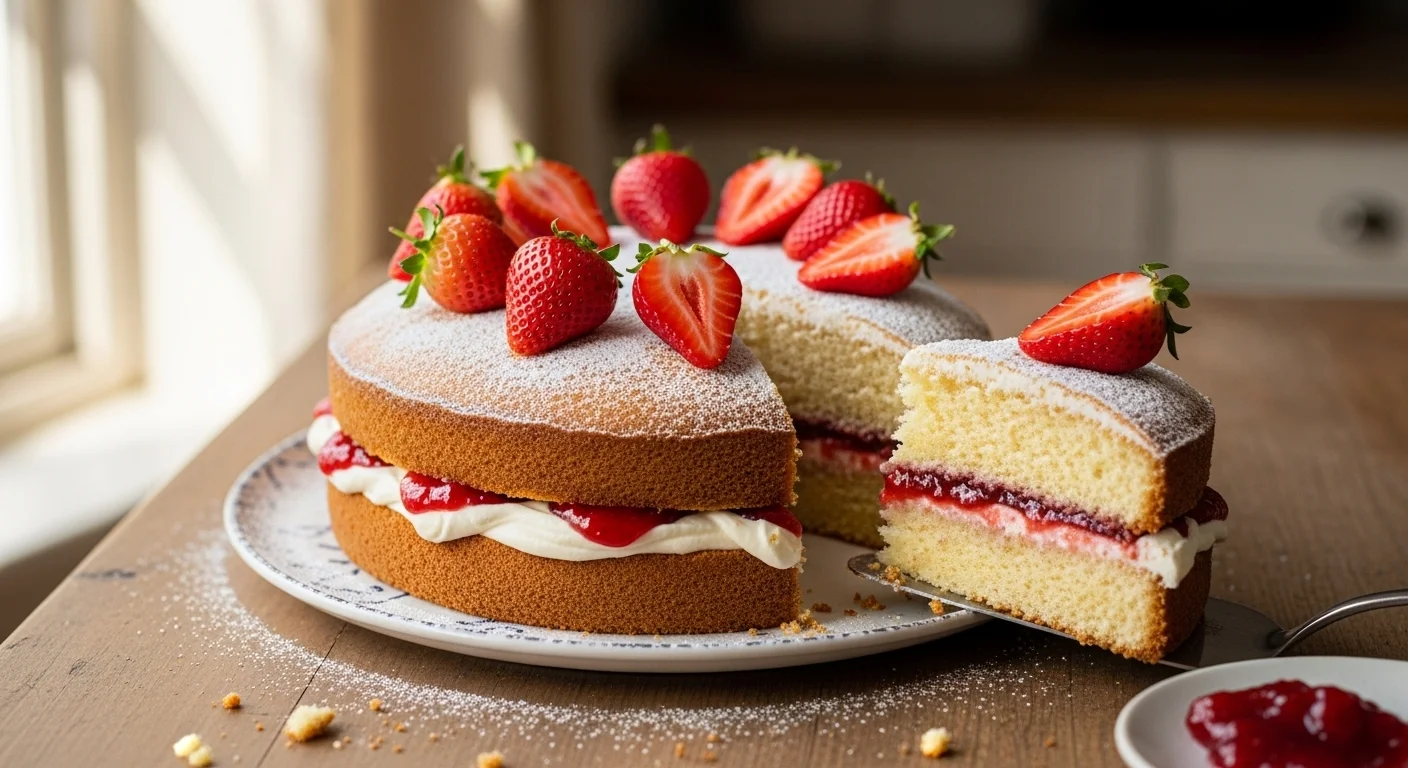
The Victoria Sponge is a timeless British cake that dates back to the Victorian era. Traditionally, it consists of two layers of light sponge cake, sandwiched together with jam and whipped cream, often dusted with powdered sugar on top. This delightful cake is not just about taste; it’s about texture, balance, and a hint of nostalgia. I remember the first time I baked a Victoria Sponge; the smell of vanilla wafting through my kitchen instantly brought a smile to my face. The simplicity of its ingredients makes it approachable, yet it has the potential to be a showstopper.
Key Differences in Vegan Versions
When I first delved into vegan baking, I was skeptical about how a classic like the Victoria Sponge could be adapted without eggs or dairy. However, the beauty of vegan baking lies in its creativity. In a vegan version, we replace traditional ingredients with plant-based alternatives. For example, eggs are often substituted with flaxseed meal, chia seeds, or even a simple banana, which still provides that beloved fluffiness. I’ve found that using plant-based milk and dairy-free butter can yield a sponge that’s just as delicious and satisfying as the original. The key takeaway is that vegan baking doesn’t mean sacrificing flavor or texture—it’s all about finding the right combinations!
Essential Ingredients for Vegan Victoria Sponge
Flour Types
The foundation of any good cake is the flour. For a Vegan Victoria Sponge, all-purpose flour is a common choice, but I’ve enjoyed experimenting with whole wheat flour for a bit more fiber and flavor. Lately, I’ve been intrigued by almond flour, which adds a nice nutty taste and tenderness. However, if you’re going gluten-free, a blend of gluten-free flour can work wonders too. I recommend using a flour that suits your taste and dietary needs while ensuring it provides a good structure to the cake. Check out this gluten-free recipe for more ideas!
Plant-Based Fats
Next up is the fat component, which is crucial for creating that moist texture. Traditional recipes often call for butter, but I’ve had great success with vegan butters. Coconut oil is another favorite of mine; it gives a rich flavor and helps keep the sponge tender. When choosing your plant-based fat, consider the flavor it will impart to your cake. Sometimes, I like to use a mix of coconut oil and vegan butter for a perfect balance of richness without overwhelming coconut taste.
Egg Substitutes
As mentioned earlier, finding the right egg substitute is vital in vegan baking. My go-to is a flaxseed meal or chia seed mix, where I combine one tablespoon of either seed with three tablespoons of water, letting it sit until it gels. This mixture mimics the binding properties of eggs beautifully. I’ve also experimented with applesauce or mashed bananas, which not only bind but also add moisture and sweetness. Each substitute adds its unique flavor, so it’s worth trying a few to see which one you prefer!
Sweeteners and Flavorings
When it comes to sweeteners, I often use organic cane sugar for a clean taste, but sometimes I like to replace part with maple syrup or agave nectar for a richer flavor. Vanilla extract is a must for me, as it elevates the overall taste of the sponge. I’ve even tried adding a bit of almond extract for a twist; it’s a delightful surprise! Don’t forget about the baking powder—this is key for that light, airy texture we all love in a sponge cake.
Finding the right balance of these essential ingredients is what truly makes a Vegan Victoria Sponge stand out. As I’ve baked and tasted different variations, I’ve learned that experimentation is key. Each ingredient plays a pivotal role, and when you find the perfect harmony, you have a cake that can impress anyone, vegan or not. Trust me; your friends and family will be asking for seconds!
The Best Vegan Victoria Sponge Recipe
Step-by-Step Instructions
After all that talk about ingredients, I’m excited to share my favorite Vegan Victoria Sponge recipe with you! It’s a straightforward process that I’ve refined over time. Here’s how to make it:
- Preheat Your Oven: First, preheat your oven to 350°F (175°C). This step is crucial for ensuring your cake rises properly.
- Prepare Your Pans: Grease and line two 8-inch round cake pans with parchment paper. I always use vegan butter or coconut oil to grease the pans, which helps the cakes release easily after baking.
- Mix Dry Ingredients: In a large mixing bowl, combine 1 ½ cups of all-purpose flour, 1 cup of organic cane sugar, 1 ½ teaspoons of baking powder, and a pinch of salt. Whisk them together until they’re well mixed.
- Combine Wet Ingredients: In another bowl, mix together ½ cup of almond milk, ¼ cup of melted coconut oil (or vegan butter), and 1 tablespoon of your flaxseed or chia seed mixture. If you’re using vanilla extract, add 1 teaspoon of it here too.
- Combine Mixtures: Pour the wet ingredients into the dry ingredients and mix gently until just combined. I always remind myself not to overmix—this is key for a light sponge!
- Bake: Divide the batter evenly between the two prepared pans and smooth the tops with a spatula. Bake for 25-30 minutes, or until a toothpick inserted in the center comes out clean.
- Cool: Once baked, let the cakes cool in the pans for about 10 minutes before transferring them to a wire rack to cool completely.
- Assemble: Once the cakes are fully cool, spread a generous layer of your favorite jam (I love raspberry or strawberry) on top of one layer. Then, add a layer of whipped coconut cream or your favorite vegan frosting before placing the second cake on top.
- Decorate: Dust the top with powdered sugar and add fresh fruits like berries or slices of kiwi for a beautiful finish!
This recipe has always been a hit at gatherings, and it’s so easy to adapt based on what you have on hand or what flavors you love. I often find myself enjoying a slice with a cup of tea—it’s pure bliss!
Tips for Perfecting the Sponge
Throughout my baking journey, I’ve learned a few tricks that can really elevate a Vegan Victoria Sponge:
- Room Temperature Ingredients: Using room temperature ingredients helps create a smoother batter, which leads to a lighter cake. I usually take my vegan butter and almond milk out of the fridge an hour before I start baking.
- Don’t Overmix: As I mentioned earlier, overmixing can lead to a dense cake. I gently fold the batter until there are no dry spots, and then I stop. Trust me, less is more!
- Check for Doneness: Ovens can vary, so it’s good to start checking your cakes a few minutes before the timer goes off. Look for a golden-brown color and a springy texture when you gently press the top.
- Let it Cool Completely: I know it’s hard to resist digging in, but let your cakes cool completely before icing them. This prevents the frosting from melting and sliding off.
These tips have really helped me nail this recipe, and I hope they do the same for you. There’s nothing quite like the feeling of pulling a perfectly baked cake out of the oven and sharing it with friends and family!
Variations on the Classic Recipe
Fruit Additions
One of the things I love about a Vegan Victoria Sponge is how versatile it can be. Adding fruit can bring a burst of freshness and flavor. For instance, I often fold in some chopped strawberries or blueberries into the batter for a fruity twist. You could also layer thin slices of fresh fruit between the cake layers along with the jam for added texture and a pop of color. I remember one summer, I made a peach version that was absolutely delightful!
Cocoa and Chocolate Versions
If you’re a chocolate lover like me, you might want to try a chocolate twist on this classic. Simply substitute about ¼ cup of flour with cocoa powder in the original recipe. This gives a rich flavor without compromising the sponge’s lightness. To take it up a notch, I sometimes add vegan chocolate chips into the mix for extra decadence! Check out this brownie recipe for more chocolate inspiration.
Gluten-Free Options
For those who need or prefer gluten-free options, I’ve found that a blend of gluten-free flour works just as well. Just make sure to add a bit of xanthan gum to help with the texture. I’ve had great success with a store-bought gluten-free blend that contains almond flour and coconut flour; it keeps the cake moist and fluffy. My gluten-free friends are always surprised by how delicious it turns out!
Serving Suggestions and Pairings
Best Accompaniments
When it comes to serving a Vegan Victoria Sponge, I believe that the right accompaniments can elevate the experience to a whole new level. Personally, I love serving it alongside a cup of freshly brewed tea. There’s something about that classic pairing that just feels right. You can also serve it with a dollop of coconut whipped cream or a scoop of dairy-free ice cream, especially on warm days. I’ve even drizzled some vegan chocolate sauce over the top for an extra treat—trust me, it’s a game changer!
If you want to get a bit fancy, consider adding a fresh fruit compote on the side. A simple mix of berries cooked down with a bit of sweetener and lemon juice creates a fantastic sauce to drizzle over each slice. It adds a burst of flavor and makes your dessert feel a bit more gourmet. I remember taking this approach for a small gathering, and my guests couldn’t stop raving about the vibrant flavors!
Presentation Tips for Special Occasions
Presentation is just as important as taste, in my opinion. When I’m making a Vegan Victoria Sponge for a special occasion, I always try to make it visually appealing. Start with a clean, elegant cake stand; it instantly makes any cake look more impressive. I like to dust the top with powdered sugar just before serving, which adds a lovely touch. Sometimes, I even use a stencil to create beautiful patterns on top!
Fresh fruit is my go-to for decoration. I often top the cake with an assortment of berries or slices of kiwi and a few mint leaves for a pop of color. It not only looks stunning but also hints at the fresh flavors waiting within the cake. I remember one birthday party where I made a rainbow version, layering each cake with a different fruit; it was a hit and added a touch of fun to the celebration!
Another idea is to serve individual slices on pretty plates with a small sprig of mint on top; it adds an elegant touch. For a more rustic vibe, you could place the cake on a wooden board with some fresh fruits scattered around it. Whatever your choice, a little effort in presentation can make your Vegan Victoria Sponge feel extra special.
Common Mistakes to Avoid
Overmixing the Batter
One of the most common pitfalls I’ve encountered while baking is overmixing the batter. It’s so easy to get carried away, especially when you’re excited about the cake coming together. However, I’ve learned that overmixing can lead to a dense and tough sponge instead of the light and airy texture we all desire. I always remind myself to mix until just combined. I like to fold the ingredients gently, allowing them to unite without losing all that precious air.
To make things easier, I’ve found it helpful to use a spatula instead of a whisk for the final mixing phase. This way, I can control the mixing better and ensure I’m keeping that fluffiness intact. It’s all about being gentle and giving your cake the love it deserves!
Incorrect Baking Times
Another area where I’ve made mistakes is in judging baking times. Each oven is different, and I’ve learned the hard way that just because a recipe says 25-30 minutes doesn’t mean my cake will bake in exactly that time. I’ve burnt my fair share of cakes trying to stick too closely to the clock. Now, I always start checking for doneness a few minutes earlier than the suggested time. I look for a golden-brown top and a springy touch when I gently press down on the center.
Using a toothpick is a classic method, and I often insert it into the center of the cake. If it comes out clean or with just a few crumbs stuck to it, I know it’s ready. It’s better to check too early than too late! Trust me, your Vegan Victoria Sponge will thank you for the attention.
Frequently Asked Questions (FAQs)
Can I make this recipe nut-free?
I completely understand the concerns about nut allergies, as I’ve had friends who have specific dietary restrictions. Fortunately, making a Vegan Victoria Sponge nut-free is definitely possible! You can simply replace almond milk with oat milk or any other nut-free plant-based milk. For the plant-based fats, make sure to choose a vegan butter that doesn’t contain any nut ingredients. I’ve even successfully used sunflower oil instead of coconut oil for a neutral flavor. It’s all about swapping ingredients while keeping an eye on texture and moisture!
How to store leftover cake?
Storing leftover Vegan Victoria Sponge is quite straightforward. I usually cover the cake with a cake dome or wrap it in plastic wrap to keep it fresh. If I’ve already sliced it, I place a piece of parchment paper between the slices to prevent them from sticking together. In the fridge, it lasts about 3-4 days, though I doubt it will last that long in my house! If you need to keep it longer, you can freeze it. I recommend freezing individual slices wrapped tightly in plastic wrap and then placing them in a freezer bag. This way, when the craving hits, I can pull out just what I need!
Can I freeze the sponge?
Absolutely! Freezing the sponge is a great way to prepare ahead of time. I like to bake the cakes, let them cool completely, and then wrap each layer tightly in plastic wrap. After that, I place them in a freezer-safe bag or container. When I’m ready to use them, I just let them thaw in the fridge overnight, and they’re good to go. I’ve found that freezing doesn’t compromise the texture or flavor much at all, so it’s a fantastic option if you want to enjoy a slice later!
Why Choose Vegan Baking?
Health Benefits of Vegan Ingredients
When I transitioned to vegan baking, I was pleasantly surprised to discover the health benefits that came along with it. Using plant-based ingredients often means fewer saturated fats and cholesterol, which is great for heart health. I’ve found that incorporating fruits, nuts, and whole grains not only makes my baking healthier but also adds exciting flavors and textures. Plus, by using natural sweeteners like maple syrup or agave nectar, I can cut back on refined sugars. I feel good about what I’m putting into my body, and that’s a rewarding feeling.
Environmental Impact of Vegan Baking
On top of the health benefits, I’ve learned that vegan baking is kinder to our planet. The environmental footprint of animal agriculture is significant, so by choosing plant-based options, I feel like I’m doing my part in reducing that impact. It’s empowering to know that by opting for vegan ingredients, I’m supporting sustainable practices. When I bake with local fruits or organic ingredients, it adds another layer of satisfaction, knowing that I’m making choices that benefit not just myself but the environment too.
Final Thoughts
Creating a Vegan Victoria Sponge has been a delightful journey filled with experimentation and joy. I’ve loved every moment of finding the perfect combinations of flavors and textures. Whether it’s for a special occasion or just a cozy afternoon tea, I believe this cake brings happiness to everyone who tries it. I encourage you to embrace the process, have fun with variations, and share it with those you love. This cake isn’t just a dessert; it’s a celebration of creativity, health, and togetherness. So, grab your ingredients, and let your baking adventure begin! I can’t wait to hear about your experiences with this vegan classic!
Frequently Asked Questions
What is a Vegan Victoria Sponge?
A Vegan Victoria Sponge is a plant-based version of the classic British cake, traditionally made with two layers of sponge cake sandwiched with jam and whipped cream. It is light, fluffy, and suitable for everyone, regardless of dietary choices.
What are the key differences in Vegan versions of the Victoria Sponge?
In vegan baking, traditional ingredients are replaced with plant-based alternatives. For example, eggs can be substituted with flaxseed meal, chia seeds, or bananas, and dairy can be replaced with plant-based milk and vegan butter, ensuring the cake retains flavor and texture.
What types of flour can I use for a Vegan Victoria Sponge?
All-purpose flour is a common choice for a Vegan Victoria Sponge, but whole wheat flour can add more fiber and flavor. Almond flour is another option for a nutty taste, and for gluten-free versions, a blend of gluten-free flour can be used.
What are some common egg substitutes in vegan baking?
Common egg substitutes include a mixture of flaxseed meal or chia seeds combined with water to create a gel-like consistency. Applesauce and mashed bananas are also effective substitutes that add moisture and sweetness.
What sweeteners and flavorings can I use in a Vegan Victoria Sponge?
Organic cane sugar is often used for a clean taste, but you can also substitute part of it with maple syrup or agave nectar for added flavor. Vanilla extract is essential, and almond extract can be added for a unique twist.
How do I store leftover Vegan Victoria Sponge?
Leftover Vegan Victoria Sponge can be stored by covering it with a cake dome or wrapping it in plastic wrap. If sliced, placing parchment paper between the slices helps prevent sticking. It lasts about 3-4 days in the fridge and can be frozen for longer storage.
Can I freeze a Vegan Victoria Sponge?
Yes, freezing a Vegan Victoria Sponge is possible. Bake and cool the cakes completely, then wrap each layer tightly in plastic wrap and place them in a freezer-safe bag. When ready to use, thaw them in the fridge overnight.
What are the health benefits of vegan baking?
Vegan baking often includes fewer saturated fats and cholesterol, which benefits heart health. Utilizing fruits, nuts, and whole grains enhances nutritional value while natural sweeteners like maple syrup reduce refined sugar intake.
What is the environmental impact of vegan baking?
Vegan baking is generally kinder to the planet as it reduces the environmental footprint associated with animal agriculture. Choosing plant-based ingredients supports sustainable practices and can contribute to a healthier environment.
What tips can help perfect a Vegan Victoria Sponge?
To perfect a Vegan Victoria Sponge, use room temperature ingredients, avoid overmixing the batter, check for doneness a few minutes early, and let the cakes cool completely before icing them to ensure a light texture and prevent melting frosting.