
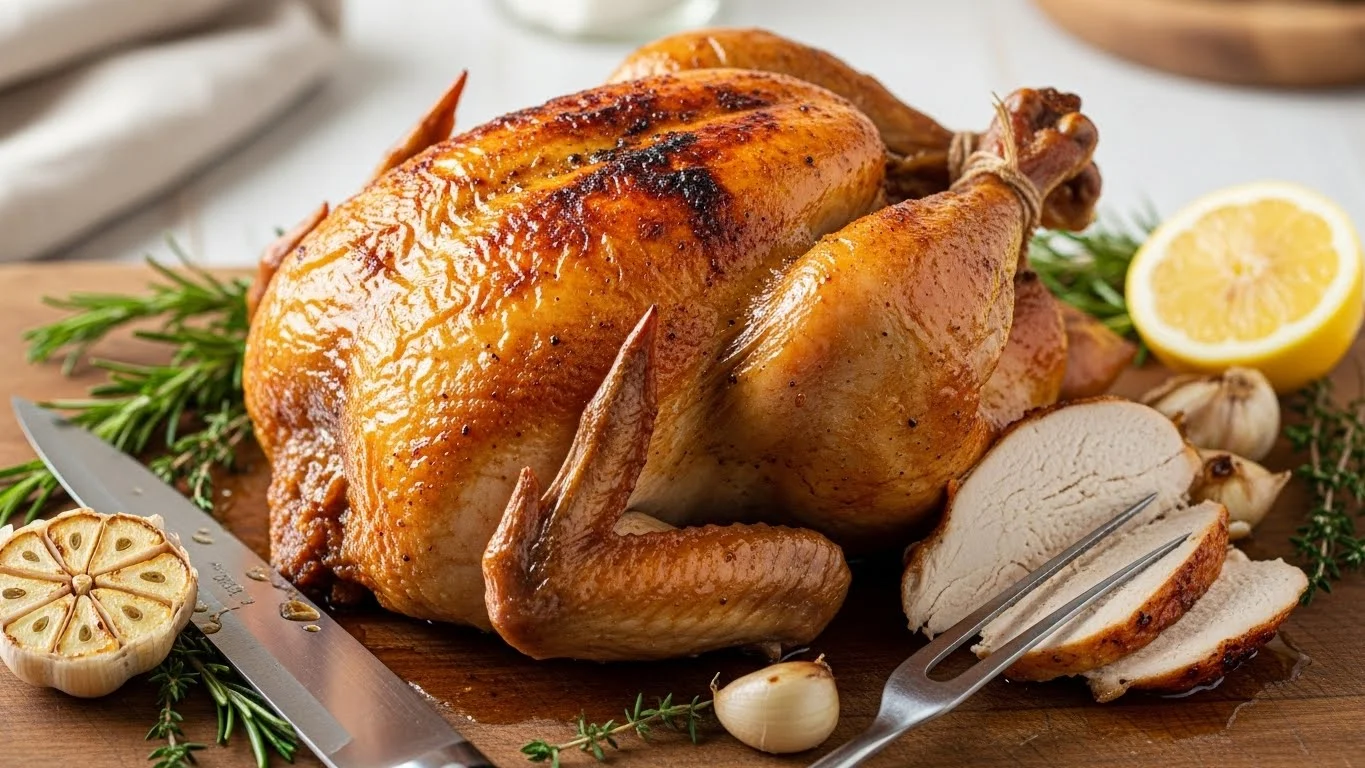
Cooking a whole chicken in an air fryer is one of the most rewarding culinary experiences I’ve had. It yields a juicy, tender bird with wonderfully crispy skin that rivals traditional roasting methods. Let’s dive into the world of air fryers and why they’re perfect for this dish!
Understanding Air Fryers
When I first heard about air fryers, I was skeptical. Could a small appliance really replicate the crispy goodness of fried food? I soon discovered that these magical machines do more than just frying; they revolutionize how we cook. Understanding how air fryers work and what makes them so great can enhance our cooking adventures!
How Air Fryers Work
Air fryers use a technology called rapid air circulation. This means that hot air is circulated around the food at high speeds, creating a crispy exterior while keeping the inside juicy. I remember the first time I used my air fryer; I was amazed at how quickly it preheated and began cooking. The air fryer essentially mimics the effects of deep frying but uses far less oil. It’s like having a mini convection oven that fits right on your countertop!
Benefits of Using an Air Fryer
The benefits of using an air fryer are numerous and compelling. For one, it cooks food faster than traditional methods, which is a game-changer for busy weeknights. I love how I can have a whole chicken ready in less time than it would take to roast it in the oven. The crispy texture is another major perk; it gives that delightful crunch without excess oil. Plus, cleaning the air fryer is typically easier than dealing with pots and pans splattered with grease. I’ve found that it encourages me to experiment more in the kitchen, trying out new recipes I wouldn’t have considered before! For instance, pairing your chicken with savory air fryer mushrooms makes for a delicious meal!
Common Air Fryer Features
Air fryers come with various features that make them user-friendly and efficient. Some models have preset cooking modes, which I find helpful when I’m trying out a new recipe. Others include a rotisserie function, which is perfect for cooking whole chickens evenly. The adjustable temperature settings allow us to customize our cooking experience, ensuring our chicken is cooked to perfection every time. Additionally, many air fryers come with accessories like baking pans and racks, enhancing their versatility. I remember the first time I used a rack to elevate my chicken; it allowed for even better airflow and crispiness!
Choosing the Right Whole Chicken
When it comes to air frying a whole chicken, choosing the right bird can make all the difference. I’ve learned that not all chickens are created equal, and the type you select can impact taste and texture significantly.
Types of Whole Chickens (Organic, Free-range, etc.)
There are several types of whole chickens to choose from, including organic, free-range, and conventional. Organic chickens are raised without antibiotics or hormones, which I appreciate for health reasons. Free-range chickens often have a better flavor because they are allowed to roam and forage. I recently tried a free-range chicken, and the difference in flavor was remarkable! Conventional chickens are usually less expensive, but I’ve found that investing in higher-quality poultry often pays off in taste.
Size Considerations for Air Frying
Size matters when it comes to air frying whole chickens. I’ve discovered that a chicken that weighs between 3 to 4 pounds fits perfectly in most air fryer baskets. If the chicken is too large, it won’t cook evenly, and if it’s too small, it may not provide enough servings for our family. I remember the first time I tried to fit a 5-pound chicken into my air fryer; I was disappointed to find it wouldn’t fit! Always check your air fryer’s capacity to ensure you choose the right size.
Fresh vs. Frozen Chicken
Another consideration is whether to use fresh or frozen chicken. While I’ve cooked both, I’ve found that fresh chickens yield better results in terms of flavor and juiciness. Frozen chickens require longer cooking times and need to be thawed properly to ensure even cooking. I once tried to cook a frozen chicken straight from the freezer, and it didn’t turn out as well as I hoped. It’s best to plan ahead and allow the chicken to thaw in the refrigerator overnight before air frying.
Essential Ingredients for the Recipe
Now that we’ve covered air fryers and how to choose the right chicken, let’s talk about the essential ingredients that will make our air fryer whole chicken shine!
Essential Ingredients for the Recipe
Now that we’ve covered air fryers and how to choose the right chicken, let’s talk about the essential ingredients that will make our air fryer whole chicken shine! I’ve found that the right seasonings and cooking fats can elevate the dish from simple to spectacular.
Recommended Seasonings and Marinades
Seasoning is where the magic truly happens. I like to keep it simple with a blend of salt, pepper, garlic powder, and paprika. This basic mix enhances the chicken’s natural flavors without overwhelming them. If you’re feeling adventurous, you can create your own marinade. I once marinated a chicken in a mix of olive oil, lemon juice, minced garlic, and fresh herbs like rosemary and thyme, and it was absolutely divine! The marinade penetrates the meat, making it flavorful and juicy. I recommend letting the chicken marinate for at least an hour—or even overnight if you have the time. It’s worth the wait! You can also try serving it with crispy air fryer taquitos for a delightful meal!
Butter vs. Oil for Crispy Skin
When it comes to achieving that coveted crispy skin, I’ve experimented with both butter and oil. Both have their merits, but I personally lean towards butter for its rich flavor. I usually rub softened butter all over the chicken skin before seasoning. The fat from the butter helps to create a golden, crispy exterior, and the taste is heavenly. However, if you prefer a lighter option or want to avoid dairy, olive oil is an excellent alternative. It still provides that nice crispiness, and it’s also healthier. I’ve even blended the two for a combination of flavors!
Optional Flavor Enhancements (Herbs, Citrus, etc.)
To take flavor to the next level, I love adding fresh herbs and citrus. Stuffing the cavity of the chicken with lemon halves, garlic cloves, and sprigs of rosemary or thyme infuses the meat with a fragrant aroma as it cooks. I remember the first time I tried this; the house smelled incredible, and the chicken turned out so flavorful! You can also experiment with different herbs based on what you have on hand or what flavors you enjoy. I’ve tried dill, sage, and even a bit of chili powder for a kick. The possibilities are endless, and it’s a fun way to customize the dish to your taste!
Preparation Steps for Air Fryer Whole Chicken
Getting your chicken ready for the air fryer is crucial for achieving the best results. I’ve learned that taking a few extra minutes to prepare properly can make a world of difference.
Cleaning and Preparing the Chicken
First things first, I always make sure to clean the chicken properly. I rinse it under cold water and pat it dry with paper towels. This step is important because any excess moisture can interfere with achieving that crispy skin. After drying, I remove any giblets that might be inside; I’ve found that they can be left behind sometimes. Once that’s done, I like to trim any excess fat, ensuring we have a clean canvas to work with.
Seasoning Techniques for Maximum Flavor
After preparing the chicken, it’s time to season! I generously rub the seasoning blend all over the chicken, making sure to get into all the nooks and crannies. I also don’t forget to season the inside of the cavity. I’ve found that seasoning every part of the chicken ensures it’s flavorful throughout. If you’re using a marinade, now is the time to apply it, making sure it coats the chicken evenly. I typically let it sit for at least 30 minutes to absorb all those wonderful flavors; if I’m marinating overnight, I keep it covered in the fridge.
Preparing the Air Fryer for Cooking
While the chicken is marinating, I prepare the air fryer. I preheat it to the recommended temperature, usually around 360°F. Preheating is essential because it helps to create that initial sizzle when the chicken goes in, aiding in crisping the skin. I also check the basket to ensure it’s clean and ready to go. Sometimes I line the bottom with foil for easier cleanup, but make sure not to block the air circulation. I’ve learned the hard way that airflow is key to even cooking!
Cooking Process: Step-by-Step Instructions
We’re getting to the exciting part—cooking the chicken! I can’t help but feel a rush of anticipation every time I place that seasoned bird into the air fryer.
Setting Up the Air Fryer Temperature and Time
Once the air fryer is preheated, I carefully place the chicken in the basket. I usually set the timer for about 45 minutes, but this can vary depending on the size of the chicken. I’ve found that checking it halfway through is a good practice to ensure it’s browning evenly. If you notice one side getting darker, you can always rotate it for even cooking!
Cooking Techniques for Juiciness and Crispiness
To keep the chicken juicy, I like to keep the skin facing up and avoid opening the air fryer too often. The hot air needs to circulate, and every time I open it, I lose that precious heat. I also don’t hesitate to baste it with its own juices halfway through if I feel it needs an extra boost of flavor, which I find makes a huge difference.
Flipping and Basting for Even Cooking
As I approach the end of the cooking time, I check on the chicken. Depending on how it’s looking, I might carefully flip it over for the last few minutes to ensure the bottom crisps up as well. This is where I get to be a little creative; sometimes, I’ll brush it with a bit more butter or oil right before the last few minutes. The result is a beautifully golden-brown chicken that looks as good as it tastes! You can also enjoy it alongside crispy air fryer pork belly for a decadent treat!
Checking for Doneness
After the excitement of cooking, I always find myself in a little bit of suspense as the timer counts down. Ensuring that the chicken is cooked thoroughly is crucial, and I’ve learned a few handy tips to check for doneness without cutting into the bird too soon.
Using a Meat Thermometer
One of the best tools I’ve added to my kitchen arsenal is a reliable meat thermometer. I can’t stress enough how handy this little gadget is! I insert it into the thickest part of the chicken, usually the breast, ensuring it doesn’t touch the bone. I aim for an internal temperature of 165°F. Once I see that number, I know the chicken is safely cooked. The first time I used a thermometer, I was amazed at how much confidence it gave me in ensuring my chicken was juicy and safe to eat. It’s a simple step that takes the guesswork out of cooking!
Signs of a Perfectly Cooked Chicken
If you don’t have a thermometer on hand, there are some visual cues to look for. I’ve learned that the juices running from the chicken should be clear, not pink. If I poke the thigh, the juice should run clear as well. I also check the skin; it should be beautifully golden brown and crispy. Another tip is to wiggle the leg; it should move freely if the chicken is cooked through. By keeping an eye on these signs, I’ve successfully avoided the dreaded undercooked chicken dilemma more times than I can count.
Serving Suggestions
Once the chicken is cooked to perfection, it’s time to think about how to serve it. I love creating a meal that looks as good as it tastes, and there are plenty of sides and presentation tips that can elevate our dining experience.
Side Dishes that Pair Well
For me, side dishes can make or break a meal. I’ve found that roasted vegetables, like carrots, Brussels sprouts, or potatoes, complement the chicken beautifully. The flavors meld together, and the colors on the plate are just stunning! A simple salad with fresh greens, tomatoes, and a light vinaigrette also works wonders, providing a refreshing contrast to the rich flavors of the chicken. I often whip up some garlic mashed potatoes or creamy coleslaw, depending on my mood. It’s amazing how the right sides can enhance the overall dining experience!
Presentation Tips for Family Meals
I can’t help but feel proud when I serve a beautifully roasted chicken to my family. To present it nicely, I like to carve the chicken at the table, showcasing that golden skin. Sometimes I’ll garnish it with fresh herbs like parsley or rosemary for an extra pop of color. Another trick I’ve learned is to arrange the sides around the chicken on a large platter, creating an inviting spread that catches everyone’s eye. It makes the meal feel special, and I love seeing the smiles on my family’s faces as they dig in!
Storing Leftovers: Best Practices
Leftovers are a wonderful perk of cooking a whole chicken, but I’ve learned that proper storage is key to maintaining their deliciousness. After the meal, I let any leftovers cool down to room temperature before transferring them to an airtight container. I usually portion them out for easy reheating later. If I’m storing the chicken for more than a couple of days, I’ll freeze the pieces to preserve the flavor and texture. I’ve found that labeling the containers with dates helps me keep track of what I have in the freezer. It’s such a relief to have leftovers ready for a quick meal on busy nights!
Common Troubleshooting Tips
Even with the best intentions, things don’t always go as planned in the kitchen. I’ve had my share of hiccups while air frying whole chickens, so I’d like to share some troubleshooting tips I’ve picked up along the way.
What to Do If the Skin Isn’t Crispy
If I find that my chicken skin isn’t as crispy as I hoped, I’ve discovered a couple of quick fixes. First, I check if I used enough oil or butter; a light coat helps achieve that golden crisp. I’ve also learned that increasing the air fryer’s temperature for the last few minutes can help get that crunchy finish. Another tip is to let the chicken rest for a few minutes after cooking; this allows the juices to redistribute and can help improve the texture of the skin.
Solutions for Overcooking or Undercooking
We’ve all been there—overcooked chicken can be dry and unappetizing, while undercooked chicken is a food safety risk. If I accidentally overcook my chicken, I’ve found that adding a splash of broth or a sauce during reheating can help bring back some moisture. On the other hand, if it’s undercooked, I simply pop it back into the air fryer for a few more minutes. I like to keep an eye on it and check the temperature again until it reaches that safe 165°F.
Addressing Common Air Fryer Issues
Sometimes, my air fryer has its quirks. If I notice smoke during cooking, it might be due to excess fat dripping onto the heating element. To prevent this, I’ve started placing a small amount of water in the bottom of the basket, which helps catch any drips and reduces smoke. If the chicken is cooking unevenly, I’ve learned to rotate it halfway through to ensure every part gets that perfect airflow. These little adjustments have made a significant difference in my cooking experience!
Frequently Asked Questions
What are the benefits of using an air fryer for cooking a whole chicken?
Air fryers cook food faster than traditional methods, yielding a crispy texture without excess oil. They are also easier to clean compared to conventional pots and pans, and they encourage experimentation with new recipes.
What types of whole chickens are best for air frying?
When selecting a whole chicken for air frying, consider types such as organic, free-range, and conventional. Organic chickens are raised without antibiotics or hormones, while free-range chickens often have better flavor. Conventional chickens tend to be cheaper but may not offer the same taste as higher-quality options.
What size chicken is ideal for air frying?
A chicken that weighs between 3 to 4 pounds fits perfectly in most air fryer baskets. Choosing the right size is important to ensure even cooking; larger chickens may not fit, while smaller ones may not provide enough servings.
Is it better to use fresh or frozen chicken in an air fryer?
Fresh chickens yield better flavor and juiciness compared to frozen ones, which require longer cooking times and proper thawing. It is advisable to thaw frozen chickens in the refrigerator overnight before cooking.
What are some recommended seasonings for air fryer whole chicken?
A simple seasoning blend of salt, pepper, garlic powder, and paprika enhances the chicken’s natural flavors. Additionally, marinating the chicken in olive oil, lemon juice, minced garlic, and fresh herbs can elevate the dish even further.
How can I achieve crispy skin on my air fryer chicken?
To achieve crispy skin, rub softened butter or oil all over the chicken before seasoning. Preheating the air fryer and ensuring proper airflow during cooking are also essential for crispiness.
What steps should I follow to prepare the chicken for air frying?
First, clean the chicken by rinsing and patting it dry. Remove any giblets and trim excess fat. Then, season the chicken generously, including the cavity, and let it marinate for at least 30 minutes or overnight for better flavor absorption.
How can I check for doneness when cooking a whole chicken?
Using a meat thermometer is the best method; ensure it reaches an internal temperature of 165°F. If a thermometer is not available, check that the juices run clear and that the skin is golden brown and crispy. Wiggle the leg to see if it moves freely as an additional check for doneness.
What should I do if the chicken skin isn’t crispy after cooking?
If the skin isn’t crispy, check if enough oil or butter was used. Increasing the air fryer’s temperature for the last few minutes can help. Letting the chicken rest for a few minutes after cooking can also improve skin texture.
How do I properly store leftovers from my air fryer chicken?
Let leftovers cool to room temperature, then transfer them to an airtight container. Portioning them out can help with reheating later. For longer storage, freeze the pieces and label containers with dates to keep track of their freshness.