
Moroccan chickpea stew is taking the culinary world by storm, and for good reason. With its rich flavors and vibrant ingredients, this dish feels indulgent without breaking the bank. Read Interesting article: The Complete 4-Week Healthy Meal Plan for Beginners
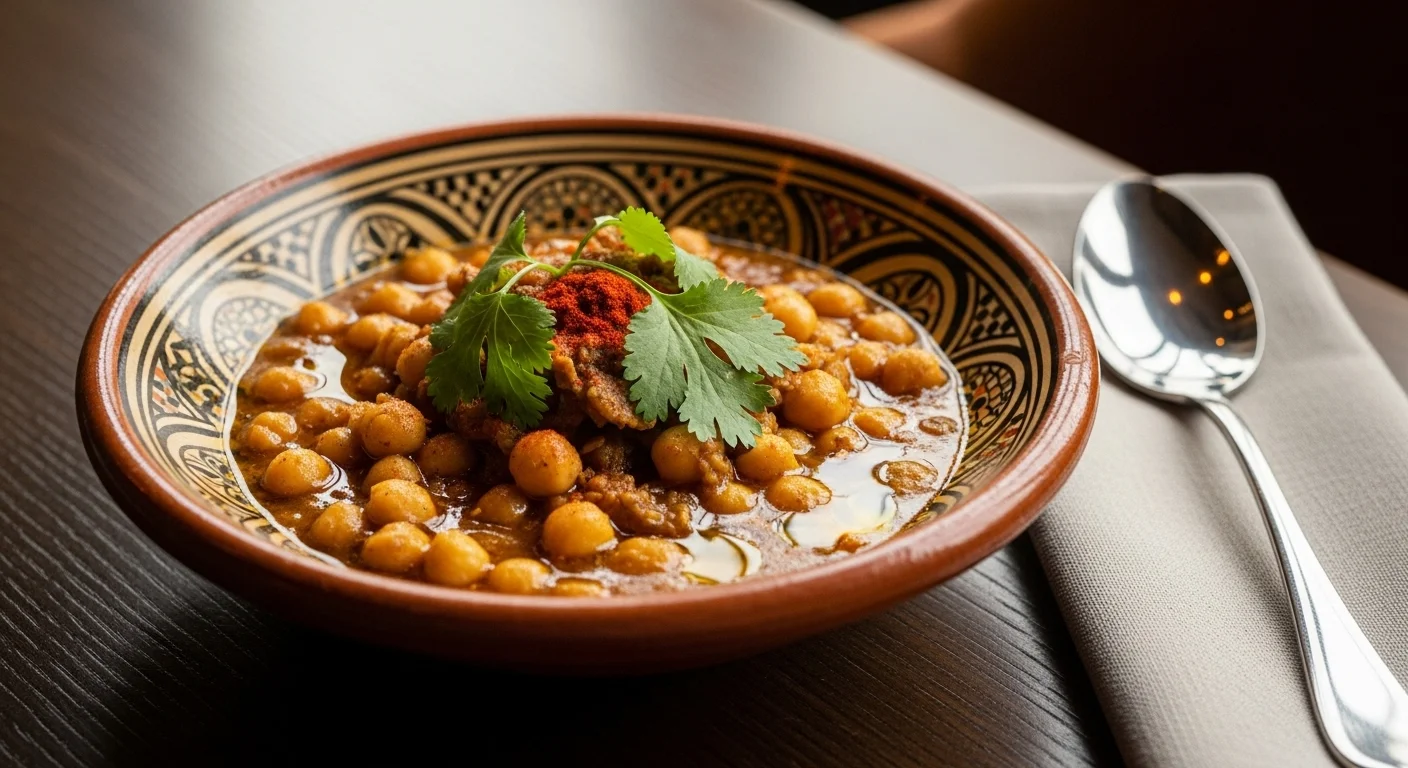
The Allure of Moroccan Chickpea Stew
When I first stumbled upon Moroccan chickpea stew, it was a game-changer for me. I remember browsing through social media, and suddenly, my feed was filled with images of this colorful, aromatic dish. The vibrant hues of turmeric, paprika, and fresh herbs practically jumped off the screen. I could almost smell the spices wafting through my kitchen, and I knew I had to try making it myself. Little did I know, this dish would soon become a staple in my home.
What Makes It Special?
At its core, Moroccan chickpea stew is a fusion of flavors and textures. Chickpeas, the star of the dish, are packed with protein and provide a hearty base. I’ve always loved how versatile chickpeas can be; they soak up flavors beautifully. The stew is typically enriched with a blend of spices, including cumin, coriander, and cinnamon. I find that these spices add warmth and depth, making each spoonful feel like a hug in a bowl.
One thing I particularly appreciate about this stew is its adaptability. You can customize it based on what you have on hand or what you’re in the mood for. I remember the first time I made it, I threw in some sweet potatoes and spinach. The sweet potatoes added a touch of sweetness, while the spinach brought a lovely green freshness. The result was a bowl of comfort that felt fancy yet approachable.
Ingredients That Elevate the Experience
When I prepare Moroccan chickpea stew, I like to gather a medley of fresh vegetables and herbs. Carrots, bell peppers, and zucchini are common additions, but I’ve also experimented with eggplant and even kale. The idea is to have a colorful array of ingredients that not only looks appealing but also provides a variety of flavors and nutrients. I’ve learned that the more colorful my plate, the more satisfying my meal feels.
Now, let’s talk about spices. The spice blend is crucial in this dish, and I recommend investing in high-quality spices if you can. I’ve noticed a significant difference when I use fresh spices versus old, stale ones. The aroma that fills my kitchen while cooking is intoxicating! I usually start by sautéing onions and garlic in olive oil, allowing them to soften and release their natural sweetness. Then, I add my spices, letting them toast for a moment before adding the chickpeas and vegetables. The sizzle alone is enough to make my mouth water.
Cooking Techniques
One of the things I love about this stew is that it’s a one-pot wonder. I’m all about easy cleanup and minimal fuss in the kitchen. I usually start by heating some olive oil in a large pot, then adding my onions, garlic, and spices to build that base flavor. Once everything is fragrant, I toss in my chickpeas and diced vegetables, followed by a can of diced tomatoes and some vegetable broth. The stew simmers for about 30 minutes, allowing all the flavors to meld together beautifully. I often find myself sneaking tastes along the way, and each time I do, I’m reminded of how simple ingredients can create such a complex dish.
The Perfect Pairings
Serving Moroccan chickpea stew is where the fun really begins. I usually like to pair it with fluffy couscous or warm crusty bread. The couscous absorbs the stew’s flavors, and it’s a delightful way to enjoy every last drop. On the other hand, good bread is perfect for dipping. I remember one evening, I had friends over for dinner, and I made a big pot of stew. We gathered around the table, bread in hand, and it became a communal feast. Everyone was digging in, sharing stories, and savoring the meal together. It’s moments like these that make cooking so rewarding. Read Interesting article: 12 Healthy Dinners That Heartily Satisfy
Why It Feels Luxurious
There’s something about Moroccan chickpea stew that feels luxurious, despite its humble ingredients. Maybe it’s the exotic spices or the way the colors pop when plated. For me, every bite feels like a celebration. I often find myself dreaming about the next time I can make it. It’s a dish that invites creativity; every time I make it, I try something new, whether it’s a different vegetable or an extra sprinkle of herbs on top. I feel like a gourmet chef in my own kitchen, and I believe that’s what makes this stew special.
In a world where we’re constantly bombarded with expensive dining options, Moroccan chickpea stew offers a delightful escape. It’s proof that you can enjoy a dish that tastes like it belongs in a high-end restaurant without the hefty price tag. I think that’s something we can all appreciate, especially when cooking at home has become even more appealing in recent years. The trend is not just about the food; it’s about the experience, the flavors, and the stories we create around the table.
Variations to Explore
One of the things I love about Moroccan chickpea stew is how much room there is for creativity. After I made the classic version a few times, I started to explore variations that kept the essence of the dish while adding my own twist. I remember one evening when I had a craving for something a little spicier. So, I decided to add some diced jalapeños and a pinch of cayenne pepper. The heat complemented the spices beautifully and gave the stew an exciting kick that made it even more enjoyable.
I’ve also experimented with adding different legumes. One time, I had a can of lentils sitting in my pantry, so I tossed them in along with the chickpeas. The result was a heartier stew with a lovely texture. I think it’s so important to adapt recipes based on what’s available or what you’re in the mood for. You can even try using black beans for a different flavor profile! It’s a reminder that cooking is not about perfection; it’s about making something delicious that you enjoy.
Seasonal Ingredients
Another fantastic way to keep this stew fresh is by using seasonal ingredients. I love visiting my local farmers’ market, where I often find unique vegetables that inspire me. In the summer, I might add in some fresh corn or zucchini, and in the fall, I’ll use butternut squash or pumpkin. Each season brings its own bounty, and I’ve found that using what’s in season not only enhances the flavor but also makes me feel more connected to the food I’m preparing.
One memorable experience was when I made a fall-inspired Moroccan chickpea stew with roasted butternut squash and kale. The squash added a sweet, nutty flavor, while the kale provided a great contrast in texture. I remember serving it with a sprinkle of pomegranate seeds on top for a pop of color and acidity. Those little bursts of tartness were the finishing touch that elevated the dish and made it feel special. It was a perfect reminder of how seasonal cooking can be both fun and rewarding.
A Vegan Delight
For anyone following a plant-based diet, Moroccan chickpea stew is a dream come true. I’ve had friends who are vegan rave about how satisfying this dish is. The chickpeas provide enough protein to make it a complete meal, while the spices and vegetables create a flavor explosion that’s hard to resist. I remember cooking for a vegan friend who was skeptical about whether I could make a filling dish without meat. After one bite, he was pleasantly surprised and even asked for the recipe!
If you’re looking to make it even more nutrient-dense, consider adding a handful of leafy greens, like spinach or Swiss chard, towards the end of the cooking process. They wilt down beautifully and offer a burst of color and nutrients without altering the flavor too much. I’ve found that even the pickiest eaters can appreciate a well-seasoned bowl of stew, especially when paired with something like warm pita bread for dipping.
Meal Prep Friendly
One of the aspects I appreciate most about Moroccan chickpea stew is its meal prep potential. I often make a big batch on Sundays to ensure I have cozy lunches ready for the week. It keeps well in the fridge for several days, and the flavors only get better as it sits. I like to portion it out in glass containers, and it’s such a joy to pull one out for lunch. Just a quick reheat, and I’ve got a delicious meal waiting for me.
Sometimes, I’ll even freeze portions for later. There’s something so comforting about knowing that on a busy day, I can have a homemade meal ready in a matter of minutes. I’ve found that meals like this are not only practical but also help me feel connected to my cooking, no matter how hectic life gets. Plus, it’s a great way to save money and avoid those tempting takeout options.
Sharing the Experience
One of the best parts of cooking Moroccan chickpea stew is sharing it with friends and family. I remember hosting a dinner party where I made a large pot and paired it with some homemade flatbreads. As everyone gathered around the table, the atmosphere was filled with laughter and excitement. I encouraged everyone to serve themselves and share their thoughts on the flavors and textures. It was heartwarming to see how a simple dish could bring people together and spark conversations.
After the meal, we shared stories about our favorite comfort foods and tried to guess the spices I used in the stew. Moments like these remind me why I love cooking in the first place. It’s not just about the food; it’s about the connections we create around the table. Moroccan chickpea stew, with its rich flavors and inviting nature, is the perfect canvas for those experiences.
Health Benefits of Moroccan Chickpea Stew
One of the things that makes Moroccan chickpea stew so appealing to me is not just its flavor but also its health benefits. I’ve always believed that food should nourish our bodies while delighting our taste buds. Chickpeas are a fantastic source of protein and fiber, which makes them filling and satisfying. I remember the first time I truly paid attention to what I was eating, and I was amazed at how beneficial chickpeas can be for my diet. They help keep my energy levels steady throughout the day and keep me full longer, which is a win in my book.
In addition to chickpeas, the variety of vegetables in the stew brings an array of vitamins and minerals to the table. Carrots are rich in beta-carotene, bell peppers provide vitamin C, and leafy greens like spinach are loaded with iron. I often think about how each ingredient contributes not just flavor but also essential nutrients that benefit our health. When I serve this stew, I feel good knowing that I’m offering something wholesome and nourishing to my family and friends.
Another major benefit of this dish is its heart-healthy properties. The olive oil I use is a staple in my kitchen, and it’s rich in monounsaturated fats, which are known to promote good heart health. I’ve made a conscious effort to incorporate healthier fats into my diet, and olive oil is one of my favorites. I’ve noticed that I feel better overall when I prioritize these kinds of fats, and they help enhance the flavors of my dishes, too.
Low in Cost, High in Value
In today’s world, where groceries can be pricey, Moroccan chickpea stew stands out as a budget-friendly option. I remember when I was a student, trying to make ends meet while still wanting to eat healthily. This stew became a go-to for me because it’s incredibly economical. A can of chickpeas and some fresh vegetables, along with a few pantry staples, can feed a crowd without breaking the bank. I often fill my shopping cart with seasonal vegetables, knowing that they’ll add flavor without straining my wallet.
Moreover, cooking at home allows us to control our ingredients and portions, which can lead to healthier eating habits. I’ve learned that when I prepare meals myself, I’m more aware of what goes into them. That awareness gives me a sense of satisfaction, knowing I’m not just feeding my cravings but also making smart choices for my health.
Perfect for All Occasions
Whether it’s a cozy night in or a lively gathering with friends, Moroccan chickpea stew fits the bill perfectly. I remember hosting a casual brunch with my friends, and I decided to serve the stew in a big pot, alongside some fluffy couscous and a fresh salad. It was such a hit! Everyone appreciated the hearty, warming flavors, and there was something special about sharing a big bowl of stew at the table. I realized that it can easily transition from a weeknight meal to a festive dish for special occasions.
Even during the colder months, when I want something comforting, this stew never disappoints. It’s like a warm hug on a chilly day. I’ve even made it for holiday gatherings, where it stands out among more traditional fare. Its unique flavors spark conversations, and I love hearing my friends’ reactions as they take their first bites. It’s a reminder that food can bring us together, regardless of the occasion.
Making It Your Own
While I adore the classic Moroccan chickpea stew, I also love encouraging others to make it their own. I’ve found that sharing my favorite variations opens up a world of creativity in the kitchen. I once had a friend who didn’t care for tomatoes much, so we swapped them out for a splash of coconut milk instead. The result was a creamy, dreamy version of the stew that was just as satisfying. It’s moments like these that remind me how cooking can be a collaborative experience.
Another friend of mine is a huge fan of heat, so we decided to experiment with different chili pastes and sauces. Adding harissa, a North African chili paste, transformed the stew into a spicy delight. I remember her eyes lighting up with joy as she tasted the changes. It’s fascinating to see how a simple dish can evolve based on personal preferences or dietary needs.
Leftovers and Creativity
One of my favorite aspects of making Moroccan chickpea stew is how well it keeps as leftovers. I often find that the flavors deepen and meld even more after a day in the fridge. I’ve had days where I’ve made a big batch, and then for lunch the next day, I’ll throw it into a wrap with some greens and a drizzle of tahini. It’s a quick and satisfying meal that feels like a treat without any extra effort.
Sometimes, I even use leftovers as a base for another dish. I remember one day, I turned the stew into a savory pie by adding a layer of puff pastry on top and baking it until golden. It felt like I was reinventing my meal, and it was such a rewarding experience to see how versatile this dish can be. I think it’s a perfect reminder that, with a little creativity, leftovers can become something entirely new and enjoyable.
Frequently Asked Questions
What is Moroccan chickpea stew?
Moroccan chickpea stew is a flavorful dish made primarily with chickpeas, a variety of vegetables, and a blend of spices, offering a hearty and satisfying meal.
What ingredients are commonly used in Moroccan chickpea stew?
The stew typically includes chickpeas, onions, garlic, carrots, bell peppers, zucchini, and a blend of spices such as cumin, coriander, and cinnamon. Additional ingredients like sweet potatoes, spinach, and various seasonal vegetables can also be added.
How does the cooking process work for Moroccan chickpea stew?
The cooking process involves sautéing onions and garlic in olive oil, adding spices, then mixing in chickpeas, diced vegetables, diced tomatoes, and vegetable broth. The stew simmers for about 30 minutes to meld the flavors together.
Can Moroccan chickpea stew be customized?
Yes, Moroccan chickpea stew is highly adaptable. You can customize it by adding different vegetables, legumes, or spices based on personal preference or what ingredients you have on hand.
What are some suggested pairings for Moroccan chickpea stew?
Moroccan chickpea stew is often paired with fluffy couscous or warm crusty bread, which helps to absorb the stew’s flavors and enhances the dining experience. Read Interesting article: This Air Fryer Garlic Bread Hack Is Everywhere for a Reason
Is Moroccan chickpea stew a healthy option?
Yes, this stew is considered healthy due to its high protein and fiber content from chickpeas, as well as the variety of vitamins and minerals from the vegetables. It also contains heart-healthy olive oil.
Is Moroccan chickpea stew suitable for vegans?
Absolutely! Moroccan chickpea stew is vegan-friendly, as it is made entirely from plant-based ingredients, making it a satisfying meal for those following a vegan diet.
How can Moroccan chickpea stew be meal prepped?
This stew is meal prep-friendly as it can be made in large batches, stored in the fridge for several days, and even frozen for later use. The flavors improve over time, making it a convenient option for busy days.
Can leftovers of Moroccan chickpea stew be reused creatively?
Yes, leftovers can be creatively repurposed into new dishes, such as wraps or savory pies, allowing for a delicious and innovative way to enjoy the dish again.
What makes Moroccan chickpea stew feel luxurious despite its humble ingredients?
The exotic spices, vibrant colors, and the overall experience of sharing the dish with others contribute to the luxurious feel of Moroccan chickpea stew, making it feel special and celebratory.