
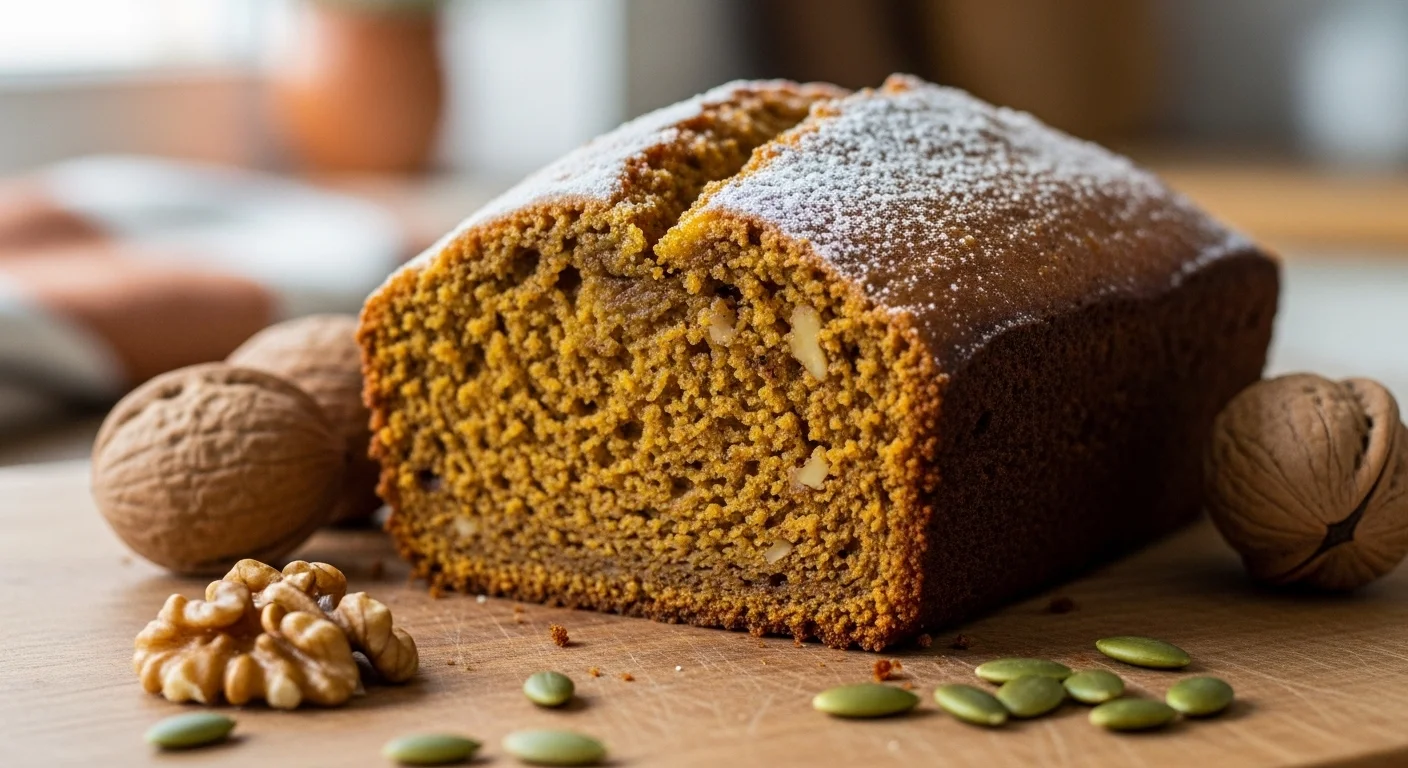
There’s something magical about the aroma of pumpkin bread baking in the oven. This gluten-free version is not just delicious; it’s incredibly moist, making it a perfect treat for any occasion. If you’re looking for more gluten-free recipes, you should check out The Best Gluten-Free Cheesecake Crust (No-Bake Option).
Understanding Gluten-Free Baking
When I first ventured into gluten-free baking, I was overwhelmed by the idea of creating delicious breads without the traditional wheat flour. I quickly learned that understanding gluten and how it affects baking was crucial. Gluten is a protein found in wheat, barley, and rye. It gives bread its structure and chewy texture. For those with celiac disease or gluten sensitivity, consuming gluten can lead to serious health issues. This is why so many of us are turning to gluten-free options. I remember my first attempt at gluten-free baking—while it was a bit of a challenge, it opened up a whole new world of delicious possibilities.
What is Gluten and Why Go Gluten-Free?
Gluten acts like a glue in food, helping it maintain shape and providing that lovely elasticity we often take for granted in traditional baked goods. However, for those with gluten intolerance or celiac disease, gluten can cause digestive distress, fatigue, and other health problems. I’ve seen firsthand how removing gluten from my diet improved my well-being. It’s not just about avoiding gluten; it’s about embracing new ingredients and flavors that we might not have considered before.
Common Gluten-Free Flours Used in Baking
Once I started exploring gluten-free baking, I discovered an array of flours that provide a similar texture and taste to traditional wheat flour. Some of my favorites include almond flour, coconut flour, and oat flour. Each has its unique properties. Almond flour, for instance, adds a rich, nutty flavor and is great for moisture, while coconut flour is incredibly absorbent and adds sweetness. I often mix different flours to achieve the best results in my recipes. One of the most popular blends I’ve experimented with is a combination of rice flour, tapioca flour, and potato starch, which mimics the texture of wheat flour quite well. If you’re interested in more about almond flour, check out Chewy Almond Flour Snickerdoodles (A Gluten-Free Twist).
Benefits of Gluten-Free Pumpkin Bread
Aside from being a delightful treat, gluten-free pumpkin bread comes with several perks. For one, it’s often lighter and can be packed with nutrients, especially if you use whole food ingredients. Pumpkin itself is rich in vitamins and minerals, including vitamin A and fiber. This means that every bite not only satisfies your sweet tooth but also nourishes your body. I love that I can indulge in a slice of pumpkin bread while knowing it offers some health benefits.
Key Ingredients for Moist Gluten-Free Pumpkin Bread
When it comes to baking a moist gluten-free pumpkin bread, choosing the right ingredients is key. I can’t stress enough how much the quality and type of ingredients can change the outcome of your baking. Each component plays a vital role in creating that perfectly moist and flavorful loaf.
Choosing the Right Pumpkin Puree
Let’s start with pumpkin puree. I’ve often found that using real pumpkin puree, either homemade or canned, makes a significant difference in flavor and moisture. When I first made gluten-free pumpkin bread, I used a store-bought puree that was too watery, and my bread turned out dense and dry. Now, I opt for pure pumpkin puree without any additives. If you’re feeling adventurous, try making your own by roasting a sugar pumpkin and pureeing it for a fresher taste.
Best Gluten-Free Flour Blends
Next up, the flour. As I mentioned earlier, mixing different gluten-free flours can elevate your pumpkin bread to new heights. I recommend trying a pre-made gluten-free flour blend if you’re unsure where to start. These blends are specifically designed to mimic the properties of wheat flour and often contain a mix of rice flour, tapioca, and xanthan gum. In my experience, this mixture helps create a fluffier bread that doesn’t fall apart.
Importance of Eggs and Substitutes
Eggs are another crucial ingredient in baking, providing structure and moisture. When I began baking gluten-free, I was surprised at how much I relied on eggs for binding. If you’re looking for substitutes, applesauce or flaxseed meal can work wonders, but I’ve found that eggs give the best texture. If you’re vegan or allergic, I recommend experimenting with a flax egg (1 tablespoon of ground flaxseed mixed with 2.5 tablespoons of water) to maintain moisture.
Using Sweeteners: Sugar vs. Natural Sweeteners
Sweeteners play a significant role in flavor. I’ve tried regular granulated sugar, brown sugar, and even maple syrup in my gluten-free pumpkin bread. Each brings a unique taste and texture. Brown sugar adds moisture and a slight caramel flavor, while maple syrup gives a lovely depth. It’s all about finding what works best for your palate. Just remember to adjust your liquid ingredients accordingly if you switch to a liquid sweetener.
Adding Flavor: Spices and Extracts
Lastly, let’s talk about spices. Cinnamon is a classic for pumpkin bread, but I also love adding nutmeg and ginger for an extra kick. I’ve found that the right blend of spices can elevate the flavor profile from good to absolutely amazing. A splash of vanilla extract can also tie everything together beautifully. Don’t be afraid to get creative with flavors and find your perfect blend!
Step-by-Step Recipe for Gluten-Free Pumpkin Bread
Preparation: What You’ll Need
Now that we’ve covered the essential ingredients for making moist gluten-free pumpkin bread, it’s time to dive into the recipe itself. Before I get started, I always make sure I have everything I need on hand. It saves me from scrambling around the kitchen mid-bake! For this recipe, here’s what you’ll need:
- 1 cup pumpkin puree (either canned or homemade)
- 1/2 cup sugar (I like using brown sugar for moisture)
- 1/4 cup maple syrup or honey (for added sweetness)
- 2 large eggs (or flax eggs if you’re vegan)
- 1/3 cup vegetable oil or melted coconut oil
- 1 teaspoon vanilla extract
- 1 1/2 cups gluten-free flour blend
- 1 teaspoon baking powder
- 1/2 teaspoon baking soda
- 1 teaspoon cinnamon
- 1/2 teaspoon nutmeg
- 1/4 teaspoon ginger (optional)
- 1/2 teaspoon salt
I’ve found that having everything pre-measured makes the mixing process so much smoother. Plus, it gives you that satisfying feeling of being organized!
Mixing the Ingredients
Once I have all my ingredients ready, I start by preheating my oven to 350°F (175°C). This way, it’s nice and hot when I’m ready to pop the bread in. In a large mixing bowl, I combine the pumpkin puree, sugar, maple syrup, eggs, and oil. I usually whisk these together until they’re well blended and smooth. It’s one of those moments where the vibrant orange of the pumpkin really shines through, making me excited for what’s to come!
Next, I like to mix my dry ingredients in a separate bowl. I combine the gluten-free flour blend, baking powder, baking soda, spices, and salt. This helps distribute the leavening agents evenly throughout the flour, which is important for the bread to rise properly.
Once everything is mixed, I slowly add the dry mixture to the wet ingredients, stirring gently until just combined. I’ve learned that it’s essential not to overmix gluten-free batter, as it can lead to a denser loaf. We want to keep it light and airy, so I usually stop mixing as soon as there are no flour streaks left.
Baking Instructions and Temperature
Now comes the exciting part! Grease a 9×5-inch loaf pan or line it with parchment paper for easy removal. I pour the batter into the prepared pan, smoothing the top with a spatula. Then, I place it in the preheated oven and bake for about 55-65 minutes. I love the aroma that fills my kitchen during this time; it’s like a cozy hug!
While baking, I make sure to keep an eye on it. Every oven is different, and I’ve had my fair share of surprises. If the top starts to brown too quickly, I cover it loosely with aluminum foil to prevent burning. I usually check for doneness by inserting a toothpick into the center of the bread. If it comes out clean or with just a few crumbs, I know it’s ready to come out!
How to Tell When It’s Done
Once my pumpkin bread is baked to perfection, I let it cool in the pan for about 10 minutes before transferring it to a wire rack. This step is crucial because it allows the bread to firm up a bit and prevents it from becoming gummy. I’ve rushed this before, and trust me; it’s not worth the soggy slice!
After it’s cooled down a bit, I often slice into it while it’s still warm. The first bite is always the best! I love the way the spices and pumpkin flavor meld together, creating a comforting experience. Plus, it’s so rewarding to share this freshly baked treat with friends and family. They can never believe it’s gluten-free!
Tips for Achieving the Perfect Moist Texture
Using Oil vs. Butter
I’ve often pondered the age-old debate of using oil versus butter in my baking. Both have their merits, but I’ve found that oil tends to yield a more moist gluten-free pumpkin bread. When I switched from butter to a neutral oil, like vegetable or coconut oil, I noticed a remarkable difference in texture. Oil helps to keep the bread tender and moist without the risk of it becoming too dense, which is something I’ve experienced with butter in gluten-free recipes. If you’re a fan of that buttery flavor, you can always use a mix of both, but I recommend leaning toward oil for the moisture factor.
Incorporating Yogurt or Applesauce
Another trick I’ve learned over the years is adding yogurt or applesauce to the batter. When I first experimented with yogurt, I was amazed at how it contributed to the moistness while also adding a slight tang that complemented the sweetness of the pumpkin. Applesauce is another great option; it not only adds moisture but also a natural sweetness. I often swap out a portion of the oil in my recipes for unsweetened applesauce and find that it doesn’t just keep the bread moist but also lightens it up. It’s a win-win in my book!
Storing Your Pumpkin Bread for Optimal Moisture
Once I’ve baked my gluten-free pumpkin bread to perfection, I’ve discovered that how I store it plays a significant role in keeping it moist. I usually wrap my cooled bread tightly in plastic wrap or aluminum foil. This helps trap the moisture inside, preventing it from drying out. I’ve also learned that keeping it at room temperature for a day or two is fine, but if I want to store it for longer, I pop it in the fridge or even freeze individual slices. When I’m ready to enjoy a slice, I just let it come to room temperature or gently warm it up in the microwave for a few seconds. That way, I get to experience that fresh-out-of-the-oven goodness every time!
Serving Suggestions and Pairings
Best Toppings for Pumpkin Bread
What’s a good slice of pumpkin bread without the perfect toppings? I love to get creative when it comes to serving. A simple spread of cream cheese is a favorite of mine, adding a rich and tangy flavor that pairs beautifully with the sweetness of the bread. Sometimes, I’ll sprinkle a little cinnamon sugar on top for an extra touch of sweetness. If I’m feeling adventurous, I’ll whip up a maple cream cheese frosting to really elevate the experience. I’ve even tried topping it with a dollop of whipped cream for a dessert-like feel. Whatever you choose, I think the right topping can take your pumpkin bread from great to absolutely indulgent!
Pairing with Beverages: Coffee, Tea, and More
For me, there’s nothing like enjoying a slice of pumpkin bread with a warm beverage. I often grab a cup of freshly brewed coffee or chai tea. The warm spices in the tea complement the flavors of the bread perfectly, creating a cozy atmosphere. I’ve also discovered that a glass of almond milk or a chai latte works wonderfully as a pairing as well. It’s like a little moment of peace in my day. If you’re hosting friends or family, consider serving slices of pumpkin bread alongside a dessert wine, like a sweet Riesling, which can enhance the flavors even further. It’s all about creating a delightful experience that you and your guests will remember!
Common Mistakes to Avoid When Making Gluten-Free Pumpkin Bread
Overmixing the Batter
One of the biggest lessons I’ve learned in my gluten-free baking journey is to avoid overmixing the batter. When I first started, I thought more mixing would lead to a fluffier bread, but I quickly found out the opposite is true. Overmixing can lead to a dense and unappealing loaf. Now, I mix just until the ingredients are combined, and I can see the difference it makes in the texture. It’s all about being gentle with the batter to allow it to rise beautifully!
Not Measuring Ingredients Correctly
Another pitfall I’ve encountered is not measuring my ingredients accurately. It might seem trivial, but when I first started baking gluten-free, I learned that even slight discrepancies could affect the outcome. I always use a kitchen scale for my dry ingredients, especially flour, to ensure consistency. In my experience, measuring by weight rather than volume has led to significantly better results, especially in gluten-free baking. I recommend taking the time to measure correctly; it’s worth it for that perfect loaf!
Baking at the Wrong Temperature
I’ve had my fair share of baking disasters due to incorrect oven temperatures. I used to assume my oven was accurate, but after a few trials, I discovered it was running hot. This resulted in burnt tops and undercooked centers. Now, I always use an oven thermometer to double-check the temperature before baking. I find that a consistent temperature makes a world of difference in achieving that perfect rise and texture in my pumpkin bread. It’s a small step that can prevent a lot of frustration!
Variations to Try
Chocolate Chip Gluten-Free Pumpkin Bread
One of my favorite twists on classic gluten-free pumpkin bread is adding chocolate chips. There’s something about the combination of pumpkin and chocolate that creates a delightful contrast of flavors. When I first tried this variation, I was pleasantly surprised by how the rich chocolate melted into the warm bread. I recommend using dairy-free chocolate chips if you’re vegan or lactose intolerant. Just fold in about a cup of chocolate chips into your batter before baking, and you’ll have a decadent treat that feels indulgent yet still wholesome. It’s perfect for breakfast or as a special dessert.
Nuts and Seeds for Added Texture
If you’re like me and enjoy a bit of crunch in your baked goods, consider adding nuts or seeds to your pumpkin bread. Walnuts, pecans, or even sunflower seeds can introduce a wonderful texture that contrasts nicely with the moistness of the bread. I often chop up a handful of walnuts and mix them into the batter before pouring it into the loaf pan. Toasting the nuts beforehand takes the flavor to another level. Not only do they add a delightful crunch, but they also boost the nutritional value of the bread, giving you healthy fats and protein.
Vegan Gluten-Free Pumpkin Bread Options
For those who follow a vegan lifestyle, creating a gluten-free pumpkin bread is entirely achievable and just as delicious! I love experimenting with flax eggs, as I mentioned earlier, but I also often use aquafaba (the liquid from canned chickpeas) as an egg substitute. It works surprisingly well and contributes to a lovely texture. If you’re looking to keep the bread moist, adding a bit more applesauce can also help, ensuring your vegan pumpkin bread turns out perfectly tender and flavorful. Every time I make this version, I’m reminded that we can all enjoy the comforts of baked goods, no matter our dietary preferences.
Frequently Asked Questions (FAQs)
Can I freeze gluten-free pumpkin bread?
Absolutely! Freezing gluten-free pumpkin bread is a great way to enjoy it later. I usually slice the bread, wrap each slice tightly in plastic wrap, and then place them in a freezer-safe bag. This way, I can easily grab a slice whenever I crave a treat. To enjoy, I simply let it thaw at room temperature or warm it in the microwave for a few seconds. It’s like having a little taste of fall whenever I want!
How long does gluten-free pumpkin bread last?
When properly stored, gluten-free pumpkin bread can last about 3-4 days at room temperature. If you want it to last longer, refrigerating it can extend its freshness up to a week. However, I find that it’s best enjoyed within a few days of baking. If it lasts that long! I often find myself sharing it with friends and family, so it rarely sits around for long.
Can I substitute other ingredients in the recipe?
Yes, you can! One of the beautiful aspects of baking is that it allows for creativity and experimentation. If you don’t have a specific flour on hand, feel free to use a different gluten-free flour blend. You can also swap out the sweeteners depending on your preferences. Just keep in mind that different ingredients may slightly alter the taste and texture, so I recommend making notes on your adjustments for future reference.
What are some common gluten-free flours used in baking?
Some common gluten-free flours include almond flour, coconut flour, and oat flour. Each has its unique properties, and mixing different flours can help achieve the best results in gluten-free recipes.
What is the importance of using the right pumpkin puree?
Using real pumpkin puree, either homemade or canned, significantly affects the flavor and moisture of the bread. It is recommended to use pure pumpkin puree without additives to avoid density and dryness in the final product.
What role do eggs play in gluten-free pumpkin bread?
Eggs provide structure and moisture in baking. They help bind the ingredients together and contribute to the overall texture of the bread. If you’re looking for substitutes, applesauce or flaxseed meal can be used, but eggs generally yield the best results.
How can I achieve a more moist gluten-free pumpkin bread?
To achieve a moist gluten-free pumpkin bread, consider using oil instead of butter, incorporating yogurt or applesauce into the batter, and ensuring you do not overmix the ingredients.
What spices work well in gluten-free pumpkin bread?
Cinnamon is a classic spice for pumpkin bread, but adding nutmeg and ginger can enhance the flavor profile. A splash of vanilla extract also ties the flavors together beautifully.
What are some recommended toppings for pumpkin bread?
Popular toppings for pumpkin bread include cream cheese, cinnamon sugar, and maple cream cheese frosting. A dollop of whipped cream can also elevate the experience, making it feel more indulgent.
What common mistakes should I avoid when making gluten-free pumpkin bread?
Common mistakes include overmixing the batter, not measuring ingredients accurately, and baking at the wrong temperature. Each of these can negatively affect the texture and taste of the final product.
Final Thoughts
Making gluten-free pumpkin bread has been a rewarding journey for me. I’ve learned so much about the ingredients and techniques that influence the final product. From understanding the flours to mastering moist textures, every step has been an adventure. I hope that by sharing my experiences and tips, you’ll feel inspired to try your hand at baking this delicious treat. Whether you stick to the classic recipe or venture into fun variations, I believe you’ll create something that not only tastes great but also brings joy to your kitchen. So let’s continue to explore the wonderful world of gluten-free baking together! If you’re interested in more gluten-free bread recipes, try Finally! A Gluten-Free White Bread That Tastes Amazing.