
Have you ever tasted a Dutch Baby pancake? If not, you’re in for a treat! This fluffy, oven-baked delight is not only delicious but can also be made gluten-free, making it perfect for everyone to enjoy. Read Interesting article: Super Fast Creamy Avocado Pasta
Understanding Dutch Baby Pancakes
What is a Dutch Baby Pancake?
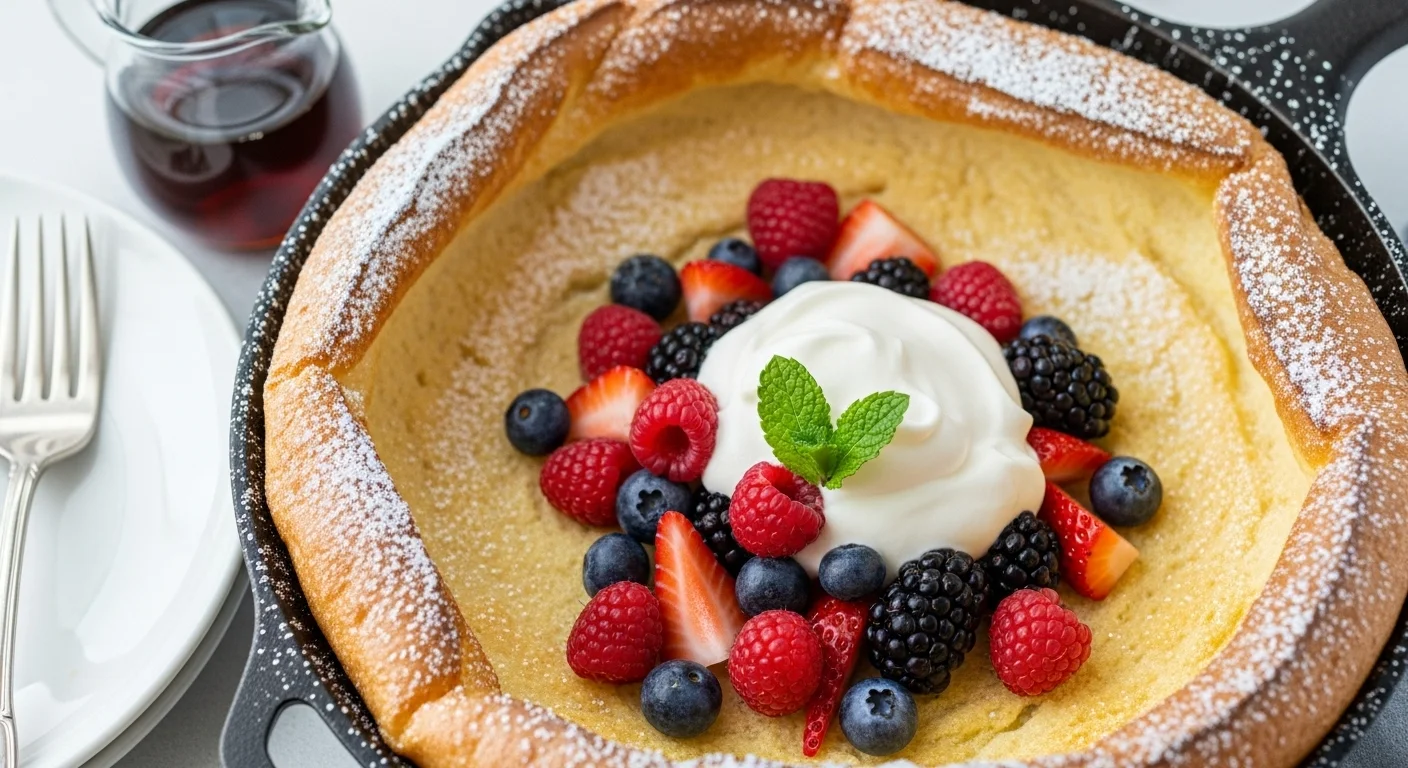
A Dutch Baby pancake is a large, fluffy pancake that is baked in the oven. Also known as a German pancake, it puffs up dramatically while baking, creating a light and airy texture. It’s typically made from a simple batter of eggs, flour, milk, and sugar, which combines to form a delightful treat that’s as impressive to look at as it is to eat. The beauty of a Dutch Baby lies in its versatility; you can serve it sweet or savory, depending on your mood and the toppings you choose. Honestly, I love how it feels like a grand breakfast dish, but it’s surprisingly easy to whip up!
Origin and History of Dutch Baby Pancakes
The history of Dutch Baby pancakes is quite interesting. They originated in Germany, where they are known as “Pfannkuchen.” They made their way to America in the early 1900s, specifically to the West Coast. The name “Dutch Baby” is actually a mispronunciation of “Deutsch,” which means German in German. I remember learning this fun fact and feeling amazed at how a simple breakfast dish carried so much history! It gained popularity in the U.S. through the efforts of a restaurant in Seattle, which helped introduce it to a broader audience. Ever since, it has become a beloved breakfast staple in many households, including mine.
Gluten-Free Ingredients for Dutch Baby Pancakes
Best Gluten-Free Flours (Almond, Oat, etc.)
When I decided to make a gluten-free Dutch Baby, one of the first things I had to figure out was which flour to use. Fortunately, there are several fantastic gluten-free options out there! Almond flour is a popular choice; it adds a lovely nutty flavor and creates a moist texture. Oat flour is another excellent alternative; it’s mild and blends well with other ingredients. I often use a combination of both for the best results. I’ve also experimented with gluten-free all-purpose flour blends, which can work wonders in replicating the traditional texture of Dutch Babies. It’s all about finding what you love best! Read Interesting article: This Instant Noodle Upgrade Trend Is Out of Control
Eggs: The Binding Agent
Eggs are essential in this recipe, acting as a binding agent that helps the pancake rise and gives it that fluffy texture we all adore. I’ve learned that the fresher the eggs, the better! When I crack them into the bowl, I always make sure they’re at room temperature, as this helps with the mixing process and overall rise. I’ve witnessed the difference in texture when using room temperature eggs versus cold ones, and I highly recommend this tip!
Milk Alternatives (Dairy-Free Options)
If you’re like me and sometimes prefer to skip dairy, there are plenty of milk alternatives that work beautifully in a gluten-free Dutch Baby. Almond milk, oat milk, and coconut milk are my go-to options. Each brings its unique flavor, but they all contribute to creating a light and fluffy pancake. I’ve found that the unsweetened versions tend to work best, as they keep the flavors balanced without making the pancake overly sweet.
Flavoring: Vanilla and Other Additives
To elevate the flavor profile of the Dutch Baby, I love adding a splash of vanilla extract. It brings out the sweetness and adds a lovely aroma while baking. Sometimes, I even experiment with other flavorings like almond extract or a hint of cinnamon. These little additions make a significant difference in taste, and I always encourage you to experiment with flavors that resonate with your taste buds!
Step-by-Step Recipe for the Perfect Gluten-Free Dutch Baby Pancake
Preparation Time and Cooking Duration
One of the best things about making a Dutch Baby pancake is how quickly it comes together. You can prepare the batter in just about 10 minutes, and then it bakes for around 20 minutes in the oven. I always feel amazed at how something so impressive can be made in such a short time!
Essential Kitchen Tools and Equipment
For this recipe, you’ll need a few essential kitchen tools. A large mixing bowl is crucial for combining the ingredients. I also recommend using a whisk or an electric mixer to ensure everything is blended smoothly. The star of the show, however, is a cast-iron skillet or an oven-safe pan, which helps to create that beautiful rise. I’ve found that using a cast-iron skillet gives the best results, as it retains heat beautifully and creates a crispy edge.
Mixing the Ingredients
When it comes to mixing, I like to start with the dry ingredients first—gluten-free flour, sugar, and a pinch of salt. Then, I add the eggs and milk, mixing until everything is just combined. I’ve learned that over-mixing can lead to a tough pancake, so I always take care to mix gently. The batter should be smooth, and it’s okay if there are a few lumps; it’s part of the charm!
Baking Instructions
Preheat your oven to 425°F (220°C). While it’s heating up, place your skillet in the oven to ensure it’s nice and hot. Once preheated, carefully take the skillet out (it’s super hot, so be cautious!). Add a couple of tablespoons of butter to the skillet and let it melt. When the butter is bubbling, pour the batter in and quickly return the skillet to the oven. I always feel a rush of excitement as I watch it puff up through the oven door. Bake for about 20 minutes until it’s golden brown and airy. Trust me, the aroma will fill your kitchen and leave everyone wondering what deliciousness is happening inside!
How to Serve Your Dutch Baby Pancake
Traditional Toppings (Powdered Sugar, Lemon Juice)
One of my favorite parts about making a Dutch Baby pancake is the endless possibilities for toppings. When I’m feeling nostalgic, I stick to the classics: a generous dusting of powdered sugar and a squeeze of fresh lemon juice. There’s something magical about that tartness balancing the sweetness, and it elevates the pancake to another level. I remember the first time I served it this way; the bright lemon flavor cut through the richness, making every bite a delightful experience. Just imagine cutting into that fluffy pancake and watching the powdered sugar slowly melt into the warm surface. It’s such a treat!
Creative Topping Ideas (Berries, Maple Syrup, Nut Butters)
While I love sticking to tradition, I also enjoy getting creative with toppings. Fresh berries are always a winner in my book. Whether it’s strawberries, blueberries, or raspberries, they add a burst of freshness that complements the pancake perfectly. Sometimes I’ll even make a quick berry compote by simmering them with just a touch of sugar. It’s so easy and adds a sophisticated touch to the dish.
Maple syrup is, of course, a classic choice, but I’ve also experimented with flavored syrups, like lavender or cinnamon-infused syrup. There’s something about drizzling that golden goodness all over the pancake that makes my heart sing. And if you’re looking for something a bit more filling, I highly recommend trying nut butters—almond butter or peanut butter work wonderfully. Spread a thin layer on top, then sprinkle with sliced bananas or apples for a delicious and hearty breakfast! Read Interesting article: Classic Linguini with Clams That’s Better Than a Restaurant’s
Tips for Achieving the Perfect Texture and Rise
Oven Temperature and Baking Techniques
Getting that perfect rise is crucial for a Dutch Baby pancake, and I’ve learned that oven temperature plays a significant role. Preheating to the right temperature is essential for achieving that puffiness that makes these pancakes so special. I always set my oven to 425°F (220°C), and I’ve found that using an oven thermometer ensures it’s accurate. It can be frustrating to pull out a pancake that hasn’t risen properly, and most of the time, it’s due to the heat not being sufficient. I also like to avoid opening the oven door while it’s baking, as that can cause it to deflate. I know, it’s tempting to peek, but trust me on this one!
Importance of Preheating the Pan
Preheating the pan is another tip that has made all the difference for me. I always place my cast-iron skillet in the oven while it’s heating up. That way, when I pour in the batter, it hits a hot surface, which helps create that crispy edge and lifts the pancake beautifully. I remember the first time I skipped this step; the pancake turned out flat and a bit chewy. Now, I never forget to let the skillet warm up. It’s one of those small details that can really transform the final product!
Avoiding Common Mistakes
In my experience, a few common mistakes can lead to a less-than-perfect Dutch Baby. For one, over-mixing the batter is a big no-no. I’ve done this in the past, and the result was a dense pancake instead of the light, airy delight I was hoping for. I’ve learned to mix until just combined, allowing a few lumps to remain. Another pitfall is not using enough butter in the pan—this helps with the rise and adds flavor. Lastly, be cautious about baking time. Every oven is different, so keeping an eye on the pancake is vital. I like to set a timer but check on it a few minutes before the time is up. Seeing it puff up is such a joy, and I always want to capture that moment just right!
Health Benefits of Gluten-Free Dutch Baby Pancakes
Nutritional Value of Gluten-Free Ingredients
One of the reasons I love making gluten-free Dutch Baby pancakes is the nutritional benefits. When I use almond flour, for instance, I’m adding healthy fats and protein to the dish, which keeps me satisfied for longer. Oat flour is rich in fiber, which is great for digestion. I’ve found that incorporating these gluten-free alternatives not only makes the dish accessible to more people but also enhances its nutritional profile. It’s a win-win in my book!
Dietary Considerations (Celiac Disease, Gluten Sensitivity)
For those of us with celiac disease or gluten sensitivity, enjoying a classic pancake can be a challenge. That’s why I appreciate the gluten-free versions so much. I’ve had friends who can only eat gluten-free, and they’ve shared how grateful they are to have options like the Dutch Baby pancake. It makes breakfast gatherings more inclusive, and I love that we can all enjoy this dish together without worry. Knowing that I can whip up a gluten-free version that tastes just as delicious makes me feel accomplished and happy to share with others!
Variations of Dutch Baby Pancakes
Savory vs. Sweet Dutch Baby Pancakes
When it comes to Dutch Baby pancakes, I always find myself torn between sweet and savory versions. Both styles are delicious, and I love that they can cater to different cravings. For a sweet twist, I often stick to the classic toppings like fresh fruits and syrups. However, when I want something heartier, I turn to savory options. One of my favorite savory variations includes sautéed spinach, crumbled feta, and a sprinkle of fresh herbs. The combination of flavors is simply delightful, and it feels like a fancy brunch dish, even though it’s so easy to make at home. I’ve even added crispy bacon and cheese for an extra indulgent experience, and let me tell you, it is a hit with my family! So whether you’re in the mood for something sweet or savory, the Dutch Baby can easily adapt to your taste buds.
Seasonal Variations (Pumpkin, Apple Cinnamon)
As the seasons change, I love to incorporate seasonal ingredients into my Dutch Baby pancake recipes. For fall, pumpkin is a must! I blend in some pumpkin puree and a touch of pumpkin spice to create a warm, comforting pancake that’s perfect for cozy mornings. The aroma alone is enough to make everyone in the house excited for breakfast! In winter, I often switch to apple cinnamon. I sauté sliced apples in a bit of butter and cinnamon, then pour the Dutch Baby batter over the top before baking. The combination of sweet apples and warm cinnamon is absolutely divine. It’s a dish that not only tastes amazing, but it also fills the kitchen with a wonderful scent that feels like a warm hug. I truly believe that experimenting with seasonal variations not only keeps things interesting but also allows us to enjoy the flavors of each season in a delightful way!
Frequently Asked Questions (FAQs)
Can I Make Dutch Babies Ahead of Time?
Yes, you can! While I always recommend enjoying Dutch Baby pancakes fresh out of the oven for the best texture, I understand that sometimes life gets busy. On occasion, I’ve made the batter ahead of time and stored it in the fridge. Just be sure to give it a good stir before pouring it into the hot skillet. If you have leftovers, you can reheat them in the oven or even in a toaster oven. Just keep in mind that the pancake might not puff up as dramatically as when it’s freshly baked, but it will still taste great!
How to Store Leftover Dutch Baby Pancakes?
Storing leftover Dutch Baby pancakes is super easy! After they’ve cooled down, I place them in an airtight container in the refrigerator. They usually stay fresh for about 2 to 3 days. When I’m ready to enjoy them again, I simply reheat them in the oven for a few minutes at 350°F (175°C) until they’re warm. If I’m feeling a bit indulgent, I may even add a drizzle of syrup or a dusting of powdered sugar on top before serving!
Can I Substitute Ingredients?
Absolutely! I love that Dutch Baby pancakes are so versatile. If you want to substitute ingredients, there are plenty of options to customize the recipe to fit your dietary preferences or what you have on hand. For instance, if you don’t have almond flour, you can use coconut flour, but keep in mind you may need to adjust the quantity due to its absorbent nature. If you’re not a fan of eggs or need an alternative, I’ve had success using flax eggs or chia eggs as substitutes. Just mix one tablespoon of ground flaxseed or chia seeds with two and a half tablespoons of water and let it sit for a few minutes to thicken. It works wonders! I encourage everyone to experiment and make the recipe their own.
What to Do if My Pancake Doesn’t Rise?
If your Dutch Baby pancake doesn’t rise as expected, don’t worry, it happens to the best of us! I’ve had my fair share of flat pancakes too. The most common culprits are usually the oven temperature and the freshness of the ingredients. Ensure that your oven is preheated to the right temperature (425°F or 220°C) before baking, as this is crucial for that beautiful puff. Also, make sure your eggs are fresh, as older eggs may not provide the same volume. If you’ve followed these tips and still have a flat pancake, it can still taste delicious! Just think of it as a delicious Dutch Baby bake, and enjoy it the same way!