
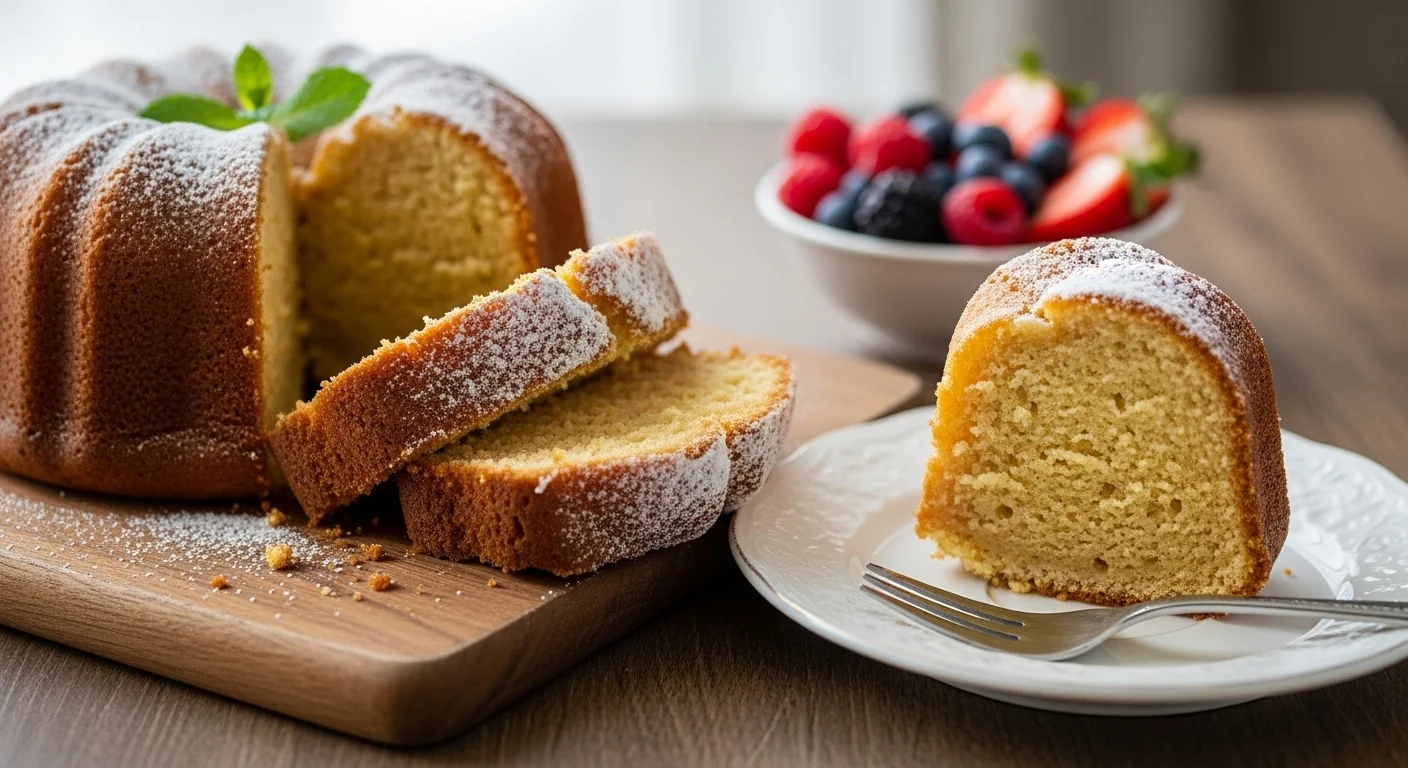
Are you ready to indulge in a slice of the most delicious gluten-free pound cake? Moist, buttery, and oh-so-satisfying, this cake is a delightful treat that everyone will love, regardless of dietary restrictions! If you’re also interested in baking with different flours, check out The Best Keto Almond Flour Bread (Perfect For Sandwiches) for more delicious ideas.
Understanding Gluten-Free Baking
When I first delved into gluten-free baking, I was both excited and a bit intimidated. The idea of creating a delicious pound cake without traditional wheat flour felt like a daunting challenge. But I quickly learned that understanding the basics of gluten-free baking is the key to success. It’s not just about swapping out one ingredient for another; it’s about embracing a new way of baking that can yield amazing results. Let’s dive into the nuances of gluten-free baking, starting with the science behind gluten-free flours.
The Science of Gluten-Free Flours
Gluten is a protein found in wheat that gives bread and cakes their unique structure and chewiness. When we remove gluten, we must think about how to replicate that texture and stability. Gluten-free flours differ significantly in composition, which affects how they behave in recipes. For instance, some flours absorb more moisture, while others lend a denser texture. I remember the first time I tried making a cake with almond flour; it turned out crumbly and didn’t hold together well. But through trial and error, I learned that combining different flours can create a well-balanced mixture that mimics traditional baking.
Common Gluten-Free Flours for Pound Cake
There are several gluten-free flours that work beautifully in pound cake recipes. Here are a few that I’ve personally had great success with:
- Almond Flour: This flour adds a wonderful moistness and a subtle nutty flavor. It’s packed with healthy fats, making it a great choice for a rich cake.
- Coconut Flour: Known for its high fiber content, coconut flour absorbs a lot of moisture. If you use it, be sure to adjust the liquid in your recipe to avoid dryness.
- Brown Rice Flour: This flour has a mild flavor and creates a nice texture. It’s often the base in gluten-free flour blends.
- Oat Flour: Made from ground oats, this flour adds a lovely flavor and can help with binding. Just ensure it’s certified gluten-free if you’re sensitive.
By mixing these flours, I’ve found that I can achieve a balance that keeps the cake moist while providing structure. It’s all about experimentation to find what combination works best for your taste!
Binding Agents: What You Need to Know
In gluten-free baking, binding agents play a crucial role in providing structure and moisture. Since we’re missing gluten, we need to incorporate ingredients that help hold everything together. Here are a few binding agents that I always keep on hand:
- Xanthan Gum: This is a common gluten substitute that mimics the elasticity of gluten. A little goes a long way, so start with just a teaspoon in your recipes.
- Psyllium Husk: This natural fiber helps retain moisture and creates a chewy texture. I’ve found it particularly helpful when making denser cakes.
- Eggs: Eggs not only provide moisture but also act as a binder. If you’re looking for a vegan option, consider using flaxseed meal mixed with water as an egg replacement.
Finding the right binding agent can truly transform your gluten-free pound cake, so don’t hesitate to try different combinations until you find what works for you!
Ingredients for the Perfect Gluten-Free Pound Cake
Now that we understand the basics of gluten-free baking, let’s talk about the ingredients that will make our pound cake stand out. For me, the right combination of ingredients is essential in achieving that moist, buttery texture we all crave.
Essential Ingredients
When I set out to make my gluten-free pound cake, I always start with the following essential ingredients:
- Gluten-Free Flour Blend: As discussed, a combination of flours works best.
- Butter: I prefer unsalted butter for its rich flavor. It’s a key ingredient that contributes to the cake’s moistness.
- Granulated Sugar: This sweetener helps to balance flavors and adds moisture.
- Eggs: They provide structure and richness.
- Baking Powder and Baking Soda: These leavening agents help the cake rise and create a light texture.
Having these ingredients on hand makes it easy to whip up a cake anytime the craving strikes!
Recommended Gluten-Free Flour Blends
Over the years, I’ve tried various gluten-free flour blends, and I’ve found a few favorites that consistently deliver great results. I recommend looking for blends that include a combination of rice flour, starches like tapioca or potato starch, and a bit of xanthan gum for binding. Some popular brands I’ve enjoyed include Bob’s Red Mill 1-to-1 Baking Flour and King Arthur Gluten-Free Measure for Measure Flour. They make the transition to gluten-free baking so much smoother. You can also find great recipes for other gluten-free options, like The TikTok Veg Sushi Bake You Didn’t Know You Needed.
Butter vs. Margarine: Which is Better?
This is a question I’ve often pondered. For me, nothing beats the flavor of real butter in baking. It adds richness and depth to the pound cake that margarine simply can’t replicate. However, if you’re looking for a dairy-free option, a high-quality margarine can work in a pinch. Just be sure to check the labels for any hidden allergens and avoid those with trans fats.
Choosing the Right Sweeteners
While granulated sugar is a classic choice, I’ve found that experimenting with different sweeteners can elevate the flavor of your pound cake. Brown sugar adds a hint of caramel, while coconut sugar provides a subtle flavor and lower glycemic index. If you’re looking to cut back on sugar, consider using natural sweeteners like honey or maple syrup, though they may alter the texture slightly.
Flavor Enhancements: Extracts and Zests
Finally, don’t forget about flavor! Adding vanilla extract or almond extract can make a world of difference. I also love incorporating citrus zests like lemon or orange for a refreshing burst of flavor. These additions not only enhance the taste but also bring a lovely aroma to your kitchen as the cake bakes!
Step-by-Step Recipe Guide
Prepping Your Ingredients
When I’m getting ready to make my gluten-free pound cake, I always start by gathering and prepping all my ingredients. It’s almost like a mini ritual that sets the tone for a successful bake. I find that having everything laid out helps me stay organized and ensures I don’t forget anything important.
First, I make sure my butter is softened to room temperature. There’s something about the buttery aroma that fills the kitchen as it warms up. I also measure out my gluten-free flour blend, sugar, baking powder, and other ingredients beforehand. I love using measuring cups that I can easily pour straight into the mixing bowl—less mess, and it keeps things flowing smoothly. Don’t forget to preheat your oven to 350°F; I’ve learned the hard way that a properly preheated oven is key to achieving that perfect rise!
Mixing Techniques for Moisture and Texture
Mixing is where the magic happens! I typically start by creaming the softened butter and sugar together until it’s light and fluffy. This step is crucial because it incorporates air into the batter, which helps with the cake’s texture. I remember the first time I tried to rush this step; my cake came out dense and flat. Now, I take my time and really let the sugar and butter blend.
Next, I add in the eggs, one at a time, mixing well after each addition. I find that this helps create a smoother batter. After the eggs, I gently fold in the dry ingredients. I try to avoid overmixing at this point—this is where the gluten-free baking differs from traditional methods. Overmixing can lead to a tougher texture, which is not what we want for our pound cake! I recommend using a spatula for this part; it helps to fold gently without deflating the batter.
Baking Time and Temperature
Once my batter is mixed, it’s time to pour it into a prepared loaf pan. I usually line my pan with parchment paper for easy removal later. I’ve had my fair share of cakes stubbornly sticking to the pan, and trust me, it’s not fun when you’re excited to serve your creation. I fill the pan about two-thirds full to give the cake room to rise.
I bake my gluten-free pound cake for about 50 to 60 minutes. I love the smell that wafts through the kitchen during this time—it’s hard to resist not peeking! If you’re unsure, I recommend setting a timer for 50 minutes and checking for doneness. The cake should be golden brown and spring back when lightly touched. It’s also a good idea to rotate the pan halfway through baking for even cooking.
Testing for Doneness
To ensure my cake is baked perfectly, I use a toothpick test. I insert a toothpick into the center of the cake, and if it comes out clean or with just a few crumbs clinging to it, I know it’s ready. I’ve had experiences where I thought my cake was done, only to find it was still gooey in the middle, so I always make sure to check! Once it’s ready, I take it out of the oven and let it cool in the pan for about 10 minutes before transferring it to a wire rack.
The cooling process might seem simple, but it’s essential. Allowing the cake to cool helps it set properly and makes slicing much easier. Plus, there’s something so satisfying about watching that cake as it cools, waiting to be enjoyed!
Tips for Achieving the Best Texture and Flavor
How to Keep Your Pound Cake Moist
Keeping my gluten-free pound cake moist has been a journey of discovery. One of the most effective tips I’ve learned is to incorporate sour cream or yogurt into the batter. This not only adds moisture but also contributes a subtle tang that balances the sweetness. I usually add about half a cup to my mixture, and the difference in texture is remarkable. I remember the first time I tried it; my cake was so tender and delicious, it quickly became a favorite in my household.
Another trick I’ve picked up is to brush the warm cake with a simple syrup made from equal parts sugar and water. This extra step helps to lock in moisture and keeps the cake fresh for days. It’s amazing how something so simple can make such a difference in the final result!
Ensuring a Buttery Flavor
For me, the buttery flavor in pound cake is non-negotiable. To really enhance that rich taste, I like to use high-quality unsalted butter. I’ve experimented with different brands, and I’ve found that the flavor can vary significantly between them. I also recommend browning the butter before adding it to the batter. This adds a nutty, caramelized flavor that elevates the cake to another level. Just be sure to let it cool slightly before mixing it into the other ingredients; I’ve learned the hard way that adding hot butter can affect the consistency of the batter!
Common Mistakes to Avoid
As with any baking adventure, I’ve made plenty of mistakes along the way. One common error is not accurately measuring the gluten-free flour. Since these flours can have different densities, I always make sure to spoon the flour into the measuring cup and level it off, rather than scooping directly from the bag. This ensures I’m not adding too much, which can lead to a dry cake.
Another mistake I’ve made is skipping the cooling process. It’s tempting to dive right into slicing the cake, especially when it smells so good, but letting it cool completely is essential for the best texture. I’ve found that when I’m patient and allow it to cool, the cake slices beautifully and maintains its structure. Trust me, it’s worth the wait!
Serving and Storing Your Pound Cake
Best Ways to Serve Gluten-Free Pound Cake
Serving my gluten-free pound cake can be just as enjoyable as baking it! I love dusting the top with powdered sugar for a simple yet elegant touch. It adds a little sweetness without overwhelming the flavor of the cake itself. Sometimes, I’ll pair it with fresh berries and whipped cream for a delightful dessert that feels fancy yet is incredibly easy to prepare. It’s a hit at gatherings and gives everyone the chance to indulge without worrying about gluten.
Another favorite way I like to serve it is as part of a brunch spread. Slices of pound cake go beautifully with coffee or tea, and I’ve seen guests go back for seconds (and thirds!). If I have any left over, I’ll toast slices for breakfast. There’s something about the warm, buttery flavors that’s just irresistible to me!
Storage Tips for Freshness
One of the best things about pound cake is that it stays fresh for several days if stored correctly. I typically wrap it tightly in plastic wrap or foil and place it in an airtight container at room temperature. This keeps it from drying out and allows it to maintain its moist texture. I’ve found that it’s best enjoyed within a week, but it often disappears much faster than that!
If I know I won’t finish it in time, I’ll slice it and freeze individual pieces. This way, I can enjoy a slice any time the craving strikes, which is usually sooner than later! Just remember to wrap each piece well to prevent freezer burn, and let it thaw at room temperature when you’re ready to enjoy it.
Freezing Your Pound Cake: A How-To
Freezing my gluten-free pound cake is a game-changer. After cooling the cake completely, I slice it into individual portions. I then wrap each slice in plastic wrap and place them in a freezer-safe bag. I like to date the bag so I can keep track of how long it’s been in the freezer. When I’m in the mood for a treat, I simply pull out a slice, let it thaw, and enjoy!
I’ve also found that warming up the slices in the microwave for a few seconds makes them feel fresh-out-of-the-oven delicious again. It’s such a simple pleasure to have homemade cake ready to go whenever I want it!
Variations and Adaptations
Adding Fruits or Nuts for Extra Flavor
One of my favorite aspects of baking is the endless possibilities for variations. When it comes to gluten-free pound cake, adding fruits or nuts can take it to a whole new level. I often toss in fresh berries, such as blueberries or raspberries, which not only add color but also a burst of juicy flavor. I remember the first time I incorporated lemon zest and blueberries; it created a delightful contrast that was a hit at my family gatherings.
Nuts can also be a fantastic addition. Chopped pecans or walnuts bring a lovely crunch and richness. If you’re a fan of almonds, try almond extract alongside slivered almonds for a lovely nutty flavor. Just be mindful of the quantity; too many add-ins can weigh down the cake, so I usually stick to about a cup for a standard loaf size.
Chocolate or Coffee Infusions
For those of us who can’t resist chocolate, incorporating cocoa powder or chocolate chips can create an indulgent treat. I love mixing in dark chocolate chips for a rich flavor, or even swirling in a chocolate ganache for a decadent finish. If you’re a coffee lover, consider adding instant coffee granules to the batter or a splash of brewed coffee. The combination of coffee and chocolate is heavenly!
Another idea is to create a mocha version by blending cocoa powder and coffee. This fusion adds depth to the cake while keeping it moist. I often find myself reaching for a slice of this version when I need a little pick-me-up!
Gluten-Free Lemon or Citrus Pound Cake
There’s something about the bright, zesty flavor of citrus that can elevate a pound cake. I’ve experimented with lemon, orange, and even lime, and each brings its unique twist. My go-to is lemon; I love the refreshing taste it brings to the cake. Zesting the lemon and adding fresh juice is a simple way to enhance the flavor. Sometimes, I’ll even drizzle a lemon glaze on top after the cake cools for an extra kick of sweetness and tang.
For a citrus twist, consider combining different zests, like orange and lime, for a vibrant flavor profile. The best part is that these adaptations not only taste great but also make your pound cake visually appealing!
Frequently Asked Questions (FAQs)
Can I substitute regular flour in this recipe?
While I completely understand the temptation to use regular flour, I don’t recommend it for this gluten-free pound cake. The key to achieving that perfect texture lies in the unique properties of gluten-free flours. If you need a gluten-free option, stick with the recommended blends to ensure success.
How do I make my pound cake denser?
If you’re looking for a denser pound cake, consider using less leavening agent or incorporating some almond flour for added weight. I’ve found that reducing the baking powder slightly can help achieve a tighter crumb, which is perfect for those who prefer a more substantial cake.
What should I do if my cake is too dry?
Dry pound cake can be disappointing, but there are a few remedies! You can brush it with a simple syrup, as mentioned earlier, to add moisture back. Additionally, ensure you’re measuring your gluten-free flours accurately, as too much flour can lead to dryness. I also recommend trying to incorporate yogurt or sour cream in the batter for added moisture from the start.
Are gluten-free cakes safe for people with celiac disease?
Absolutely! As long as you use certified gluten-free ingredients, gluten-free cakes are safe for those with celiac disease. I always double-check labels to ensure there’s no cross-contamination. It’s so rewarding to bake something everyone can enjoy without worry!
Final Thoughts
Baking gluten-free pound cake has been a delightful journey for me, filled with experimentation and creativity. I’ve discovered that it’s not just about the ingredients, but also about the love and care you put into the process. Whether you stick to the classic recipe or venture into exciting variations, there’s something truly special about sharing a homemade cake. I hope you find joy in baking and enjoy the delicious results as much as I do. Happy baking!
Frequently Asked Questions
Can I substitute regular flour in this recipe?
While I completely understand the temptation to use regular flour, I don’t recommend it for this gluten-free pound cake. The key to achieving that perfect texture lies in the unique properties of gluten-free flours. If you need a gluten-free option, stick with the recommended blends to ensure success.
How do I make my pound cake denser?
If you’re looking for a denser pound cake, consider using less leavening agent or incorporating some almond flour for added weight. I’ve found that reducing the baking powder slightly can help achieve a tighter crumb, which is perfect for those who prefer a more substantial cake.
What should I do if my cake is too dry?
Dry pound cake can be disappointing, but there are a few remedies! You can brush it with a simple syrup, as mentioned earlier, to add moisture back. Additionally, ensure you’re measuring your gluten-free flours accurately, as too much flour can lead to dryness. I also recommend trying to incorporate yogurt or sour cream in the batter for added moisture from the start.
Are gluten-free cakes safe for people with celiac disease?
Absolutely! As long as you use certified gluten-free ingredients, gluten-free cakes are safe for those with celiac disease. I always double-check labels to ensure there’s no cross-contamination. It’s so rewarding to bake something everyone can enjoy without worry!
What are some common gluten-free flours for pound cake?
Some common gluten-free flours that work beautifully in pound cake recipes include almond flour, coconut flour, brown rice flour, and oat flour. Each flour has different properties and can affect the texture of the cake.
What role do binding agents play in gluten-free baking?
Binding agents are crucial in gluten-free baking as they provide structure and moisture. Since gluten is absent, ingredients like xanthan gum, psyllium husk, and eggs help hold everything together, creating a better texture for your pound cake.
How can I enhance the flavor of my pound cake?
To enhance the flavor of your pound cake, consider adding extracts like vanilla or almond, as well as citrus zests like lemon or orange. These additions not only improve the taste but also create a lovely aroma while baking.
What are the essential ingredients for a gluten-free pound cake?
The essential ingredients for a gluten-free pound cake include a gluten-free flour blend, unsalted butter, granulated sugar, eggs, baking powder, and baking soda. These ingredients work together to create the desired moist and buttery texture.
How should I store my gluten-free pound cake?
To store your gluten-free pound cake, wrap it tightly in plastic wrap or foil and place it in an airtight container at room temperature. This helps maintain its moist texture and keeps it fresh for several days.
Can I freeze my gluten-free pound cake?
Yes, you can freeze your gluten-free pound cake! After cooling it completely, slice it into individual portions, wrap each slice in plastic wrap, and place them in a freezer-safe bag. This allows you to enjoy a slice whenever you crave it.