
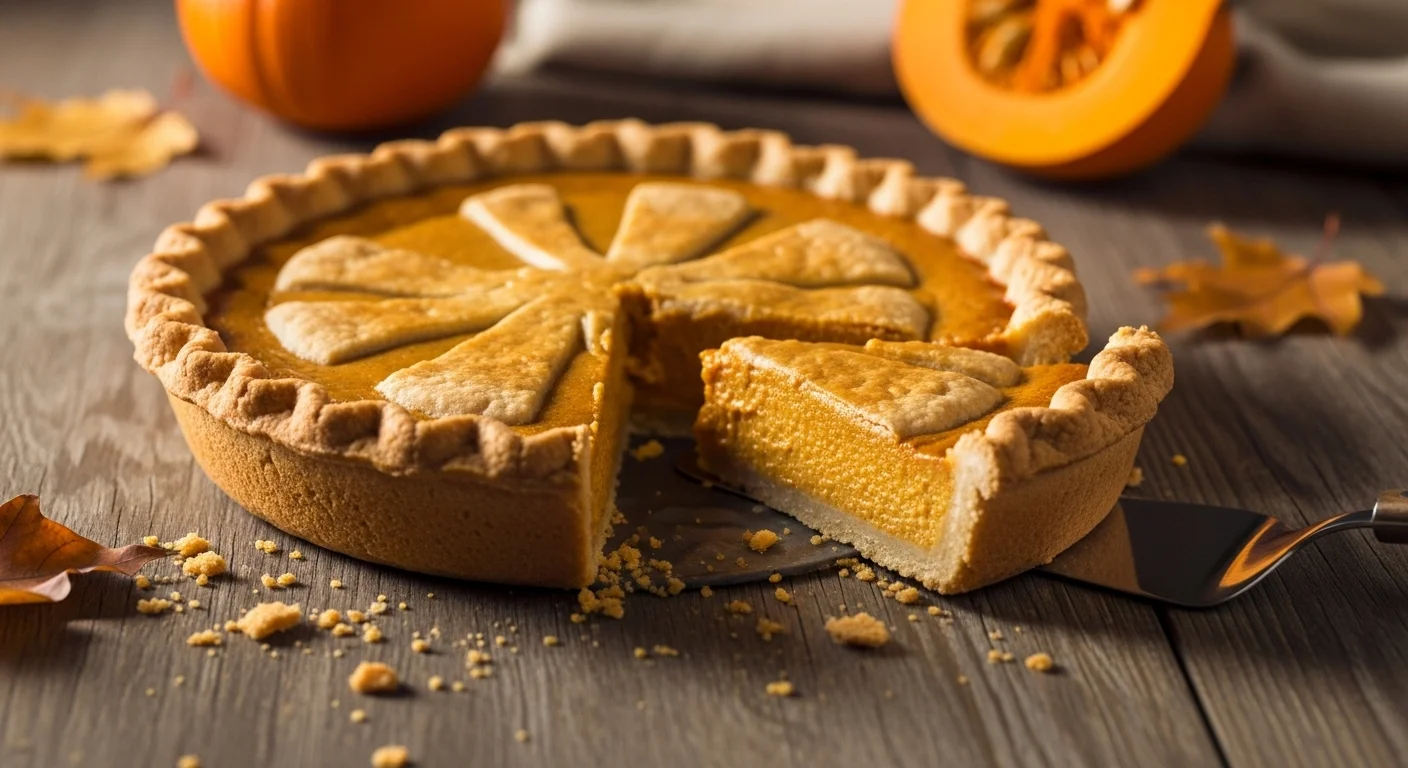
The holidays are the perfect time to indulge in warm, spiced pumpkin pie, especially when it’s gluten-free and has a flaky crust! Let’s dive into creating a luscious dessert that everyone can enjoy. Read Interesting article: The Ultimate Gluten-Free Bread Recipe (That’s Not Gummy)
Understanding Gluten-Free Baking
When I first started my journey into gluten-free baking, I had so many questions swirling in my mind. I was determined to make delightful treats without compromising taste or texture. One of the first things I learned was the importance of understanding gluten and how it affects baking.
What is Gluten and Why Avoid It?
Gluten is a protein found in wheat, barley, and rye. It gives dough its elasticity and helps it rise, which is why traditional baking relies heavily on it. For many people, gluten can cause a variety of health issues, from celiac disease to gluten sensitivity. I remember a friend of mine who had to eliminate gluten from her diet. At first, I thought it would be impossible for her to enjoy desserts. But as I learned more about gluten-free baking, I realized how many creative alternatives exist.
Common Gluten-Free Flours
As I explored gluten-free options, I discovered a range of flours that could replace traditional wheat flour. Some of my favorites include:
- Almond Flour: This nutty flour adds moisture and richness.
- Coconut Flour: It’s absorbent and great for adding fiber, but a little goes a long way!
- Rice Flour: A staple in gluten-free baking, it can create a light texture.
- Oat Flour: Made from ground oats, it offers a subtle sweetness and works well in many recipes.
- Gluten-Free All-Purpose Flour Blends: These blends often include a mix of various flours and starches to mimic the properties of wheat flour.
Experimenting with these flours was eye-opening for me. Each one has unique properties, and figuring out how to use them together has been a fun adventure. I often mix different flours to achieve the best results, and that’s one of the joys of gluten-free baking! Read Interesting article: The Viral Veggie Toast That Actually Tastes Expensive
Importance of Texture in Gluten-Free Baking
When I first attempted gluten-free baking, I found that achieving the right texture was one of the biggest challenges. Unlike traditional baking, gluten-free recipes often need additional ingredients to replicate the structure that gluten provides. For instance, I learned that adding xanthan gum or psyllium husk can help bind the ingredients together, making the final product less crumbly.
In my experience, texture is crucial, especially in a pumpkin pie where a flaky crust complements the smooth filling. I’ve had my share of gluten-free pies that turned out dense or gummy, which has taught me the importance of experimenting with ratios and techniques. Each time I bake, I pay close attention to how the dough feels and how it bakes, always striving for that perfect balance.
Ingredients for the Perfect Gluten-Free Pumpkin Pie
Now that I have a better understanding of gluten-free baking, let’s talk about the ingredients that will help us create the perfect pumpkin pie.
Essential Ingredients for the Filling
The filling is where the magic happens! For my pumpkin pie, I like to keep it simple yet flavorful. The key ingredients include:
- Pumpkin Puree: You can use fresh pumpkin or canned—both work well. I’ve found that canned pumpkin is convenient and consistently delicious.
- Eggs: They provide structure and richness to the filling.
- Sugar: I prefer brown sugar for its deep flavor, but white sugar works too.
- Spices: A blend of cinnamon, nutmeg, allspice, and ginger is my go-to for that classic pumpkin flavor.
- Evaporated Milk: It adds creaminess and helps achieve that smooth texture.
Once I mix these ingredients together, the aroma wafting through the kitchen is simply irresistible! I always make sure to taste the filling before pouring it into the crust—I can’t help myself!
Choosing the Right Gluten-Free Flour for the Crust
One of the most important decisions in making a gluten-free pumpkin pie is selecting the right flour for the crust. I usually opt for a blend of almond flour and a gluten-free all-purpose flour. This combination gives the crust a lovely nutty flavor while keeping it light and flaky.
If you’re new to gluten-free flours, it can be overwhelming, but I recommend starting with a quality all-purpose blend. Look for one that contains a mix of rice flour, potato starch, and tapioca flour. It’s all about finding the right balance to create a crust that holds up well and doesn’t crumble away.
Additional Flavor Enhancers
To elevate the flavor of both the crust and filling, I like to add a pinch of salt and a hint of vanilla extract. It’s amazing how these small tweaks can enhance the overall taste. Sometimes, I even experiment with adding finely grated citrus zest for a refreshing twist.
In my journey of perfecting my gluten-free pumpkin pie, I’ve learned that quality ingredients make a significant difference. Using fresh spices and good-quality pumpkin can truly transform a simple pie into a showstopper.
Step-by-Step Guide to Making the Flaky Crust
Preparing the Gluten-Free Dough
Making the gluten-free crust is one of my favorite parts of the pumpkin pie process. It’s where I feel like I truly get to stretch my baking muscles. For me, the key to a successful dough lies in the right balance of ingredients and technique. I start by mixing my chosen gluten-free flour blend with a pinch of salt to enhance the flavor. Then, I add in cold butter, cut into small cubes. I’ve learned that using cold ingredients helps create that desired flakiness.
I usually use a pastry cutter or my hands to combine the butter and flour until it resembles coarse crumbs. I remember my first few attempts when I would overwork the dough, leading to a tough crust. I realized that less is more here! Once the butter is well incorporated, I gradually add cold water, one tablespoon at a time, until the dough starts to come together. It should be moist but not sticky. This part is crucial; I always taste a little bit of the dough to see if it feels right before moving on.
Techniques for Achieving Flakiness
Flakiness in a gluten-free crust can be somewhat elusive, but I’ve found some techniques that really help. One method is to incorporate the butter into the flour until it’s in pea-sized pieces. I’ve also noticed that some bakers advocate for freezing the butter before cutting it into the flour mixture. While I haven’t tried this myself, it’s on my list for next time!
Another technique I love is to chill the dough before rolling it out. This not only helps the butter solidify but also makes the dough easier to handle. I learned that gently pressing the dough into a disk instead of rolling it out immediately helps maintain the flakiness. It’s all about creating layers, and I think that’s what makes this crust so special.
Chilling the Dough: Why It Matters
Chilling the dough is a step I never skip anymore. Once I form it into a disk, I wrap it in plastic wrap and pop it in the refrigerator for at least 30 minutes. I’ve found that this simple step can make a world of difference. It allows the flour to hydrate fully and the fat to solidify, which translates to a more tender, flaky crust. Plus, it gives me a chance to tidy up my kitchen while I wait!
During my early baking days, I would often rush this step and end up with a crust that was too soft and hard to handle. I learned my lesson the hard way! Now, I use this time to prepare my filling or set out my baking tools. It’s a great way to maximize efficiency in the kitchen.
Rolling and Shaping the Crust
After chilling, it’s time to roll out the dough. I always dust my countertop with a little gluten-free flour to prevent sticking. I place the dough between two sheets of parchment paper to make rolling easier and to avoid adding too much extra flour, which could toughen the crust. I gently roll it out, applying even pressure to create a circle that’s about 1/8 inch thick. This is where having a good rolling pin comes in handy; I’ve found that a marble one helps keep the dough cool.
Once I have the right thickness, I carefully transfer the rolled dough into my pie pan. I’ve learned that it’s important to do this gently to avoid tearing. If I do end up with a tear, I simply patch it up with leftover dough, which usually works like a charm. I make sure to press the dough into the edges of the pan, creating a nice, even crust.
Finally, I trim any excess dough hanging over the edge, and I like to crimp the edges for a decorative touch. I tend to get a little creative here; sometimes I’ll use a fork to stamp the edges or even my fingers to create a unique pattern. It’s such a fun way to personalize each pie!
Now that the crust is ready, I can’t help but feel a sense of pride. All the effort put into creating that flaky, delicious base makes the upcoming pie filling even more exciting. I can already imagine how amazing it will taste once baked! The next steps will focus on creating that perfect pumpkin pie filling, and I can’t wait to share those with you. Read Interesting article: The Green Goddess Wrap Trend Finally Makes Sense
Creating the Pumpkin Pie Filling
Selecting the Best Pumpkin (Fresh vs. Canned)
When it comes to making pumpkin pie, choosing the right pumpkin is essential. I’ve tried both fresh pumpkin and canned pumpkin over the years, and each option has its merits. Fresh pumpkin can be a delightful choice, especially if you’re looking for a more hands-on experience. I remember the first time I roasted a fresh pumpkin; the smell was incredible, and the taste was rich and full. However, I quickly discovered that canned pumpkin is just as effective, not to mention a huge time-saver! It’s consistent in flavor and texture, which is something I really appreciate when I’m baking.
If you decide to go the fresh route, I recommend using a sugar pumpkin or pie pumpkin. They are smaller and sweeter than the average jack-o’-lantern pumpkin. But if convenience is key for you, don’t hesitate to grab a can of pumpkin puree from the store. Just be sure to check the label to make sure it’s 100% pumpkin and not a pie filling, which could have added sugars and spices that might mess with your recipe.
Spices That Elevate Your Pumpkin Pie
Now, let’s talk about spices. For me, the spices are what truly create that nostalgic pumpkin pie flavor that brings back so many wonderful memories. My go-to blend includes cinnamon, nutmeg, ginger, and allspice. Each spice plays a role in creating warmth and depth in the filling. I remember one year, I decided to be adventurous and added a dash of cardamom. It brought an unexpected but delightful twist that my family raved about!
When mixing the spices, I usually start with a base of cinnamon, since it pairs so well with pumpkin. I find nutmeg adds a lovely warmth, while ginger brings a subtle zing. Allspice gives the pie that extra touch of holiday cheer. I often mix these spices in a small bowl before adding them to the pumpkin puree, so they combine evenly. Trust me, the aroma that fills your kitchen is worth every step!
Sweeteners: Choosing the Right One for Flavor
Choosing the right sweetener can also make a big difference in your pumpkin pie. I’ve experimented with various sweeteners, but I always find myself gravitating back to brown sugar. It provides a rich, caramel-like flavor that complements the pumpkin beautifully. Not to mention, the slight moisture from the brown sugar helps keep the filling smooth and luscious.
If you’re looking for alternatives, maple syrup is a fantastic option. It adds a unique depth of flavor that can elevate your pie to new heights. I’ve also tried using coconut sugar for a more natural option, and it works surprisingly well! Just keep in mind that the sweetness level may vary, so you might need to adjust how much you use depending on your preference.
When mixing in the sweetener, I always taste the filling to ensure the balance is just right. It’s one of my favorite parts of the process, and I can’t resist a little spoonful to make sure it’s perfect!
Assembling and Baking the Pie
Filling the Crust: Tips for Even Distribution
Once my crust is ready and my filling is perfectly flavored, it’s time for one of my favorite parts: assembling the pie! I gently pour the pumpkin filling into the prepared crust, making sure to distribute it evenly. I’ve learned that taking the time to spread the filling with a spatula can help ensure that every slice has just the right amount of filling.
I always take care to avoid overfilling the crust, as the filling can bubble up while it bakes. A little trick I use is to fill it just below the edge of the crust, leaving some room for it to expand. When I’m feeling artistic, I sometimes use a fork to create a decorative edge on the crust before pouring in the filling, adding a personal touch to the pie.
How to Bake the Pie for Optimal Results
Baking the pie is where the magic truly happens. I preheat my oven to 425°F (220°C) and place the pie on a baking sheet to catch any drips. It’s such a good idea because I’ve made a mess before! I bake it at that high temperature for about 15 minutes to set the crust, then I lower the temperature to 350°F (175°C) for the remainder of the baking time, usually around 40-50 minutes.
I’ve found that starting with a hot oven helps the crust puff up a bit, giving it that nice flaky texture we all love. During the lower-temperature phase, I keep an eye on it to ensure the filling cooks through without over-baking the crust. It’s a delicate balance, and one I’m still learning to perfect!
Testing for Doneness
Testing for doneness is crucial to ensure that your pie comes out perfectly. I gently shake the pie to see if the filling jiggles slightly in the center. It should not be completely set; a little movement indicates that it will firm up as it cools. I also like to insert a toothpick into the filling. If it comes out clean or with just a few moist crumbs, it’s ready to come out of the oven. The excitement I feel when I see that perfect pie emerging is truly unmatched!
Once it’s out of the oven, I let it cool on a wire rack. The cooling step is just as important as baking, as it allows the filling to set properly. I’ve made the mistake of cutting into a pie too soon, and the results were less than ideal. Patience is key, and I promise it’s worth the wait!
Frequently Asked Questions
What is gluten and why should it be avoided?
Gluten is a protein found in wheat, barley, and rye that gives dough its elasticity and helps it rise. It should be avoided by individuals with celiac disease or gluten sensitivity, as it can cause various health issues.
What are some common gluten-free flours to use in baking?
Some common gluten-free flours include almond flour, coconut flour, rice flour, oat flour, and gluten-free all-purpose flour blends. Each has unique properties that can enhance gluten-free baking.
Why is texture important in gluten-free baking?
Texture is crucial in gluten-free baking because gluten-free recipes often need additional ingredients to replicate the structure that gluten provides. Achieving the right texture, especially in items like pumpkin pie, can be challenging but essential for a pleasant eating experience.
What are the essential ingredients for the pumpkin pie filling?
The essential ingredients for the pumpkin pie filling include pumpkin puree (fresh or canned), eggs, sugar (brown or white), a blend of spices (cinnamon, nutmeg, allspice, and ginger), and evaporated milk for creaminess.
What is the recommended flour blend for a gluten-free pumpkin pie crust?
A recommended flour blend for a gluten-free pumpkin pie crust is a combination of almond flour and a gluten-free all-purpose flour. This blend provides a nutty flavor while keeping the crust light and flaky.
Why is chilling the dough important in making a gluten-free crust?
Chilling the dough is important because it allows the flour to hydrate fully and the fat to solidify, resulting in a more tender and flaky crust. It also makes the dough easier to handle when rolling it out.
What techniques can help achieve flakiness in a gluten-free crust?
To achieve flakiness, incorporate butter into the flour until it resembles pea-sized pieces, chill the dough before rolling it out, and gently press the dough into a disk instead of rolling it immediately.
What spices are typically used to flavor pumpkin pie?
The typical spices used to flavor pumpkin pie include cinnamon, nutmeg, ginger, and allspice. These spices create a warm and nostalgic flavor profile that enhances the pumpkin filling.
What is the best way to test for doneness in a pumpkin pie?
To test for doneness, gently shake the pie to see if the filling jiggles slightly in the center. Additionally, inserting a toothpick into the filling should yield clean results or just a few moist crumbs when it’s ready.
What should be done after baking the pie?
After baking the pie, it should be allowed to cool on a wire rack. This cooling step is crucial as it allows the filling to set properly, ensuring a better texture when sliced.