
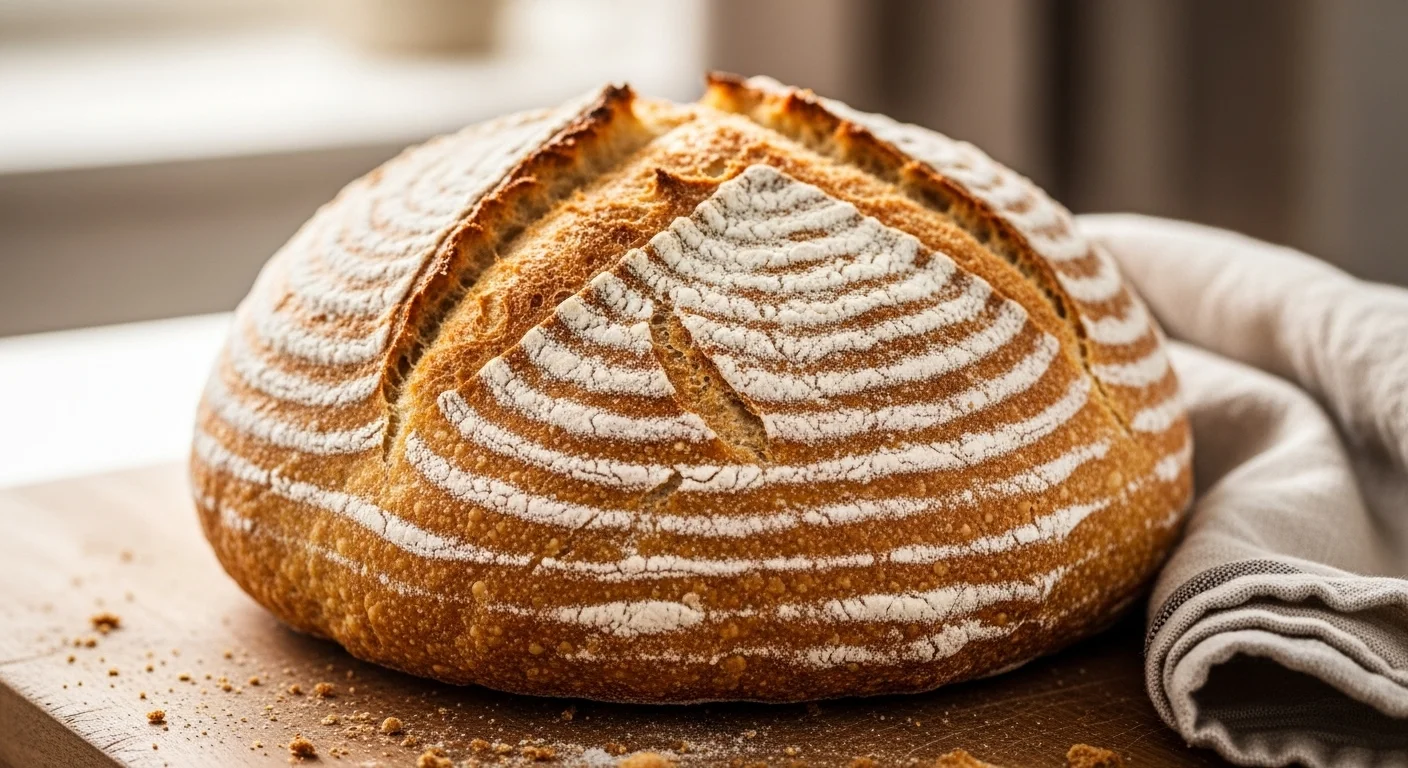
There’s something magical about the smell of freshly baked sourdough bread wafting through the kitchen. This classic round loaf, known as a boule, is not just a treat for the senses; it’s a labor of love that connects us to ancient baking traditions. You can find an excellent recipe for this delightful bread in The Perfect Sourdough Boule Recipe (A Classic Round Loaf).
Understanding Sourdough: The Basics
What is Sourdough Bread?
When I first ventured into the world of sourdough, I was surprised to learn that it’s not just any bread. Sourdough is a type of bread made from naturally occurring yeast and bacteria. Unlike commercial bread, which relies on store-bought yeast, sourdough ferments over a longer period, giving it that distinct tangy flavor and chewy texture. I remember the first time I took a bite of a homemade sourdough boule. The crust was crunchy, and the inside was soft and airy. It was more than bread; it was an experience.
The Role of Wild Yeast and Bacteria
What sets sourdough apart is the symbiotic relationship between wild yeast and lactic acid bacteria present in the starter. This combination not only helps the bread rise but also contributes to its unique taste and health benefits. I started my journey with a simple sourdough starter, mixing flour and water and letting it sit. Over time, I watched it bubble and grow, a small ecosystem developing right in my kitchen. It’s fascinating to think that these microbes have been used for thousands of years to create some of the best bread on the planet!
Benefits of Sourdough Over Commercial Bread
Aside from its delicious flavor, sourdough offers several advantages over commercial bread. First, the fermentation process breaks down gluten, making it easier to digest. I’ve noticed that I feel less bloated after enjoying a slice of homemade sourdough compared to store-bought options. Additionally, the longer fermentation time allows for better nutrient absorption. The bacteria in sourdough can also lower the bread’s glycemic index, which is a plus for anyone monitoring their blood sugar. These benefits made me feel more connected to what I was eating, and I appreciated the effort that went into creating each loaf.
Essential Ingredients for the Perfect Sourdough Boule
Flour: Types and Characteristics
The foundation of any great sourdough boule is, of course, the flour. I’ve experimented with different types, and each one brings its unique character to the bread. Bread flour is my go-to because it has a higher protein content, which helps create that strong gluten structure we all love. Whole wheat flour can add a nutty flavor and a bit more nutrition, while rye flour can introduce an earthy depth. I’ve learned that mixing flours can lead to exciting flavors and textures, so don’t be afraid to play around with your combinations!
Water: Importance of Hydration
Water is another crucial ingredient that can impact the final loaf. The hydration level refers to the amount of water relative to flour. I discovered that higher hydration doughs can create a more open crumb structure with those delightful holes. However, working with a wetter dough can be a bit tricky, especially for beginners. I recommend starting with a hydration level of around 70% and adjusting based on your comfort and experience. For those looking to dive deeper into the world of hydration, A Guide To High Hydration Sourdough (For Pros) is an excellent resource. Remember, the more you practice, the more you’ll learn what works best for you!
Salt: Enhancing Flavor and Strength
Salt not only brings out the flavor of the bread but also strengthens the dough by tightening the gluten structure. I always add salt after mixing my ingredients to ensure it doesn’t interfere with the yeast. It’s fascinating how such a simple ingredient can elevate the taste of sourdough so dramatically. I usually go for around 2% of the total flour weight, which seems to hit the sweet spot for flavor without overpowering the natural tang of the sourdough.
Starter: Creating and Maintaining a Sourdough Starter
Your sourdough starter is like your bread’s best friend. It takes time to create, but once you have it, maintaining it becomes part of your routine. I remember my first attempt at nurturing a starter; it felt like I was taking care of a pet! Feeding it flour and water regularly and watching it bubble up was so rewarding. I recommend using equal parts by weight of flour and water to feed it. Your starter should be bubbly and active when you’re ready to bake, which means it’s ready to help you create that perfect boule!
Step-by-Step Guide to Making Sourdough Boule
Preparing the Sourdough Starter
Before you dive into making your sourdough boule, it’s essential to have a vibrant starter ready. I usually take my starter out of the fridge a few hours before I plan to bake to give it time to wake up. I feed it a ratio of 1:1:1 (flour:water:starter) by weight. Watching the starter bubble and rise is like seeing a little miracle unfold. It’s also a great reminder of how alive this process is! Once it’s doubled in size and has a pleasant, tangy aroma, I know it’s ready to go. It’s such a rewarding feeling to reach this point; it’s like having a trusty companion on my baking journey.
Mixing Ingredients: The Autolyse Method
The next step is crucial: mixing the ingredients. I like to use the autolyse method, which involves mixing the flour and water first and letting it rest for about 30 minutes to an hour. This resting period allows the flour to fully absorb the water and the gluten to start developing. I remember being skeptical at first, wondering if this step was really necessary, but after trying it, I noticed a significant difference in the dough’s texture. It becomes so much easier to knead, and the resulting bread has a better crumb structure. Plus, it’s a nice little break where I can clean up the kitchen a bit!
Kneading: Techniques for Developing Gluten
After the autolyse, it’s time to knead. I’ve played around with different kneading techniques, but my favorite is the stretch and fold method. To do this, I dampen my hands slightly (this helps prevent sticking) and grab one side of the dough, stretching it up and folding it over itself. I repeat this process every 30 minutes during the bulk fermentation, which usually lasts around 3-4 hours. This gentle technique helps build strength without overly deflating the dough, and it’s a fantastic way to feel more connected to the dough as it transforms during the process.
Bulk Fermentation: Timing and Temperature Considerations
During bulk fermentation, I like to keep an eye on the dough’s development. The timing can vary based on room temperature, but I find that a warmer environment speeds things up nicely. I usually aim for around 75°F to 80°F, which creates the perfect conditions for the yeast and bacteria to do their work. I sometimes place my dough near a warm spot in the kitchen, like the oven with the light on. It’s exciting to watch it grow and bubble; I often find myself peeking under the towel to see how it’s progressing. The dough should roughly double in size, and the surface will become smooth and slightly domed, indicating that it’s ready for the next step.
Shaping the Boule: Techniques for a Round Loaf
Shaping the boule is one of my favorite parts of the process. I flour my work surface lightly and gently turn the dough out, taking care not to deflate it too much. I use a bench scraper to help me handle the dough. First, I shape it into a loose round by folding the edges into the center. Then, I flip it over and use my hands to create tension on the surface by pulling it towards me in a circular motion. This step is vital for achieving that beautiful round shape. I’ll let the shaped dough rest for about 20 minutes before doing a final shaping, which really helps develop a tight boule.
Final Proofing: How Long and What to Look For
Now comes the final proofing, where the dough gets its last rise before baking. I usually let it proof for about 1-2 hours at room temperature, but I’ve also tried the overnight fridge method for more complex flavors. I find that a cold proof enhances the sourness and makes the dough easier to handle. To check if it’s ready, I gently poke the dough with my finger. If it springs back slowly, it’s perfect; if it springs back too quickly, it might need a bit more time. This final rise is the moment when anticipation builds, and I can almost taste the delicious bread that’s about to come out of the oven!
Baking the Perfect Sourdough Boule
Choosing the Right Oven Setup
Baking sourdough bread is as much about the oven setup as it is about the dough itself. I’ve learned that the right environment can make a huge difference in the final outcome. My favorite setup involves using a baking stone or a cast iron Dutch oven. The reason behind this? Both options retain heat incredibly well, which helps create that beautiful crust we all crave. If you’re using a baking stone, make sure to place it in the oven during the preheating phase. This allows it to get hot enough to give your bread a good oven spring when it first hits the heat. I remember the first time I used a baking stone; the difference in crust and texture was astonishing!
Preheating and Baking Techniques
Preheating the oven is a crucial step. I usually preheat mine to around 450°F (232°C) and let it heat for at least 30 minutes. This ensures that the heat penetrates through the baking stone or Dutch oven, setting the stage for a great bake. When I’m ready to bake my boule, I carefully transfer it onto the hot stone or into the preheated Dutch oven. If I’m using a Dutch oven, I often cover it with the lid for the first half of the baking time. This traps steam, which is essential for getting that nice, crusty exterior. After about 20 minutes, I remove the lid to allow the crust to brown and crisp up. It’s a wonderfully satisfying moment when I hear that first crack as the crust forms!
Using a Dutch Oven vs. Baking Stone
Choosing between a Dutch oven and a baking stone can feel daunting, but I’ve found that both have their merits. The Dutch oven is fantastic for beginners because it makes it easier to create steam during the baking process. This steam helps the bread rise and develop a beautiful crust. I love how my bread bakes evenly in a Dutch oven, creating a perfect, golden-brown crust. On the other hand, a baking stone gives you more control over the baking environment and can accommodate larger loaves if you’re feeling adventurous. Personally, I enjoy switching between the two depending on my mood and the type of sourdough I’m making.
How to Know When It’s Done: Checking for Doneness
Knowing when your bread is done baking is key to achieving that perfect loaf. I’ve made my fair share of underbaked and overbaked loaves, so I’ve developed a few tricks to avoid these pitfalls. A good rule of thumb is to use a digital thermometer; I aim for an internal temperature of about 200°F to 210°F (93°C to 99°C). When I hear that hollow sound when tapping the bottom of the loaf, I know I’m on the right track. The crust should be deep golden brown, and when I slice into it, the crumb should be airy and light. There’s nothing quite like the moment when I cut into a freshly baked boule and see that perfect crumb structure; it’s pure joy!
Common Mistakes and How to Avoid Them
Underproofing vs. Overproofing
One of the most common issues I’ve faced in my sourdough journey is getting the proofing just right. Underproofing can lead to a dense loaf that doesn’t rise well, while overproofing can make the dough too slack, resulting in a flat bread. I’ve learned to trust my instincts more than the clock. If I poke the dough and it springs back slowly, it’s ready to bake. One time, I got too anxious and baked my bread before it was fully proofed, and the result was a heavy, sad-looking loaf. Now, I take the time to observe and feel the dough; it’s all about patience!
Issues with Crust: Too Thick or Too Soft?
The crust can be a tricky element to master. I’ve had my share of loaves with a crust that was either too thick and hard or too soft and pale. If my crust ends up too thick, I discovered it often results from too high of a baking temperature or not using steam. Conversely, a crust that’s too soft might mean I didn’t bake it long enough or didn’t create enough steam during the initial baking. I always try to err on the side of a longer bake with a covered Dutch oven to develop that crunchy crust I love!
Texture Problems: Dense or Gummy Bread
Dense or gummy bread is a heart-wrenching issue for any sourdough baker. I’ve experienced this firsthand, and it usually boils down to either underbaking or insufficient gluten development. If I notice my bread isn’t rising as it should during the bake, I check my kneading and fermentation techniques to ensure they’re on point. When I committed to properly developing the gluten through kneading and ensuring my dough was well-proofed, my loaves transformed. If you ever find yourself with a dense loaf, don’t be discouraged—take it as a learning opportunity to refine your process!
Enhancing Your Sourdough Experience
Flavor Variations: Adding Herbs, Seeds, and Other Ingredients
As I’ve grown more comfortable with sourdough baking, I’ve started experimenting with different flavors. Adding herbs, seeds, or even cheeses has opened up a whole new world for my sourdough creations. I remember the first time I folded in some roasted garlic and rosemary; it was a revelation! The aroma that filled my kitchen was heavenly. I love adding sunflower seeds or flaxseeds for a nutty crunch, and I’ve even tried incorporating olives for a Mediterranean twist. Don’t hesitate to get creative—your sourdough can be as unique as you want it to be!
Storing Your Sourdough Boule
Once you’ve baked the perfect boule, it’s essential to store it correctly to keep it fresh. I’ve learned the hard way that plastic can lead to a soggy crust, so I usually opt for a paper bag or a bread box. If I have leftover slices, I often freeze them for later use. I wrap them in parchment paper and then place them in a freezer bag to maintain freshness. When I’m ready to enjoy a slice, a quick toast brings back that delightful crunch!
Serving Suggestions: Pairing with Cheeses and Spreads
There’s nothing quite like enjoying a slice of warm sourdough with some good cheese or spreads. I’ve found that a sharp cheddar or a creamy brie pairs beautifully with the tanginess of the bread. If I’m feeling adventurous, I might whip up a homemade herb butter or a tapenade to spread on my slices. It’s such a treat to share my homemade sourdough with friends, and I love watching their faces light up as they take that first bite!
Frequently Asked Questions About Sourdough Boule
How long does it take to make sourdough bread?
The entire process can take anywhere from 12 to 48 hours, depending on your method and the fermentation times you choose. From mixing the starter to baking the loaf, patience is key!
Can I use all-purpose flour instead of bread flour?
Absolutely! I’ve used all-purpose flour in a pinch, and while the texture may differ slightly, it can still produce a lovely loaf. Just keep in mind that the gluten structure might not be as strong, so the rise may not be as high.
What is the best way to revive a sluggish starter?
If my starter seems sluggish, I give it a few feedings with equal parts flour and water, and keep it in a warm spot. Sometimes, just a little extra love can wake it right up!
How can I tell if my sourdough is ready to bake?
A great way to check is the poke test. If the dough springs back slowly, it’s ready. If it springs back quickly, it may need a bit more time to proof. Trust your instincts and the feel of the dough!
Frequently Asked Questions
What is sourdough bread?
Sourdough is a type of bread made from naturally occurring yeast and bacteria, which ferments over a longer period, giving it a distinct tangy flavor and chewy texture.
What are the benefits of sourdough over commercial bread?
Sourdough offers several advantages including easier digestion due to gluten breakdown, better nutrient absorption, and a lower glycemic index, making it a healthier option compared to commercial bread.
What ingredients are essential for making a perfect sourdough boule?
The essential ingredients for a perfect sourdough boule include flour (preferably bread flour for its higher protein content), water (hydration level is important), salt (for flavor and gluten strength), and a sourdough starter.
How do you create and maintain a sourdough starter?
To create a sourdough starter, mix equal parts by weight of flour and water and let it sit. Maintain it by regularly feeding it with the same ratio and ensuring it’s bubbly and active when ready to bake.
What is the autolyse method in sourdough baking?
The autolyse method involves mixing flour and water first and letting it rest for about 30 minutes to an hour, allowing the flour to absorb water and the gluten to start developing.
How can you tell if your dough is properly proofed?
You can check if your dough is properly proofed by performing the poke test. If it springs back slowly, it’s ready to bake; if it springs back quickly, it may need more time.
What is the ideal oven setup for baking sourdough bread?
The ideal oven setup includes using a baking stone or a cast iron Dutch oven, as both retain heat well and help achieve a beautiful crust on the bread.
How do you know when sourdough bread is done baking?
To check if the bread is done baking, aim for an internal temperature of about 200°F to 210°F. Additionally, tapping the bottom of the loaf should produce a hollow sound, and the crust should be deep golden brown.
What should you do if your crust is too thick or too soft?
If the crust is too thick, it may be due to a high baking temperature or lack of steam. Conversely, a crust that’s too soft might mean it wasn’t baked long enough or lacked steam during baking.
How should you store your sourdough boule to keep it fresh?
To keep sourdough fresh, store it in a paper bag or bread box instead of plastic to avoid a soggy crust. Leftover slices can be frozen in parchment paper and a freezer bag for later use.