
There’s something magical about a Dutch baby—its impressive puff and fluffy texture can turn any meal into a special occasion. When you add sourdough discard into the mix, it elevates this dish even further, creating a delightful twist! If you’re looking for more delicious ideas, check out The Best Boozy Dessert Recipes for an Adults-Only Treat.
Understanding Dutch Baby: A Culinary Overview
What is a Dutch Baby?
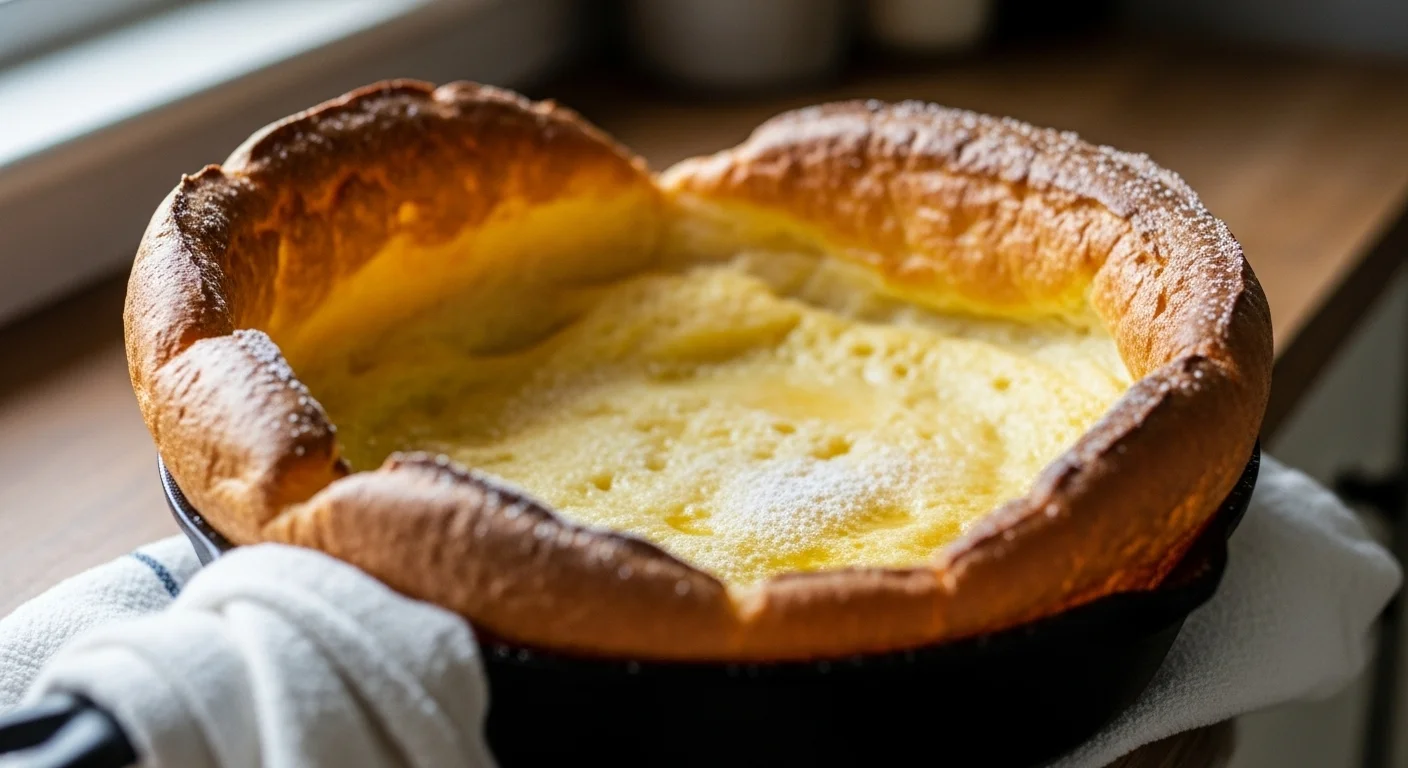
A Dutch baby, also known as a German pancake, is a large, fluffy pancake that puffs up impressively during baking. It starts off as a simple batter made from eggs, milk, flour, and sugar. When baked in a hot oven, the batter rises dramatically, creating a light and airy texture. What I love most about Dutch babies is how versatile they are—they can be served sweet or savory, making them perfect for breakfast, brunch, or even dinner! I remember the first time I had one; I was in awe of how something so simple could be so deliciously impressive.
History and Origins of Dutch Baby Pancakes
The origins of the Dutch baby pancake are quite fascinating. Many believe they were inspired by German pancakes, which are also known as “Pfannkuchen.” The dish became popular in the United States in the early 1900s, particularly in the Pacific Northwest. I’ve read that the name “Dutch baby” came from a mispronunciation of “Deutsch,” which means German. The recipe was first introduced at a restaurant in Seattle, and since then, it has become a favorite in many households, including mine!
The Role of Sourdough Discard in Cooking
What is Sourdough Discard?
If you’re into sourdough baking like I am, you’re probably familiar with the concept of sourdough discard. Sourdough discard refers to the portion of your sourdough starter that you remove before feeding it. Instead of tossing it out, I’ve learned it can be a fantastic ingredient in various recipes. It adds a unique tangy flavor and a bit of extra nutrition, too. Don’t let that goodness go to waste!
Benefits of Using Sourdough Discard in Recipes
Using sourdough discard in recipes brings a rich depth of flavor and can enhance the texture of the dish. When I first started using it in my baking, I noticed that it adds a subtle sourness that complements sweet and savory dishes alike. Plus, it’s a great way to utilize what would otherwise be waste. I feel good knowing I’m reducing food waste and still getting the most out of my starter. It’s a win-win situation! Recipes like pancakes, muffins, and, of course, Dutch babies benefit immensely from this addition. For a delicious breakfast option, you might also enjoy Easy Vegan French Toast (A Perfect Weekend Breakfast).
Ingredients for the Perfect Sourdough Discard Dutch Baby
Essential Ingredients
Making a sourdough discard Dutch baby is simple and doesn’t require many ingredients. Here are the essentials I always keep on hand:
- Sourdough Discard: This is the star of the show! Aim for about one cup.
- Eggs: I usually use three large eggs, which add richness and help the batter puff up beautifully.
- Milk: About half a cup of milk creates a smooth batter. You can use any kind of milk you prefer.
- Flour: A half cup of all-purpose flour works perfectly, but you can experiment with whole wheat or gluten-free options if you like.
- Butter: Melted butter adds flavor and helps create that crispy edge. I recommend using about four tablespoons.
- Sweetener: A couple of tablespoons of sugar will enhance the flavor, especially if you plan to serve it with sweet toppings.
- Salt: A pinch of salt balances the sweetness and enhances all the flavors.
Optional Add-Ins and Variations
One of the best parts about making a Dutch baby is the ability to customize it. Here are some optional add-ins I’ve tried and loved:
- Vanilla Extract: A teaspoon of vanilla can add a lovely aroma and flavor.
- Cinnamon or Nutmeg: Adding a pinch of these spices can give your Dutch baby a warm, cozy feel.
- Fruit Puree: Swirling in some fruit puree can add a vibrant color and extra sweetness.
- Cheese: For a savory twist, consider mixing in some grated cheese like cheddar or feta into the batter.
Experimenting with different ingredients has always been a fun part of my cooking journey, and I encourage you to do the same!
Step-by-Step Instructions to Make Sourdough Discard Dutch Baby
Preparing the Batter
Making a sourdough discard Dutch baby is a breeze! I love how quick it comes together, especially on a lazy weekend morning. To start, I gather all my essential ingredients: sourdough discard, eggs, milk, flour, melted butter, sugar, and a pinch of salt. I usually pull out my mixing bowl and whisk, which are my trusty companions in the kitchen.
First, I combine the sourdough discard, eggs, and milk in the bowl. I’ve found that whisking these ingredients together until smooth is key. It’s important to blend them well to ensure a uniform batter. Once that’s done, I sift in the flour, sugar, and salt, gently folding everything together. I avoid overmixing because I want that beautiful puff in the oven. Just a few strokes to combine, and I’m ready for the next step!
Baking the Dutch Baby
Now comes the exciting part! I preheat my oven to a sizzling 425°F (220°C), and while it’s heating up, I prepare my baking pan. I typically use a cast-iron skillet, which I think helps achieve that perfect crispy edge. I add the melted butter to the skillet and place it in the oven for about 5 minutes. This ensures the butter is bubbling hot when I pour in the batter.
Once the skillet is hot, I carefully take it out of the oven (watch out for that heat!). I pour the batter directly into the skillet, and I love how it immediately starts to sizzle. It’s that sound that gets me so excited! Then, I pop it back into the oven and let it bake for about 20-25 minutes. I usually peek through the oven door to watch the magic happen as the Dutch baby puffs up beautifully. The aroma fills my kitchen, making it hard to wait.
Tips for Achieving the Perfect Puff
Over the years, I’ve learned a few tips to ensure my Dutch baby turns out perfectly every time. Here’s what I recommend:
- Use a Hot Pan: Preheating the skillet with butter is non-negotiable. The hot pan is what makes it rise and puff up impressively.
- Don’t Open the Oven Door: I know it’s tempting, but try to resist the urge to peek too soon. Opening the door can cause the Dutch baby to deflate.
- Serve Immediately: Once it’s out of the oven, serve it right away. It starts to deflate as it cools, so enjoy it while it’s puffed and glorious!
Serving Suggestions and Toppings
Sweet Toppings: Fruits, Syrups, and Sugars
When it comes to serving my sourdough discard Dutch baby, I love to get creative with toppings! For sweet versions, I often go for fresh fruits like berries, sliced bananas, or peaches. I remember one morning, I topped it with warm maple syrup and a dusting of powdered sugar. It was a decadent treat! Sometimes, I’ll even add a dollop of whipped cream on top for an extra indulgence.
If I’m in the mood for something a bit different, I like to make a fruit compote by simmering mixed berries with a little sugar and lemon juice. Pouring that over the Dutch baby adds not just flavor but also a lovely visual appeal. It’s like a little piece of art on my plate!
Savory Options: Cheeses, Herbs, and Spices
On the savory side, I’ve experimented with various toppings, too. One of my favorites is to sprinkle grated cheese right before it finishes baking. Cheddar or goat cheese melts beautifully, adding a rich creaminess. I also enjoy adding fresh herbs like chives or rosemary for an aromatic touch.
Another savory version I love is to sauté some vegetables, like spinach or mushrooms, and fold them in before serving. This makes for a hearty brunch option and is perfect for impressing guests. I think this versatility is what makes Dutch babies so special—the possibilities are endless!
Common Mistakes to Avoid When Making Dutch Babies
Overmixing the Batter
One mistake I see many people make is overmixing the batter. It’s so easy to get carried away, but I’ve learned that the more you mix, the less puffy your Dutch baby will be. A few gentle folds to combine the ingredients is all you need!
Inadequate Preheating of the Oven
Another common pitfall is not preheating the oven sufficiently. Trust me, a hot oven is crucial for that dramatic rise. I always make sure my oven is fully heated before I bake, so the Dutch baby can puff up to its full potential.
Using the Wrong Pan
Lastly, using the wrong pan can greatly affect the outcome. I’ve had the best results with a cast-iron skillet, but you can also use a metal or oven-safe glass dish. Just avoid non-stick pans, as they often don’t get hot enough to create that perfect crispy edge.
Storage and Reheating Tips
How to Store Leftovers
After a delightful breakfast or brunch featuring my sourdough discard Dutch baby, I often find myself with delicious leftovers. Storing them properly is key to keeping them tasty for later. I typically let any leftover pieces cool down to room temperature first. Once they’ve cooled, I cut them into slices or leave them whole, depending on how I plan to reheat them. Then, I place them in an airtight container. If I know I won’t eat them within a few days, I like to wrap them tightly in plastic wrap before putting them in the container to prevent them from drying out. Stored this way, they can last in the fridge for about 3 to 4 days.
If I want to keep them for an even longer time, I’ve discovered that freezing is a great option. I simply wrap each slice in plastic wrap and then place them in a freezer bag, squeezing out as much air as possible to prevent freezer burn. They can last in the freezer for up to 2 months. When I’m ready to enjoy them again, I just pull out a slice or two and let them thaw in the fridge overnight.
Best Methods for Reheating
Reheating my Dutch baby is a breeze, and I’ve found that there are a couple of methods that work best. If I’m reheating a slice, I often use the microwave for convenience. I place the slice on a microwave-safe plate and cover it with a damp paper towel to keep it moist. I heat it in 30-second intervals until it’s warm. But I’ve learned that this method can sometimes lead to a slightly soggy texture.
For a better texture, especially if I’m reheating a whole Dutch baby, I opt for the oven. I preheat it to 350°F (175°C) and place the Dutch baby on a baking sheet. Covering it loosely with foil helps retain moisture while preventing it from browning too much. I usually heat it for about 10-15 minutes, and it comes out warm and fluffy, just like when I first baked it!
Frequently Asked Questions (FAQs)
Can I use other types of flour?
Absolutely! I’ve experimented with various types of flour, and each brings a unique flavor and texture to the Dutch baby. Whole wheat flour adds a nuttier taste and a bit more density, while gluten-free blends can work well too. I remember trying almond flour for a nutty flavor, and it turned out delicious. Just keep in mind that different flours may affect the rise and texture, so adjustments might be necessary!
What can I substitute for eggs?
If you’re looking for egg substitutes, I’ve found a few great options that work well in Dutch babies. One of my favorites is using flaxseed meal; mixing one tablespoon of flaxseed meal with three tablespoons of water creates a gel-like consistency that mimics eggs. Applesauce or mashed bananas can also serve as a substitute, adding a bit of sweetness and moisture. I recommend experimenting to see which option you like best—it’s all about finding what works for your taste!
How do I make a gluten-free version?
Making a gluten-free Dutch baby is easier than I initially thought! I simply swap out the all-purpose flour for a gluten-free flour blend. There are many good options available, but I recommend a blend that includes xanthan gum for better texture. I’ve personally had success with a mix of almond flour and coconut flour, which gives it a unique flavor and texture. Just remember to check that your sourdough discard is gluten-free if you’re sensitive to gluten!
Exploring Variations of Dutch Baby Recipes
Fruit-Stuffed Dutch Babies
One of the most delightful variations I’ve tried is a fruit-stuffed Dutch baby. Instead of just serving the fruit on top, I mix fresh, chopped fruits like apples or berries directly into the batter before baking. The fruit caramelizes as it cooks, creating pockets of sweetness and juicy flavor throughout the Dutch baby. I think it’s a fantastic way to enjoy seasonal fruits, and I love how colorful it looks when it comes out of the oven!
Chocolate Dutch Baby
If I’m feeling a little indulgent, I sometimes whip up a chocolate Dutch baby. I simply add cocoa powder to the batter, which gives it a rich, chocolatey flavor. It pairs perfectly with fresh berries and a drizzle of chocolate sauce or whipped cream. It’s a great option for dessert or a special brunch treat. I remember serving it at a gathering once, and everyone was raving about how it tasted like a chocolate souffle!
Herb and Cheese Dutch Baby
For a savory twist, I often make an herb and cheese Dutch baby. I add fresh herbs like thyme or basil into the batter, along with a generous handful of grated cheese. The combination creates a wonderful flavor profile that’s perfect for brunch or even dinner. I love serving it with a light salad on the side for a complete meal. It’s amazing how versatile Dutch babies can be, and I’m always excited to try new variations!
Final Thoughts
As I reflect on my journey with sourdough discard Dutch babies, I can’t help but feel grateful for the delicious experiences they’ve brought into my kitchen. Each time I whip up this fluffy delight, it feels like a little celebration. This dish has not only become a staple in my cooking repertoire but also a canvas for creativity. I love how it can be transformed into a sweet breakfast, a savory brunch, or even a comforting dinner, all while utilizing my sourdough discard in a way that feels sustainable and purposeful.
Another aspect that I appreciate is the community surrounding recipes like this one. Whenever I share my Dutch baby creations with friends and family, the reactions are always filled with joy and surprise. It’s such a pleasure to introduce them to something that might be new to them, yet feels so familiar and comforting at the same time. Cooking becomes more than just about the food; it’s a way to connect, to share stories, and to create lasting memories.
In my opinion, every kitchen should have room for a Dutch baby recipe. It’s a wonderful way to showcase seasonal ingredients or make use of leftovers, like those ripe bananas or berries that need a new life. I encourage you to experiment with different variations, whether it’s adding your favorite fruits, trying out different spices, or even making it a savory dish packed with veggies and cheese. The possibilities are endless, and each attempt offers a new flavor experience.
So, the next time you find yourself with some sourdough discard, don’t hesitate! Gather your ingredients, preheat that oven, and let the magic happen. I promise you won’t regret it. And remember, cooking is about joy, exploration, and, most importantly, making delicious memories. Happy baking!
Frequently Asked Questions
“`htmlWhat is a Dutch baby?
A Dutch baby, also known as a German pancake, is a large, fluffy pancake that puffs up impressively during baking. It is made from a simple batter of eggs, milk, flour, and sugar, and can be served sweet or savory for any meal.
What is sourdough discard?
Sourdough discard refers to the portion of sourdough starter that is removed before feeding it. Instead of throwing it away, it can be used as an ingredient in various recipes, adding a unique tangy flavor and extra nutrition.
What are the essential ingredients for a sourdough discard Dutch baby?
The essential ingredients include sourdough discard (about one cup), three large eggs, half a cup of milk, half a cup of flour, four tablespoons of melted butter, a couple of tablespoons of sugar, and a pinch of salt.
How do I make a Dutch baby puff up?
To achieve a perfect puff, preheat your skillet with butter before pouring in the batter, avoid opening the oven door while baking, and serve immediately after taking it out of the oven.
What toppings can I use for a Dutch baby?
For sweet versions, you can use fresh fruits, syrups, or whipped cream. For savory options, consider adding grated cheese, fresh herbs, or sautéed vegetables.
How should I store leftovers of a Dutch baby?
Let the leftovers cool to room temperature, then store them in an airtight container. They can last in the fridge for about 3 to 4 days or can be frozen for up to 2 months if wrapped tightly.
What is a common mistake to avoid when making a Dutch baby?
Common mistakes include overmixing the batter, not preheating the oven sufficiently, and using the wrong type of pan. It’s best to use a cast-iron skillet or an oven-safe metal dish for optimal results.
Can I make a gluten-free Dutch baby?
Yes, to make a gluten-free version, simply substitute the all-purpose flour with a gluten-free flour blend. Ensure that your sourdough discard is also gluten-free if you are sensitive to gluten.
What are some variations of Dutch baby recipes?
Variations include fruit-stuffed Dutch babies, chocolate Dutch babies with cocoa powder, and herb and cheese Dutch babies with fresh herbs and grated cheese mixed into the batter.
Can I substitute eggs in a Dutch baby recipe?
Yes, you can use substitutes like flaxseed meal mixed with water, applesauce, or mashed bananas as alternatives to eggs, each adding different flavors and moisture to the dish.
“`