
Chicken stir-fry is a quick and delicious way to bring a burst of flavor to your dinner table. With endless veggie options, it’s a versatile dish that anyone can master! For a quick and easy recipe, check out The Internet’s Favorite 12-Minute Chicken Stir-Fry Is Real.
Understanding Chicken Stir-Fry
What is Chicken Stir-Fry?
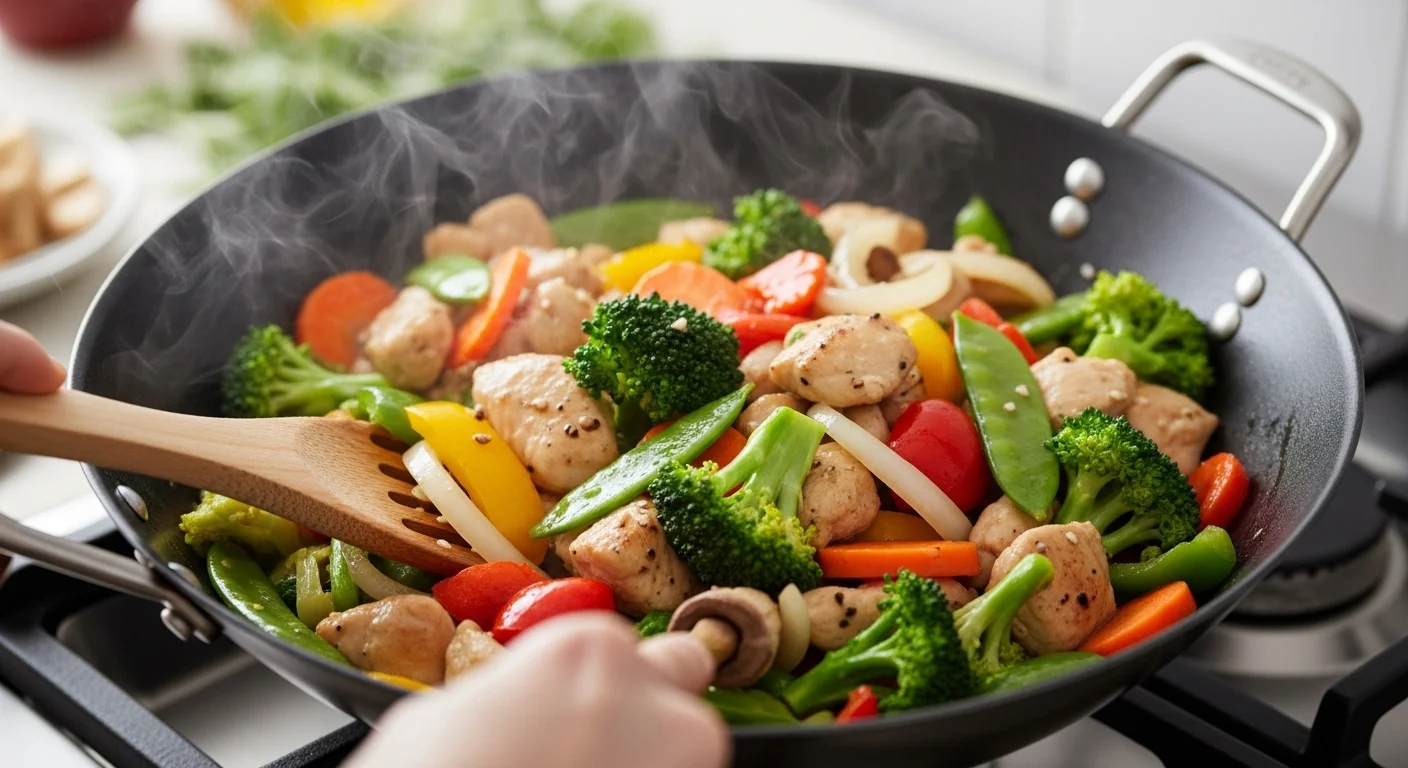
Chicken stir-fry is a fast-cooking method that involves quickly frying bite-sized pieces of chicken with a variety of vegetables in a hot wok or skillet. I love how this technique allows the ingredients to retain their colors, textures, and nutrients. It’s all about the sizzle—cooking at high heat for a short period, which helps to seal in the flavors and create a delightful dish. You can use almost any combination of veggies, making it a perfect way to clean out the fridge while enjoying a hearty meal. For me, the best part is that you can customize it to suit your taste buds or whatever you have on hand!
History and Origin of Stir-Fry Cooking
The roots of stir-fry cooking trace back to ancient China, where it evolved as a method to prepare meals quickly. I learned that the concept of stir-frying emerged over 2,000 years ago when people began using metal woks on open flames. This technique was not only practical but also efficient, allowing families to cook food rapidly with minimal resources. I find it fascinating how this cooking method has spread across the globe, influencing cuisines in countries like Thailand, Vietnam, and beyond. Each culture has adapted stir-fry to include local ingredients and flavors, which adds to its appeal. Trying stir-fry recipes from different cultures has truly broadened my culinary experience!
Key Ingredients for Chicken Stir-Fry
Choosing the Right Chicken
When it comes to chicken stir-fry, I always opt for chicken breast or thighs. Chicken breast is leaner and cooks quickly, while thighs offer a bit more flavor and juiciness. I remember the first time I used thighs in a stir-fry; the extra richness made a noticeable difference! If you have leftovers, shredded or diced cooked chicken can also work in a pinch. The key is to cut the chicken into uniform pieces so they cook evenly. I recommend marinating the chicken briefly to infuse it with flavor before cooking.
Essential Stir-Fry Vegetables
One of the best parts of chicken stir-fry is the variety of vegetables you can use. My favorites include bell peppers, broccoli, snap peas, and carrots. They not only add color but also a nice crunch. I often find myself experimenting with whatever I have in my fridge. Zucchini, mushrooms, and even leafy greens like bok choy can make a great addition. The beauty of stir-frying is that you can mix and match based on the season or your personal preferences. I’ve discovered that using a rainbow of veggies not only makes the dish more appealing but also packs it with nutrients!
Common Stir-Fry Sauces
When it comes to sauces, I believe that they can make or break your stir-fry. A simple combination of soy sauce, garlic, and ginger is a classic choice. However, I’ve also enjoyed experimenting with other sauces like oyster sauce, teriyaki, or even a spicy chili sauce for a kick. If you’re feeling adventurous, you can make your own sauce by mixing together soy sauce, sesame oil, rice vinegar, and a touch of honey. This gives you that sweet and savory profile that complements the chicken and vegetables beautifully. It’s all about finding the perfect balance of flavors that suits your palate! For a delicious teriyaki option, try 20-Minute Chicken Teriyaki (Juicy & Saucy).
Seasonings and Spices for Flavor
While the sauce is crucial, don’t forget about the seasonings! I always keep a few staples on hand, such as garlic and ginger, to add depth to my stir-fry. You can use fresh or powdered garlic, but I find that fresh garlic provides a more robust flavor. Adding a pinch of red pepper flakes or a splash of sesame oil can elevate the dish and add some warmth. I also like to finish with a sprinkle of green onions or sesame seeds for that extra touch. These small details make a big difference in the final dish!
Preparing Your Chicken Stir-Fry
How to Cut Chicken for Stir-Frying
Getting the chicken cut just right is crucial for a successful stir-fry. I’ve learned that slicing the chicken thinly against the grain makes a world of difference. This helps the meat stay tender and cook evenly. I usually take my chicken breast or thighs and trim off any excess fat before slicing them into bite-sized pieces. If you’re in a hurry, placing the chicken in the freezer for about 15-20 minutes before cutting can make it firmer and easier to slice. I always aim for uniform pieces; it ensures that every bite cooks just right. I recommend cutting them about 1/4-inch thick, which is the sweet spot for stir-frying.
Prepping Vegetables: Tips and Techniques
Prepping vegetables can be a fun part of the process! I often wash my veggies and cut them into similar sizes to ensure they cook at the same rate. For instance, I chop bell peppers into strips and slice carrots into thin rounds or matchsticks. I find that broccoli florets should be bite-sized to fit nicely on the fork. One tip I picked up is to group veggies by cooking time—harder vegetables like carrots and broccoli can go in at the beginning, while softer ones like snap peas or spinach should be added later. I also love to keep my veggie colors vibrant by rinsing them under cold water before cooking, especially if they’re starting to lose that fresh crunch.
Marinating Chicken: Benefits and Methods
Marinating is one of my favorite steps when it comes to chicken stir-fry. It’s like giving the chicken a flavor boost before it even hits the pan! A simple marinade can be made with soy sauce, a bit of sesame oil, and a splash of rice vinegar. I usually let the chicken marinate for about 15-30 minutes; this not only enhances the flavor but also helps to tenderize the meat. I’ve also tried adding some cornstarch to my marinade, which creates a nice coating that helps with that perfect stir-fry sear. Just be careful not to marinate for too long, as the chicken can become too salty or mushy.
Cooking Techniques for Stir-Frying
Choosing the Right Pan or Wok
Choosing the right pan can make or break your stir-fry experience. I’ve found that a good-quality wok or a large skillet works best. The high sides of a wok help to contain all the ingredients and allow for easy tossing. If I’m in a pinch, a non-stick skillet can work, but I prefer a well-seasoned cast-iron or carbon steel wok for the best results. I’ve learned that these types of pans heat up quickly and evenly, allowing for that high-heat cooking that’s essential in stir-frying.
Heat Levels and Their Importance
Heat control is something I had to practice to get right. I’ve discovered that a high heat setting is crucial for stir-frying. It may seem intimidating at first, but it helps to achieve that lovely sear on the chicken and vegetables. I usually preheat my pan until it’s hot enough to make a drop of water sizzle. Once I add the oil, it should shimmer right away. If it starts to smoke, I know I’m ready to go! I’ve noticed that if the heat is too low, the ingredients can steam instead of fry, which is definitely not what we want.
Step-by-Step Cooking Process
The cooking process is fast-paced, which is part of the fun! I start by adding oil to my hot wok, followed by the marinated chicken. I let it sear for a couple of minutes before stirring. Then I add the harder vegetables first, giving them a head start. I usually keep things moving by tossing the ingredients around constantly to ensure even cooking. This method not only helps achieve that slight char but also keeps everything from sticking. After a few minutes, I introduce the softer veggies and continue to stir-fry until everything is tender yet still crisp.
How to Achieve the Perfect Sear
A perfect sear is all about technique. I’ve learned that not overcrowding the pan is essential; if I pack in too many ingredients at once, they’ll steam rather than sear. I often stir-fry in batches if I have a lot to cook. Another trick I use is to let the chicken sit undisturbed for a minute or so before stirring, which helps develop that golden-brown crust. I also keep a close eye on the timing; cooking too long can lead to dryness, which is something I’ve experienced firsthand. I prefer my chicken cooked through but still juicy, and once I see that beautiful color, I know I’m onto something good!
Customizing Your Chicken Stir-Fry
Using Seasonal Vegetables
One of the things I absolutely love about chicken stir-fry is how adaptable it is based on what’s available. I’ve found that using seasonal vegetables not only enhances the flavor but also supports local farmers and reduces my grocery bill. For example, in the spring, I’ll often include asparagus and snap peas, while summer calls for zucchini and bell peppers. Fall is perfect for hearty vegetables like butternut squash and Brussels sprouts. I remember one autumn night when I tossed in some caramelized pumpkin chunks – it added a sweet touch that surprised everyone at dinner! By keeping an eye on what’s in season, I can create vibrant, fresh dishes that celebrate the changing seasons.
Adding Protein Alternatives
While chicken is my go-to protein for stir-fry, I’ve enjoyed experimenting with other options. Sometimes, I’ll switch things up and use shrimp or beef, which can bring a new twist to the dish. Tofu is another fantastic protein alternative that’s perfect for soaking up flavors. I first tried tofu in a stir-fry when a friend suggested it, and I was amazed at how well it complemented the other ingredients. For those who love experimenting with flavors, you can even mix proteins—like adding a little shrimp along with chicken for a seafood twist! The key is to adjust cooking times, as different proteins require varying times to cook through.
Making it Vegetarian or Vegan
For my vegetarian and vegan friends, chicken stir-fry can easily be transformed into a delicious plant-based meal. I’ve learned that by simply replacing the chicken with a hearty variety of vegetables and plant-based proteins, you can still achieve a satisfying stir-fry. Seitan or tempeh can be great substitutes, giving that meaty texture without the animal products. I also like to experiment with chickpeas or lentils; they not only boost the protein content but also add a fun texture. When I made a vegan stir-fry with chickpeas and a colorful array of veggies, it was a hit with everyone at the table! Cooking this way taught me that you don’t need meat to have a fulfilling meal; vibrant vegetables and spices can create just as much satisfaction.
Serving Suggestions
What to Serve with Chicken Stir-Fry
When it comes to serving chicken stir-fry, I love pairing it with a side that complements the flavors without overwhelming them. My go-to is usually steamed jasmine or brown rice, which soaks up the savory sauce beautifully. Sometimes, I opt for quinoa for a nutty flavor and a bit of a protein boost. If I’m feeling adventurous, I’ll make some fried rice by sautéing leftover rice with a splash of soy sauce, scrambled egg, and green onions. I find that adding a light, refreshing salad on the side, like a simple cucumber or sesame salad, balances the meal perfectly. The crunch of the salad provides a nice contrast to the hot stir-fry, making each bite an enjoyable experience. For a healthy option, I recommend Easy Chicken And Broccoli Stir-Fry (A Healthy Go-To).
Presentation Tips for a Beautiful Dish
Presentation can elevate a meal, and I’ve discovered that taking a little extra time to plate my stir-fry makes a difference! I like to serve my chicken stir-fry in a large bowl, showcasing the vibrant colors of the veggies and the glossy sauce. I often sprinkle some toasted sesame seeds or chopped green onions on top for a pop of color and texture. Adding a wedge of lime or lemon on the side not only looks appealing but also allows everyone to brighten their dish with a squeeze of citrus if they choose. I remember the first time I plated my stir-fry like this; it received so many compliments! It reminded me that we eat with our eyes first, and a beautifully presented dish can make the meal feel extra special.
Storing and Reheating Leftovers
Proper Storage Techniques
Leftovers from my chicken stir-fry can be just as delicious the next day, but I’ve learned that proper storage is key. I always let my stir-fry cool down before transferring it to an airtight container. This prevents condensation from forming and keeps everything fresh. I usually separate the sauce from the vegetables if I plan to keep them for more than a day; this helps maintain the crunch of the veggies. The best part? Most stir-fries can last in the fridge for about 3-4 days, making them perfect for meal prep! I remember a week when I made a big batch and enjoyed it for lunches—I was so glad I did!
How to Reheat Without Losing Flavor
When reheating, I want to ensure my stir-fry retains its original flavors and textures. I usually opt for the stovetop method, as it helps bring back that fresh taste. I add a splash of water or broth to the pan, cover it, and heat it gently until warmed through. This steam helps revive the veggies without making them mushy. If I’m in a hurry, the microwave works too, but I’ll use a microwave-safe dish and cover it to keep moisture in. I remember the first time I microwaved leftover stir-fry; it turned out soggy. Since then, I’ve been careful to reheat it right! A quick reheat is all it takes to enjoy that delicious meal again.
Common Mistakes to Avoid
Overcooking Chicken and Vegetables
One of the biggest pitfalls I’ve encountered with stir-frying is overcooking the chicken and vegetables. It can be tempting to leave them in the pan for just a little longer, but I quickly learned that doing so can lead to dry chicken and mushy veggies. I always keep a close eye on the cooking times and taste as I go. If I see the chicken is just cooked through and the vegetables are still vibrant, I take them off the heat. I remember one time I got distracted by a phone call and ended up with a stir-fry that was less than appetizing. Now, I make it a point to stay focused during cooking!
Using Too Much Sauce
While sauce is essential, I’ve learned that using too much can overwhelm the dish. I usually start with a small amount, adding more as needed. It’s easy to pour in a generous amount, but I’ve found that a little goes a long way. If I notice excess sauce pooling at the bottom of the pan, I know I’ve overdone it. Balancing the flavors is key, and I strive to let the natural taste of the chicken and veggies shine through. I remember a stir-fry I made with way too much sauce; it turned into more of a soup than a stir-fry, and it was definitely a learning moment!
Not Preparing Ingredients Ahead of Time
Preparation is everything when it comes to a successful stir-fry. I’ve made the mistake of chopping ingredients while the pan is heating, which can lead to uneven cooking and a chaotic cooking experience. Now, I take the time to prep everything beforehand. I chop my chicken, veggies, and measure out my sauces before I even turn on the stove. This way, everything is ready to go, and I can focus on the cooking process. I remember reading about a chef who prepped all their ingredients in little bowls before cooking, and I decided to give it a try. It made a world of difference! Now I feel more organized and relaxed while cooking.
Frequently Asked Questions
Can I Use Frozen Vegetables?
Absolutely! I’ve used frozen vegetables in my stir-fry more than once, especially when I’m in a hurry. They’re convenient and often just as nutritious as fresh ones. The key is to not overcrowd the pan and to add them straight from the freezer. I find that a quick stir-fry helps them retain their crunch, and they can be a lifesaver when I haven’t had time to shop for fresh produce.
How Long Does it Take to Cook Stir-Fry?
The cooking time for stir-fry is typically around 10-15 minutes, depending on your ingredients. I’ve found that the actual frying happens quickly once your prep is done. It’s all about high heat and keeping everything moving in the pan. If I’m using tougher cuts of meat or denser vegetables, like carrots, I give them a head start before adding softer ingredients.
What Are Some Popular Stir-Fry Variations?
There are endless variations of stir-fry, which is one of the reasons I love it so much! From classic chicken and broccoli to spicy Szechuan shrimp, each version tells a different flavor story. I’ve enjoyed experimenting with different cuisines too, like Thai basil chicken or Korean beef bulgogi stir-fry. I think what makes it most fun is mixing up the sauces and spices to create something uniquely my own!