
There’s a delightful food trend sweeping through kitchens everywhere: the Lebanese hummus bowl. It’s not just a dip anymore; it’s a full meal that feels as though it belongs in a fine restaurant, and I’m excited to share how you can create this at home!
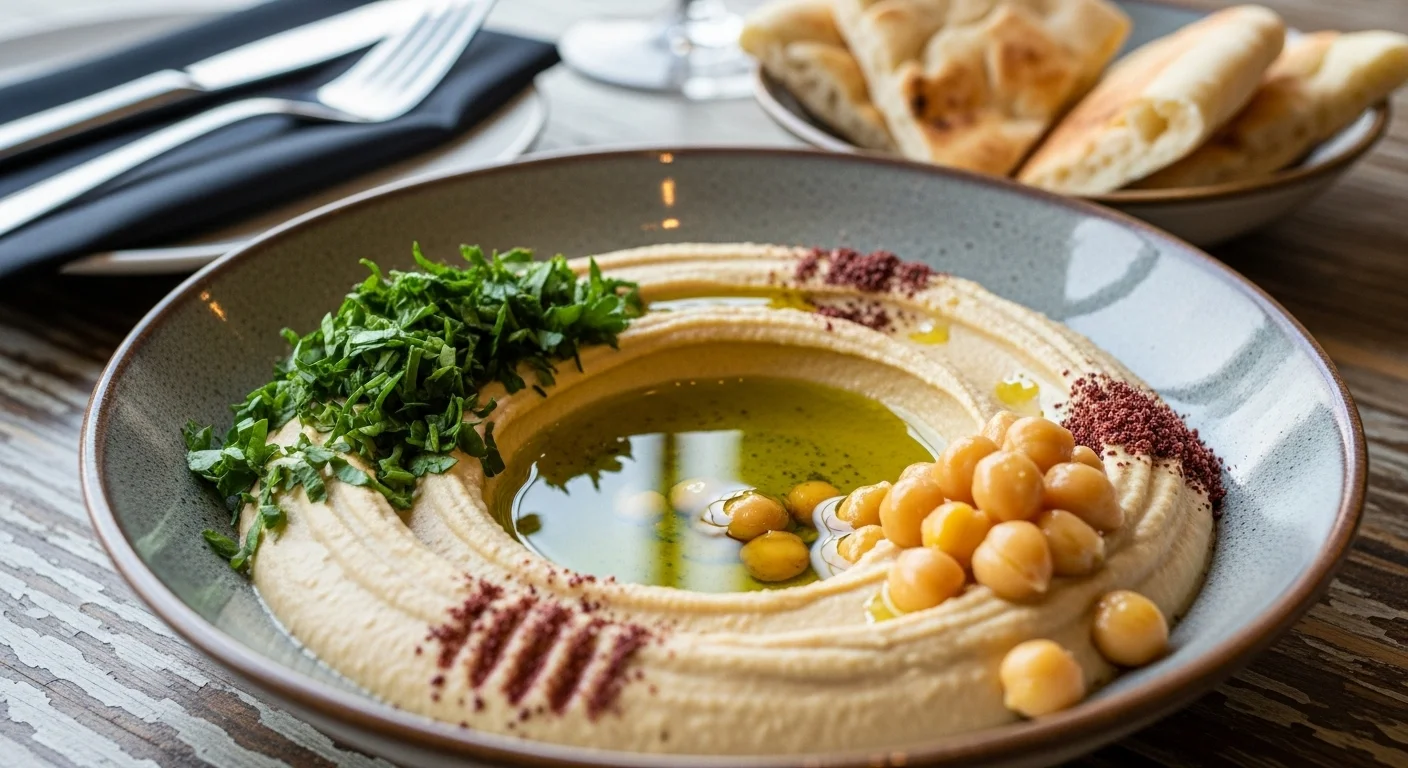
The Art of Crafting a Restaurant-Level Hummus Bowl
Creating a Lebanese hummus bowl at home might seem like a daunting task, but I assure you, it’s a lot easier than you think. I remember the first time I tried a hummus bowl at a trendy restaurant. The combination of creamy hummus, fresh toppings, and vibrant colors was nothing short of mesmerizing. I wanted to recreate that experience in my own kitchen, and after some experimentation, I found the perfect formula. Let me take you through it.
Choosing the Right Hummus Base
The foundation of any great hummus bowl is, of course, the hummus itself. While you can buy pre-made hummus, I highly recommend making your own. It’s simple, and you can customize it to your taste. For me, the classic tahini-based hummus is the way to go. Start with the following ingredients:
- 1 can of chickpeas (or 1.5 cups cooked chickpeas)
- 1/4 cup fresh lemon juice
- 1/4 cup tahini
- 1 small garlic clove, minced
- 2 tablespoons olive oil
- 1/2 teaspoon ground cumin
- Salt to taste
- Water as needed for consistency
When I first made hummus, I was surprised at how easy it was. I simply blended the chickpeas, lemon juice, tahini, garlic, olive oil, cumin, and salt in a food processor. The key is to add water gradually until you reach a smooth, creamy consistency. This step is crucial because it sets the stage for everything that follows.
Creating Flavorful Toppings
Now that you have your base, let’s talk toppings. This is where the magic happens. The beauty of a hummus bowl lies in its versatility; you can truly use whatever ingredients you love. Some of my favorite toppings include:
- Diced cucumbers
- Cherry tomatoes, halved
- Pickled turnips
- Olives (I love Kalamata for their rich flavor)
- Sliced radishes
- Fresh herbs like parsley or mint
- Roasted chickpeas for crunch
- Pine nuts or walnuts for a nutty addition
When I prepare my hummus bowls, I often choose a mix of fresh and roasted ingredients. For instance, I’ll add diced cucumbers and halved cherry tomatoes for freshness, while also incorporating roasted chickpeas for that satisfying crunch. If I’m feeling adventurous, I might even throw in some spiced ground beef or lamb, which elevates it to a whole new level. Kid-Friendly Meal Plan: Easy Recipes for Breakfast, Lunch, and Dinner can offer more ideas for family-friendly additions!
Layering Your Bowl
The visual appeal of your hummus bowl is just as important as the taste. I’ve learned that layering is key. Start with a generous scoop of hummus at the bottom of your bowl. Then, arrange your toppings artfully on top. I like to create sections in my bowl, with each topping getting its own space. This not only looks beautiful but also allows for a variety of flavors in every bite.
One of my favorite layering techniques is to create a small well in the center of the hummus and drizzle some extra-virgin olive oil into it. This not only looks stunning but also adds a rich flavor that ties the whole dish together. You can even sprinkle some smoked paprika or sumac for a pop of color and flavor.
Adding a Dressing or Sauce
While the hummus and toppings are fantastic on their own, I’ve found that a finishing touch can take your bowl to the next level. A drizzle of tahini sauce, yogurt, or even a spicy harissa can add depth and richness. For a simple tahini dressing, mix tahini with water, lemon juice, garlic, and a pinch of salt until smooth. It’s an easy way to elevate your dish.
Serving and Enjoying
When it’s time to serve, I like to present my bowl with a side of warm pita bread or fresh veggies for dipping. It creates a communal feel, inviting everyone to dig in and share. Plus, it’s a fun way to enjoy the hummus by scooping it up with pita or crunchy vegetables.
As we indulge in this delicious Lebanese hummus bowl, I can’t help but feel a sense of satisfaction. Not only are we enjoying a meal that’s packed with flavors and textures, but we’re also embracing a beautiful culinary tradition. Every bite takes me back to those lovely restaurants where I first discovered this dish, and I can’t wait to share my version with friends and family.
Variations to Explore
One of the things I love most about the Lebanese hummus bowl is its adaptability. It’s like a blank canvas ready for your culinary creativity! Over time, I’ve experimented with various flavors and ingredients, and each variation has left me with a new favorite. Here are a few fun twists that I think you should try.
Spicy Hummus Bowl
If you’re a fan of heat, a spicy hummus bowl might just be your new go-to. I like to add a swirl of sriracha or harissa into the hummus before I layer in my toppings. The heat pairs beautifully with the creamy hummus and fresh toppings. You might also consider adding jalapeños or chili flakes on top for an extra kick. I remember the first time I made this version; it transformed my usual hummus bowl into a fiery feast!
Mediterranean Hummus Bowl
For a Mediterranean twist, I love incorporating flavors typical of that region. You can add roasted red peppers, feta cheese, and artichoke hearts to your bowl. I often garnish it with a sprinkle of za’atar, a Middle Eastern spice blend that adds a unique depth of flavor. The combination of savory feta and the slight tang of the artichokes creates a delicious contrast with the smooth hummus. It makes every bite feel like a mini vacation to the Mediterranean coast!
Breakfast Hummus Bowl
Who says hummus can only be enjoyed at lunch or dinner? I’ve started enjoying hummus bowls for breakfast, and let me tell you, it’s a game changer. I add poached eggs on top of my hummus, along with sliced avocado and a sprinkle of everything bagel seasoning. The creamy yolk melds with the hummus, creating a rich, satisfying start to my day. I often serve it with whole-grain toast on the side. This breakfast bowl is not only filling but also a delightful way to kick off the morning.
Seasonal Hummus Bowl
Embracing seasonal ingredients is a wonderful way to keep your hummus bowl exciting throughout the year. I love visiting farmers’ markets and picking up fresh produce that’s in season. During the summer, I might use juicy heirloom tomatoes, sweet corn, and basil. In the fall, roasted butternut squash or even caramelized onions can add a warm sweetness that complements the hummus perfectly. I’ve noticed that using seasonal ingredients not only enhances the flavor but also makes my bowls more vibrant and visually appealing.
Vegan and Plant-Based Bowls
For those of us who follow a vegan or plant-based diet, the hummus bowl is incredibly accommodating. You can load it up with a variety of veggies, nuts, and seeds while keeping it entirely plant-based. I love adding marinated tofu or tempeh for protein and a satisfying texture. You can even use raw veggies like carrots, bell peppers, and snap peas, which add a refreshing crunch. I once prepared a fully vegan bowl for a gathering, and everyone was surprised at how satisfying and delicious it was!
International Influences
If you’re feeling adventurous, don’t hesitate to draw inspiration from international cuisines. I’ve tried making a Korean-inspired hummus bowl by adding kimchi, sesame seeds, and green onions. The tangy kimchi adds a great contrast to the creamy hummus, and it’s a fantastic fusion of flavors. Similarly, using Mexican-inspired toppings like pico de gallo, avocado, and cilantro can create a fresh, zesty bowl. The key is to have fun and mix flavors you love!
Pairing Your Hummus Bowl
As much as I enjoy the hummus bowl itself, I’ve found that the right pairing can elevate the meal even further. For a simple side, I recommend a refreshing tabbouleh salad made with parsley, mint, tomatoes, and bulgur. It complements the hummus perfectly and adds an extra layer of texture. I sometimes serve a light soup, like a lemony lentil soup, alongside my hummus bowl, which creates a warm, comforting meal.
If you’re hosting a gathering, consider setting up a hummus bowl bar! I’ve done this a few times, and it’s always a hit. I prepare different types of hummus and various toppings, allowing guests to customize their bowls. This interactive experience not only makes everyone feel involved but also sparks conversation and creativity in the kitchen.
Whether you choose to stick with the classic style or explore these variations, I hope you find joy in creating your own Lebanese hummus bowl. Each bowl tells a story, and it’s a culinary adventure that I can’t recommend enough. The possibilities are endless, and I can’t wait to see what combinations you come up with!
Tips for Perfecting Your Hummus Bowl
As I’ve created countless hummus bowls, I’ve gathered some helpful tips that I believe can make a real difference in achieving that perfect dish. These little tricks have transformed my experience, and I’m excited to share them with you. Let’s dive into the details that can elevate your hummus bowl from good to extraordinary!
Balancing Flavors and Textures
One of the most important things I’ve learned is the significance of balancing flavors and textures in your bowl. For me, the ideal hummus bowl has a mix of creamy, crunchy, and fresh elements. This balance creates a delightful eating experience. When I construct my bowl, I always think about how the ingredients will work together. For instance, if I have creamy hummus, I try to incorporate crunchy toppings like roasted chickpeas or radishes. It’s a combination that keeps each bite exciting.
In addition to the textures, I also consider the flavor profiles. I often mix sweet, savory, tangy, and spicy elements. For example, the sweetness of roasted red peppers can complement the tanginess of pickled turnips beautifully. I’ve found that taking the time to think about these pairings can really elevate the overall experience of the dish.
Experimenting with Spices and Seasonings
I believe that spices are the unsung heroes of the kitchen. They can transform a good dish into something truly special. I love experimenting with different spices to see how they can enhance my hummus bowl. For instance, I often sprinkle za’atar on top for its herbal, tangy flavor, or I might add a pinch of smoked paprika for a subtle smoky touch. I’ve even experimented with adding curry powder to my hummus base for a completely different flavor experience.
Another spice I adore is sumac. Its tart and lemony flavor adds a unique brightness that pairs perfectly with the creamy hummus. When I’ve prepared meals for friends, they’ve often commented on how the spices I use create depth and complexity. I encourage you to play around with your favorite spices, and don’t be afraid to get creative!
Investing in Quality Ingredients
I’ve come to realize that the quality of ingredients can make a world of difference in your hummus bowl. I try to use the freshest produce available, and I often visit local farmers’ markets to select the ripest vegetables and herbs. In my experience, fresh ingredients not only taste better but also make your dish look more appealing.
If you can, opt for high-quality olive oil, as it can significantly enhance the flavor of your hummus and toppings. When drizzling olive oil on my bowl, I always choose extra-virgin olive oil for its robust flavor. I’ve noticed that a little drizzle can elevate the entire dish, making it feel luxurious and indulgent.
Mindful Presentation
We eat with our eyes first, and I truly believe that how you present your hummus bowl can enhance the overall dining experience. I’ve learned that taking a moment to arrange the toppings artfully can make a big impact. I often play with colors and shapes, making sure to create visual contrast. For example, the bright green of fresh herbs against the creamy hummus looks stunning, and the addition of colorful veggies makes everything pop.
Sometimes, I’ll even add edible flowers or microgreens for an extra touch of elegance. I remember one dinner party I hosted where the guests were so impressed by the vibrant presentation of my hummus bowls; it sparked a great conversation about food aesthetics. It was a lovely reminder of how much joy beautiful food can bring to the table!
Making it a Shared Experience
I find that food is best enjoyed when shared with others. Whenever I make hummus bowls, I try to create a communal dining experience. I’ve hosted gatherings where everyone builds their own hummus bowls, which adds an element of fun and interaction. Guests love selecting their favorite toppings and getting creative, and it often leads to conversations about different flavor combinations.
Sometimes, I’ll set up a “hummus bowl station” with various bases, toppings, and sauces. It’s amazing to see the creativity that emerges when everyone is given the freedom to customize their own bowl. I’ve discovered that sharing this experience not only brings people together but also creates lasting memories around the table.
Leftover Creativity
After enjoying a delicious hummus bowl, I often find myself with leftover ingredients. Rather than letting them go to waste, I’ve learned to get creative with them. For example, any leftover hummus can be used as a spread for sandwiches or wraps, or as a dip for fresh veggies. I’ve even used it as a base for pasta sauces by mixing in some roasted garlic and herbs.
Similarly, leftover toppings can easily find their way into salads or grain bowls. I love tossing some roasted chickpeas on a bed of greens, drizzled with olive oil and lemon juice for a quick and satisfying lunch. I’ve realized that by being a little inventive, I can extend the joy of my hummus bowl far beyond just one meal.
Incorporating these tips into your hummus bowl-making process can not only enhance the flavor but also make the experience more enjoyable. I can’t wait for you to try them out and discover new ways to make your bowls even more delicious and fun! Creating a delicious hummus bowl is truly a culinary adventure that can be as unique as you are.
Final Thoughts
As I reflect on my journey with the Lebanese hummus bowl, I can’t help but feel a sense of pride and joy. What began as a simple dish has transformed into a canvas for creativity and connection. Each time I prepare a hummus bowl, I’m reminded of how food can bring people together, spark conversations, and create lasting memories. I’ve learned that it’s not just about the ingredients, but the love and intention we put into our cooking.
One of the most beautiful aspects of a hummus bowl is that it can be tailored to fit any occasion. Whether I’m hosting a casual get-together with friends or preparing a cozy dinner for my family, a hummus bowl can adapt to the mood. I’ve discovered that it’s a versatile dish that encourages everyone to participate. Guests often get excited about picking their toppings, sharing their thoughts, and even swapping ideas for what to try next. There’s something magical about food that invites us to gather, and I’ve seen firsthand how a simple bowl can become the centerpiece of a joyful gathering.
Another thing I cherish about creating hummus bowls is the learning process. I’ve tried countless variations over time, each one teaching me something new. From experimenting with different spices to trying out seasonal produce, I’ve expanded my culinary repertoire in ways I never anticipated. It’s a great reminder that cooking is a journey, and every dish teaches us more about our tastes and preferences. I encourage you to embrace this aspect of cooking as well; let your hummus bowl evolve with your experiences and discoveries.
Also, I find it heartwarming how the hummus bowl connects to a broader cultural tradition. Lebanon and its cuisine carry a rich history, and I feel honored to partake in it, even if in my small way. Each ingredient I choose can tell a story, whether it’s the chickpeas that have been a staple in Middle Eastern diets for centuries or the tahini that adds depth to the dish. I often find myself exploring the origins of the ingredients I use, enriching my understanding of the culture behind the cuisine. It has deepened my appreciation for the food and the people who have shared it with the world.
Moreover, embracing a healthy lifestyle doesn’t mean sacrificing flavor or enjoyment. My hummus bowls are a testament to that. With an array of fresh vegetables, healthy fats, and plant-based proteins, I feel good about what I’m serving. I’ve noticed how satisfying and nourishing these bowls can be, both for my body and my mind. Each time I indulge in one, I feel energized and uplifted. It’s like a celebration of health on my plate, and I can’t recommend it enough for anyone looking to embrace a balanced diet without compromising on taste.
If you’re feeling inspired, don’t hesitate to invite family and friends to join you in this culinary adventure. Set up a hummus bowl bar at your next gathering, and watch as everyone experiments with their unique combinations. You might be surprised by the creativity that flows when given the freedom to mix and match. Plus, it’s a wonderful opportunity for bonding, laughter, and the joy of sharing a meal together. As we all gather around the table, I can guarantee that the conversations will be just as delightful as the food.
Lastly, always remember that cooking is about having fun. Don’t stress over making the “perfect” hummus bowl; instead, focus on enjoying the process. I’ve had my share of mishaps in the kitchen, but I’ve learned to laugh them off and embrace the imperfections. Food is meant to be enjoyed, and the memories we create while preparing and sharing our meals are what truly matter. Let your creativity shine, and trust your instincts. Take risks with flavors, explore different textures, and most importantly, enjoy every bite!
As you embark on your own hummus bowl journey, I hope you find as much joy and inspiration in it as I have. The journey of creating this dish is just as important as the outcome, and I can’t wait to see how you put your own spin on it. Here’s to delicious meals, shared experiences, and the joy of cooking!
Frequently Asked Questions
What is a Lebanese hummus bowl?
A Lebanese hummus bowl is a meal that features a base of creamy hummus topped with various fresh ingredients, creating a visually appealing and flavorful dish that can be enjoyed at home.
What ingredients are needed to make the classic tahini-based hummus?
The classic tahini-based hummus requires 1 can of chickpeas (or 1.5 cups cooked chickpeas), 1/4 cup fresh lemon juice, 1/4 cup tahini, 1 small garlic clove (minced), 2 tablespoons olive oil, 1/2 teaspoon ground cumin, salt to taste, and water for consistency.
What are some recommended toppings for a hummus bowl?
Some recommended toppings include diced cucumbers, halved cherry tomatoes, pickled turnips, Kalamata olives, sliced radishes, fresh herbs like parsley or mint, roasted chickpeas, and nuts like pine nuts or walnuts.
How should I layer my hummus bowl?
Start with a generous scoop of hummus at the bottom of the bowl, then arrange toppings artfully on top, creating sections for each ingredient. A well in the center of the hummus can be drizzled with olive oil for added flavor and visual appeal.
What types of dressings or sauces can enhance the hummus bowl?
You can enhance your hummus bowl with a drizzle of tahini sauce, yogurt, or spicy harissa. A simple tahini dressing can be made by mixing tahini with water, lemon juice, garlic, and salt until smooth.
What are some creative variations of the hummus bowl?
Creative variations include a spicy hummus bowl with sriracha, a Mediterranean hummus bowl with roasted red peppers and feta, a breakfast hummus bowl topped with poached eggs, and a seasonal hummus bowl using fresh, in-season ingredients.
How can I make my hummus bowl visually appealing?
To make your hummus bowl visually appealing, arrange toppings artfully, play with colors and shapes, and consider adding edible flowers or microgreens for elegance.
What are some tips for balancing flavors and textures in a hummus bowl?
Balancing flavors and textures involves combining creamy, crunchy, and fresh elements. Consider mixing sweet, savory, tangy, and spicy ingredients to create a delightful eating experience.
What can I do with leftover ingredients from my hummus bowl?
Leftover ingredients can be creatively reused in sandwiches, salads, or grain bowls. For instance, leftover hummus can be used as a spread, while toppings can be tossed into salads for added flavor.
How can I create a communal experience around hummus bowls?
To create a communal experience, consider setting up a hummus bowl station with various bases, toppings, and sauces. This allows guests to customize their bowls and encourages interaction and creativity.