
Creating a healthy meal plan is a game-changer for anyone aiming to boost their energy and strength. Join me on this journey toward a stronger you with a well-structured meal plan and a comprehensive grocery list designed to nourish your body.
Understanding the Basics of a Healthy Meal Plan
As I embarked on my health journey, I realized that a well-balanced meal plan is the cornerstone of achieving my fitness goals. But what does a healthy meal plan really entail? It’s not just about cutting calories or avoiding certain foods; it’s about fueling my body with the right nutrients at the right times. I’ve discovered that understanding the basics of nutrition is crucial to crafting a meal plan that not only supports my physical goals but also enhances my overall well-being.
The Importance of Macronutrients
Before diving into specifics, I had to familiarize myself with macronutrients: carbohydrates, proteins, and fats. Each plays a vital role in my health. Carbohydrates are my body’s primary energy source, fueling my workouts and daily activities. I learned that not all carbs are created equal; I focus on complex carbs like whole grains, fruits, and vegetables while minimizing refined sugars.
Next, I explored the importance of proteins, which are essential for muscle repair and growth. I made it a point to incorporate a variety of protein sources, including lean meats, fish, legumes, and dairy products. I also discovered the power of plant-based proteins, which I now regularly include in my meals.
Fats, often misunderstood, are crucial for hormone production and cell health. I’ve learned to embrace healthy fats from sources like avocados, nuts, seeds, and olive oil. Including these fats in moderation has greatly improved my overall diet quality.
Creating Balanced Meals
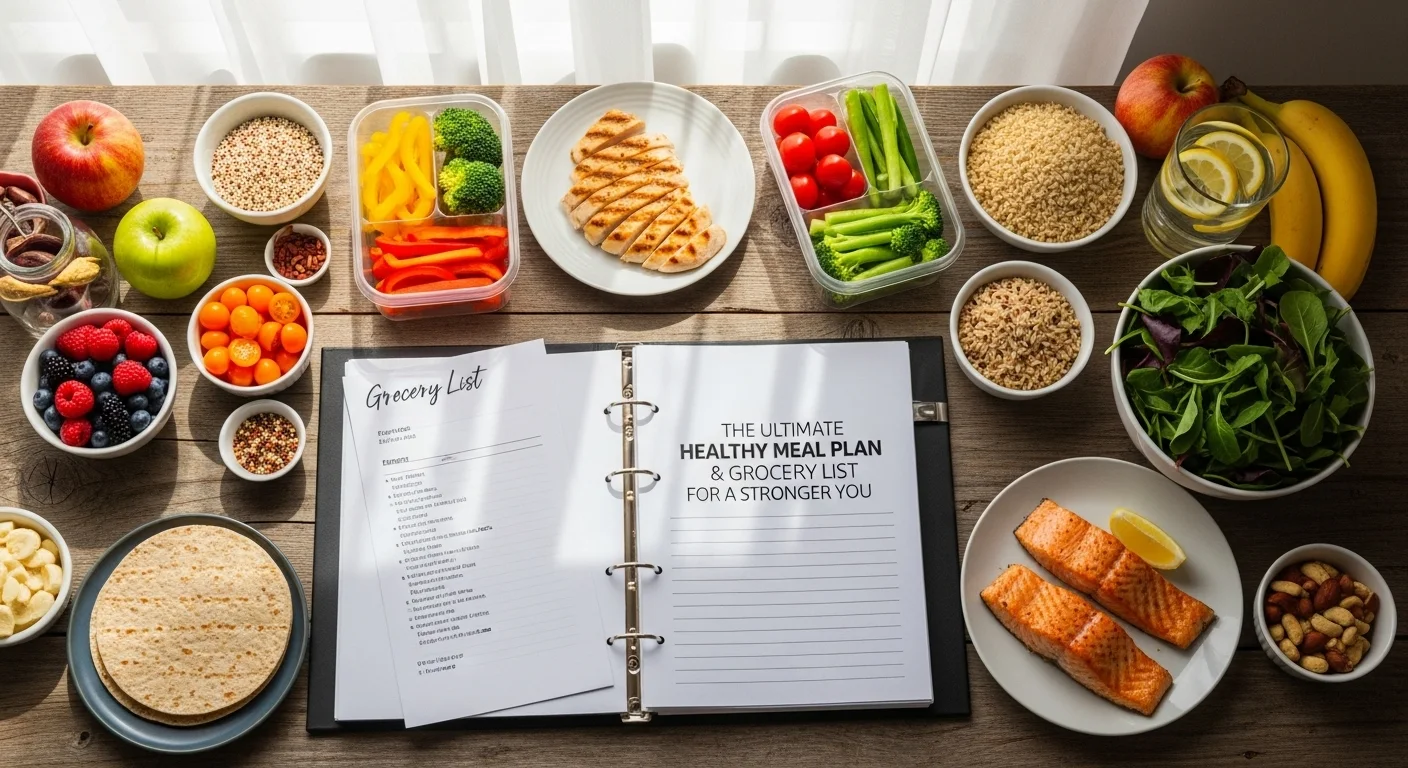
With a solid understanding of macronutrients, I started to design balanced meals. A balanced plate typically includes a source of protein, a serving of healthy fats, and a generous portion of carbohydrates, particularly from vegetables. For instance, when I prepare a meal, I might grill chicken (protein), toss in some quinoa (complex carbohydrate), and add a side of roasted vegetables drizzled with olive oil (healthy fats). This balance not only keeps me satisfied but also provides sustained energy throughout the day.
In my journey, I discovered that meal prepping is a game-changer. Setting aside a couple of hours on the weekend allows me to prepare healthy meals for the week ahead. I chop vegetables, cook grains, and portion out proteins, making it so much easier to stick to my meal plan during busy weekdays. This practice has been a major contributor to my success in maintaining a healthy diet.
The Role of Portion Control
One of the most significant lessons I’ve learned is the importance of portion control. It’s easy to overeat healthy foods, thinking they’re harmless just because they’re nutritious. I began to educate myself on serving sizes, which helped in managing my calorie intake without feeling deprived. I now use measuring cups and a food scale to ensure I’m eating appropriate portions, which has been invaluable in reaching my health goals.
Incorporating Variety and Flexibility
Another key aspect of my healthy meal plan is variety. Eating a range of foods not only keeps me from getting bored but also ensures that I get a wide array of nutrients. I’ve started experimenting with different cuisines and seasonal ingredients. This not only adds excitement to my meals but also allows me to discover new flavors and textures that I love. Flexibility is equally important; I’ve learned to listen to my body and adjust my meals based on my hunger levels and activity that day. If I’m feeling particularly hungry after a workout, I’ll add an extra serving of protein or a piece of fruit rather than sticking rigidly to my plan.
Building Your Grocery List
The next step in my journey was creating a comprehensive grocery list that reflects my meal plan. I realized that shopping with intention helps me avoid impulse buys and ensures I have everything I need to prepare healthy meals. I categorize my grocery list into sections:
- Fruits and Vegetables: I always aim for a colorful variety, focusing on seasonal produce to get the most flavor and nutrition.
- Proteins: I include chicken, fish, legumes, and plant-based options to keep my meals interesting.
- Grains: Whole grains like brown rice, quinoa, and oats are staples in my pantry.
- Healthy Fats: I make sure to stock up on nuts, seeds, and oils.
- Dairy or Alternatives: Depending on my needs, I either choose low-fat dairy or plant-based alternatives.
By sticking to this list while shopping, I’ve noticed that I’m eating healthier and wasting less food. Each item on my list supports my overall goal of nourishing my body, and I make a conscious effort to choose whole, unprocessed foods whenever possible.
Embarking on this path has not only strengthened my body but also enriched my mind. I’ve learned the significance of mindful eating, planning, and being adaptable. As I continue to refine my meal plan and grocery list, I’m excited to discover even more ways to enhance my health and well-being.
Snacking Smart
As I immersed myself deeper into my meal planning journey, I realized that snacks play a crucial role in maintaining energy levels and preventing overeating during main meals. I used to think of snacks as guilty pleasures, but I’ve shifted my perspective to view them as opportunities to nourish my body. I discovered the art of snacking smart, and it’s been a game-changer for me.
First, I started to choose snacks that are rich in nutrients. Instead of reaching for processed snacks loaded with sugar and unhealthy fats, I began opting for whole foods. For example, I keep a stash of fresh fruits like apples, bananas, and berries on hand. These not only satisfy my sweet tooth but also provide me with vitamins, minerals, and fiber. Sometimes, I pair them with a small serving of nut butter for added protein and healthy fats, making for a satisfying and energizing snack.
I also explored the world of homemade snacks. Creating my own snacks has been a fun challenge. I started whipping up energy balls using oats, nut butter, and seeds. These little bites are perfect for a quick pick-me-up after a workout or during an afternoon slump. I’ve also experimented with roasted chickpeas seasoned with my favorite spices, which have become a crunchy, savory alternative to chips.
Understanding my hunger cues has been another pivotal aspect of my snacking strategy. Instead of munching mindlessly, I’ve learned to assess whether I’m truly hungry or just bored or stressed. I’ve developed the habit of drinking a glass of water before reaching for a snack, which often helps me determine if I really need that extra food. This mindfulness has helped me maintain my energy levels without unnecessary calorie intake.
Staying Hydrated
Another fundamental component of my health journey has been hydration. I previously underestimated the importance of water, but I quickly learned that staying hydrated has a significant impact on my overall well-being. Proper hydration supports digestion, regulates body temperature, and even enhances my workout performance.
I set a daily water intake goal for myself, which I track using a reusable water bottle. This not only helps me keep a close eye on my consumption but also serves as a reminder to drink water throughout the day. I’ve found that infusing my water with fresh fruits or herbs, like lemon or mint, makes it more enjoyable and encourages me to drink more.
Additionally, I pay attention to hydration during my workouts. I’ve started adding electrolyte-rich drinks to my routine, especially after intense sessions, to replenish lost minerals. I’ve found that this small adjustment can significantly enhance my recovery process, helping me bounce back quicker for my next workout.
Mindful Eating Practices
The concept of mindful eating has transformed my relationship with food. I used to rush through meals, barely savoring what I was eating. Now, I take the time to enjoy my food fully, which has made me appreciate the flavors and textures more. I’ve found that this practice not only enhances my eating experience but also helps me recognize my body’s fullness signals.
One technique that I’ve incorporated is setting aside distractions while I eat. I’ve made it a habit to turn off the TV and put my phone away, allowing me to focus solely on my meal. This simple act has deepened my connection with the food I’m consuming and has made each meal feel like a nourishing ritual rather than a mere obligation.
I’ve also started chewing my food slowly and savoring each bite. This has allowed me to enjoy the details of my meals, and I’ve noticed that I feel satisfied more quickly. I sometimes even pause during my meal to check in with how I’m feeling. If I’m still hungry, I’ll continue eating; if not, I’ll put the rest aside for later.
Finding Support and Accountability
Embarking on this journey of healthy eating doesn’t have to be a solo endeavor. Along the way, I discovered the value of finding a support system. I reached out to friends who share similar health goals and have found it incredibly motivating. We share tips, meal ideas, and even challenge each other to stay committed to our plans.
Social media has also become a fantastic platform for finding inspiration and connecting with others. I joined online communities where members share their experiences, recipes, and encouragement. It’s rewarding to see others succeed and to share in the triumphs and challenges together.
In addition, I’ve sought professional guidance by consulting with a nutritionist. Their expertise has provided me with tailored advice that fits my unique needs, and having a professional check-in has kept me accountable. I’ve learned so much about nutrition from these sessions, and it has reinforced my commitment to maintaining my healthy eating habits.
Final Thoughts
Through this journey, I’ve not only transformed my eating habits but also my entire approach to health and wellness. I’m excited to continue exploring new recipes, techniques, and ideas that can further enrich my life. Every step I take toward better nutrition brings me closer to my goals, and I’m eager to see where this path leads me next.