
Meal planning can transform chaotic weeknight dinners into stress-free, delicious experiences. I’m excited to share how I created my Ultimate Meal Planning Binder to simplify my culinary adventures and help you reclaim your kitchen confidence!
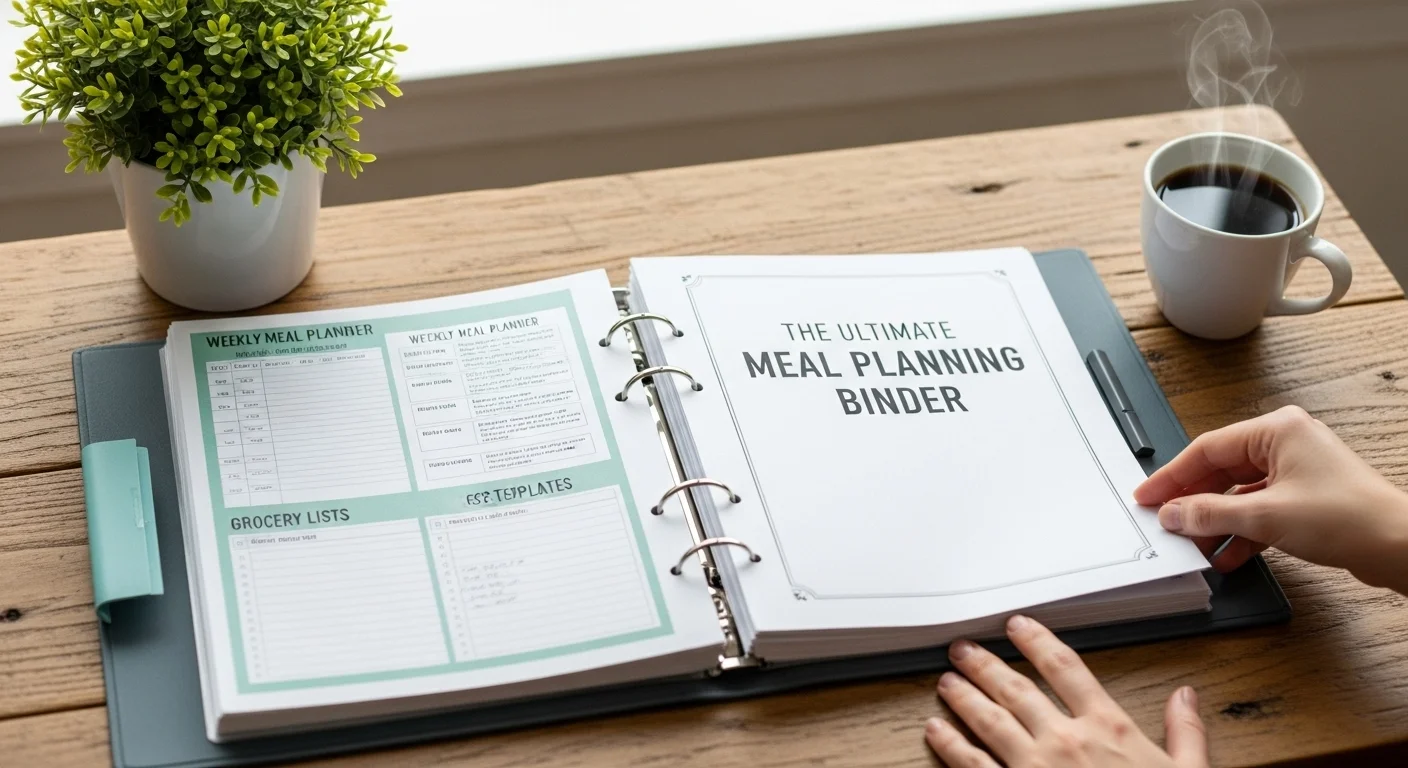
Creating Your Meal Planning Binder: The Essentials
When I first stumbled upon meal planning, I was overwhelmed by the various methods and tools available. I knew I needed a system that worked for me, something to streamline my grocery shopping, meal preparation, and family dinners. That’s when I decided to create my Ultimate Meal Planning Binder. This binder has become my culinary lifeline, helping me stay organized and focused on what matters most: feeding my family wholesome, delicious meals without the last-minute rush.
Choosing the Right Binder
The first step in my meal-planning journey was selecting the right binder. I wanted something sturdy yet portable, so I opted for a 3-ring binder with a clear cover. This way, I could customize the front with a fun title, “My Meal Planning Binder,” and easily switch out the cover as my style or needs evolved. I filled it with dividers to separate different sections, which I found essential for maintaining organization.
Essential Sections to Include
As I started to fill my binder, I realized it needed specific sections to keep everything accessible and functional. Here’s how I organized mine:
- Meal Ideas: I created a section dedicated to meal ideas. I gathered recipes from my favorite cookbooks, websites, and family traditions. Each recipe is printed on a separate sheet and includes cooking times, ingredients, and any personal notes or modifications I’ve made. This section has been a lifesaver when I’m staring at my pantry and struggling to decide what to cook.
- Weekly Meal Plans: I designed a weekly meal planner printable that I could fill out and jot down my meals for each day. Having a visual layout helps me see the week ahead at a glance. I often plan for leftovers, ensuring that my time in the kitchen is efficient.
- Grocery Lists: I included grocery list printables, which are categorized by type (produce, dairy, meats, etc.). This helps me shop efficiently and reduces the chances of forgetting essential ingredients. I always take my list with me to avoid impulse purchases.
- Inventory Tracker: Another useful addition was an inventory tracker. I keep a running list of pantry staples, freezer items, and fridge contents. This section helps avoid duplication when grocery shopping and encourages me to use up what I already have.
- Family Favorites: I added a section for family favorites where I document the meals everyone loves. This makes it easy to rotate through popular dishes, keeping everyone happy and satisfied.
Utilizing Free Printables
I discovered countless free meal planning printables online, which became invaluable to my organization efforts. I’ve curated a list of my favorite printables that I regularly use in my binder:
- Meal Planning Templates: These templates typically include space for breakfast, lunch, dinner, and snacks. I often print a few copies at once, so I have them handy each week.
- Recipe Cards: I love using printable recipe cards for new dishes I want to try. They’re small enough to fit in the binder and can be easily updated or replaced as needed.
- Monthly Calendar: A monthly calendar helps me plan meals around special events or busy weeks. I jot down themed dinners or family gatherings to ensure I don’t forget to plan for those occasions.
Personalizing Your Binder
What I’ve learned is that personalization is key. My binder reflects my tastes, and I encourage you to make yours special too! I added decorative elements like colorful tabs, stickers, and even some family photos. These small touches make meal planning feel less like a chore and more like a creative outlet.
Establishing a Meal Planning Routine
Once my binder was set up, I needed to establish a routine. I found that dedicating some time each Sunday to meal planning works wonders. During this time, I review my inventory, consult my meal ideas section, and fill out my weekly meal planner. I also use this time to create my grocery list. I often sit down with my family to discuss meals for the week, which not only keeps everyone engaged but also ensures that I’m considering their preferences.
Setting Realistic Goals
At first, I tried to plan every single meal, but I quickly realized that wasn’t practical. Instead, I set realistic goals, planning for dinners primarily and leaving breakfasts and lunches open for flexibility. This approach has made my meal planning sustainable in the long run. I also embrace the idea of convenience—some days, a simple sandwich or leftovers is all we need.
Through trial and error, I’ve learned that meal planning is not just about the food; it’s about creating a system that works for my family and me. The Ultimate Meal Planning Binder has been integral in helping me stay organized, reduce stress, and foster a love for home-cooked meals. I can’t wait to share more about the delicious recipes and strategies I’ve discovered along the way!
Incorporating Seasonal Ingredients
One of the most enjoyable aspects of meal planning has been learning to incorporate seasonal ingredients into my meals. There’s something special about using fresh, local produce that not only enhances flavor but also supports local farmers. I’ve begun to familiarize myself with what fruits and vegetables are in season each month, and I make it a point to plan my meals around those items. This not only boosts the quality of my meals but also adds variety to our diet.
For example, during the summer months, I prioritize tomatoes, zucchini, and berries. I love making fresh salads and light pasta dishes that celebrate the vibrant colors and flavors of summer produce. My family gets excited about enjoying these seasonal dishes, and it creates a wonderful opportunity for us to gather around the table and savor the taste of the season together.
In the fall, I shift to heartier ingredients like squash, pumpkins, and apples. I find that incorporating these ingredients into my meals not only provides warmth and comfort but also evokes nostalgia and a sense of tradition. I often bake apple crisp or prepare roasted butternut squash soup, and these meals have become a staple during the cooler months. I’ve even started a small herb garden to have fresh herbs on hand, making it easy to add that extra touch to my dishes.
Embracing Leftovers
Leftovers play a significant role in my meal planning process. Instead of viewing them as a last resort, I now embrace them as a valuable resource. I’ve learned to cook larger portions intentionally, which allows me to repurpose leftovers into exciting new meals. For instance, if I roast a chicken one night, I’ll use the leftover meat in salads, sandwiches, or stir-fries throughout the week.
I also dedicate a section in my binder specifically for leftover ideas. It’s such a helpful reference when I need to think creatively about using what I already have. Soups, casseroles, and grain bowls have become my go-to ways to reinvent what’s left in our fridge. I often ask my family what they’d like to see transformed from leftovers, making it a fun family activity to get everyone involved in the process.
Meal Prep Techniques
Alongside meal planning, I’ve found that employing meal prep techniques has drastically simplified my week. I now set aside a couple of hours each week to prepare ingredients in advance. This involves washing, chopping, and storing vegetables, marinating proteins, or even cooking grains ahead of time. When I open my fridge during the week, it’s a joy to see everything prepped and ready to go.
I also like to batch-cook staple items such as grains and beans, storing them in portioned containers. This way, I can quickly assemble meals without spending valuable time on cooking from scratch. For example, when I cook quinoa or brown rice, I make enough for a few meals and store the extras in the fridge. This method not only saves time but also reduces food waste.
Another technique I’ve adopted is preparing freezer-friendly meals. I dedicate a few weekends every couple of months to make large quantities of meals that can be frozen for later. Dishes like chili, lasagna, or curry are perfect candidates for freezing. When life gets hectic, I can pull a meal from the freezer and have a wholesome dinner ready in no time.
Cooking with Kids
One of the unexpected joys of meal planning has been involving my kids in the kitchen. Not only does it make cooking more fun, but it also teaches them valuable skills they’ll carry with them throughout their lives. I’ve adopted a child-friendly approach to cooking, letting them help with tasks that are age-appropriate, whether it’s washing veggies, stirring pots, or even choosing a recipe from our meal ideas section.
This inclusion in the meal preparation process has sparked their interest in food and nutrition. They’ve become more adventurous eaters, eager to try new dishes they’ve helped create. I often find that giving them the power to choose what to cook makes mealtime more enjoyable for everyone. Plus, it’s a wonderful bonding experience that fosters teamwork and creativity within our family.
Experimenting with New Recipes
To keep things fresh and exciting, I’ve made it a point to experiment with new recipes regularly. I allocate one night a week for trying out something new, which creates a sense of anticipation for my family. This could be a dish from a different cuisine, a new cooking technique, or even a trendy food item I’ve come across online. By doing this, I not only expand my cooking repertoire but also encourage my family to be open to exploring new flavors and cultures.
To keep track of these new additions, I have a “New Recipes” section in my binder. Each time I discover a recipe I’m excited about, I print it out, note my family’s feedback, and either keep it or let it go, depending on whether it was a hit or a miss. This method helps me curate a collection of recipes that truly resonate with my family over time.
I’ve learned that meal planning can be an evolving journey. With each recipe and each ingredient, I’m constantly discovering new ways to enjoy cooking and nourishing my loved ones. I can’t wait to delve deeper into my culinary adventures and share even more strategies and recipes that have made my meal planning experience a delightful one!
Final Thoughts
Meal planning has transformed my approach to cooking and eating. It has allowed me to create a system that fits seamlessly into my family’s lifestyle while making mealtime less stressful and more enjoyable. Each recipe, every ingredient, and the process of planning has become a cherished part of our routine. I’m excited to continue this journey and share even more insights and delicious ideas with you.