
If you haven’t heard about Japanese curry udon yet, you’re missing out! This unique dish is taking social media by storm, blending comforting udon noodles with rich, flavorful curry. Let’s explore why this dish is capturing hearts and taste buds everywhere.
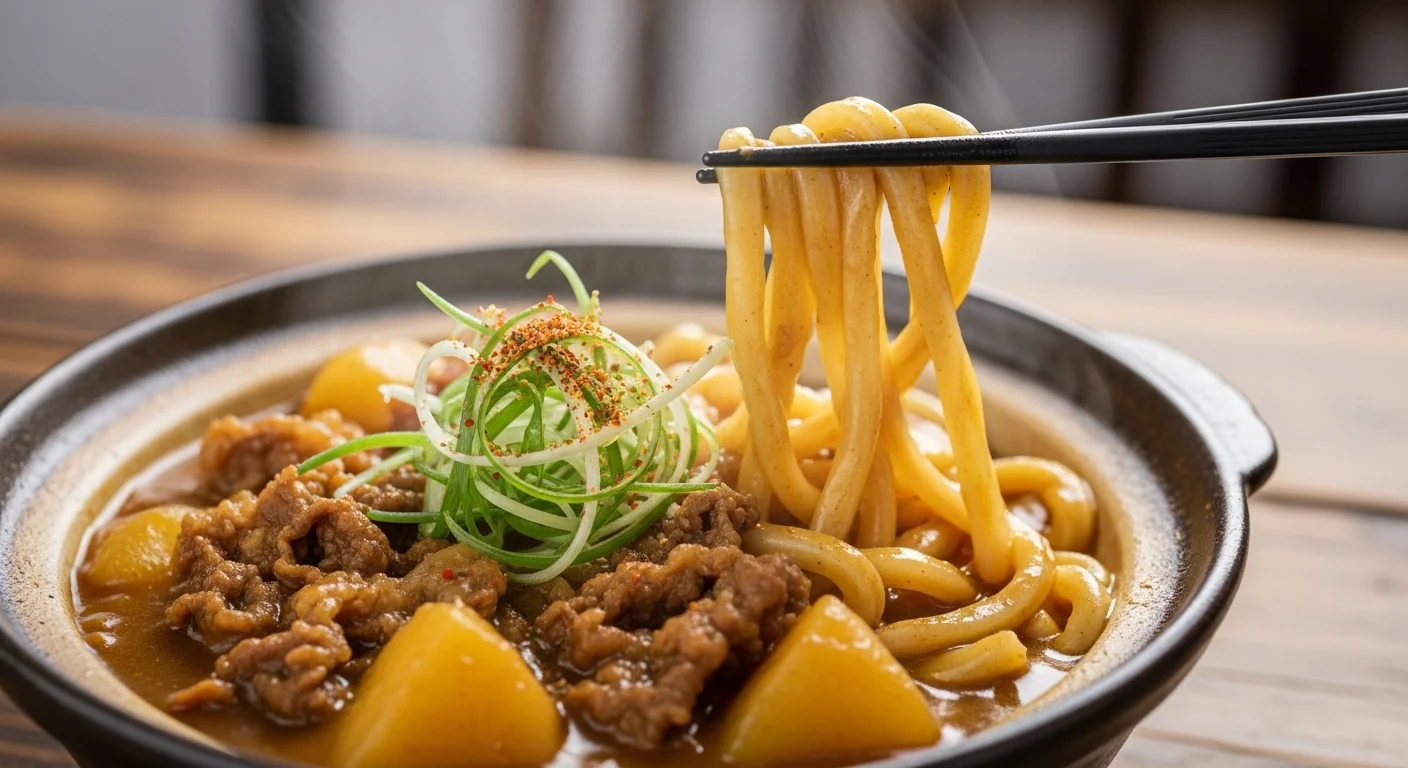
What Makes Japanese Curry Udon So Special?
When I first stumbled upon Japanese curry udon, I was instantly intrigued. I’ve always loved both curry and udon, so the idea of putting them together sounded like a dream come true. The combination of thick, chewy udon noodles swimming in a savory, slightly sweet curry sauce immediately caught my attention. I remember scrolling through Instagram, seeing vibrant images of this dish garnished with green onions and tempura, and I couldn’t resist but to try it out myself. If you’re looking for more traditional options, check out How to make traditional Japanese chicken curry.
A Fusion of Flavors
The beauty of Japanese curry udon lies in its flavor profile. Japanese curry is milder and sweeter compared to its Indian counterparts, often featuring ingredients like carrots, potatoes, and onions. It’s typically thickened with a roux, which gives it that luscious texture that coats the noodles perfectly. And for me, the best part is how the curry sauce clings to the udon noodles, making every bite a delightful experience.
As I experimented with this dish in my kitchen, I learned that the secret is in the balance. The curry sauce should have a subtle sweetness balanced with a hint of umami. I often add a splash of soy sauce or even a touch of miso to deepen the flavor. It’s amazing how a simple adjustment can elevate the entire dish. I remember the first time I successfully created my own version; I felt like a culinary genius!
The Perfect Noodles
Udon noodles are another key element that makes this dish stand out. They’re thick and chewy, offering a satisfying bite that pairs beautifully with the smoothness of the curry sauce. While you can find fresh udon at many Asian grocery stores, I’ve also used dried udon in a pinch, and it still turned out great. Cooking them just right is crucial. I’ve learned that undercooking them slightly allows them to soak up more of the curry sauce and adds to that delightful chewiness.
When preparing udon, I recommend boiling them according to package instructions but keeping an eye on the texture. I often taste them a minute or two before they’re supposed to be done. This little trick has saved me from overcooking them more times than I can count! Once they’re ready, I rinse them under cold water to stop the cooking process and set them aside while I prepare the curry.
The Harmony of Add-Ins
While the base of curry udon is fantastic on its own, the possibilities for customization make this dish even more exciting. I love adding a variety of toppings to enhance the texture and flavor. Think chopped scallions for a fresh crunch, grated daikon for a zesty kick, or even a drizzle of sesame oil for a nutty aroma. On one occasion, I decided to throw in some tempura vegetables, and it was a game-changer. The crispy texture contrasted beautifully with the soft noodles, creating an incredible mouthfeel.
For protein, I often add chicken or tofu, but you can really get creative here. I’ve seen people use shrimp, beef, or even a boiled egg on top! Each addition brings its own flavor and texture, making your curry udon uniquely yours. One day, I even tried making a vegetarian version with mushrooms and spinach, which turned out surprisingly delicious. It reminded me that the heart of cooking is experimentation and finding what works for you. If you’re interested in more quick recipes, check out Quick Fusion noodles without cream.
The Online Buzz
As I browsed through TikTok and Instagram, I noticed how many food bloggers and home cooks were sharing their takes on curry udon. I love how social media has turned into a platform for discovering new recipes and culinary trends, allowing us to connect over our shared love for food. I’ve seen everything from traditional styles to modern twists, like vegan versions or even curry udon stir-fries. Watching these clips inspired me to step outside my comfort zone and try new things in my own kitchen.
Many creators showcase how to make curry udon in under 30 minutes, making it accessible for busy weeknights. I’ve tried a few of these quick recipes, and while they’re different from the traditional method, they still capture that comforting essence of the dish. I think that’s part of what makes this dish so popular online; it’s not only delicious but also adaptable to our fast-paced lives.
Bringing People Together
Another reason I believe Japanese curry udon is blowing up online is its ability to bring people together. When I make this dish for friends or family, it becomes a shared experience. I remember one evening where I invited a few friends over for a curry udon night. We set up a little bar with toppings and let everyone customize their bowls. It was such a fun and interactive way to enjoy food! Everyone’s creations were unique, and it sparked conversations and laughter.
The warmth of the curry, the chewiness of the udon, and the joy of sharing a meal made it a night to remember. I think that’s the power of food—it has this incredible way of connecting us, whether through cooking together or simply enjoying a delicious meal. Japanese curry udon is more than just a dish; it’s an experience we can enjoy together.
In the end, whether you’re a seasoned chef or a novice in the kitchen, I encourage you to give Japanese curry udon a try. Its comforting flavors and versatility make it a perfect dish for any occasion. Who knows? You might just find yourself joining the ranks of those sharing their own delicious creations online! If you’re looking for something different, consider trying Spicy & Saucy Buffalo Chicken Meatballs Recipe.
Finding the Right Ingredients
One of the things I’ve come to appreciate about making Japanese curry udon is the importance of using quality ingredients. The right components can elevate the dish from good to unforgettable. I used to think that any curry powder would do, but I learned that choosing the right curry mix makes a world of difference. I often opt for Japanese curry blocks, like Golden Curry or Vermont Curry, as they provide that authentic taste I crave. The rich flavors and sweetness blend beautifully with the noodles, creating a symphony of taste.
When I venture to my local Asian grocery store, I take my time browsing the aisles. I’ve discovered that fresh produce makes all the difference in the final dish. Carrots and potatoes are staples, but I love experimenting with different vegetables, like sweet potatoes or even bell peppers. I remember one time I found some beautiful shiitake mushrooms that added an earthy depth to my curry. They soaked up the flavors wonderfully and gave the dish a heartiness that was hard to resist.
Choosing the Right Noodles
While udon noodles are the star of this dish, I’ve learned that not all udon is created equal. Fresh udon noodles are my go-to, as they have that perfect chewy texture that holds the curry sauce beautifully. When I’m in a rush, I grab the frozen kind, which is also quite good. I find that they tend to be more forgiving if you accidentally overcook them, still retaining that delightful chewiness.
I remember my first experience with dried udon—what a learning curve that was! I didn’t realize how important it was to keep an eye on the cooking time, thinking they’d be just as forgiving as fresh or frozen. Let’s just say I ended up with a clump of mushy noodles that day. Since then, I’ve made it a rule to always read the package instructions carefully and trust my taste buds to guide me.
Mastering the Curry Sauce
The curry sauce is, without a doubt, the heart of Japanese curry udon. I’ve spent many weekends perfecting my own version, and I’ve found that it’s all about layering flavors. I usually start by sautéing onions in a bit of oil until they’re golden and fragrant. Then, I add the carrots and potatoes, letting them soften a bit before introducing the curry roux. There’s something so satisfying about watching the roux dissolve into the broth, creating that wonderfully thick sauce.
One crucial tip I’ve learned is to add a bit of water or stock gradually. I often make the mistake of adding too much liquid all at once, which can dilute the flavors. Instead, I add it slowly, adjusting until I reach that thick, glossy consistency that clings to the udon like a warm hug. I remember one evening when I added a bit of coconut milk for added creaminess, and it turned out to be an incredible twist! The subtle sweetness complemented the curry perfectly, and I felt like I had discovered a treasure.
Cooking Techniques I’ve Picked Up
Over time, I’ve picked up various techniques that have made my cooking experience smoother. For instance, I always prepare my ingredients before I start cooking. This “mise en place” approach has saved me from scrambling around the kitchen last minute, and it helps me focus on the cooking process. I love laying everything out in neat little bowls—there’s something so satisfying about it.
Another technique I’ve found especially useful is using a slow cooker for the curry sauce. On busy days, I throw in my chopped vegetables, curry roux, and some stock, then let it simmer. By the time I’m home, the aroma fills the house, and I have a rich sauce waiting for me. I just cook the udon separately, and in minutes, dinner is served! It’s become my go-to for those hectic weeknights.
Sharing the Experience
As I’ve mentioned, cooking is more than just a task for me; it’s a way to connect with others. I often invite friends over for a curry udon night, and it’s become a cherished tradition. Each time, we gather around the table, and everyone gets to personalize their bowls. I love watching my friends explore different toppings and flavors. It’s a joy to see their creativity shine, whether they’re drizzling chili oil for heat or adding a poached egg for richness.
One memorable night, a friend brought over some homemade pickles as a side dish, and it was the perfect complement to our curry. The acidity cut through the richness of the dish and added another layer of flavor. It sparked a conversation about food traditions, and we ended up sharing recipes and stories from our families. It’s these moments that remind me of why I love cooking and sharing meals with others.
Japanese curry udon has become more than just a dish for me; it’s a way to celebrate friendship and creativity. With each bowl, I’m reminded of the flavors, experiences, and connections that make cooking so special. I encourage all of you to invite friends over and create your own curry udon night. I promise you won’t regret it! You’ll not only enjoy a delicious meal but also create lasting memories that you can savor long after the dishes are cleaned up.
Exploring Regional Variations
As I dove deeper into the world of Japanese curry udon, I discovered that different regions in Japan put their own spin on this beloved dish. It’s fascinating how culture and local ingredients can transform a simple bowl of curry udon into something unique. I remember my trip to Osaka, where I tasted a version made with a rich, seafood-based broth. The sweetness of the seafood paired with the curry was an unforgettable experience, and it opened my eyes to the potential variations this dish has to offer.
Osaka Style
Osaka’s version usually includes a lighter, more subtly flavored curry, often incorporating seafood like shrimp or crab. I was surprised by how the umami from the seafood complemented the sweetness of the curry. When I returned home, I tried recreating this style using fresh shrimp and a seafood stock. It was a delightful reminder of my travels and a way to bring that unique flavor back into my kitchen. I remember the first bite; it transported me right back to that bustling market in Osaka, surrounded by friendly vendors and mouthwatering dishes.
Tokyo Style
In contrast, Tokyo offers a thicker, heartier curry udon that is almost stew-like. I learned that in Tokyo, they often use more robust vegetables and sometimes even add a touch of spices for a bit of heat. I decided to experiment with this style by adding a pinch of chili flakes to my curry sauce. The result was fantastic! It added an unexpected kick that balanced beautifully with the sweetness of the sauce. I felt proud of my culinary adaptation, and it was a fun conversation starter at my next dinner gathering.
Hokkaido Influence
Then there’s Hokkaido, known for its creamy and rich versions of curry udon. I’ve read about variations that use dairy products, like milk or cream, which I found unusual but intriguing. I ventured out of my comfort zone and tried adding coconut milk to my curry sauce. It was a game changer! The creaminess added a luxurious texture that enveloped the udon noodles, making every bite a delightful experience. This twist reminded me that cooking can be an adventure, encouraging us to step outside of our usual boundaries.
Incorporating Local Ingredients
Regional variations also inspire me to incorporate local ingredients into my curry udon. Living in California, I often find myself drawn to fresh, seasonal produce. I remember the summer when I had an abundance of zucchini and tomatoes from my garden. I decided to toss them into my curry. The fresh produce brightened the dish, creating a refreshing contrast to the rich sauce. This experience taught me that while traditions are important, there’s also room for personal creativity.
Making It Vegan
With the growing interest in plant-based diets, I’ve discovered a wave of vegan curry udon recipes that are worth exploring. I once hosted a dinner for some vegan friends and decided to make a batch of vegan curry udon. I used vegetable broth, coconut milk, and lots of colorful veggies. The results were amazing! Everyone loved it, and I felt proud to share a dish that catered to different dietary preferences. It made me realize that curry udon can truly be for everyone, no matter their lifestyle or dietary choices.
Cooking for the Seasons
As I continue to experiment with Japanese curry udon, I’ve learned that adapting the dish to the seasons makes it even more enjoyable. Each season brings a new array of ingredients that can elevate the dish and keep it exciting. In the fall, I love adding roasted pumpkin or kabocha squash for a comforting, warming flavor. The sweetness of the squash pairs beautifully with the curry, making it the perfect dish for chilly evenings.
Winter Comfort
When winter rolls around, I tend to reach for heartier ingredients like root vegetables—think carrots, daikon, and sweet potatoes. I remember a particularly cold night when I made a big pot of curry udon filled with chunky vegetables. The warmth of the curry, combined with the chewiness of the udon, felt like a warm hug on a snowy evening. It’s moments like these that remind me how food can be a source of comfort and joy.
Spring Freshness
Spring opens the door to fresh, vibrant flavors. I get excited about using tender greens like spinach or pea shoots. One spring afternoon, I found myself inspired to toss in some snap peas and asparagus. The crunch of the fresh vegetables added a delightful contrast to the soft udon and rich curry sauce. I felt like I was celebrating the season on my plate, and it encouraged me to keep experimenting with what was available at my local farmers’ market.
Summer Lightness
During the summer, I often crave lighter dishes. I’ve played around with adding grilled vegetables, like eggplant and bell peppers, to my curry udon. The smoky flavor from the grill adds another dimension to the dish. I remember one warm summer evening, I made a bowl of curry udon topped with grilled zucchini and a sprinkle of sesame seeds. It was refreshing yet comforting, the perfect balance for a hot day.
Frequently Asked Questions
What is Japanese curry udon?
Japanese curry udon is a dish that combines thick, chewy udon noodles with a rich, flavorful curry sauce. It is known for its comforting flavors and unique blend of textures.
What makes the flavor of Japanese curry different from other curries?
Japanese curry is milder and sweeter compared to Indian curries and often includes ingredients like carrots, potatoes, and onions. It is typically thickened with a roux, which gives it a luscious texture.
What type of noodles are used in Japanese curry udon?
Udon noodles are used in Japanese curry udon. They are thick and chewy, providing a satisfying bite that complements the smoothness of the curry sauce.
How can I enhance the flavor of the curry sauce?
You can enhance the flavor of the curry sauce by balancing the sweetness with a hint of umami, adding ingredients like soy sauce or miso, and adjusting the liquid gradually to achieve the desired thickness.
What are some popular toppings for Japanese curry udon?
Popular toppings for Japanese curry udon include chopped scallions, grated daikon, sesame oil, tempura vegetables, chicken, tofu, shrimp, beef, and boiled eggs, allowing for plenty of customization.
How has social media influenced the popularity of Japanese curry udon?
Social media platforms like TikTok and Instagram have helped popularize Japanese curry udon by showcasing various recipes and culinary trends, making it accessible for busy home cooks to try new takes on the dish.
What regional variations exist for Japanese curry udon?
Different regions in Japan have their own variations of curry udon. For example, Osaka features a seafood-based broth, Tokyo offers a thicker stew-like curry, and Hokkaido is known for its creamy versions.
How can I make a vegan version of Japanese curry udon?
A vegan version of Japanese curry udon can be made using vegetable broth, coconut milk, and a variety of colorful vegetables, making it suitable for plant-based diets.
What seasonal ingredients can be used in Japanese curry udon?
Seasonal ingredients such as roasted pumpkin or kabocha squash in fall, root vegetables in winter, fresh greens in spring, and grilled vegetables in summer can enhance the dish and keep it exciting throughout the year.
How can I make cooking Japanese curry udon easier?
To make cooking easier, prepare your ingredients beforehand using the “mise en place” method, and consider using a slow cooker for the curry sauce to save time on busy days.