
If you haven’t tried Korean bulgogi chicken yet, you’re missing out on a flavor explosion that’s taken the food scene by storm. Let me share why this dish deserves all the hype it’s getting.
The Allure of Bulgogi Chicken
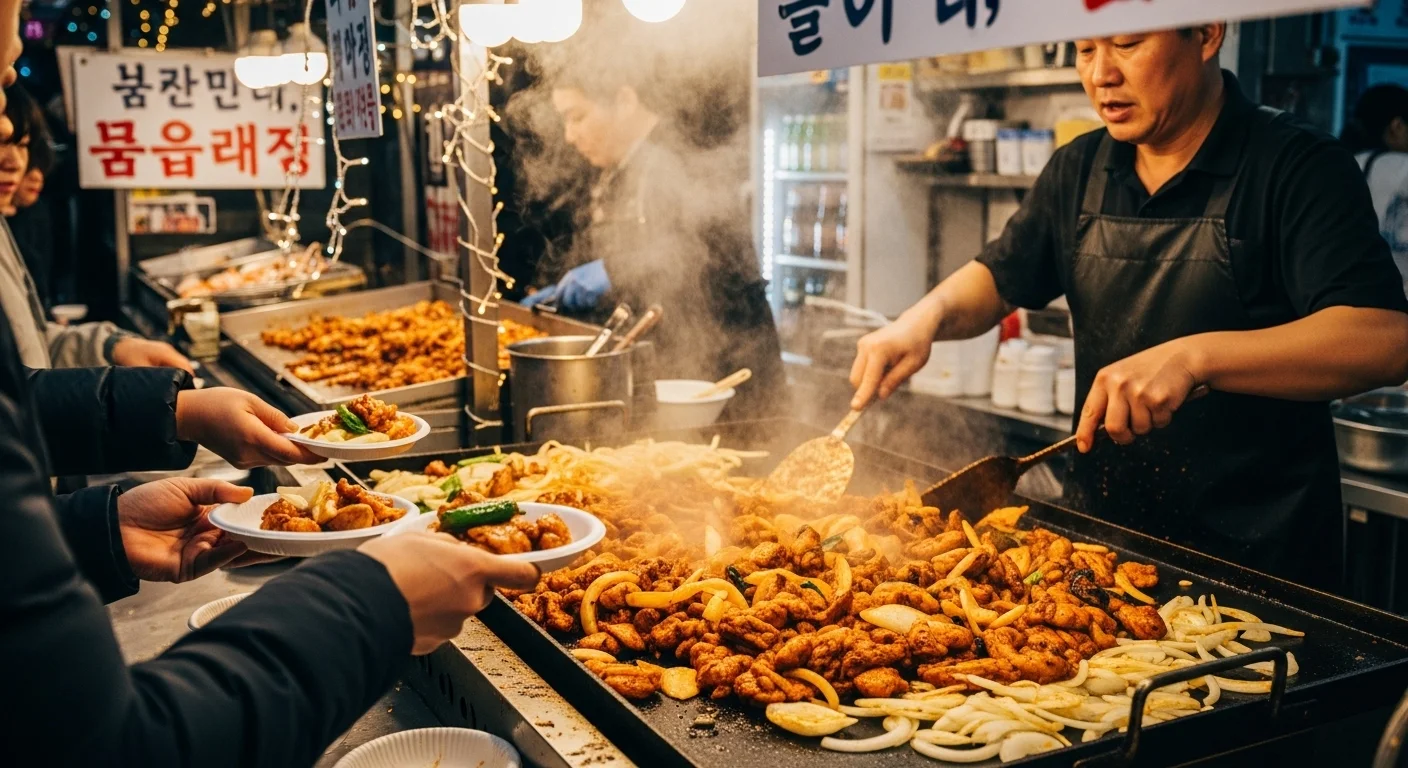
Let’s dive into what makes Korean bulgogi chicken so special. I remember the first time I encountered this dish. I was at a local Korean BBQ restaurant, and the air was filled with the delicious smell of marinated meat sizzling on the grill. My mouth watered as I watched the chef expertly prepare the bulgogi right in front of me. I had to try it. What I didn’t know was that this experience would open the door to my newfound love for Korean cuisine.
What Exactly Is Bulgogi?
Bulgogi, which means “fire meat” in Korean, is traditionally made with beef, but chicken has made its way into the hearts (and stomachs) of food lovers everywhere. The chicken is marinated in a mix of soy sauce, sugar, sesame oil, garlic, and pepper, giving it a sweet and savory flavor that’s utterly irresistible. I’ve tried various marinades, but there’s something about the balance of flavors in bulgogi that just clicks for me. It’s the perfect mixture of sweet, salty, and umami.
Why Chicken?
Now, you might wonder why chicken has become a popular choice over the traditional beef. For one, chicken is generally more accessible and can be lighter on the palate. When I first tasted bulgogi chicken, I loved how tender the meat was. It practically melted in my mouth. Plus, chicken absorbs marinades beautifully, allowing for a deep flavor that you just can’t resist. You can even explore fusion dishes that incorporate this delightful meat.
The Cooking Process
Cooking bulgogi chicken is an experience in itself. I often find myself preparing it at home, and it’s surprisingly simple! After marinating the chicken for a few hours or overnight, I throw it onto a hot grill or skillet. The sound of the chicken sizzling is music to my ears—there’s just something magical about it. As the marinade caramelizes, the aroma fills my kitchen, making it hard to wait. I recall countless times when I could hardly resist stealing a bite before it was fully cooked.
Serving Suggestions
When it comes to serving bulgogi chicken, the options are endless. I love to serve it with a side of steamed rice, fresh lettuce leaves, and a variety of banchan (Korean side dishes). Wrapping a piece of bulgogi chicken in a lettuce leaf, topped with a bit of ssamjang (a thick, spicy paste), creates a delightful bite that’s both refreshing and satisfying. We often have a bulgogi night at home with friends, and it’s always a hit. Everyone gets to customize their wraps, making it a fun and interactive meal.
Why the Trend?
The buzz around bulgogi chicken has grown immensely, especially with the rise of social media food trends. I’ve seen countless vibrant photos of this dish making its rounds on Instagram and TikTok, and it’s easy to see why. The colors, the textures, and the sheer deliciousness captured in these images are enough to make anyone want to try it. Plus, people are increasingly looking for dishes that are not only tasty but also healthy and easy to prepare. Bulgogi chicken checks all those boxes.
It’s also worth noting that this trend aligns perfectly with the growing interest in Korean culture. The success of K-dramas and K-pop has brought more attention to Korean cuisine, with bulgogi chicken being a standout favorite. I think it’s fascinating how food can become a bridge between cultures, and bulgogi chicken is a perfect example of that.
Variations and Innovations
As with any popular dish, there are countless variations of bulgogi chicken popping up everywhere. I’ve tried spicy versions, ones with added vegetables, and even fusion dishes like bulgogi chicken tacos. Each variation has its charm, and I can’t help but appreciate the creativity that chefs and home cooks bring to the table. My personal favorite is a bulgogi chicken stir-fry, where I toss the marinated chicken with colorful bell peppers and a bit of onion. It’s a quick and satisfying meal that never disappoints. Read Interesting article: This Viral Cheat-Day Sandwich Is Too Good
Health Benefits
On top of its incredible taste, I’ve found that bulgogi chicken can be a healthier option than many other fast-food choices. The marinade typically uses natural ingredients, and when grilled or stir-fried with minimal oil, it becomes a lean protein source that I can feel good about eating. I remember feeling a sense of satisfaction knowing I was enjoying a delicious meal without sacrificing my health goals.
Getting On Board
If you haven’t jumped on the bulgogi chicken bandwagon yet, I highly recommend you give it a try. Whether you visit a local Korean restaurant or attempt to make it at home, I think you’ll be pleasantly surprised by how much you enjoy it. It’s a dish that has something for everyone—flavor, fun, and a connection to a rich culture. Trust me; once you try it, you’ll understand why this trend has taken off. Let’s embrace the deliciousness of bulgogi chicken together, one bite at a time!
Making Bulgogi Chicken at Home
Now that I’ve shared my love for bulgogi chicken, let me take you through the process of making it at home. I believe there’s something incredibly rewarding about preparing a meal from scratch, especially one that brings so much joy. The first time I tried to make bulgogi chicken, I was a bit intimidated, but I quickly realized it’s not as complicated as it might seem.
Gathering Ingredients
The beauty of bulgogi chicken lies in its simple ingredients. For the marinade, you’ll need soy sauce, brown sugar (or honey, if you prefer), sesame oil, minced garlic, and black pepper. I like to add a dash of red pepper flakes for a little heat, but that’s entirely up to you. Don’t forget the chicken! I usually go for boneless, skinless thighs because they stay juicy and tender. You can also use chicken breasts if you prefer a leaner option.
Aside from the chicken and marinade, I recommend having some fresh vegetables on hand—think bell peppers, onions, and even some mushrooms. These add not only flavor but also color to your dish. Fresh lettuce leaves for wrapping are a must as well; they’re perfect for that delightful crunch. You might also want to add some rice to your meal, which pairs perfectly with the savory chicken.
The Marinating Process
Once you’ve gathered all your ingredients, it’s time to marinate the chicken. I usually combine all the marinade ingredients in a bowl, then toss the chicken in until it’s well coated. After that, I let it sit in the fridge for at least a couple of hours, though overnight is even better. I’ve found that the longer the chicken marinates, the more flavorful it becomes. It’s like a little gift to your future self, as you’ll be rewarded with a meal that’s bursting with taste.
Cooking Methods
After marinating, I have a couple of favorite methods for cooking bulgogi chicken. If the weather is nice, I love taking it outside to the grill. There’s something about grilling that just elevates the flavors. The high heat creates a nice char, and the smoke adds an amazing depth to the taste. I keep a close eye on the chicken, flipping it occasionally to ensure it cooks evenly. The sound of it sizzling away is just music to my ears.
If grilling isn’t an option, I’ll often use a skillet on the stovetop. A cast-iron skillet works particularly well because it holds heat beautifully and creates that nice sear. I heat the skillet until it’s very hot, then add a splash of oil before throwing in the chicken. Stir-frying is quick and keeps the chicken juicy while also allowing the marinade to caramelize beautifully. I can hardly wait for it to finish cooking, and the smell is absolutely intoxicating!
Plating and Presentation
Once the chicken is cooked to perfection, it’s time to plate it up. I usually serve it with a generous scoop of steamed rice, which acts as a great base for the flavorful chicken. I love to arrange the veggies around the chicken for a pop of color. Sometimes, I’ll even make a little bulgogi chicken bowl, layering the rice, chicken, and veggies in a way that looks almost too good to eat.
But let’s not forget the fun part—wrapping! I prepare a platter with all the fixings—lettuce leaves, ssamjang, sliced cucumbers, and whatever other toppings I can think of. It turns into a mini assembly line where everyone can customize their own wraps. I’ve found that this makes for a fun and interactive dining experience, especially when I have friends over. It’s a great way to bring people together around the table.
Exploring Sides and Accompaniments
The sides you choose to pair with bulgogi chicken can elevate the meal even further. I often go for classic banchan like kimchi, pickled radishes, and seasoned bean sprouts. These dishes add a nice balance to the meal, with their tangy and crunchy textures complementing the rich flavors of the bulgogi. I’ve also enjoyed making a simple cucumber salad with sesame oil and vinegar, which adds a refreshing crunch.
For those who love a bit of heat, I recommend serving a spicy dipping sauce on the side. It’s not traditional, but I’ve come to appreciate the added kick it provides. On days when I want a little comfort, I’ll whip up some creamy coleslaw as a side—a bit unconventional, but I love the contrast of flavors.
Sharing the Experience
For me, there’s nothing better than sharing a home-cooked meal with family and friends. I’ve found that cooking bulgogi chicken not only satisfies my cravings but also creates lasting memories. The laughter, the conversations, and the joy of eating together make the experience truly special. Each time I serve bulgogi chicken, I see smiles on faces, and I know I’ve introduced someone to a dish that could become a favorite, just like it did for me.
Exploring the Cultural Significance of Bulgogi Chicken
One of the things I love about food is its ability to tell a story, and bulgogi chicken is no exception. This dish doesn’t just represent a flavor; it holds deep-rooted cultural significance in Korean society. I remember my first deep dive into Korean culture, and I was struck by how food plays a central role in family gatherings and celebrations. Bulgogi has been enjoyed for centuries, and it feels almost like a rite of passage to share it with others.
The Tradition Behind Bulgogi
Originating in Korea during the Goguryeo era (around 37 BC to 668 AD), bulgogi was initially made with beef, marinated, and cooked over an open flame. Today, the dish symbolizes hospitality and generosity. When I learned about this aspect, it made perfect sense why bulgogi chicken has become such a beloved dish. It’s not just about the food; it’s about bringing people together. Sharing a meal of bulgogi chicken can create connections and foster relationships, which I’ve personally experienced during countless dinner parties.
Korean BBQ Culture
Korean BBQ, where bulgogi often shines, is a unique experience in itself. I recall my first visit to a Korean BBQ restaurant, where diners grill their own meats right at the table. The communal nature of this dining style was refreshing to me. Everyone gathered around, cooking and sharing stories while savoring the delightful aroma of marinating meats. It’s not just a meal; it’s an event—a celebration of togetherness and enjoyment. I truly believe that the act of cooking together strengthens friendships and makes the food taste even better.
Modern Influences
As with many cultural dishes, bulgogi chicken has adapted over time. I’ve seen it featured in a variety of fusion dishes, reflecting the evolving nature of our food culture. For example, I’ve come across bulgogi burgers, bulgogi pizza, and even bulgogi sushi! Each twist brings a new dimension to the dish, and I can’t help but admire the creativity of chefs who play with tradition while still honoring its roots. Trying these variations has been a fun culinary adventure for me, allowing me to experience bulgogi in fresh and exciting ways. Read Interesting article: This Shawarma Bowl Hack Has Millions of Views
The Health Aspect of Korean Cuisine
In addition to its cultural significance, I’ve also found that Korean cuisine, particularly dishes like bulgogi chicken, can be quite health-conscious. The use of fresh ingredients, vegetables, and lean proteins makes it easier to maintain a balanced diet. When I cook bulgogi chicken at home, I love loading up the table with various vegetables, not just for flavor, but also for their health benefits. It’s a meal that feels nourishing in every way.
Bulgogi in the Global Scene
As Korean culture continues to rise in global popularity, bulgogi chicken has followed suit. I’ve seen it pop up in food festivals, cooking shows, and even on food blogs around the world. It’s exciting to see how this traditional dish has captured the hearts of so many people beyond Korea. I remember attending a multicultural food festival where different cuisines were showcased, and the bulgogi chicken booth had long lines. It was a proud moment for me, witnessing people from various backgrounds savoring this delicious dish and appreciating its flavors.
Learning Through Cooking
For me, cooking bulgogi chicken has become a way to connect with the culture on a deeper level. I’ve taken the time to learn about the history behind the ingredients, the significance of the marinating process, and even the traditional methods of grilling. This exploration has not only improved my culinary skills but also enriched my understanding of the culture from which this dish originates. Each time I prepare bulgogi chicken, I feel like I’m participating in a tradition that spans generations.
Passing It On
I’ve also made it a point to share my love for bulgogi chicken with friends and family. When I host gatherings, I always include it on the menu. It’s become a signature dish for me, and I take joy in teaching others how to make it. I remember when I had a friend over for dinner who had never tried Korean food before. I showed them how to marinate the chicken and prepare the side dishes. The excitement on their face when they tried the first bite was priceless. Moments like these remind me why I love cooking—it’s not just about the food; it’s about creating memories and experiences.
A Dish for All Occasions
Whether it’s a casual weeknight dinner, a festive gathering, or even a special occasion, bulgogi chicken fits seamlessly into any setting. I’ve used it to celebrate everything from birthdays to holiday gatherings. Its versatility makes it a perfect dish to satisfy different palates, and I appreciate how it brings people together, often sparking conversations about culture, food, and the importance of family meals. It’s a dish that encourages us to slow down and enjoy one another’s company, which in our fast-paced world is something we all need more of.
Frequently Asked Questions
What is Korean bulgogi chicken?
Korean bulgogi chicken is a dish made with marinated chicken that is grilled or cooked in a skillet, known for its sweet and savory flavor profile. It is a variation of the traditional bulgogi, which means “fire meat” in Korean, originally made with beef.
What ingredients are used to marinate bulgogi chicken?
The marinade for bulgogi chicken typically includes soy sauce, brown sugar (or honey), sesame oil, minced garlic, and black pepper. Some may also add red pepper flakes for extra heat.
Why is chicken used in bulgogi instead of beef?
Chicken has become a popular choice because it is generally more accessible, lighter on the palate, and absorbs marinades better, resulting in tender and flavorful meat.
What are some cooking methods for bulgogi chicken?
Bulgogi chicken can be cooked on a hot grill or in a skillet. Grilling adds a nice char and smoky flavor, while using a skillet allows for quick stir-frying and caramelization of the marinade.
How can bulgogi chicken be served?
Bulgogi chicken is often served with steamed rice, fresh lettuce leaves, and various banchan (Korean side dishes). It can be wrapped in lettuce with ssamjang for a delightful bite.
What are some variations of bulgogi chicken?
There are numerous variations of bulgogi chicken, including spicy versions, those with added vegetables, and fusion dishes like bulgogi chicken tacos and stir-fries.
What health benefits does bulgogi chicken offer?
Bulgogi chicken can be a healthier option than many fast-food choices due to its use of natural ingredients in the marinade and its lean protein content when grilled or stir-fried with minimal oil.
Why has bulgogi chicken become a trending dish?
The popularity of bulgogi chicken has surged due to social media food trends, the rising interest in Korean culture, and the dish’s appeal as a tasty, healthy, and easy-to-prepare meal.
What cultural significance does bulgogi chicken have?
Bulgogi chicken represents hospitality and generosity in Korean culture, often being shared during family gatherings and celebrations, symbolizing togetherness and community.
How can someone learn to make bulgogi chicken at home?
To make bulgogi chicken at home, gather the marinade ingredients, marinate the chicken for a few hours or overnight, and then cook it using a grill or skillet. The process is simple and rewarding, allowing for customization and creativity.