
Have you ever craved pasta but worried about the calories? I stumbled upon a viral trick that promises to cut down those pesky calories while still satisfying that pasta craving. Let’s dive into how this works and if it really lives up to the hype.
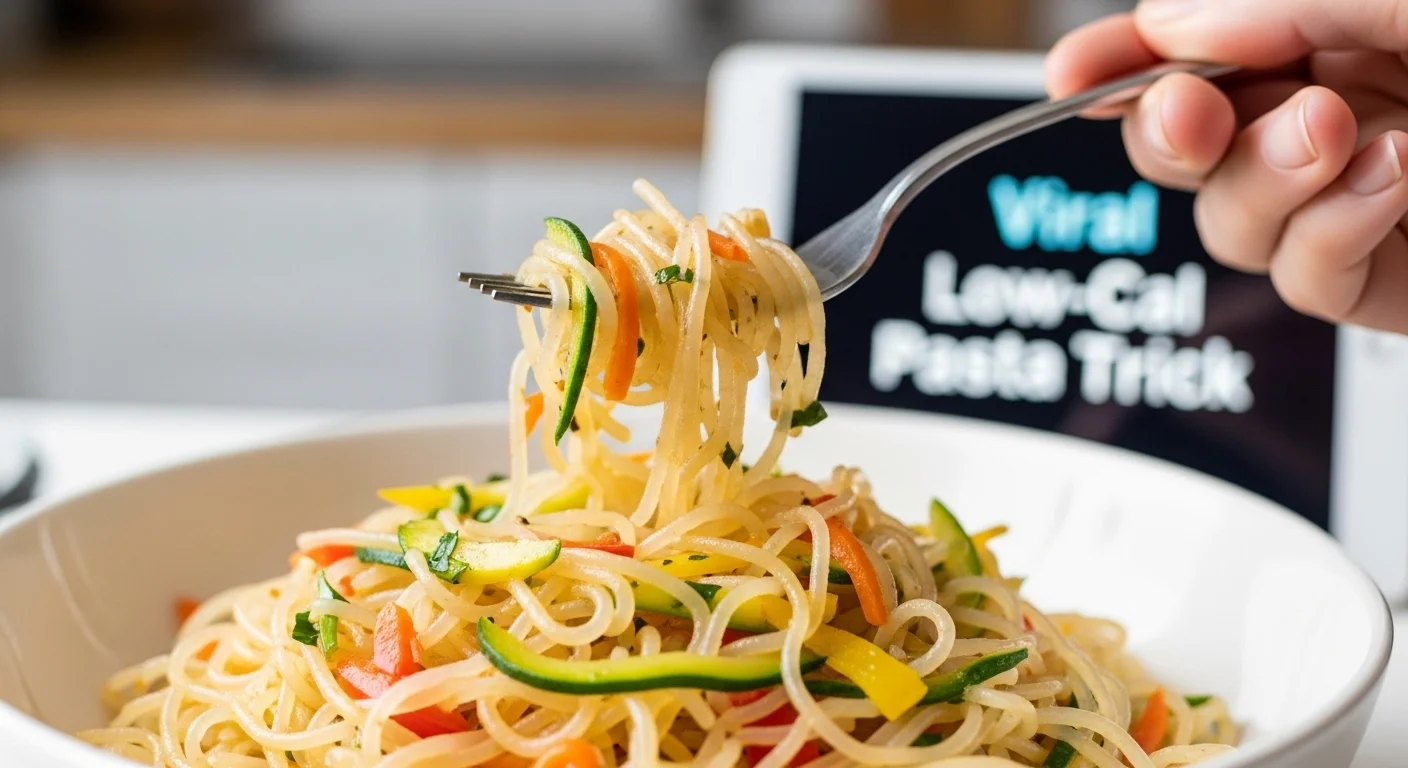
Understanding the Viral Pasta Trick
When I first heard about this low-cal pasta trick, I was skeptical. It seemed too good to be true, right? The idea is simple: substitute traditional pasta with a low-calorie alternative. But what does that really mean? I decided to dig deeper and try it out myself. After some research and kitchen experimentation, I discovered that this trick revolves around using konjac noodles, often referred to as shirataki noodles. These noodles are made from the konjac yam and are incredibly low in calories, often containing less than 20 calories per serving!
The Science Behind Shirataki Noodles
Let’s take a moment to understand the magic of these noodles. Shirataki noodles are primarily composed of water and glucomannan, a soluble fiber derived from the konjac plant. This fiber expands in your stomach, helping you feel fuller longer, which is a big plus for anyone trying to cut down on calories. I remember the first time I tried cooking with them; I was curious if they would actually hold up in a dish. Spoiler alert: they did!
How to Prepare Shirataki Noodles
Preparing shirataki noodles is surprisingly easy, which is one of the reasons I fell in love with them. Here’s how I do it:
- First, I drain the noodles from their packaging. They often come in a liquid that has a slightly fishy smell, which can be off-putting at first.
- Next, I rinse them thoroughly under cold water for about a minute. This step is crucial to remove any residual odor.
- After rinsing, I dry them off with a paper towel. This helps to achieve a better texture when cooking.
- Finally, I sauté them in a pan for a few minutes to get rid of any excess moisture. I usually add a bit of oil and some garlic for flavor.
Once I’ve prepared the noodles, the options are endless! I’ve used them in everything from stir-fries to pasta salads, and each time they’ve absorbed the flavors beautifully. Read Interesting article: Balsamic Roasted Beets That Everyone Will Enjoy
Creating Delicious Dishes
After experimenting with shirataki noodles, I wanted to share some of my favorite creations that I think you’ll love. Here are a few dishes that I found particularly satisfying:
- Shirataki Pad Thai: I replaced traditional rice noodles with shirataki noodles in this classic dish. I stir-fried them with shrimp, bean sprouts, and a homemade sauce, and the result was delicious without the heavy carbs!
- Garlic Butter Shirataki: I sautéed the noodles in garlic, butter, and a sprinkle of parmesan cheese. It was rich and comforting, without the guilt of traditional pasta.
- Shirataki Vegetable Stir-Fry: This dish was a game-changer for me. I tossed the noodles with a variety of colorful veggies and a savory soy sauce. It was light yet filling.
My Experience with Shirataki Noodles
Initially, I was a bit hesitant about the texture of shirataki noodles. They are different from traditional pasta, having a more gelatinous feel. However, I quickly learned to appreciate their unique consistency. I think it’s all about adjusting your expectations and embracing the change. After a few meals, I even found myself preferring them over regular pasta.
One thing I noticed is that shirataki noodles can take on the flavors of whatever you’re cooking. This adaptability was a pleasant surprise for me. I remember making a creamy alfredo sauce and tossing it with the noodles. The dish turned out so flavorful that I almost forgot I was eating a low-calorie alternative!
Potential Downsides
While I’m all about the benefits of shirataki noodles, I think it’s important to address some potential downsides. For one, their texture may not be for everyone. Some people might find it a bit slippery or strange compared to traditional pasta. Additionally, the low-calorie content means they don’t offer the same chewy satisfaction that comes with regular pasta. I learned that it’s best to pair them with hearty sauces or ingredients to create a more balanced meal.
Another point to consider is that, because they are mostly fiber, eating too many shirataki noodles in one sitting can lead to digestive discomfort. I learned this the hard way during one of my first attempts. Moderation is key, just like with anything else!
Incorporating Shirataki Noodles into Your Diet
Integrating shirataki noodles into your meals can be a fun and creative process. I found that they fit perfectly into meal prepping, and I often cook a large batch at the beginning of the week. This way, I can easily toss them into various dishes throughout the week. You can experiment with different sauces, proteins, and vegetables, making it a versatile choice for anyone looking to enjoy pasta without the calories.
Tips for Cooking with Shirataki Noodles
As I continued to explore the culinary world of shirataki noodles, I picked up some handy tips that really enhanced my cooking experience. I want to share these with you because they can make all the difference in enjoying these unique noodles to their fullest potential.
Experiment with Flavors
One of the exciting things about shirataki noodles is their ability to absorb flavors. I found that marinating them or letting them soak in a flavorful sauce for a bit can elevate a dish significantly. For instance, I often make a simple soy sauce and sesame oil marinade and let the noodles sit in it for about 30 minutes before incorporating them into a stir-fry. The flavor infusion was remarkable, and I felt like I was eating a dish bursting with taste rather than just a low-calorie alternative.
Mix with Other Ingredients
I’ve noticed that mixing shirataki noodles with other ingredients can help create a more satisfying meal. One of my favorite combinations is using them alongside spiralized zucchini or sautéed mushrooms. This not only adds texture but also increases the nutritional value of the dish. I remember the first time I tossed shirataki noodles with a bunch of sautéed spinach, tomatoes, and a sprinkle of feta cheese. The result was a delightful medley that was both light and fulfilling.
Don’t Skimp on Seasonings
Another crucial lesson I learned is that shirataki noodles can benefit from generous seasoning. Since they are relatively bland on their own, I always add a good amount of spices and herbs to my dishes. Whether it’s a dash of red pepper flakes for some heat or a handful of fresh basil for that aromatic touch, seasonings can really make a difference. I particularly enjoyed a dish I made with garlic, thyme, and a hint of chili powder. That combination made the noodles pop with flavor!
Try Different Cooking Methods
While sautéing has been my go-to method, I’ve also experimented with other cooking techniques. For example, I tried boiling the noodles briefly before adding them to my favorite soup recipe. This not only warmed them up but also helped them blend seamlessly with the broth. I remember making a light chicken noodle soup and adding the shirataki noodles right at the end. They soaked up the flavors beautifully and made for a comforting meal on a chilly evening.
Pairing Shirataki Noodles with Proteins
When it comes to creating a complete meal, I find that pairing shirataki noodles with a good source of protein is key. I often add grilled chicken or shrimp for a satisfying dish. One of my favorite recipes is a creamy shrimp and avocado shirataki noodle dish. I simply cooked the shrimp with garlic and a splash of lemon juice, then tossed everything together with the noodles and slices of fresh avocado. The creamy texture of the avocado balanced the noodles perfectly, and I felt so good knowing I was enjoying a healthier meal without sacrificing flavor.
Storage and Shelf Life
If you’re like me and enjoy meal prepping, you’ll appreciate the storage tips for shirataki noodles. After opening the package, I’ve found that it’s best to keep any unused noodles submerged in water in the fridge. This helps maintain their texture and prevents them from drying out. I usually change the water every couple of days if I don’t use them right away. They last quite a while, but I recommend using them within a week for the best taste and texture.
Creative Sauces to Try
Now, let’s talk about sauces! The right sauce can truly elevate shirataki noodles. I’ve experimented with a few and found some winners that I think you’ll enjoy:
- Peanut Sauce: I created a simple peanut sauce with peanut butter, soy sauce, and a bit of honey. Tossing the shirataki noodles with this sauce made for a deliciously creamy and nutty dish.
- Marinara Sauce: A classic! I heated up some store-bought marinara sauce and mixed it with the noodles, adding a sprinkle of Italian herbs. It felt like a cozy Italian dinner.
- Homemade Pesto: I made a quick basil pesto with fresh basil, garlic, and olive oil. Tossing the shirataki noodles in this vibrant sauce created a refreshing meal.
Each of these sauces brought a unique twist to my dishes and showcased how versatile shirataki noodles can be. I think the key is to be bold and try new things, as you might just stumble upon your next favorite meal. Read Interesting article: This Cinnamon Roll TikTok Trend Is My New Personality
Incorporating Shirataki Noodles into a Balanced Diet
As I’ve embraced shirataki noodles, I’ve also been more mindful about balancing my meals. While these noodles are a fantastic low-calorie option, it’s essential to remember they shouldn’t completely replace other food groups. I’ve had success incorporating a variety of proteins, healthy fats, and colorful vegetables into my dishes, which not only makes my meals more nutritious but also more visually appealing. Eating should be enjoyable, after all!
In my experience, the journey with shirataki noodles has been rewarding. They’ve allowed me to indulge my pasta cravings while still staying on track with my health goals. I’m excited to continue discovering new dishes and flavors, and I hope you feel inspired to do the same! Read Interesting article: This Crispy Cabbage Steak Trend Changed My Dinner Game
Frequently Asked Questions About Shirataki Noodles
As I’ve shared my journey with shirataki noodles, I’ve encountered quite a few questions from friends and family. It seems like many people are curious about this low-calorie alternative, and I totally get it! Here are some of the most common questions I’ve come across, along with my personal insights.
Are Shirataki Noodles Gluten-Free?
I often hear this question, especially from friends who follow gluten-free diets. The great news is that shirataki noodles are naturally gluten-free! Since they are made from konjac yam, there are no wheat or gluten-containing ingredients involved. This makes them an excellent option for anyone looking to avoid gluten, and I’ve found them to be a fantastic substitute in dishes where I’d typically use regular noodles.
Can You Eat Shirataki Noodles Raw?
This is something I was curious about when I first started experimenting with these noodles. While some people do enjoy them raw, I’ve found that they are best when heated or cooked. The texture can be a bit off-putting if you eat them cold, but when warmed up, they become much more enjoyable. I usually add them to soups or stir-fries, where they soak up the flavors and become a delightful addition to the dish.
How Do Shirataki Noodles Compare to Other Low-Calorie Pasta Alternatives?
Over the years, I’ve tried several low-calorie pasta alternatives, like zucchini noodles and spaghetti squash. Each option has its unique qualities, but I think what sets shirataki noodles apart is their ability to hold onto flavors. While zucchini noodles can be watery and spaghetti squash has a distinct taste, shirataki noodles remain neutral, making them incredibly versatile. Depending on what I’m in the mood for, I might choose one over the other, but shirataki noodles have become my go-to for a calorie-friendly pasta experience.
How Many Calories Are in Shirataki Noodles?
When it comes to calorie count, shirataki noodles are incredibly impressive. I’ve seen some brands advertise their noodles as containing only 10 to 20 calories per serving! This low-calorie count is one of the main reasons I’ve embraced them. It allows me to enjoy larger portions without the guilt that usually comes with traditional pasta. Just be sure to check the serving size on the package, as it can vary slightly between brands.
Do Shirataki Noodles Have Nutritional Value?
While shirataki noodles are low in calories, I’ve learned that their nutritional profile is quite limited. They’re primarily made of water and fiber, which means they don’t provide the same level of nutrients as whole grain or legume-based pastas. However, I find that I can easily make a meal more balanced by pairing them with protein, healthy fats, and veggies. This way, I can enjoy a satisfying dish that covers all my nutritional bases.
Can You Freeze Shirataki Noodles?
This was a question I had when I first bought a bulk package of shirataki noodles. I was worried about their shelf life and potential waste. After digging a bit, I found that freezing them isn’t recommended. It can alter their texture and make them less enjoyable when cooked. Instead, I’ve opted to keep them in the fridge, submerged in water, and make sure to use them within a week for the best taste and quality.
How Do You Feel About the Texture of Shirataki Noodles?
The texture of shirataki noodles can be a bit of a divisive topic. Personally, I initially found it strange compared to traditional pasta, which I’ve loved for years. However, I’ve grown to appreciate their unique gelatinous feel. I think it’s all about adjusting your expectations and finding the right dishes to use them in. When paired with hearty sauces and ingredients, they become a delightful part of the meal rather than something that stands out awkwardly.
What Are Some Creative Ways to Serve Shirataki Noodles?
I’ve had a blast experimenting with different ways to serve shirataki noodles. One of my favorite methods is to turn them into a cold noodle salad! After preparing the noodles, I toss them with a variety of fresh veggies, a tangy dressing, and some protein for a refreshing and satisfying dish. I’ve also used them as a base for a low-calorie lasagna by layering them with marinara sauce, ricotta, and veggies. The possibilities are endless, and I love getting creative in the kitchen!
Where Can You Buy Shirataki Noodles?
When I first started looking for shirataki noodles, I was surprised at how accessible they are. I found them in the international aisle at my local grocery store, alongside other Asian ingredients. They’re also available in health food stores and online. I often order them online in bulk when I find a brand I love, which saves me a trip to the store and ensures I always have them on hand for quick meals.
In my experience, shirataki noodles have opened up a whole new world of delicious, guilt-free meals. They’ve allowed me to satisfy my pasta cravings while staying on track with my health goals. I hope these answers help you on your journey to explore this unique noodle alternative!
Frequently Asked Questions
Are Shirataki Noodles Gluten-Free?
Yes, shirataki noodles are naturally gluten-free since they are made from konjac yam, which contains no wheat or gluten-containing ingredients.
Can You Eat Shirataki Noodles Raw?
While some people do eat shirataki noodles raw, they are best enjoyed when heated or cooked, as the texture improves significantly when warmed up.
How Do Shirataki Noodles Compare to Other Low-Calorie Pasta Alternatives?
Shirataki noodles stand out due to their ability to hold onto flavors, unlike zucchini noodles, which can be watery, and spaghetti squash, which has a distinct taste.
How Many Calories Are in Shirataki Noodles?
Shirataki noodles typically contain only 10 to 20 calories per serving, making them a low-calorie option compared to traditional pasta.
Do Shirataki Noodles Have Nutritional Value?
Shirataki noodles are low in calories but have a limited nutritional profile, as they are primarily made of water and fiber. Pairing them with proteins, healthy fats, and vegetables can create a more balanced meal.
Can You Freeze Shirataki Noodles?
No, freezing shirataki noodles is not recommended as it can alter their texture. It’s best to keep them in the fridge, submerged in water, and use them within a week.
How Do You Feel About the Texture of Shirataki Noodles?
Initially, the texture of shirataki noodles may seem strange compared to traditional pasta. However, many people learn to appreciate their unique gelatinous feel, especially when paired with hearty sauces.
What Are Some Creative Ways to Serve Shirataki Noodles?
Some creative ways to serve shirataki noodles include making a cold noodle salad or using them as a base for a low-calorie lasagna with marinara sauce, ricotta, and veggies.
Where Can You Buy Shirataki Noodles?
Shirataki noodles can be found in the international aisle of local grocery stores, health food stores, and online. Ordering online in bulk is often a convenient option.
What Are Some Tips for Cooking with Shirataki Noodles?
To enhance the flavor of shirataki noodles, it’s recommended to experiment with marinades, mix them with other ingredients for texture, and use generous seasonings to elevate the dish.