
If you’re looking to explore the rich culinary heritage of Africa, diving into its appetizers is the perfect start. These little bites pack a flavorful punch, showcasing diverse ingredients and cooking techniques from the continent.
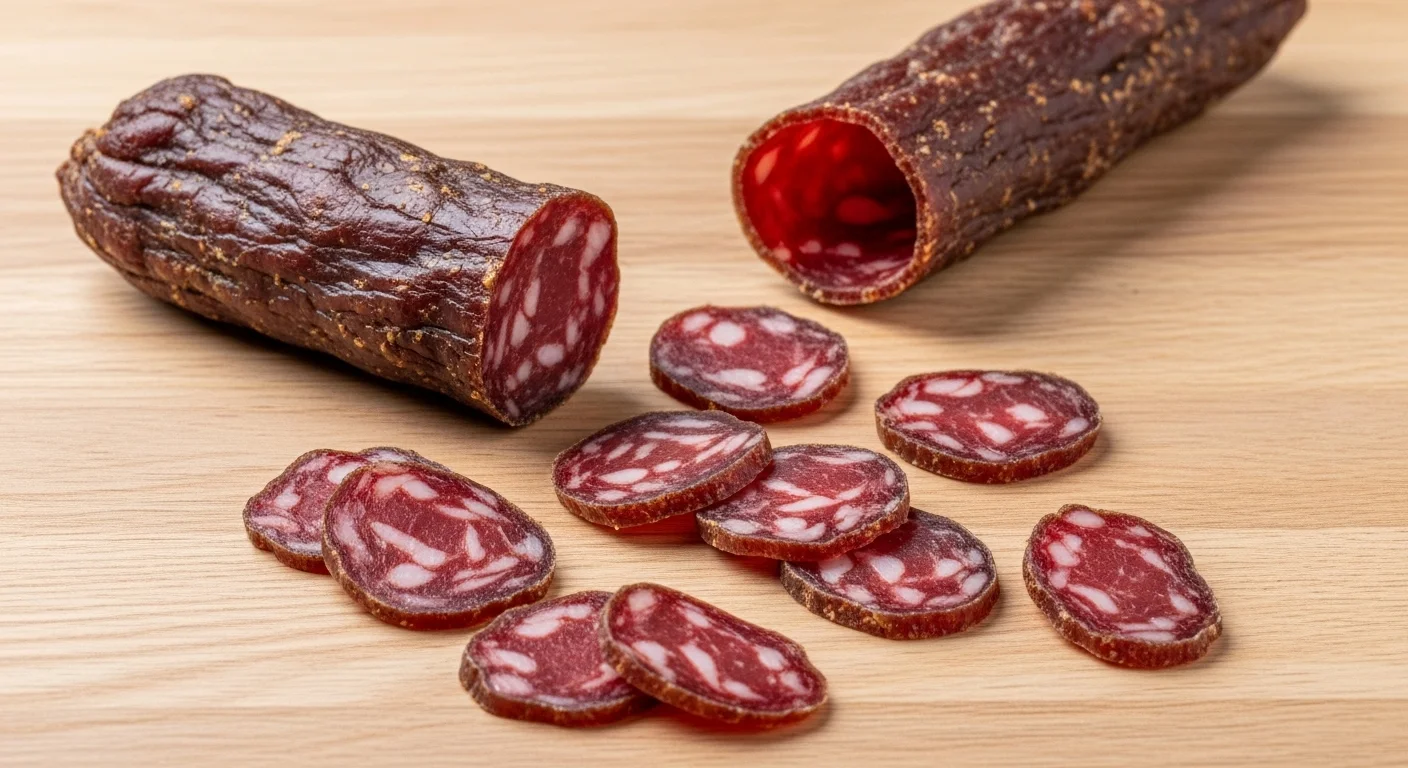
1. Biltong – South Africa
Let’s kick things off with a classic South African delicacy: biltong. I remember the first time I tried it. It was a hot summer afternoon, and I was at a local market in Cape Town. The air was filled with the smell of spices and dried meat. Biltong, essentially dried, cured meat, can be made from various types of meat, but beef is the most common. The preparation involves marinating the meat in vinegar and spices like coriander, black pepper, and salt before air-drying it. The result? A chewy, protein-packed snack that’s utterly addictive.
What I love about biltong is its versatility. It can be enjoyed on its own, paired with cheese, or even used as a topping for salads. It’s a staple for many South Africans, and you can find it everywhere, from grocery stores to street vendors. If you haven’t tried biltong, I highly recommend seeking it out. It’s a great way to get a taste of South African culture.
2. Samosas – East Africa
Next up are samosas, which have a special place in my heart. Growing up, I often attended family gatherings where these crispy pockets of goodness were the highlight. Originating from India, samosas have been embraced by many African cultures, especially in East Africa. They are typically filled with spiced potatoes, peas, or minced meat, all wrapped in a thin pastry and deep-fried to golden perfection.
The first bite is always the best. The crunch of the exterior gives way to the warm, flavorful filling. I remember my aunt’s recipe, which included a secret blend of spices that made her samosas stand out. They are often served with a tangy tamarind or mint chutney, which adds an extra layer of flavor. Samosas are perfect for parties, and I love how they bring people together, each one sharing their favorite fillings and dips.
3. Akara – Nigeria
When I first tasted akara, I was blown away by its simplicity and flavor. These deep-fried bean cakes are made from black-eyed peas that are blended into a smooth batter, mixed with onions, and seasoned with spices. The batter is then shaped into small balls and fried until golden brown. I had my first akara at a street food stall in Lagos, and it was love at first bite.
Akara are fluffy on the inside and crispy on the outside, making them an irresistible snack. They’re often enjoyed with a spicy pepper sauce or eaten with a side of pap, a fermented corn pudding. What I found remarkable about akara is how they are not just a snack; they are also a breakfast staple for many Nigerians. It’s a dish that showcases the creativity and resourcefulness of Nigerian cuisine.
4. Plantain Chips – West Africa
Ah, plantain chips! I can’t help but smile when I think of them. These crunchy snacks are made from ripe or unripe plantains sliced thinly and then fried until crispy. I remember discovering them at a friend’s house during a movie night. We couldn’t stop munching on them! They come in various flavors, from salty to spicy, and are perfect for snacking.
In West Africa, they often serve plantain chips at parties or as a bar snack. I’ve even seen them used in dishes as a crunchy topping. They’re not just delicious; they also have a satisfying crunch that keeps you coming back for more. If you ever get a chance to try them, I promise you won’t regret it. They are a fun way to experience the vibrant flavors of West African cuisine.
5. Mealie Bread – Southern Africa
Mealie bread is a traditional Southern African dish that I stumbled upon during a road trip through Zimbabwe. This moist, sweet cornbread is made with ground maize, and it’s often served as an accompaniment to savory dishes or enjoyed on its own as a snack. The texture is soft and slightly dense, and the flavor is subtly sweet, making it a delightful addition to any meal.
I’ve seen mealie bread served at barbecues and family gatherings, and it never fails to impress. Sometimes, it’s even cooked with cheese or herbs for added flavor. What I love most about mealie bread is how it embodies the essence of Southern African hospitality. When you share a meal, it’s often served alongside this comforting bread, making it a beloved staple in many households.
6. Chinchinga – Ghana
I can’t write about African appetizers without mentioning chinchinga, or what others might know as kebabs. This popular street food in Ghana is made with skewered meat marinated in a spicy blend of spices and grilled to perfection. I first encountered chinchinga at a bustling market in Accra, where the smell of grilled meat wafted through the air, drawing me in.
The meat is typically beef or chicken, and the spices used can vary, giving each vendor their unique twist. I love how you can grab a stick of chinchinga while walking around, enjoying the vibrant atmosphere of the market. The deep, smoky flavor combined with the heat of the spices makes it an unforgettable snack. For me, chinchinga isn’t just food; it’s an experience that captures the spirit of Ghanaian street life.
7. Bunny Chow – South Africa
Ah, bunny chow! This quirky dish is one of my all-time favorites. I first encountered bunny chow during a visit to Durban, a city known for its rich Indian influence and vibrant culinary scene. The concept is simple yet genius: a hollowed-out loaf of bread filled with a spicy curry. It’s a perfect example of how street food can be both comforting and exciting at the same time.
When I took my first bite, the explosion of flavors was incredible. The curry was rich and spicy, with tender pieces of meat or vegetables soaking into the bread. I remember being amazed at how the bread absorbed the curry sauce, making it deliciously soggy by the time I reached the end. Despite its humble origins, bunny chow has become a beloved staple in South Africa, with variations found in different regions. I love how you can find bunny chow served in casual eateries as well as upscale restaurants, each offering their unique twist on this classic dish.
One thing I appreciated was the communal aspect of eating bunny chow. It’s often shared among friends or family, which adds to the experience. In my opinion, food tastes better when shared, and bunny chow certainly brings people together in a delightful way. If you find yourself in South Africa, make sure to grab a bunny chow—it’s a fun and flavorful adventure.
8. Injera with Doro Wat – Ethiopia
Injera is a staple in Ethiopian cuisine, and it’s something I couldn’t resist trying. This spongy flatbread is made from teff flour and serves as the base for many Ethiopian dishes. When I visited an Ethiopian restaurant, I was thrilled to learn that injera is not just a side—it’s also your eating utensil! The first time I dug into a plate of doro wat (spicy chicken stew) using injera, I felt a sense of connection to the culture.
The tangy flavor of the injera paired beautifully with the rich, spicy stew. I remember the warmth of the spices and the way the injera soaked up the sauce, creating a perfect bite. What I love most about this dish is the communal dining experience it promotes. Food is served on a large platter, and everyone tears off pieces of injera to scoop up the doro wat, fostering a sense of togetherness. It’s an experience that made me appreciate not just the food, but the culture surrounding it. If you’re looking to try something new, I highly recommend diving into an Ethiopian meal with injera. You’ll find it’s not just a feast for the taste buds but also for the soul.
9. Koshari – Egypt
Koshari is another dish that captured my heart. During a trip to Cairo, I stumbled upon this street food gem that is a delightful mix of flavors and textures. Koshari is a hearty blend of rice, lentils, and pasta, topped with a spicy tomato sauce and garnished with crispy onions. I remember the buzz of the busy streets as I watched vendors prepare this dish, each adding their special touch.
The first forkful was a revelation—each ingredient seemed to complement the others perfectly. The rice and lentils provided a comforting base, while the tangy sauce brought everything to life. The crispy onions? They were the cherry on top, adding a satisfying crunch to each bite. What I found fascinating about koshari is its history; it’s often considered Egypt’s national dish and reflects the country’s diverse culinary influences. It’s affordable, filling, and loved by locals, making it a must-try for anyone visiting Egypt.
One of my favorite memories of koshari was enjoying it at a small, bustling eatery filled with laughter and chatter. Sharing bowls of koshari with friends while soaking in the ambiance made the meal all the more special. To me, koshari represents the heart of Egyptian street food—simple, delicious, and deeply rooted in culture.
10. Piri Piri Chicken – Mozambique
When I think of Mozambique, I can’t help but think of piri piri chicken. This dish is a celebration of flavors, and my first experience with it was unforgettable. I was at a beachside restaurant where the scent of grilled chicken mingled with the salty ocean breeze. Piri piri sauce, made from fiery chili peppers, garlic, and spices, is what gives this dish its kick.
As I took my first bite, the smoky char from the grill combined with the zesty sauce sent my taste buds dancing. The chicken was juicy and tender, making each mouthful a delight. I learned that piri piri chicken is often served with sides like rice or fries, but I enjoyed it best with a simple salad that balanced the heat. What I love about this dish is how it embodies Mozambique’s coastal culture, reflecting the influence of Portuguese cuisine while adding local flavors.
Whether enjoyed at a beach shack or a fine dining restaurant, piri piri chicken is a must-try when visiting Mozambique. For me, it’s more than just a meal; it’s a reminder of the vibrant flavors and warm hospitality that characterize this beautiful country.
11. Poff Poff – Nigeria
Poff Poff is one of those delicious snacks that I can never resist. During my travels to Nigeria, I encountered these fluffy, deep-fried dough balls at various street vendors and family gatherings. The first time I had them was at a local party, where they were served hot and fresh. The aroma wafting through the air was simply irresistible!
What makes poff poff so special is their light and airy texture. They are made from a simple batter of flour, sugar, yeast, and water, and they come to life when they’re fried to a perfect golden brown. The first bite is a little piece of heaven, with a slightly crispy exterior giving way to a soft, sweet interior. I remember chatting with friends as we devoured plate after plate, each ball disappearing in seconds!
Poff Poff is often enjoyed as a snack or dessert and can be found at celebrations, street fairs, and even in homes. Some vendors get creative by adding flavors like coconut or chocolate chips, but for me, the classic version is where it’s at. I love how they’re often served alongside spicy pepper sauce, creating the perfect balance of sweet and spicy. If you ever get the chance to try poff poff, don’t hesitate—it’s an experience you won’t forget!
12. Bobotie – South Africa
Bobotie is a dish I stumbled upon while exploring the Cape Malay cuisine in South Africa. The first time I tasted this unique baked dish was at a cozy eatery in Cape Town. It’s a comforting combination of spiced minced meat topped with a creamy, egg-based custard. I remember being intrigued by its sweet and savory flavors, which were unlike anything I had experienced before.
The preparation of bobotie involves mixing ground meat with spices, bread, and dried fruit, which gives it a wonderful depth of flavor. The dish is then baked until the top becomes golden and set. What I particularly enjoy about bobotie is its delightful contrast in taste—a sprinkle of curry spices mingling with the sweetness of apricots or raisins. It’s often served with yellow rice and chutney, creating a perfect harmony of flavors on the plate.
Bobotie is a true reflection of South African history, showcasing the influences of various cultures coming together over the years. Sharing a plate of bobotie with friends and family is a joyful experience, and it always sparks conversations about our own culinary journeys. If you’re looking for a dish that tells a story and warms the heart, bobotie is definitely worth trying!
13. Kachumbari – East Africa
Kachumbari is a vibrant and refreshing salad that I discovered during my travels through East Africa, particularly in Kenya and Tanzania. This dish is a perfect example of how simple ingredients can come together to create something so bursting with flavor. Made primarily of diced tomatoes, onions, and chili peppers, kachumbari is often dressed with lime juice and a hint of salt.
The first time I tasted kachumbari was at a beachside restaurant, where it was served alongside grilled fish. The freshness of the vegetables, combined with the zesty lime, was a welcomed contrast to the richness of the fish. I remember how the salad was not just a side dish; it was a celebration of fresh produce from the local markets. Every bite was like a burst of sunshine!
What I love most about kachumbari is its versatility. It can be served as a salad, a condiment, or even a salsa-like topping for grilled meats. I’ve seen variations that include avocado or mango, which add a delightful twist. Kachumbari is often enjoyed at gatherings and is a staple at barbecues, where it brings a refreshing element to the table. If you’re looking for something light and flavorful, kachumbari is a must-try!
14. Doro Wat – Ethiopia
Doro wat is a dish that has a special place in my heart and is one of the standout meals from my Ethiopian culinary adventures. This rich, spicy chicken stew is traditionally served during celebrations, and I was lucky enough to enjoy it at a family gathering. The first time I tasted doro wat, I was mesmerized by the complex flavors and the deep, reddish-brown color of the stew.
The preparation involves marinating the chicken in a blend of spices, including berbere—a mix of chili peppers, garlic, ginger, and other spices—before simmering it in a flavorful sauce made with onions, tomatoes, and hard-boiled eggs. I remember the comforting aroma that filled the room as it cooked, hinting at the warmth and love put into the dish.
What I found most beautiful about doro wat is how it’s served. It comes with injera, that lovely spongy flatbread I mentioned earlier. You tear off pieces of injera to scoop up the stew, and there’s something so communal and intimate about sharing a meal this way. Doro wat is a celebration of Ethiopian cuisine and culture, showcasing the importance of flavors and togetherness. If you’re ever invited to an Ethiopian feast, make sure doro wat is on your plate—it’s a dish you won’t forget!
15. Tzatziki – North Africa
While tzatziki has its roots in Greece, I was surprised to find a delightful North African twist on this classic dip during my travels in Morocco. This refreshing yogurt-based sauce is made with cucumbers, garlic, lemon juice, and herbs. I first had it at a local eatery, served as a side to grilled meats and warm pita bread.
The coolness of the tzatziki was a perfect contrast to the spicy dishes I was enjoying. I remember dipping pieces of warm bread into the creamy sauce, and each bite was a delicious explosion of flavors. The freshness of the cucumbers combined with the tang of the yogurt created a lightness that was so satisfying.
Tzatziki is versatile and can be enjoyed in many ways; I’ve seen it served as a dip, a dressing, or even as a condiment for grilled vegetables. The addition of fresh mint or dill gives it a unique twist that I thoroughly enjoyed. If you find yourself in North Africa, don’t miss out on trying tzatziki—it’s a refreshing bite that will leave you wanting more!
Frequently Asked Questions
“`htmlWhat is biltong and how is it prepared?
Biltong is a classic South African delicacy made from dried, cured meat, typically beef. The preparation involves marinating the meat in vinegar and spices such as coriander, black pepper, and salt before air-drying it.
What are samosas and where do they originate?
Samosas are crispy pockets typically filled with spiced potatoes, peas, or minced meat, originating from India. They have been embraced by many cultures in East Africa.
What is akara and how is it served?
Akara are deep-fried bean cakes made from black-eyed peas blended with onions and spices. They are often enjoyed with a spicy pepper sauce or alongside pap, a fermented corn pudding.
What are plantain chips and how are they typically enjoyed?
Plantain chips are crunchy snacks made from thinly sliced ripe or unripe plantains that are fried until crispy. They are often served at parties or as a bar snack and can be used as a topping in various dishes.
What is mealie bread and when is it usually served?
Mealie bread is a moist, sweet cornbread made with ground maize, often served as an accompaniment to savory dishes or enjoyed as a snack. It embodies the essence of Southern African hospitality.
What is chinchinga and how is it prepared?
Chinchinga, known as kebabs, is a popular street food in Ghana made with skewered meat marinated in a spicy blend of spices and grilled to perfection.
What is bunny chow and what makes it unique?
Bunny chow is a dish from South Africa consisting of a hollowed-out loaf of bread filled with spicy curry. It’s known for its communal aspect, often shared among friends or family.
What is injera and how is it used in Ethiopian cuisine?
Injera is a spongy flatbread made from teff flour, serving as both a base for many Ethiopian dishes and an eating utensil. It is often used to scoop up stews like doro wat.
What is koshari and what ingredients does it contain?
Koshari is a hearty Egyptian dish made with rice, lentils, and pasta, topped with a spicy tomato sauce and crispy onions. It is considered Egypt’s national dish.
What is piri piri chicken and what flavors does it feature?
Piri piri chicken is a dish from Mozambique featuring grilled chicken marinated in piri piri sauce, made from chili peppers, garlic, and spices. It embodies Mozambique’s coastal culture and reflects Portuguese culinary influences.
“`