
If you’re a fan of Japanese cuisine, you’re in for a treat! Japanese appetizers, or “otsumami,” are not just tasty bites; they are a delightful journey through flavors and textures. Here are the top 10 Japanese appetizers I think everyone should try.
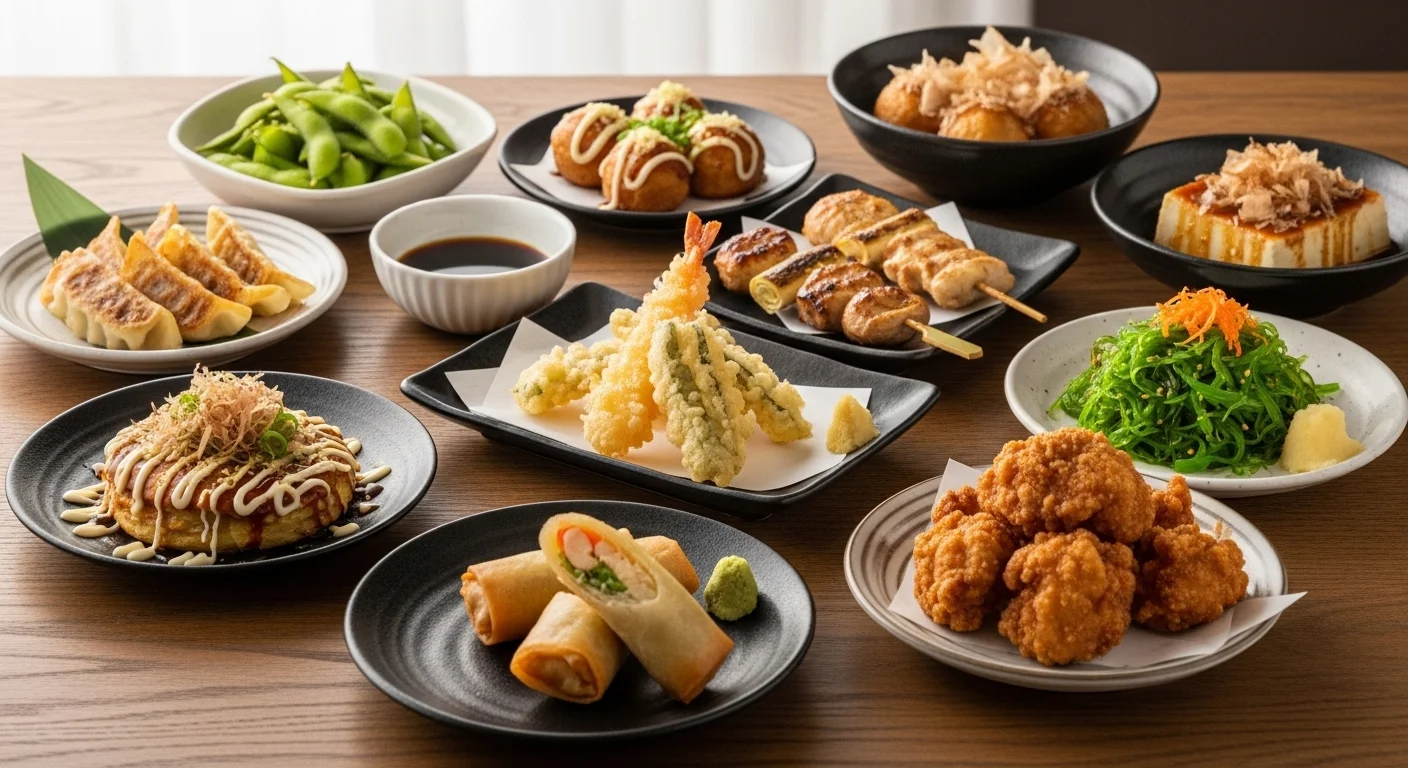
1. Edamame
Let’s start with a classic: edamame. These young soybeans are often steamed and lightly salted, making them a perfect starter. I remember the first time I tried them at a sushi restaurant. I was surprised at how simple they were, yet so delicious. The texture is firm, and when you pop them out of their pods, there’s a burst of fresh, green flavor. Edamame is not just a snack; it’s a healthy choice packed with protein and nutrients. I often find myself ordering them every time I go out for Japanese food.
How to Prepare Edamame
Preparing edamame at home is super easy. Just boil or steam the pods for about 5-10 minutes until they are bright green and tender. Sprinkle with sea salt and serve warm. If you’re feeling adventurous, you can even toss them in a little garlic or chili oil for added flavor. For me, they are a great way to start a meal and set the tone for what’s to come.
2. Gyoza
Next up, we have gyoza, a delightful treat that always gets my taste buds dancing. These pan-fried dumplings are stuffed with a mixture of meat and vegetables, typically pork and cabbage, although I’ve seen many variations. I still recall the first time I tried making them myself. It took a few attempts to get the folding technique right, but it was worth it. The crispy bottom and the tender top, combined with a dipping sauce made of soy sauce and vinegar, create a symphony of flavors.
Types of Gyoza
There are many types of gyoza, including steam-fried, which offers a different texture. I love experimenting with fillings too—adding shiitake mushrooms or even shrimp can elevate the dish. I recommend serving gyoza with a side of spicy dipping sauce for an extra kick. It’s a crowd-pleaser that never fails to impress!
3. Takoyaki
Ah, takoyaki! This dish holds a special place in my heart. I remember the first time I had takoyaki at a street festival in Japan. Watching the vendor skillfully turn the balls in the hot griddle was mesmerizing. These savory balls are made from a batter filled with diced octopus, tempura scraps, and green onions. When cooked, they are crispy on the outside and wonderfully soft inside.
Serving Takoyaki
Takoyaki is typically topped with takoyaki sauce, a sweet and savory glaze, and drizzled with mayonnaise. I love the finishing touch of bonito flakes that dance on top when the dish is served. Making takoyaki at home can be a fun experience, especially if you have a takoyaki pan. I suggest gathering friends for a cooking night—it’s a fantastic way to bond over food!
4. Agedashi Tofu
Agedashi tofu is another appetizer that never fails to impress me. This dish features deep-fried tofu served in a warm dashi broth, topped with scallions and grated daikon. The first time I tried it, I was amazed at how the crispy exterior contrasted with the soft, silky interior of the tofu. The broth adds a depth of flavor that makes this dish comforting and satisfying.
Making Agedashi Tofu at Home
To make agedashi tofu, cut the tofu into cubes, coat them in potato starch, and deep-fry until golden. Then, prepare a simple dashi broth with soy sauce and mirin. I often garnish it with bonito flakes and green onions for added flair. It’s a simple yet elegant dish that’s perfect as an appetizer or even a light meal.
5. Tuna Sashimi
Tuna sashimi is pure elegance on a plate. Fresh, raw tuna sliced into delicate pieces is a staple in Japanese cuisine. I remember the first time I had it; the melt-in-your-mouth texture blew me away. I learned that the quality of the tuna makes all the difference, so I always seek out the freshest available.
Serving Tuna Sashimi
Typically served with soy sauce and wasabi, tuna sashimi is a simple yet sophisticated appetizer. I love pairing it with pickled ginger to cleanse my palate between bites. For a special touch, I recommend serving it on a bed of daikon radish or alongside avocado slices. It’s a dish that showcases the beauty of simplicity in Japanese cooking.
6. Shrimp Shumai
Shumai, particularly the shrimp variety, is another delightful appetizer that brings back fond memories. These steamed dumplings are filled with shrimp and pork, wrapped in delicate dumpling skins. I remember the first time I tried them at a dim sum restaurant; the flavors were so fresh and vibrant. Each bite was a burst of umami, and I loved dipping them in soy sauce with a hint of chili oil.
Preparing Shrimp Shumai
Making shumai can be a fun activity, especially when I invite friends over. The process involves mixing the filling, wrapping it in the dumpling skin, and steaming them to perfection. I recommend garnishing with a sprinkle of green onions before serving. It’s a lovely way to start a meal and always a hit at gatherings.
7. Yakitori
Yakitori is one of those dishes that I can’t resist. These grilled chicken skewers are bursting with flavor and have a wonderful smoky aroma. I remember my first experience with yakitori at a cozy little izakaya in Tokyo. The chef expertly cooked the skewers over a charcoal grill, and the mouthwatering scent filled the air. Each bite was juicy and tender, and I loved the way the sweet soy glaze complemented the grilled meat.
Types of Yakitori
What I find fascinating about yakitori is the variety. It’s not just chicken breast; you can enjoy different parts of the chicken, like thighs, wings, and even the liver. My favorite has to be the negima, which includes tender pieces of chicken alternating with green onions. I’ve also tried yakitori made with vegetables like bell peppers and mushrooms, which is a great option for those looking for a vegetarian twist. When I grill yakitori at home, I often make a simple marinade with soy sauce, mirin, and sake that really brings out the flavors.
8. Nasu Dengaku
Nasu dengaku is a dish that truly warms my heart. It consists of grilled eggplant coated with a sweet miso glaze. The first time I tasted it, I was amazed by how the creamy texture of the eggplant paired beautifully with the rich, umami flavor of the miso. I remember enjoying it during a summer barbecue, and it quickly became one of my go-to appetizers.
Making Nasu Dengaku at Home
To make nasu dengaku at home, I slice the eggplant in half and score the flesh to allow the glaze to soak in. Then, I grill the eggplant until it’s tender and smoky. After that, I brush on a mixture of miso paste, sugar, and mirin, then pop it back on the grill for a few minutes to caramelize the glaze. It’s a simple dish, but it’s packed with flavor and makes for a beautiful presentation on the table.
9. Kappa Maki
Kappa maki, or cucumber sushi rolls, might seem simple, but they hold a special place in my heart. I remember my first sushi experience, where kappa maki was the first roll I tried. The refreshing crunch of the cucumber wrapped in vinegared rice and seaweed was surprisingly delightful. It’s a great way to ease into the world of sushi, especially for those who might be hesitant about raw fish.
Why Kappa Maki is Special
What I love about kappa maki is its versatility. Sometimes, I add a little avocado for creaminess or a sprinkle of sesame seeds for extra texture. Making these at home can be a fun activity, especially when I gather friends for a sushi night. Everyone can customize their rolls with their favorite ingredients. I always recommend serving kappa maki with soy sauce and wasabi on the side for dipping.
10. Onigiri
Onigiri, or rice balls, are one of my all-time favorite snacks. They are so simple yet incredibly satisfying. I recall my first bite of onigiri during a picnic in Japan. The combination of perfectly seasoned rice, a touch of salt, and a filling of savory ingredients like pickled plum or grilled salmon was pure bliss. Each bite was a hug from my taste buds!
Making Onigiri at Home
When I make onigiri at home, I love the creativity involved. I start with sushi rice, which I season with a bit of salt. Then, I shape the rice into triangles or balls and stuff them with my favorite fillings. Sometimes I wrap a strip of nori around them for added flavor and to make them easier to hold. Onigiri are perfect for lunchboxes or picnics, and they are great for meal prep. I always keep a few in my fridge for those busy days when I need a quick snack.
11. Chawanmushi
Chawanmushi is something that surprised me with its delicate flavors and texture. This savory egg custard is steamed to perfection and often filled with ingredients like chicken, shrimp, and mushrooms. The first time I tried it, I was taken aback by how silky and smooth it was. It’s like a warm hug in a bowl!
Cooking Chawanmushi at Home
Making chawanmushi at home can be a rewarding experience. I mix eggs with dashi, soy sauce, and mirin, and then gently stir in my desired fillings. Pouring the mixture into small cups and steaming them is where the magic happens. I love the aroma that fills my kitchen while it cooks. Once done, I serve it warm, often garnished with a sprig of mitsuba or a sprinkle of scallions. It’s a dish that always impresses guests and is a beautiful addition to any meal.
Japanese appetizers are not just about satisfying hunger; they tell a story of tradition and culture. Each dish I’ve talked about has a special place in my culinary journey, and I can’t wait to explore even more as I dive deeper into this delicious cuisine.
12. Korokke
Korokke, or Japanese croquettes, are one of those comfort foods that always bring a smile to my face. These golden, crispy treats are typically made with mashed potatoes or ground meat, coated in panko breadcrumbs, and deep-fried to perfection. I remember the first time I bit into one at a local festival; the crunch followed by the soft filling was heavenly. It’s like a warm hug in every bite!
Making Korokke at Home
Creating korokke at home is a fun project, especially when I’m in the mood for some hands-on cooking. I begin by boiling and mashing potatoes, mixing in ingredients like minced onions, carrots, and sometimes a bit of ground beef or pork. After shaping the mixture into patties, I coat them in flour, dip them in beaten egg, and roll them in panko breadcrumbs. Then, it’s time to fry them until they turn that perfect shade of golden brown. The aroma that fills my kitchen is enough to make anyone eager for a taste!
13. Nikujaga
Nikujaga is a beloved Japanese comfort food that never fails to warm my heart. This dish, which translates to “meat and potatoes,” features thinly sliced beef simmered with potatoes and onions in a sweet-savory broth made from soy sauce, sake, and sugar. I first experienced nikujaga at a friend’s house, and I was instantly hooked by the comforting flavors. It’s simple yet incredibly satisfying.
Cooking Nikujaga
To make nikujaga, I usually start by sautéing the beef until browned, then adding sliced onions and letting them soften. Next, I toss in the potatoes and pour in the broth mixture. The key is to let everything simmer together so the flavors meld beautifully. I often serve it with a side of steamed rice, making it a perfect meal for chilly evenings. It’s a dish that embodies home-cooked love!
14. Oden
Oden is a comforting one-pot dish that I grew to love during my time in Japan. It’s made with various ingredients like daikon radish, boiled eggs, konjac, and fish cakes, all simmered in a light, flavorful broth. The first time I had oden, I was fascinated by the variety of ingredients and how they absorbed the broth’s flavors. Each bite was a delightful surprise!
Preparing Oden at Home
Making oden at home can be a bit of a labor of love, but it’s so worth it. I start by preparing a dashi broth and then add my choice of ingredients. I like to include a few pieces of daikon, which become tender and soak up all the delicious flavors. I often let it simmer for an hour or two, allowing everything to meld together. The best part is enjoying it with a dollop of mustard for a bit of spice. It’s the perfect meal for chilly nights!
15. Miso Soup
Miso soup is a staple in Japanese cuisine that I can never get enough of. It’s simple, yet it’s packed with umami flavor. I remember my first bowl of homemade miso soup; the warmth and comfort it brought were unlike anything else. The combination of miso paste, tofu, seaweed, and green onions creates a soothing experience that I often crave.
Crafting Miso Soup at Home
Making miso soup is incredibly easy. I start by bringing water to a boil and then adding in dashi for depth. After dissolving miso paste in a bit of warm broth, I stir it back into the pot. Adding cubes of tofu and wakame seaweed brings a nice texture to the soup. I often finish it off with a sprinkle of chopped green onions. It’s the kind of dish that feels like a warm embrace, perfect for any time of the year.
16. Saba Sashimi
Saba sashimi, or mackerel sashimi, is another dish that has captured my heart. The rich flavor of mackerel is complemented by its silky texture. I still vividly recall my first taste; it was an explosion of flavor that had me reaching for more. The freshness of the fish is truly key in this dish.
Serving Saba Sashimi
When serving saba sashimi, I love to pair it with shiso leaves, which add a refreshing note, and a drizzle of soy sauce. Sometimes I add a little grated ginger for an extra kick. This dish is elegant yet simple, showcasing the beauty of Japanese culinary traditions. I find it makes a wonderful appetizer or a light meal!
17. Aomori-style Zuke Don
Aomori-style zuke don is a rice bowl topped with marinated fish and is one of my favorite ways to enjoy seafood. The fish is marinated in soy sauce and other seasonings, giving it a unique flavor. I remember the first time I had it at a seaside market in Aomori; the freshness was unparalleled.
Making Zuke Don at Home
To make zuke don, I marinate fresh fish, typically tuna or salmon, in a mixture of soy sauce, mirin, and sake for a few hours. Once marinated, I serve it over a bowl of warm rice and top it with sliced green onions and sesame seeds. It’s a simple dish, but the flavors are so vibrant that it feels like a special occasion every time.
Frequently Asked Questions
“`htmlWhat are otsumami in Japanese cuisine?
Otsumami refers to Japanese appetizers that are tasty bites, offering a delightful journey through flavors and textures.
How is edamame prepared?
Edamame is prepared by boiling or steaming the pods for about 5-10 minutes until they are bright green and tender. They are then sprinkled with sea salt and served warm.
What is gyoza, and how is it typically served?
Gyoza are pan-fried dumplings typically stuffed with a mixture of meat and vegetables, often served with a dipping sauce made of soy sauce and vinegar.
What ingredients are used in takoyaki?
Takoyaki is made from a batter filled with diced octopus, tempura scraps, and green onions, cooked into savory balls that are crispy on the outside and soft inside.
What is agedashi tofu?
Agedashi tofu is a dish featuring deep-fried tofu served in a warm dashi broth, topped with scallions and grated daikon, known for its crispy exterior and soft interior.
How is tuna sashimi typically served?
Tuna sashimi is served fresh, raw, and sliced into delicate pieces, typically accompanied by soy sauce, wasabi, and often pickled ginger for palate cleansing.
What is yakitori, and what variations exist?
Yakitori consists of grilled chicken skewers that can be made from different parts of the chicken, including thighs, wings, and even the liver. It can also include vegetables like bell peppers and mushrooms.
What is nasu dengaku and how is it made?
Nasu dengaku is grilled eggplant coated with a sweet miso glaze. It’s made by grilling halved eggplants and brushing them with a mixture of miso paste, sugar, and mirin before caramelizing the glaze.
What is kappa maki?
Kappa maki is cucumber sushi rolls that are refreshing and often served with soy sauce and wasabi on the side for dipping. They are a great introduction to sushi for those hesitant about raw fish.
What is onigiri?
Onigiri are rice balls that can be shaped into triangles or balls and filled with savory ingredients like pickled plum or grilled salmon. They are perfect for lunchboxes or quick snacks.
“`