
If you’re looking for a delightful treat that’s both sweet and satisfying, vegan coffee cake with a cinnamon streusel topping is a must-try. Imagine a moist, fluffy cake paired with a crunchy, spiced topping—perfect for brunch or an afternoon snack!
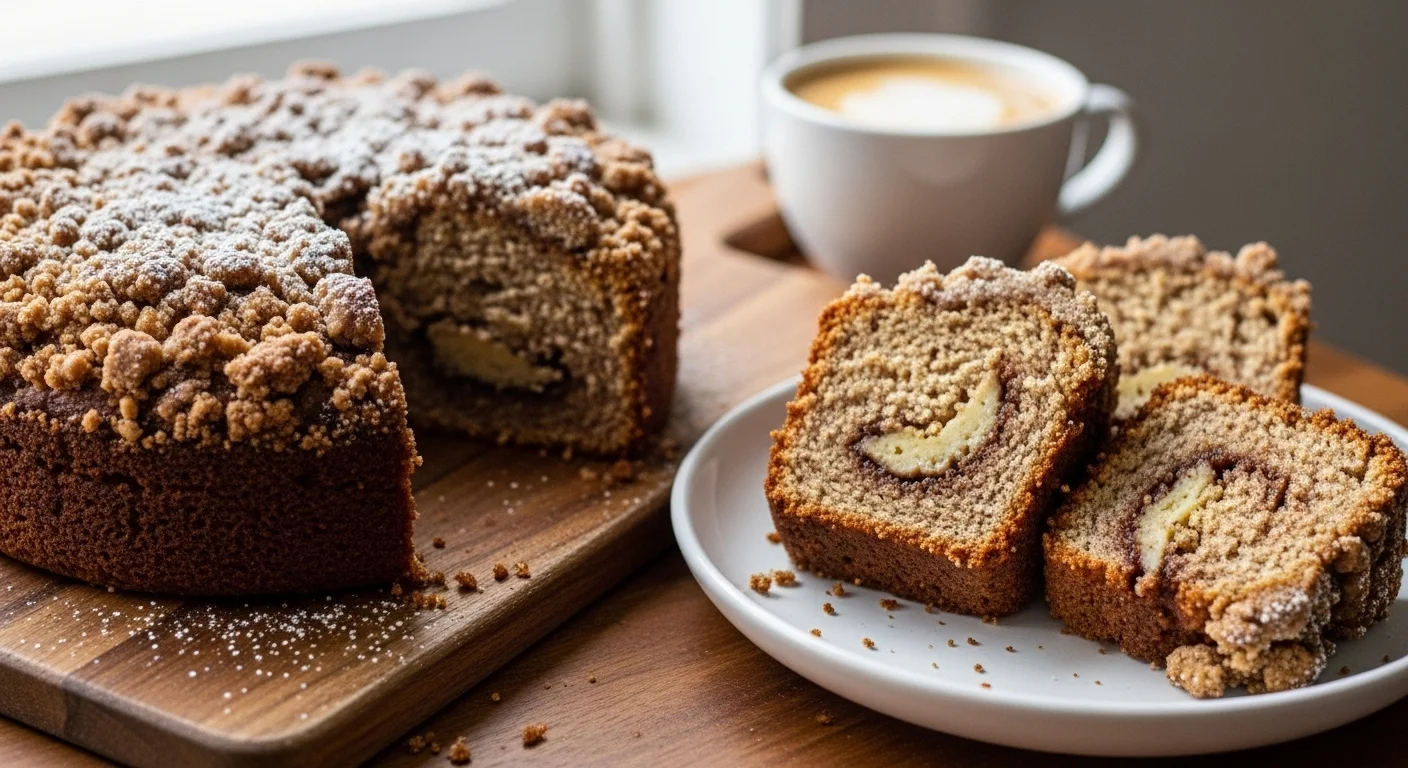
Overview of Vegan Coffee Cake
What is Vegan Coffee Cake?
Vegan coffee cake is a delicious dessert that skips the eggs and dairy while still delivering all the flavors and textures we love. Historically, coffee cake is designed to be enjoyed with a cup of coffee, and it typically features a crumbly topping and a moist interior. My first experience with vegan coffee cake was a game changer; it was just as indulgent as the non-vegan versions I remembered. The great news is that with the right ingredients, you can whip up a cake that’s not only plant-based but also incredibly tasty. Classic Vegan Oatmeal Cream Pies are another delightful treat to try!
Benefits of Vegan Baking
When I decided to delve into vegan baking, I discovered numerous benefits. First and foremost, vegan baking often uses healthier ingredients. You’ll find that many recipes rely on natural sweeteners, whole grains, and healthy fats. This approach not only reduces cholesterol and saturated fats but also increases the fiber content of the cake. Plus, I appreciated that I was able to experiment with new ingredients that I might not have considered before, like applesauce and flaxseed. Another perk is that vegan recipes are often simpler; you won’t find a long list of ingredients that are hard to pronounce or find. Just fresh, accessible foods that yield great results! If you’re looking for a perfect breakfast option, consider Easy Vegan French Toast!
Key Ingredients for Vegan Coffee Cake
Flour Types: All-Purpose vs. Whole Wheat
Choosing the right flour can make a significant difference in your coffee cake. I often switch between all-purpose and whole wheat flour, depending on the texture I want. All-purpose flour gives a light and fluffy cake, perfect if you’re looking for that classic coffee cake feel. On the other hand, whole wheat flour adds a nuttier flavor and more nutrients, which I find quite appealing. If you’re experimenting, why not try a blend of both? This way, you get the best of both worlds.
Sweeteners: Natural Options for Vegan Recipes
When it comes to sweetening our vegan coffee cake, I’ve found that using natural sweeteners like maple syrup, agave nectar, or coconut sugar not only enhances the flavor but also keeps it vegan-friendly. For me, maple syrup adds a lovely depth to the cake, while coconut sugar gives it a rich caramel note. I recommend starting with less sweetener and adjusting to taste—after all, we all have different preferences when it comes to sweetness!
Egg Substitutes: Common Vegan Choices
One of the biggest questions I had when I began baking vegan was, “What can I use instead of eggs?” Luckily, there are several effective substitutes. I frequently use flaxseed meal mixed with water, which acts as a binding agent just like eggs. Another option is unsweetened applesauce, which not only binds but also adds moisture and a hint of natural sweetness to the cake. I’ve even used mashed bananas in a pinch, and they work wonderfully. Each of these substitutes brings a unique flavor and texture, so it’s fun to experiment and see what you prefer!
Dairy Alternatives for Moisture and Flavor
In traditional coffee cake, dairy products like milk and butter contribute to the moistness and richness. I’ve discovered that using plant-based milk, such as almond, soy, or oat milk, can give you the same creaminess. For butter, I often reach for coconut oil or vegan butter, which adds a delightful richness while keeping the cake moist. I’ve learned that the key is to choose high-quality dairy alternatives, as they can make a big difference in the overall flavor and texture of the cake.
Cinnamon Streusel Topping: The Perfect Finish
Ingredients for the Cinnamon Streusel
A coffee cake wouldn’t be complete without a generous sprinkle of cinnamon streusel on top. For our vegan version, I love combining flour, coconut sugar, cinnamon, and melted coconut oil. This mixture creates that classic crumbly texture we all crave. I usually make extra streusel because, let’s be honest, you can never have too much topping!
How to Achieve the Right Texture
Getting the streusel just right can take a bit of practice. I’ve found that mixing the dry ingredients together before adding the oil helps create that perfect crumb. You want it to be crumbly but not too dry—there’s a fine line! I often use my hands to mix everything together until it resembles coarse crumbs. It’s a bit messy but so worth it when that crunchy topping comes out of the oven!
Variations on Streusel Topping
While traditional cinnamon streusel is fantastic, I enjoy experimenting with flavors. Sometimes, I add nuts for crunch or even chocolate chips for a hint of sweetness. If I’m feeling adventurous, I might swap out cinnamon for nutmeg or add a splash of vanilla extract to the mix. These small changes can transform the entire flavor profile, which keeps things exciting!
Step-by-Step Instructions for Making Vegan Coffee Cake
Preparation: Tools and Equipment Needed
Before diving into the recipe, it’s essential to gather all the tools and equipment you’ll need. I find that having everything in place makes the process smoother and more enjoyable. Here’s what I usually keep handy:
- Mixing bowls: I like to have a couple of medium-sized bowls for mixing the batter and streusel topping.
- A whisk: This is great for incorporating ingredients, especially when mixing dry and wet ingredients together.
- A spatula or wooden spoon: Perfect for folding the batter and getting every last bit from the bowl.
- A measuring cup and spoons: Accurate measurements are crucial for the best results.
- A baking pan: A 9-inch square or round pan works well for coffee cake.
- Parchment paper: This helps prevent sticking and makes for easy cleanup.
- An oven: The star of the show! Make sure it’s preheated to the right temperature before you start baking.
With your tools ready, you’ll set yourself up for a seamless baking experience.
Mixing the Batter: Tips for Best Results
Now that we have everything prepped, let’s get to the exciting part—mixing the batter! I start with the dry ingredients, combining the flour, baking powder, baking soda, salt, and any spices in one bowl. This step is crucial because it ensures the leavening agents are evenly distributed throughout the cake.
In another bowl, I mix my wet ingredients, which usually include plant-based milk, sweetener, and my egg substitute. I love using unsweetened applesauce for that extra moisture, and it works beautifully with the other ingredients. I always whisk these together until they’re well combined.
Here’s a tip I’ve learned: when combining the wet and dry ingredients, I fold them together gently. Overmixing can lead to a dense cake, which is the opposite of what we want! I usually mix until just combined—don’t worry if there are a few lumps; they’ll bake out.
Preparing the Streusel Topping
While the batter rests, I move on to the streusel topping. It’s such a fun part of the process! I place my dry ingredients—flour, coconut sugar, and cinnamon—into a bowl and mix them together. Then, I pour in the melted coconut oil. Here’s where you can really get your hands dirty! I use my fingers to mix everything until it resembles coarse crumbs. The texture should be crumbly and not too wet. If it feels too dry, I add a tiny splash of plant-based milk to help it come together.
Sometimes, I like to add chopped nuts or oats to the streusel for added crunch. It’s a simple adjustment, but it can elevate your cake to the next level!
Baking: Temperature and Time Guidelines
With the batter and streusel ready, it’s time to bring it all together. I pour the batter into my prepared baking pan, spreading it evenly. Then, I sprinkle the streusel topping generously over the batter. I often find it therapeutic to ensure every corner is covered. After all, that’s the best part!
I preheat my oven to 350°F (175°C) and pop the pan in, setting a timer for about 30-35 minutes. The aroma that fills the kitchen while it bakes is simply heavenly! I usually check for doneness by inserting a toothpick into the center; if it comes out clean or with a few moist crumbs, it’s ready to come out.
One thing I learned the hard way: ovens can vary, so keep an eye on your cake towards the end of the baking time. It’s better to check a bit earlier than to risk overbaking!
Cooling and Serving Suggestions
Once the cake is done, I take it out and let it cool in the pan for about 10-15 minutes. This helps it set and makes it easier to remove. After that, I transfer it to a wire rack to cool completely. I’ve learned that cutting into a hot coffee cake can result in a crumbly mess, so patience is key!
When it’s cool, I love to slice it into squares or wedges. It’s delightful on its own, but I sometimes serve it with a drizzle of maple syrup or a dollop of vegan whipped cream for an extra treat. It’s also great with a cup of coffee or tea, making it the perfect afternoon snack or brunch dish!
Tips for Customizing Your Vegan Coffee Cake
Flavor Variations: Adding Fruits and Nuts
One of the best parts of making vegan coffee cake is the ability to customize it to fit my taste preferences. Over time, I’ve experimented with adding various fruits and nuts to the batter, which has brought the cake to a whole new level. For instance, I often fold in fresh blueberries, which add a burst of flavor and moisture. I’ve also tried diced apples and even mashed bananas—they all work beautifully!
Nuts can also be a fantastic addition. I love adding chopped walnuts or pecans for a nice crunch. When I throw in some nuts, I make sure to chop them roughly so that they distribute evenly throughout the cake. It’s amazing how a handful of nuts can elevate the texture and flavor. Sometimes, I even sprinkle a few on top of the streusel before baking, giving it a lovely nutty finish that complements the cinnamon perfectly. The possibilities are endless, and that’s what makes it so much fun!
Gluten-Free Options for Coffee Cake
If you or someone you’re baking for is gluten-sensitive, don’t worry; you can still enjoy a delicious vegan coffee cake! I’ve played around with gluten-free flour blends, such as almond flour or a store-bought gluten-free all-purpose mix, and they work surprisingly well. When I first attempted gluten-free baking, I was a bit apprehensive, but I quickly realized it’s all about getting the right blend.
For a gluten-free version, I often combine almond flour with coconut flour. Coconut flour is very absorbent, so I generally use less of it and increase the liquid components slightly. I also add a bit of baking powder and baking soda to help the cake rise. I’ve found that adding a tablespoon of ground flaxseed to the dry mix can also help enhance the texture. Trust me, you won’t miss the gluten!
Adjusting Sweetness Levels
We all have different preferences when it comes to sweetness, right? I used to stick to the recommended sweetener amounts, but I’ve come to realize how easy it is to adjust them based on my mood or the specific ingredients I’m using. For example, if I’m adding really sweet fruits like ripe bananas or dates, I’ll reduce the amount of sweetener in the batter. I’ve learned that it’s always a good idea to taste as I go. If the batter seems a little too bland, I can add a bit more maple syrup or coconut sugar until it feels just right.
Another tip I’ve picked up is to use spices like cinnamon or vanilla to enhance the perception of sweetness without actually increasing the sugar content. A dash of vanilla extract can really make a difference, giving the cake a warm, comforting aroma that can trick our taste buds into thinking it’s sweeter than it is. It’s all about finding that balance that works for you!
Pairing Suggestions for Vegan Coffee Cake
Best Beverages to Accompany Coffee Cake
One thing I love about coffee cake is how perfectly it pairs with a variety of beverages. While it’s traditionally enjoyed with coffee, I’ve discovered that there are so many delightful drink options to complement this sweet treat. Personally, I enjoy a nice cup of herbal tea, especially chamomile or chai, as they add an aromatic touch that balances the sweetness of the cake.
If you’re in the mood for something a bit different, try pairing it with a glass of almond milk or a creamy oat milk latte. The nutty flavors can enhance the cake, especially if you’ve added nuts to the recipe. I’ve also found that a simple glass of freshly squeezed orange juice provides a refreshing contrast to the rich flavors of the coffee cake, making it a great brunch option.
Serving Ideas for Different Occasions
Vegan coffee cake is incredibly versatile and can be served at various occasions. For a cozy weekend brunch, I love to present it with a side of fresh fruit—think mixed berries or sliced peaches. The bright colors and flavors not only make the plate look beautiful but also add a refreshing bite that balances the cake’s richness.
For gatherings, I often cut the cake into smaller squares and arrange them on a pretty platter. Sometimes, I’ll dust the top with powdered sugar for a touch of elegance. If I’m celebrating a special occasion, I might even drizzle a simple icing made from powdered sugar and almond milk over the top to make it feel extra festive. It’s amazing how such a simple addition can transform the presentation and taste of the cake.
Whether it’s a casual get-together or a holiday celebration, vegan coffee cake is sure to impress. Everyone loves a slice of cake, and when it’s plant-based and delicious, it makes the experience even sweeter! Don’t forget to try Gooey Vegan Lava Cakes for a perfect dessert option!
Storage and Shelf Life of Vegan Coffee Cake
How to Store Leftovers
After enjoying a slice (or two) of vegan coffee cake, it’s important to store any leftovers properly to keep it fresh. I usually let the cake cool completely before covering it. If I’m planning to eat it within a few days, I simply cover the cake with plastic wrap or place it in an airtight container. This helps to keep the moisture in and prevents it from drying out.
If you live in a humid environment, you might want to store it in the refrigerator, but I’ve noticed that it can lose some of its fluffy texture when chilled. So, I try to avoid the fridge unless absolutely necessary. If you do refrigerate it, just make sure to bring it back to room temperature before serving for the best taste!
Freezing Options for Long-Term Storage
For longer storage, freezing is a fantastic option! I’ve had great success freezing slices of vegan coffee cake. I like to wrap each slice in plastic wrap and then place them inside a freezer-safe bag or container. This way, I can just pull out a slice whenever the craving hits! When I’m ready to enjoy a piece, I let it thaw in the refrigerator or at room temperature. It usually retains its moisture and flavor quite well. Just be sure to consume it within a couple of months for the best quality.
Another tip I’ve learned is to freeze the cake before adding the streusel topping if I plan on making it ahead of time. I can bake it fresh later and have that delicious topping right out of the oven, which is always a treat!
Common Questions About Vegan Coffee Cake
Can I Substitute Ingredients?
Absolutely! One of the joys of baking vegan is the flexibility it offers. I’ve substituted various ingredients based on what I have on hand or personal preferences. For instance, if I’m out of one type of flour, I’ve successfully swapped in almond flour or a gluten-free mix. The key is to keep an eye on the moisture content and adjust accordingly. I believe baking is all about experimentation, so feel free to adjust ingredients to suit your needs!
Is Vegan Coffee Cake Healthy?
This is a question I often pondered when I started my vegan baking journey. Vegan coffee cake can be healthier than traditional versions, especially if you use whole grains and natural sweeteners. While it’s still a treat, you can make it more nutritious by adding fruits, nuts, or by using less sugar overall. In my experience, it’s all about balance—enjoying a delicious slice while still incorporating wholesome ingredients makes for a delightful treat that doesn’t feel guilty!
What Makes it Different from Regular Coffee Cake?
The main difference lies in the absence of eggs and dairy in vegan coffee cake. I’ve noticed that with the right ingredients, vegan versions can be just as moist and flavorful as traditional ones. The use of natural sweeteners and plant-based ingredients often brings out unique flavors that can enhance the cake’s profile. Plus, it opens the door to creativity in baking. I’ve personally found that vegan coffee cake encourages a more health-conscious approach while still satisfying my sweet tooth!
Final Thoughts
Vegan coffee cake has become a staple in my baking repertoire. The combination of flavors, textures, and the joy of sharing it with friends and family truly makes it special. I love how versatile it is, allowing for so many personal touches and variations. Whether you’re enjoying it with a cup of coffee or sharing it at a gathering, this cake offers not just a delicious treat but also a way to connect with others over good food. I encourage you to try your hand at this delightful recipe, experiment with your favorite ingredients, and make it your own. Happy baking!
Frequently Asked Questions
What is Vegan Coffee Cake?
Vegan coffee cake is a delicious dessert that skips the eggs and dairy while still delivering all the flavors and textures we love. It is designed to be enjoyed with coffee and typically features a crumbly topping and a moist interior.
What are the benefits of vegan baking?
Vegan baking often uses healthier ingredients, such as natural sweeteners, whole grains, and healthy fats, which can reduce cholesterol and saturated fats while increasing fiber content. It also allows for experimentation with new ingredients and often results in simpler recipes with accessible foods.
What types of flour can be used for Vegan Coffee Cake?
You can use all-purpose flour for a light and fluffy texture or whole wheat flour for a nuttier flavor and more nutrients. A blend of both can also be experimented with for a balanced outcome.
What natural sweeteners are recommended for vegan coffee cake?
Natural sweeteners such as maple syrup, agave nectar, and coconut sugar are recommended. These not only enhance flavor but also keep the cake vegan-friendly.
What are some common egg substitutes in vegan baking?
Common egg substitutes include flaxseed meal mixed with water, unsweetened applesauce, and mashed bananas. Each offers unique flavors and textures to the cake.
How can I make the cinnamon streusel topping?
The cinnamon streusel topping can be made by combining flour, coconut sugar, cinnamon, and melted coconut oil. It’s important to mix the dry ingredients before adding the oil to achieve the right crumbly texture.
What adjustments can be made for a gluten-free vegan coffee cake?
For a gluten-free version, you can use gluten-free flour blends, such as almond flour or a gluten-free all-purpose mix. Combining almond flour with coconut flour while adjusting the liquid components can also work well.
How should vegan coffee cake be stored?
Leftover vegan coffee cake should be cooled completely and then covered with plastic wrap or placed in an airtight container. For longer storage, it can be frozen by wrapping slices in plastic wrap and placing them in a freezer-safe bag.
Can I customize the flavors of my vegan coffee cake?
Yes! You can customize your vegan coffee cake by adding fruits like blueberries, apples, or bananas, as well as nuts for added crunch. Experimenting with spices and additional flavorings is also encouraged.
What beverages pair well with vegan coffee cake?
Vegan coffee cake pairs well with coffee, herbal tea, almond milk, oat milk lattes, or even freshly squeezed orange juice, which provides a refreshing contrast to the cake’s richness.