
Have you ever craved a bowl of comforting Chinese noodles but wanted a plant-based twist? I’ve been there, and I can tell you, creating a delicious vegan version of these beloved noodles is an exciting culinary adventure!
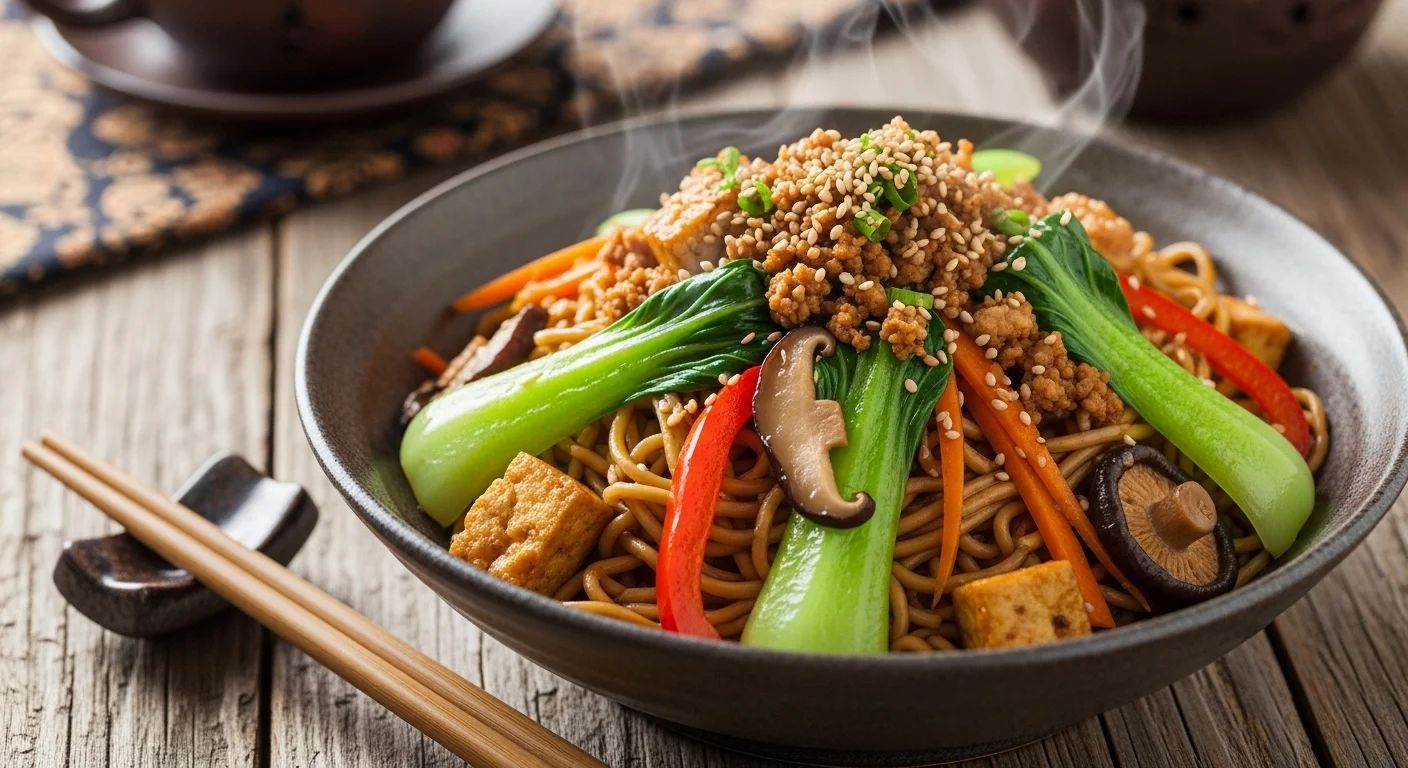
Exploring Vegan Alternatives to Chinese Noodles
When I first decided to explore vegan cooking, I thought of all the traditional dishes that would need reimagining. Chinese noodles were high on my list. I remember my first attempt at making a vegan version of lo mein. I was nervous but excited to find out that there are so many options out there! From classic wheat noodles to vibrant vegetable noodles, I discovered that the world of vegan noodles is both diverse and delicious.
Types of Vegan Noodles
One of the best things about making vegan Chinese noodles is the variety of noodle options available. I’ve learned that different types of noodles can change the entire dish, so let’s dive into some of my favorites:
- Rice Noodles: These gluten-free noodles are perfect for stir-fries and soups. I love how they soak up flavors from sauces, making every bite delightful. Cooking them is also easy; just a quick soak in hot water does the trick!
- Egg Noodles Substitutes: Traditional Chinese egg noodles are off the table for vegans, but I found that using wheat noodles or even chickpea pasta can create a superb texture. I personally enjoy using a whole wheat version for a nutty flavor.
- Glass Noodles: Made from mung bean starch, these noodles are transparent and have a unique chewy texture. They’re great in salads and stir-fries. I tried them in a spicy peanut sauce once, and it was a hit!
- Vegetable Noodles: Spiralizing vegetables like zucchini or carrots can add a fresh twist to your noodle dish. I often use a spiralizer to create “zoodles” and toss them in with a savory sauce. It’s a fun way to add more veggies to my meals!
Flavorful Sauces to Elevate Your Noodles
No noodle dish is complete without a delicious sauce. I’ve experimented with various vegan sauces that bring out the best in my noodle dishes. Here are some of my favorites:
- Soy Sauce: This is a staple in many Asian dishes. I prefer low-sodium soy sauce because it allows me to control the saltiness. I often mix it with sesame oil for a richer flavor.
- Hoison Sauce: This thick, sweet sauce is a game-changer. I love using it in stir-fries with vegetables and noodles. A little goes a long way!
- Chili Paste: If you like a bit of heat, adding chili paste or sauce can really kick things up a notch. I usually start with a small amount and adjust according to my taste.
- Peanut Sauce: I’m a huge fan of creamy peanut sauce. It’s so easy to whip up with just peanut butter, soy sauce, and a splash of lime juice. Tossing noodles with this sauce is heavenly!
Adding Protein and Vegetables
To make my vegan noodle dishes hearty and satisfying, I always incorporate protein and plenty of vegetables. I’ve discovered that tofu, tempeh, and edamame are fantastic sources of protein. Here’s how I like to prepare them:
- Tofu: I usually press the tofu to remove excess moisture, then marinate it in soy sauce and garlic. Stir-frying it until it’s crispy gives it a great texture. It works beautifully in dishes like stir-fried noodles.
- Tempeh: This fermented soy product is packed with protein and has a nutty flavor. I like to slice it thin and pan-fry it until golden brown. It adds a nice bite to my noodle bowls.
- Edamame: These little green beans are not only colorful but also packed with protein. I throw them in during the last couple of minutes of cooking to keep them bright and vibrant.
As for vegetables, I love using colorful options like bell peppers, broccoli, and snap peas. They not only add nutrients but also make the dish visually appealing. I often stir-fry my veggies first, removing them from the pan before cooking the noodles. Then, I combine everything at the end for a beautiful medley of flavors and textures.
Experimenting with Cooking Methods
When it comes to preparing my vegan Chinese noodles, I’ve learned that the cooking method can significantly influence the final product. I’ve experimented with different techniques, and here’s what I found:
- Stir-Frying: This is my go-to method. It’s quick and locks in flavors. I heat a bit of oil in a wok and toss in my veggies, followed by the noodles and sauce. The sizzle is music to my ears!
- Boiling: For dishes like noodle soups, I boil the noodles separately. I add them to the broth along with my choice of veggies and protein. It’s comforting and satisfying, especially on a chilly day.
- Baking: I’ve even tried baking noodle dishes, like a vegan casserole. It’s an unconventional method, but it gives the dish a unique texture. I usually layer noodles with sauce, veggies, and protein, then bake until bubbly.
Creating vegan versions of Chinese noodles has been a rewarding journey for me. Each dish is an opportunity to experiment with flavors, textures, and ingredients. I’ve loved sharing these meals with friends and family, introducing them to the delicious world of vegan cooking. As I continue to explore and refine my recipes, I find joy in knowing that I can enjoy my favorite dishes while sticking to a plant-based lifestyle. I can’t wait to share more about the specific recipes I’ve developed in the next part!
Delicious Vegan Chinese Noodle Recipes
Now that I’ve explored the various types of noodles, sauces, proteins, and cooking methods, I can’t wait to share some of my favorite vegan Chinese noodle recipes! Each one has its own unique flavor profile and is perfect for different occasions. I’ve enjoyed making these dishes for myself and for gatherings, and I think you’ll find them just as delightful.
1. Classic Vegan Lo Mein
This recipe is a staple in my kitchen. It’s simple yet packed with flavor, making it perfect for a busy weeknight dinner. Here’s how I make it:
- Ingredients:
- 8 oz. wheat noodles (or your favorite vegan noodles)
- 2 cups mixed vegetables (bell peppers, broccoli, carrots, snap peas)
- 1 cup firm tofu, cubed
- 3 tablespoons soy sauce
- 1 tablespoon sesame oil
- 2 garlic cloves, minced
- 1 teaspoon ginger, grated
- 2 green onions, chopped
- Instructions:
- Cook the noodles according to package instructions. Drain and set aside.
- In a large skillet, heat a little oil and stir-fry the tofu until golden and crispy. Remove from the pan and set aside.
- Add the mixed vegetables to the skillet and stir-fry for about 3-4 minutes until tender.
- In a small bowl, mix the soy sauce, sesame oil, garlic, and ginger. Add the cooked noodles and tofu to the skillet, pour the sauce over everything, and toss to combine.
- Cook for another 2-3 minutes, allowing the flavors to meld. Top with green onions before serving.
The first time I made this, I was blown away by how delicious it turned out. The combination of crispy tofu, fresh veggies, and savory sauce really hits the spot!
2. Spicy Peanut Noodles
If you’re a fan of peanut sauce, this recipe is a must-try. It’s creamy, spicy, and oh-so-satisfying. Here’s how I whip it up:
- Ingredients:
- 8 oz. rice noodles
- 1 cup edamame (shelled)
- 1 cup bell peppers, sliced
- 1 cup carrots, julienned
- 1/4 cup peanut butter
- 3 tablespoons soy sauce
- 1 tablespoon lime juice
- 1 teaspoon chili paste (adjust to taste)
- Chopped peanuts and fresh cilantro for garnish
- Instructions:
- Cook the rice noodles according to package instructions. Drain and rinse under cold water.
- In a bowl, whisk together peanut butter, soy sauce, lime juice, and chili paste to make the sauce.
- In a large skillet, stir-fry the bell peppers and carrots for about 3-4 minutes. Add the edamame and cook for another minute.
- Toss the cooked noodles and the peanut sauce into the skillet, mixing everything well.
- Serve topped with chopped peanuts and fresh cilantro.
This dish has become a favorite among my friends. The creaminess of the peanut sauce combined with the spice is just heavenly!
3. Vegetable Chow Mein
This recipe brings a smile to my face every time I make it. Chow mein is such a classic, and I love how easy it is to customize with whatever veggies I have on hand.
- Ingredients:
- 8 oz. egg noodle substitutes (like whole wheat noodles)
- 2 cups mixed vegetables (cabbage, bell peppers, carrots, mushrooms)
- 2 tablespoons soy sauce
- 1 tablespoon oyster sauce substitute (vegan)
- 2 garlic cloves, minced
- 1 teaspoon sesame oil
- Sesame seeds for garnish
- Instructions:
- Cook the noodles according to package instructions, drain, and set aside.
- In a large skillet or wok, heat some oil and stir-fry the garlic until fragrant.
- Add the mixed vegetables and stir-fry for about 5 minutes until just tender.
- Add the noodles, soy sauce, and oyster sauce substitute. Toss everything together and cook for another 2-3 minutes.
- Drizzle with sesame oil and serve garnished with sesame seeds.
This chow mein recipe is perfect for when I have leftovers in the fridge. I love how versatile it is, allowing me to toss in whatever vegetables I have on hand!
As you can see, these vegan noodle recipes are not only satisfying but also a chance to get creative in the kitchen. Each dish brings its own unique flavors and textures, and I’m always excited to see how they turn out. I hope you find inspiration in these recipes and feel encouraged to embark on your own vegan noodle journey!
Tips for Perfecting Your Vegan Noodle Dishes
Now that I’ve shared some of my favorite vegan noodle recipes, I want to delve into a few tips that I’ve learned along the way. These little tricks can really elevate your dishes and help you feel more confident in the kitchen.
1. Prep Your Ingredients
One of the biggest lessons I’ve learned is the importance of prepping all your ingredients before you start cooking. I used to dive right in, chopping veggies and cooking at the same time, which often led to chaos in the kitchen. Now, I make it a point to have everything ready to go. I chop my vegetables, measure out my sauces, and have my noodles cooked or soaking before I even turn on the stove. This not only saves time but also keeps the cooking process smooth and enjoyable.
2. Play with Texture
I’ve realized how important texture is in a meal. A dish that has a variety of textures—crunchy, chewy, and creamy—makes for a much more satisfying experience. For instance, I often add roasted nuts or seeds on top of my noodle dishes for a crunchy element. The contrast between the soft noodles and the crispy toppings creates a beautiful balance. I also love to incorporate different vegetables with varying textures, like snap peas for a crisp bite and sautéed mushrooms for a chewy feel.
3. Balance Your Flavors
Finding the right balance of flavors can sometimes feel daunting, but I’ve found it’s all about trial and error. I like to think of my dishes as a flavor symphony, where each ingredient plays its part. For instance, if I’m using a sweet sauce like hoisin, I’ll make sure to add something tangy, like lime juice, to keep it from being overly sweet. I always taste as I go, adjusting seasonings and adding a pinch of salt or a splash of vinegar until it feels just right.
4. Use Fresh Herbs and Garnishes
In my experience, fresh herbs and garnishes can take a simple noodle dish to the next level. I love to sprinkle fresh cilantro, basil, or green onions on my finished dishes. Not only do they add a pop of color, but they also bring an incredible freshness that brightens everything up. I’ve also experimented with adding sesame seeds or crushed peanuts for extra flavor and crunch. These little touches make my dishes feel more special and restaurant-worthy.
5. Embrace Leftovers
I’ve grown to love leftovers, especially when it comes to my vegan noodle dishes. They often taste even better the next day as the flavors meld together. I like to make larger portions so that I can enjoy them for lunch or dinner the next day. Sometimes I’ll reheat them with a splash of vegetable broth or a little extra sauce to bring them back to life. It’s a win-win situation: less cooking for me and a delicious meal ready to go!
6. Explore New Ingredients
Part of the fun in cooking is introducing new ingredients into my meals. I’ve started exploring different types of plant-based proteins and fresh produce that I hadn’t tried before. For example, I recently discovered how amazing jackfruit can be as a meat substitute in noodle dishes. It has a lovely texture that works well in stir-fries. I also enjoy trying out seasonal vegetables—like bok choy or asparagus—because they add freshness and excitement to my meals.
7. Don’t Be Afraid to Experiment
Perhaps the most important lesson I’ve learned is to not shy away from experimenting. I used to stick to recipes religiously, but now I find joy in adapting them based on what I have in my pantry. If I’m missing a sauce or a vegetable, I’ll substitute it with something else that I think will work. Some of my best dishes have come from these spontaneous cooking sessions. I encourage you to embrace your creativity and have fun while cooking!
8. Share Your Creations
Cooking is a delightful experience, but sharing your creations with others can make it even more rewarding. I love inviting friends over for a vegan noodle night, where we can enjoy different dishes together and swap recipes. It’s a great way to bond and learn from one another. Plus, seeing others enjoy my food is one of the best feelings! I often take pictures of my creations to document my progress, and it’s fun to look back and see how my skills have evolved.
As I dive deeper into the world of vegan cooking, I find that each dish tells a story and every meal is an adventure waiting to unfold. I can’t wait to continue sharing my journey and hopefully inspire you to embark on your own delicious vegan noodle adventures!
Creative Ways to Serve Vegan Noodles
As I’ve continued my exploration of vegan noodle dishes, I’ve found that presentation can make all the difference. It’s incredible how a little creativity can transform a simple bowl of noodles into an eye-catching meal. Here are some ideas that I’ve enjoyed experimenting with:
1. Noodle Bowls
Noodle bowls are one of my favorite ways to serve vegan noodles. I like to layer my ingredients in a bowl, starting with a base of noodles, then adding various toppings like sautéed vegetables, crispy tofu, and a generous drizzle of sauce. The visual appeal is fantastic, and it allows everyone to customize their bowls to their liking. Sometimes, I even set up a noodle bar when I have friends over, letting them create their own masterpieces!
2. Lettuce Wraps
For a fun twist, I’ve also served noodle dishes in lettuce wraps. This idea came to me one day when I had leftover stir-fried noodles and wanted to mix things up. I used large lettuce leaves as wrappers and filled them with the noodles, veggies, and tofu. It’s a refreshing way to enjoy noodles, and the crunch of the lettuce adds a delightful texture. Plus, it makes the meal feel lighter!
3. Noodle Salads
As the weather warms up, I find myself craving lighter meals. Vegan noodle salads are perfect for this! I often use chilled rice noodles as the base and toss them with a mix of fresh veggies, herbs, and a zesty dressing. It’s a great way to showcase seasonal produce, and I love how vibrant the colors can be. My go-to dressing usually includes lime juice, soy sauce, and a touch of sesame oil for that extra zing.
4. Soup Noodles
There’s nothing quite like a warm bowl of soup on a chilly day. I’ve created various soup noodle dishes using different broths as the base. Whether it’s a spicy miso broth or a simple vegetable stock, adding noodles, mushrooms, and greens makes for a comforting meal. I enjoy garnishing my soup with fresh herbs, scallions, or even a sprinkle of sesame seeds for an extra touch.
5. Baked Noodle Dishes
Baking noodle dishes has been a delightful discovery for me. I love the idea of creating a vegan noodle casserole. I layer cooked noodles with a mix of vegetables, a creamy sauce, and a sprinkle of nutritional yeast for a cheesy flavor. Baked until bubbly and golden, it’s a hearty dish that’s perfect for family gatherings or potlucks. Everyone is always surprised to see how delicious a vegan casserole can be!
Final Thoughts
Embracing a plant-based lifestyle has truly opened up a world of flavors and creativity in my cooking. Each recipe I’ve tried has taught me something new and has allowed me to enjoy the beloved comfort of Chinese noodles without compromising my values. I’ve found that vegan cooking doesn’t have to be complicated or restrictive; it’s about exploring new ingredients, experimenting with flavors, and most importantly, having fun in the kitchen.
I encourage you to take these ideas and adapt them to suit your taste. Whether you’re a seasoned vegan or just dipping your toes into plant-based cooking, there’s immense joy in creating meals that nourish both body and soul. Remember to celebrate your successes, learn from your missteps, and enjoy the process. Cooking can be an adventure, and I hope you find as much joy in your vegan noodle journey as I have!
So, grab your favorite noodles, gather some fresh veggies, and let your creativity flow. I can’t wait to hear about the delicious dishes you create!
Frequently Asked Questions
“`htmlWhat are some vegan alternatives to traditional Chinese noodles?
Some vegan alternatives include rice noodles, wheat noodles, chickpea pasta, glass noodles made from mung bean starch, and spiralized vegetable noodles such as zucchini or carrots.
How do I cook rice noodles?
Rice noodles are easy to cook; you just need to soak them in hot water for a quick time until they are tender.
What type of sauce is recommended for vegan noodles?
Some recommended sauces include low-sodium soy sauce, hoisin sauce, chili paste for heat, and creamy peanut sauce made with peanut butter, soy sauce, and lime juice.
What are some good sources of protein to add to vegan noodle dishes?
Good sources of protein include tofu, tempeh, and edamame. Tofu can be pressed and marinated, tempeh can be sliced and pan-fried, and edamame can be added towards the end of cooking.
What vegetables are suggested for vegan noodle dishes?
Colorful vegetables such as bell peppers, broccoli, snap peas, and carrots are great options as they add both nutrients and visual appeal to the dish.
What cooking methods can be used for making vegan Chinese noodles?
Common cooking methods include stir-frying, boiling for soups, and baking noodle dishes to create a unique texture.
What is the recipe for Classic Vegan Lo Mein?
The recipe includes 8 oz. of wheat noodles, 2 cups of mixed vegetables, 1 cup of firm tofu, soy sauce, sesame oil, garlic, ginger, and green onions, all stir-fried together.
How can I enhance the presentation of vegan noodle dishes?
You can enhance presentation by serving noodle bowls with layered ingredients, using lettuce wraps, creating noodle salads, or baking the dishes for a casserole effect.
What are some tips for perfecting vegan noodle dishes?
Some tips include prepping ingredients beforehand, balancing flavors, playing with textures, using fresh herbs for garnishes, and not being afraid to experiment with recipes.
Why is it beneficial to embrace leftovers in vegan cooking?
Leftovers often taste even better the next day as flavors meld together, and they provide a convenient meal option with less cooking required.
“`