
Imagine the rich and savory flavors of Middle Eastern cuisine combined with the comforting embrace of pasta. That’s right! Today, we’re diving into a delicious vegan twist on classic Middle Eastern pasta dishes that will leave your taste buds dancing.
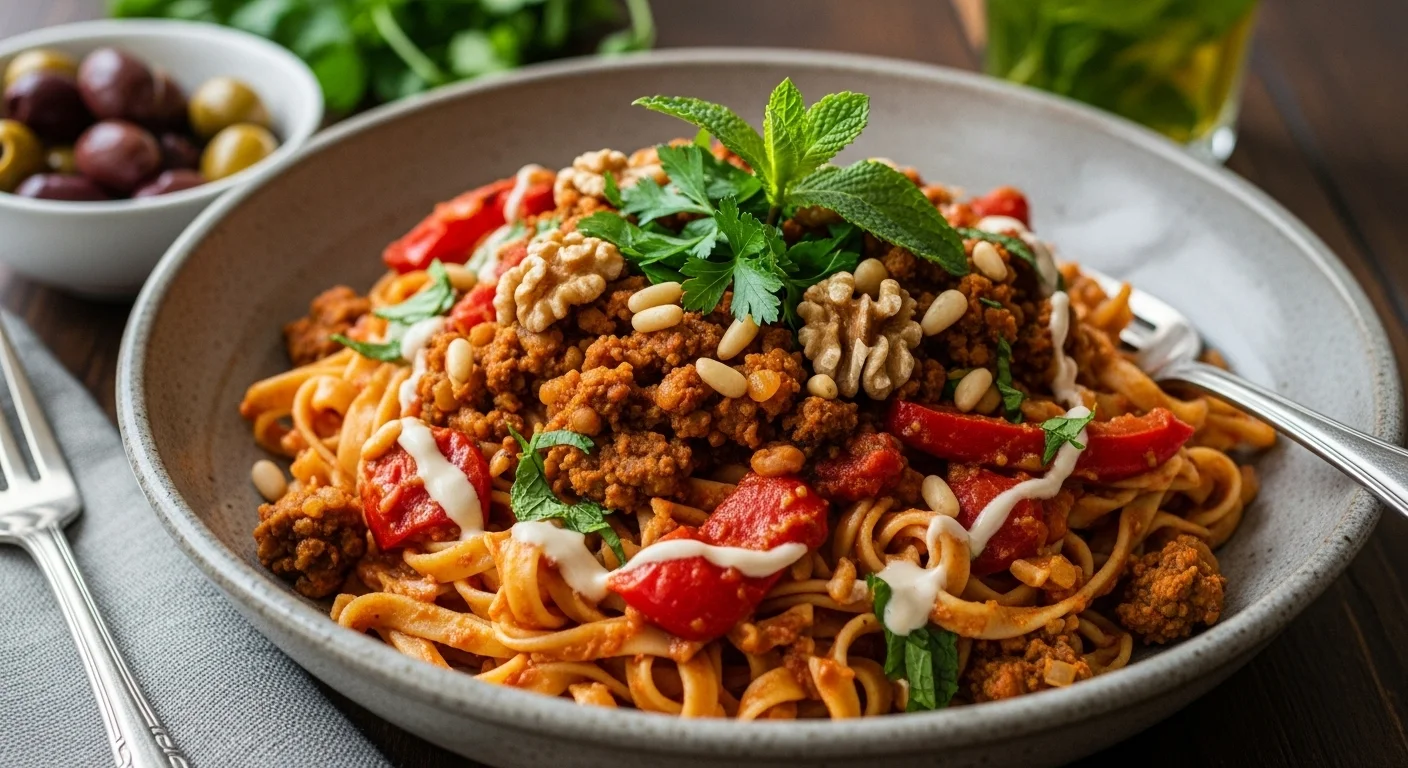
A Flavorful Journey into Vegan Middle Eastern Pasta
When I think of Middle Eastern cuisine, I’m often reminded of its vibrant spices, fresh herbs, and hearty ingredients. The thought of pasta might not immediately come to mind, but let me tell you, the fusion of these two worlds is nothing short of magical. I remember the first time I tried a Middle Eastern-inspired pasta dish. The warm spices, creamy sauces, and aromatic herbs made each bite feel like a warm hug. It was a culinary experience I had to recreate at home, but this time, I wanted to make it vegan.
The Base: Choosing the Right Pasta
First things first, let’s talk about pasta. I’ve explored various types, from traditional wheat pasta to gluten-free options. One of my favorite choices for a vegan Middle Eastern pasta is whole wheat or chickpea pasta. It has a nutty flavor that complements the spices beautifully and adds a healthy twist. If you prefer gluten-free, there are plenty of options made from lentils or quinoa that work just as well. Remember, the key is to pick a pasta that can hold up against the robust flavors of the dish.
Herbs and Spices: The Heart of Middle Eastern Cuisine
The next step in creating this pasta dish is to gather the spices and herbs that define Middle Eastern cooking. I find that using fresh ingredients makes a world of difference. Some staples I always have on hand include:
- Cumin: Its earthy flavor adds warmth and depth.
- Coriander: This brings a light citrusy touch that brightens the dish.
- Cinnamon: A dash of cinnamon can elevate the flavors remarkably.
- Paprika: Whether sweet or smoked, paprika adds a beautiful color and flavor.
- Mint and Parsley: Fresh herbs are essential for that pop of freshness.
For me, the combination of these spices creates a fragrant aroma that fills my kitchen and makes my mouth water in anticipation. I often start my dishes by sautéing onions and garlic in olive oil, allowing their natural sweetness to develop before adding the spices. The moment those spices hit the pan, it’s like a flavor explosion that transports me straight to a bustling market in the Middle East.
Creating the Sauce: A Creamy Vegan Delight
Now, let’s get to the sauce, which is where the magic truly happens. One of my go-to sauces for vegan Middle Eastern pasta is a creamy tahini sauce. Tahini, made from ground sesame seeds, adds a rich, nutty flavor and creamy texture without any dairy. Here’s how I make it:
- In a bowl, I mix together tahini, lemon juice, and a splash of water until smooth.
- I add minced garlic, a pinch of salt, and a sprinkle of cumin to enhance the flavor.
- If the sauce is too thick, I gradually add more water until I reach my desired consistency.
This tahini sauce is not only easy to make, but it also packs a nutritional punch. It’s rich in healthy fats, protein, and calcium, making it a perfect base for our pasta dish. I love drizzling it over the cooked pasta and stirring it all together, letting each noodle get coated in that creamy goodness.
Adding the Vegetables: Color and Nutrition
No pasta dish is complete without vegetables! I like to incorporate a variety of colorful veggies to make the dish more vibrant and nutritious. Here are some of my favorites:
- Bell Peppers: Sweet and crunchy, they add a beautiful color.
- Zucchini: This vegetable softens beautifully when sautéed.
- Cherry Tomatoes: Their sweetness and juiciness provide a lovely contrast.
- Spinach or Kale: These leafy greens add nutrients and a pop of color.
When preparing the vegetables, I typically sauté them in the same pan I used for the onions and garlic. This way, I capture all those delicious flavors. I remember the first time I added cherry tomatoes; they burst open and created a lovely sauce that mingled with the tahini. It was a moment of pure culinary joy for me!
Bringing It All Together
Once the pasta is cooked and drained, I toss it in with the sautéed vegetables and the creamy tahini sauce. To finish it off, I like to sprinkle fresh herbs like mint and parsley on top for an extra burst of flavor. I also sometimes add a handful of toasted pine nuts or walnuts for some crunch. The combination of textures and flavors in this dish makes it a standout meal on any table.
As I take a bite of this vegan Middle Eastern pasta, I feel like I’ve created something truly special. The warmth of the spices, the creaminess of the tahini, and the freshness of the herbs come together in perfect harmony. It’s a dish that not only satisfies my cravings but also feeds my soul. I can’t wait to share more variations and tips in the next part of this journey!
Exploring Variations: Creative Twists on Middle Eastern Pasta
As I’ve continued my culinary journey with vegan Middle Eastern pasta, I discovered that the beauty of this dish lies in its versatility. There are so many ways to enhance and play around with the basic recipe I shared earlier. Each twist brings its own unique flavor profile, making the experience of cooking and eating more exciting. Here are some variations I’ve tried that I think you’ll love as much as I do.
Incorporating Legumes: Extra Protein and Heartiness
One of the easiest ways I found to boost the protein content of my pasta dishes is by incorporating legumes. Chickpeas, lentils, or even black beans add a satisfying texture and make the meal more filling. I remember the first time I tossed some cooked chickpeas into the mix. It was like the dish transformed into a hearty feast! The chickpeas not only soaked up the flavors but also added a nice bite.
When adding legumes, I typically sauté them with the vegetables for a few minutes, allowing them to get nice and warm. This method also helps to meld their flavors with the spices in the pan. If I’m using cooked lentils, I often stir them in just before adding the sauce, so they don’t get mushy. It’s a simple adjustment that elevates my pasta dishes in a delicious way.
Experimenting with Different Sauces
While tahini sauce has become a staple for me, I love experimenting with different sauces to keep things fresh. One of my favorite alternatives is a roasted red pepper sauce. I remember the first time I made it — I roasted red bell peppers until they were charred, then blended them with garlic, olive oil, and a splash of lemon juice. The result? A vibrant, smoky sauce that brought so much life to my pasta!
This sauce pairs beautifully with the spices I mentioned earlier, creating a rich and comforting dish. Sometimes, I even combine the tahini and roasted red pepper sauces for a creamy, flavorful blend that’s absolutely divine.
Adding a Touch of Sweetness: Dried Fruits and Sweet Potatoes
One unexpected ingredient that has enhanced my pasta dishes is dried fruits, specifically raisins or apricots. I know it may sound unusual, but the sweet burst of flavor complements the savory spices in a delightful way. When I include dried fruits, I typically add them towards the end of cooking, allowing them to plump up and mingle with the other ingredients.
Another favorite addition is sweet potatoes. I love roasting diced sweet potatoes with olive oil and spices until they’re golden and caramelized. Mixing them into my pasta not only adds a subtle sweetness but also provides a comforting texture. I feel like every bite has a surprise waiting for me!
Adding a Kick: Spicy Elements
For those who enjoy a little heat, adding spicy elements can transform the dish. I often sprinkle in red pepper flakes or add a dash of harissa for a bold flavor. The first time I added harissa, I was pleasantly surprised by how it elevated the entire dish. The warmth of the spices combined with the tahini sauce creates a lovely contrast that makes my taste buds dance. If you’re like me and enjoy some spice in your life, I recommend starting with a small amount and adjusting to your personal heat preference.
Creating a Salad Version: Pasta Salad with a Middle Eastern Twist
Sometimes, I crave something lighter, especially during warmer months. That’s when I turn my vegan Middle Eastern pasta into a refreshing pasta salad. I cook the pasta al dente, then let it cool. Once it’s at room temperature, I mix it with fresh veggies like cucumbers, bell peppers, and cherry tomatoes. A light drizzle of olive oil and lemon juice ties everything together perfectly.
To give it that Middle Eastern flair, I incorporate the same spices and fresh herbs, along with some toasted nuts for crunch. This salad is not only colorful but also bursting with flavor, making it a delightful side dish for gatherings or a quick lunch option.
Pairing Suggestions: What to Serve with Your Pasta
Every great dish deserves a sidekick, and I’ve found that certain pairings can enhance the experience of enjoying vegan Middle Eastern pasta. One of my favorite accompaniments is a simple cucumber and tomato salad drizzled with lemon juice and olive oil. The freshness of the salad complements the rich flavors of the pasta beautifully.
I also love serving warm pita bread or flatbreads on the side. Sometimes, I’ll even make a quick garlic spread by mixing minced garlic with olive oil and a pinch of salt. Spreading this on warm bread is a treat that pairs wonderfully with my pasta dish, creating a delightful meal that feels both comforting and satisfying.
As I continue to explore the depths of vegan Middle Eastern pasta, I’m always amazed at the possibilities. Each variation brings something new to the table, and I can’t wait to see what other combinations I’ll discover next. I hope you’ll join me on this flavorful journey and try these tips for yourself! There’s so much joy in experimenting and creating meals that not only nourish our bodies but also our hearts.
Cooking Tips: Mastering the Art of Vegan Middle Eastern Pasta
As I’ve immersed myself in the world of vegan Middle Eastern pasta, I’ve picked up a few tips that really help bring out the best in each dish. Cooking is as much about technique as it is about ingredients, and I believe these tips can elevate your pasta-making game too. Let’s dive into some of the key points that I’ve learned along the way.
1. Don’t Overcook Your Pasta
One of my biggest lessons when making pasta is to be mindful of cooking times. I remember the first time I made vegan Middle Eastern pasta; I accidentally overcooked my noodles, and the texture was all wrong. Now, I always cook my pasta al dente. This means the pasta is firm to the bite, which is essential when mixing with a sauce. The pasta will continue to cook slightly after it’s drained, especially if you’re adding it to a hot pan with other ingredients. Trust me, the perfect texture makes all the difference!
2. Reserve Pasta Water
A game-changer in pasta cooking is the technique of reserving some of the pasta cooking water before draining. I often scoop out a cup of the starchy water and set it aside. This water is a great secret weapon! When I mix my cooked pasta with the sauce, adding a splash of reserved pasta water helps to create a silky, cohesive sauce that clings beautifully to the noodles. I’ve found that just a little bit goes a long way, so I add it gradually until I achieve the right consistency. It’s such an easy trick that I wish I had discovered sooner!
3. Layering Flavors
Creating depth in flavors is essential for a standout dish, and layering is key. I often start by sautéing my aromatics—onions and garlic—until they’re fragrant and golden. Then, I add my spices to bloom them. The moment those spices hit the hot oil, it’s like a burst of flavor fills the kitchen. I’ve noticed that this technique enhances the overall taste, making every bite more satisfying. Don’t rush this step! Taking the time to build those flavors is what really sets your dish apart.
4. Use Fresh Ingredients When Possible
While dried spices and herbs are great pantry staples, I’ve found that using fresh ingredients elevates my dishes significantly. Fresh herbs like parsley, mint, and cilantro bring a burst of brightness that dried versions simply can’t replicate. I often buy fresh herbs at the market, and I love keeping them in a glass of water in the fridge, so they stay fresh longer. When I chop them just before serving, the aroma fills my kitchen, and I can’t help but feel excited about the meal ahead!
5. Play with Texture
One thing I’ve learned is that texture can transform a dish. I like to play around with different textures by adding crunchy elements like toasted nuts or seeds. A sprinkle of toasted pine nuts, walnuts, or even sunflower seeds gives a lovely contrast to the creamy tahini sauce. I remember the first time I added toasted pumpkin seeds as a garnish; it was a delightful surprise that added another layer of flavor and crunch. It’s these little details that make each bite interesting and enjoyable.
6. Don’t Be Afraid to Experiment
Cooking is all about exploration, and I’ve embraced the freedom to try new things. I encourage you to experiment with different spices and ingredients. For instance, if I have leftover roasted vegetables in the fridge, I’ll toss those into my pasta. Or sometimes I throw in a splash of balsamic vinegar or a squeeze of fresh lemon to brighten the flavors. I’ve discovered some of my favorite combinations just by being adventurous and open to trying something new. You never know what delicious surprise awaits!
7. Serving and Presentation
We eat with our eyes first, so I’ve learned that the way I present my dishes can enhance the dining experience. I like to serve my vegan Middle Eastern pasta in a large bowl, family-style, or plated individually for a more formal touch. I always finish it off with a sprinkle of fresh herbs and a drizzle of olive oil, which not only adds to the presentation but also enhances the flavor. I remember the first time I served this dish at a gathering; the vibrant colors and aromas drew everyone in, and it felt rewarding to see my guests enjoy it. Don’t underestimate the power of good presentation!
8. Meal Prep for Convenience
One of the best ways to enjoy vegan Middle Eastern pasta throughout the week is to meal prep. I often make a big batch of the tahini sauce and keep it in the fridge for quick meals. On busy days, I can easily cook some pasta and toss it with veggies and the prepared sauce. I’ve found that meal prepping not only saves time but also ensures I have healthy, flavorful options ready to go. I love that I can enjoy my favorite dishes even on hectic days!
These tips have become my go-to strategies in making vegan Middle Eastern pasta not just a meal but a delightful experience. I hope they inspire you to create your own culinary adventures. Cooking should be enjoyable, and with a bit of practice and exploration, we can all find joy in the kitchen!
Frequently Asked Questions
“`htmlWhat type of pasta is recommended for vegan Middle Eastern dishes?
Whole wheat or chickpea pasta is a great choice for vegan Middle Eastern pasta due to its nutty flavor. For gluten-free options, lentil or quinoa pasta works well too.
What are some essential spices used in Middle Eastern cuisine?
Key spices include cumin, coriander, cinnamon, and paprika. Fresh herbs like mint and parsley are also crucial for adding freshness to the dishes.
How do I create a creamy vegan sauce for my pasta?
A creamy tahini sauce can be made by mixing tahini, lemon juice, minced garlic, salt, and cumin, adjusting the consistency with water as needed.
What vegetables are recommended to add to vegan Middle Eastern pasta?
Colorful veggies like bell peppers, zucchini, cherry tomatoes, and leafy greens such as spinach or kale can enhance both the nutrition and vibrancy of the dish.
How can I increase the protein content in my vegan pasta?
Incorporating legumes such as chickpeas, lentils, or black beans can boost the protein content and add heartiness to the pasta dish.
What is a creative alternative sauce for vegan Middle Eastern pasta?
A roasted red pepper sauce, made by blending charred red bell peppers with garlic, olive oil, and lemon juice, offers a vibrant and smoky flavor that pairs well with the spices.
How can I add sweetness to my vegan pasta dish?
Dried fruits like raisins or apricots can provide a sweet burst of flavor, while roasted sweet potatoes add subtle sweetness and a comforting texture.
What are some tips for ensuring perfectly cooked pasta?
Always cook pasta al dente, reserve some pasta water before draining to help create a silky sauce, and layer flavors by sautéing aromatics and spices properly.
How can I make a lighter version of vegan Middle Eastern pasta?
To create a pasta salad, cook the pasta al dente, cool it, and mix it with fresh vegetables, olive oil, lemon juice, and the same spices and herbs for a refreshing dish.
What are some good side dishes to serve with vegan Middle Eastern pasta?
A cucumber and tomato salad drizzled with lemon juice and olive oil, along with warm pita bread or flatbreads, are excellent accompaniments that enhance the meal.
“`