
If you’re craving a delicious and satisfying meal, a vegan Thai rice bowl is the perfect choice! Bursting with flavors and vibrant colors, this dish brings the essence of Thai cuisine right to your table, all while keeping it plant-based.
Understanding the Basics of a Thai Rice Bowl
Let’s dive into what makes a Thai rice bowl so special. Growing up, I often found myself wandering into local Thai restaurants, lured by the intoxicating aromas wafting through the air. The combination of spices, herbs, and fresh ingredients always left me wanting more. I remember my first taste of a traditional Thai rice bowl; the flavors danced on my tongue, and I knew I had to recreate that magic at home, but in a vegan way.
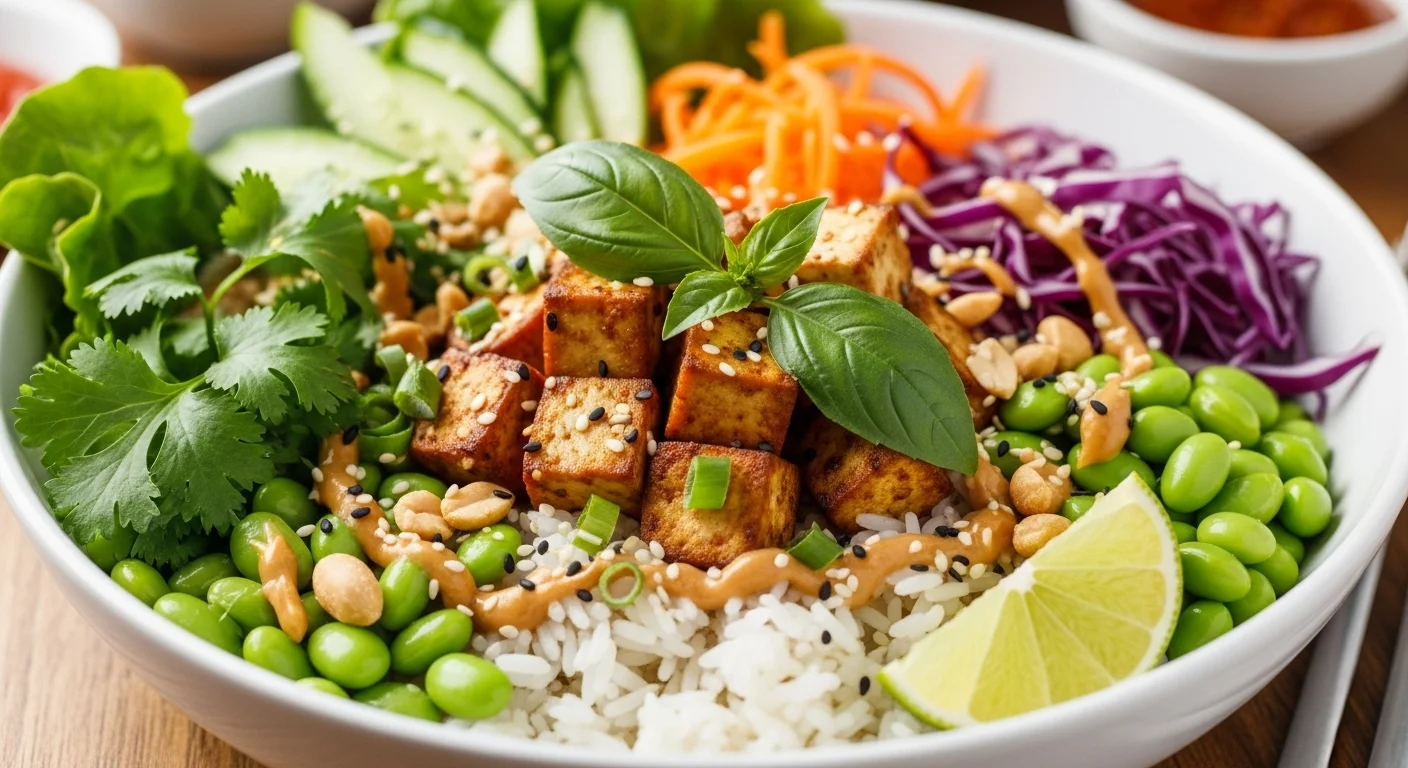
A classic Thai rice bowl typically consists of jasmine rice topped with a variety of ingredients like sautéed vegetables, tofu, and a flavorful sauce. The beauty of a vegan version lies in the flexibility to customize it according to our preferences while staying true to those bold flavors that Thai cuisine is known for. I’ve found that the key components of a great vegan Thai rice bowl include a base of rice, a mix of colorful vegetables, a protein source, and a zesty sauce that ties everything together.
Choosing the Right Rice
For my Thai rice bowls, jasmine rice has always been my go-to choice. Its fragrant aroma and slightly sticky texture make it the perfect canvas for all the toppings. However, if you’re looking for something healthier, brown rice or even quinoa can be great alternatives. I like to cook my rice in vegetable broth instead of water to add an extra layer of flavor. You’d be surprised at how a simple change can elevate the dish!
Picking Vibrant Vegetables
When it comes to vegetables, I think the more colors, the better! Fresh, crunchy vegetables not only add nutrients but also make the dish visually appealing. My favorites include bell peppers, snap peas, carrots, and broccoli. I often sauté them lightly to retain some crunch and maximize their flavor. Occasionally, I’ll throw in some mushrooms for an earthy depth. You can even experiment with seasonal vegetables or whatever you have on hand. It’s all about what you enjoy!
Adding Protein with Tofu or Tempeh
For protein, I usually opt for tofu or tempeh. Tofu is incredibly versatile; I often press it to remove excess moisture, then marinate it in a mixture of soy sauce, garlic, and ginger before pan-frying it until golden. This gives it a wonderful texture and flavor that complements the rest of the bowl beautifully. Tempeh, on the other hand, has a nuttier taste and a firmer texture. I love to slice it thin and marinate it similarly before grilling or pan-searing it. Both options are packed with protein and are excellent choices for a satisfying meal.
The Perfect Sauce
Now, let’s talk about sauce—arguably the most critical part of any Thai rice bowl. A good sauce can transform simple ingredients into a cohesive dish. For my vegan Thai rice bowl, I often whip up a quick peanut sauce or a zesty lime dressing. For the peanut sauce, I mix together peanut butter, soy sauce, lime juice, maple syrup, and a dash of sriracha for heat. It’s creamy, tangy, and just a tad spicy. Alternatively, if I’m in the mood for something lighter, I make a simple dressing with fresh lime juice, a bit of soy sauce, and a hint of sesame oil. Both sauces are easy to make and can be adjusted to your taste preferences.
Assembly and Customization
Once I have all my components ready, it’s time to assemble the bowl. I start by placing a generous scoop of rice in the bottom, followed by a colorful assortment of sautéed veggies and my chosen protein. Then, I drizzle on the sauce, ensuring every bite has that delightful flavor. Sometimes, I’ll top it off with fresh cilantro, green onions, or even a sprinkle of sesame seeds for that extra touch. It’s like creating a masterpiece every time!
Exploring Variations
What I love most about a vegan Thai rice bowl is how adaptable it is. You can switch up the ingredients based on what you have or what you’re in the mood for. For instance, if I want something heartier, I might add chickpeas or edamame. If I’m feeling adventurous, I’ve even thrown in some mango slices for a touch of sweetness. The possibilities are endless, and I find that it encourages creativity in the kitchen.
Serving Suggestions
When serving, I often suggest pairing the rice bowl with a side of spring rolls or a light salad. It creates a well-rounded meal that is both satisfying and refreshing. Plus, it’s a great way to share flavors with friends or family. I remember hosting a small dinner gathering and making a variety of toppings and sauces available, allowing everyone to customize their own bowls. It was such a hit!
As we explore the world of vegan Thai rice bowls, remember that the whole point is to enjoy the process. Cooking should be fun and fulfilling. So, whether you’re a seasoned chef or a beginner, I encourage you to create your own version of this delightful dish. With every bite, you’ll be reminded of the vibrant flavors of Thailand—right in your home kitchen.
Storing and Reheating Leftovers
We all know that sometimes we make a little too much food, or we just want to prepare ahead for those busy nights when cooking feels like a daunting task. Personally, I love the idea of meal prepping my vegan Thai rice bowl. It not only saves time but also means I can enjoy those incredible flavors for days to come. After making a batch, I’ll often store the components separately to keep everything fresh. I’ve found that this method works wonders in retaining the texture and flavor of each ingredient.
When I store the rice, I let it cool completely before packing it into an airtight container. This helps prevent it from becoming mushy. For the sautéed vegetables and protein, I keep them in separate containers as well. I always recommend reheating them gently to preserve their texture. If I’m in a hurry, I’ll pop them in the microwave for just a minute or two, but I prefer using a skillet. Sautéing them briefly with a splash of vegetable broth or a touch of oil brings back that fresh taste, and it warms everything evenly.
Tips for Perfect Leftovers
From my experience, I’ve learned a few tips for making the most out of my leftovers:
- Don’t mix everything together: Keeping ingredients separate until you’re ready to eat helps maintain their individual flavors and textures.
- Use a splash of fresh sauce: When reheating, a drizzle of fresh sauce can revitalize the dish. I like to whip up a quick batch of peanut sauce or lime dressing right before serving.
- Don’t forget the garnishes: Fresh herbs like cilantro or a sprinkle of sesame seeds can elevate the dish even after a day in the fridge. I often keep these on hand to add an extra punch of freshness.
Pairing Drinks with Your Thai Rice Bowl
Now that we’ve talked about the meal itself, let’s not forget about the drinks that can enhance our dining experience. I believe a well-paired beverage can elevate the flavors and make the meal even more enjoyable. Personally, I love to serve my vegan Thai rice bowl with something refreshing.
One of my favorites is a light coconut water or a chilled Thai iced tea. The sweetness and creaminess of coconut water complement the spiciness of the dish perfectly. I’ve even experimented with making my own iced tea by brewing strong black tea, adding a splash of almond milk, and sweetening it slightly with maple syrup. It’s a delightful pairing that reminds me of my visits to Thai restaurants.
If I’m in the mood for something a bit more adventurous, I might whip up a tropical smoothie using mango, pineapple, and coconut milk. This fruity drink not only tastes amazing but also adds a vibrant color to the table. Sometimes, I’ll throw in a handful of spinach or kale for an extra health boost without altering the flavor much. I’ve found that smoothies can be a fun and nutritious way to complement my rice bowl.
Sharing Your Culinary Adventure
Cooking a vegan Thai rice bowl can be a fantastic way to connect with friends and family. I’ve discovered that inviting others to join in the cooking process not only makes it more fun but also fosters a sense of community. I often invite friends over for a cooking night where we can prep our bowls together. It becomes a creative experience where we share our favorite ingredients and cooking techniques.
I remember one evening when a few friends and I decided to host a Thai rice bowl night. We set up an assembly line with all the ingredients laid out across the table. Everyone had a chance to customize their bowls according to their tastes. I loved seeing the different combinations people came up with! It was a delightful mix of flavors, and it sparked some fun conversations about food preferences and cooking tips.
After we finished assembling our bowls, we sat down together to enjoy the fruits of our labor. Sharing a meal prepared with love and creativity brought us all closer. It’s moments like these that remind me of the joy of cooking and the power of food to create lasting memories. I encourage you to invite your loved ones into your kitchen and make your vegan Thai rice bowl experience a shared adventure.
Exploring Thai Cuisine Beyond Rice Bowls
While my heart will always have a special place for vegan Thai rice bowls, I can’t help but feel inspired to explore other aspects of Thai cuisine. The vibrant flavors and ingredients can be found in so many different dishes! I’ve been eager to try my hand at making vegan versions of classic Thai dishes like pad Thai, green curry, and tom yum soup.
Each of these dishes has its unique charm and flavor profile, and I find that they share many of the same elements I love in my rice bowls. For instance, I recently attempted a vegan pad Thai, using rice noodles, tofu, and a homemade tamarind sauce. It was a hit! The balance of sweet, sour, and salty flavors reminded me of my favorite Thai restaurants.
Experimenting with different dishes has opened my eyes to the versatility of Thai cuisine. I’ve realized that the same key ingredients—like fresh herbs, spices, and vegetables—can be combined in various ways to create delicious meals. If you’re feeling adventurous, I encourage you to explore beyond your rice bowl and dive into the wonderful world of Thai cooking!
Finding Inspiration in Thai Street Food
One of the things I love most about Thai cuisine is its vibrant street food culture. During my travels, I’ve had the pleasure of wandering through bustling markets, where vendors set up stalls filled with mouth-watering dishes. The aromas, the colors, and the energy of it all are intoxicating! I often find myself inspired by the creativity of street food, and I try to incorporate that spirit into my home cooking.
For instance, I remember stumbling upon a vendor selling a delicious papaya salad, known as som tam. The combination of fresh papaya, lime, chili, and peanuts was a flavor explosion! I thought about how I could recreate that freshness and zing in my dishes. I’ve started adding a side of papaya salad to my vegan Thai rice bowls, and it complements the flavors perfectly. The crunch of the salad adds a delightful contrast to the warm, hearty components of the bowl.
Another street food favorite is the Thai spring roll. These little bundles of joy are typically filled with fresh vegetables and herbs, and they’re perfect for dipping in a sweet and spicy sauce. I’ve experimented with making my own vegan spring rolls at home, using rice paper wrappers and a variety of fillings. I love the process of rolling them up and serving them alongside my rice bowl. It’s a fun, interactive appetizer that adds an extra layer of texture and flavor to the meal.
Incorporating Traditional Ingredients
As I dive deeper into Thai cooking, I’ve learned about several traditional ingredients that elevate the dishes to new heights. One of my favorites is lemongrass. The unique citrusy flavor can brighten up any dish, and I love to incorporate it into marinades for my tofu or dressings for my rice bowls. I remember my first time using lemongrass; I was amazed at how a simple stalk could transform the taste of my meal. Just a little goes a long way!
Another essential ingredient I’ve become fond of is kaffir lime leaves. Their distinct aroma is hard to describe, but it adds an incredible depth of flavor. I often toss a few leaves into the pot when cooking vegetable broth or rice, allowing their essence to infuse. It’s a small step that brings a touch of authenticity to my vegan Thai dishes.
Of course, I can’t forget about Thai basil! Unlike sweet basil, Thai basil has a slightly spicier flavor and a hint of anise. I love to use it as a finishing touch for my rice bowls, adding a burst of freshness. I often find myself growing a small pot of it on my windowsill, not just because it’s handy, but because I love the way it looks and smells. Having fresh herbs at my fingertips feels like a game changer in my cooking!
Cooking with Friends: A Culinary Journey
One of the most rewarding aspects of my culinary journey has been cooking with friends. I believe cooking should be a shared experience, and inviting friends over to cook together has brought so much joy into my life. One memorable night, we decided to have a Thai-inspired potluck. Everyone brought their favorite Thai dish or ingredient, and together we created a beautiful spread!
As we cooked, we shared stories about our experiences with Thai food. It was fascinating to hear about the different flavors and dishes that resonated with each of us. Some friends brought ingredients I had never used before, like tamarind and coconut cream, which opened my eyes to new possibilities. We even had a little friendly competition to see who could create the most flavorful sauce, which led to lots of laughter and creativity.
After we finished cooking, we sat down to enjoy our creations together. The atmosphere was filled with warmth, laughter, and the delicious aroma of our dishes. Sharing a meal like this, surrounded by friends, made me realize that food isn’t just about nourishment; it’s about connection and celebration. I encourage everyone to gather their friends and embark on their own culinary adventures. You never know what new flavors you might discover!
Mindful Eating: Savoring Each Bite
As I’ve grown in my cooking journey, I’ve also started to pay more attention to the concept of mindful eating. I believe that taking the time to savor each bite can enhance our overall dining experience. When I prepare my vegan Thai rice bowl, I try to be present in the moment, appreciating the colors, textures, and aromas before me.
When I sit down to enjoy my meal, I take a moment to breathe and appreciate the effort that went into creating it. I find that this practice not only makes my meal more enjoyable but also allows me to connect with the food on a deeper level. I often think about the ingredients, where they came from, and how they all came together to create something beautiful.
Mindful eating also encourages me to slow down and really taste the flavors. I like to take small bites, allowing the combination of spices and textures to unfold on my palate. This approach has made me more aware of the little details in my cooking, and I’ve found that I appreciate my meals so much more. I encourage you to try this practice the next time you sit down for a meal, whether it’s a simple dish or a beautifully assembled rice bowl.
Frequently Asked Questions
“`htmlWhat is a vegan Thai rice bowl?
A vegan Thai rice bowl is a flavorful dish that typically consists of jasmine rice topped with a variety of colorful vegetables, a protein source like tofu or tempeh, and a zesty sauce, all while keeping it plant-based.
What type of rice is recommended for a Thai rice bowl?
Jasmine rice is the go-to choice for Thai rice bowls due to its fragrant aroma and slightly sticky texture. However, brown rice or quinoa can also be great alternatives for a healthier option.
What vegetables can I use in my vegan Thai rice bowl?
Colorful vegetables such as bell peppers, snap peas, carrots, and broccoli are excellent choices. You can also experiment with seasonal vegetables or whatever you have on hand.
How can I add protein to my vegan Thai rice bowl?
Tofu and tempeh are popular protein options. Tofu can be pressed, marinated, and pan-fried, while tempeh can be sliced, marinated, and grilled or pan-seared for added flavor.
What type of sauce should I use for the vegan Thai rice bowl?
A quick peanut sauce made with peanut butter, soy sauce, lime juice, maple syrup, and sriracha, or a lighter lime dressing with fresh lime juice, soy sauce, and sesame oil are both great options for adding flavor.
How should I store leftovers from my vegan Thai rice bowl?
Store the components separately in airtight containers to keep them fresh. Allow the rice to cool completely before packing it to prevent mushiness.
What are some tips for reheating leftovers?
Reheat leftovers gently, preferably in a skillet with a splash of vegetable broth or oil to preserve texture. A drizzle of fresh sauce can also revitalize the dish.
What drinks pair well with a vegan Thai rice bowl?
Light coconut water or chilled Thai iced tea are excellent pairings. You can also make a tropical smoothie with mango, pineapple, and coconut milk for a refreshing complement.
How can I make cooking a vegan Thai rice bowl a shared experience?
Invite friends over for a cooking night where everyone can customize their bowls with their favorite ingredients. This fosters a sense of community and makes the cooking process more enjoyable.
What traditional ingredients can enhance my vegan Thai cooking?
Incorporate ingredients like lemongrass for its citrusy flavor, kaffir lime leaves for depth, and Thai basil for a spicy, aromatic finish to elevate your dishes.
“`