
Planning my weekly dinners has become a delightful ritual, especially when I focus on wholesome, clean eating. I’m excited to share my favorite meals that not only nourish my body but also tantalize my taste buds!
Creating a Wholesome Meal Plan
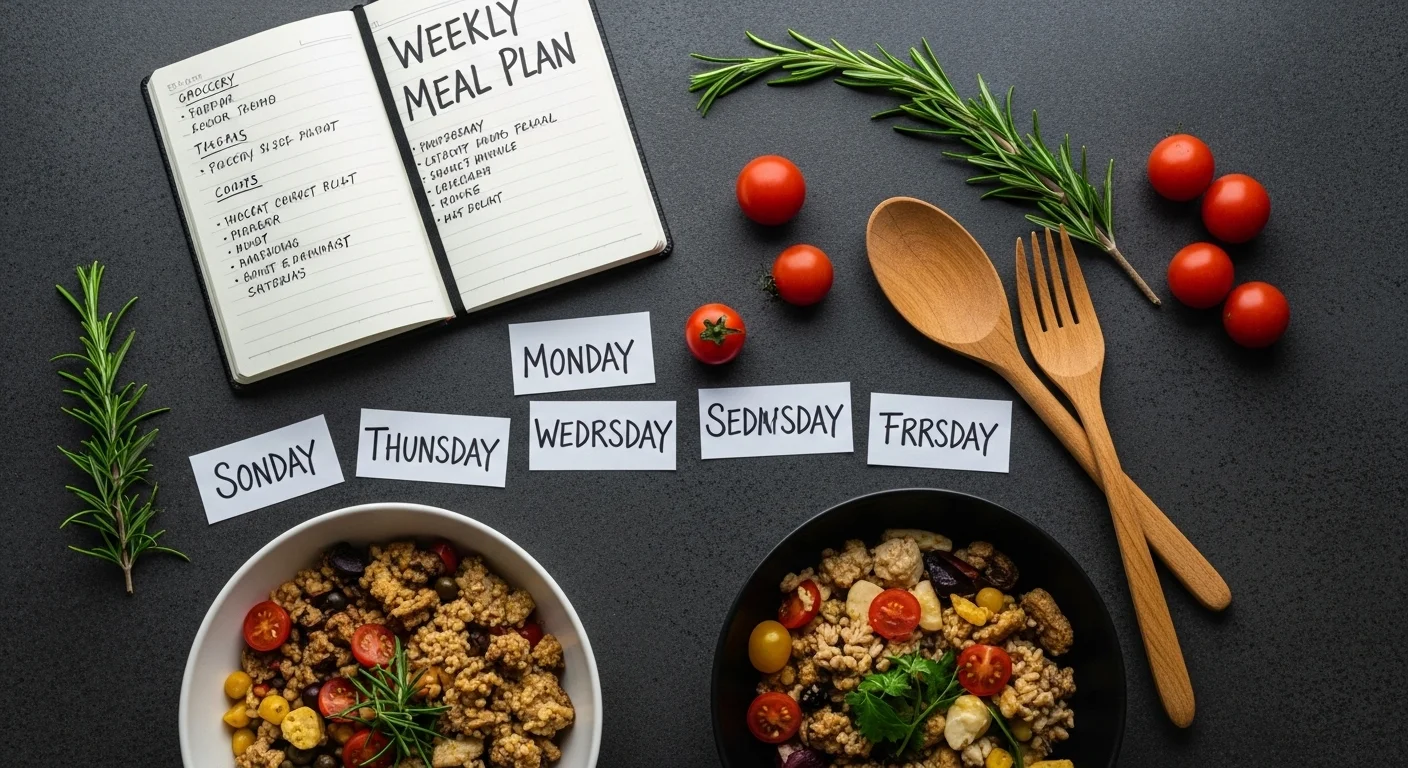
When I sit down to create my weekly meal plan, I always aim for balance, nutrition, and flavor. I’ve found that a well-structured plan not only streamlines my grocery shopping but also promotes healthier choices throughout the week. Each meal incorporates whole foods, lean proteins, healthy fats, and plenty of fruits and vegetables. This approach keeps me energized and satisfied, while also allowing me to experiment with different ingredients and flavors.
Day 1: Grilled Lemon Herb Chicken with Quinoa Salad
Starting off my week with a vibrant dish sets the right tone. I marinate chicken breasts in a mixture of fresh lemon juice, olive oil, garlic, and a blend of herbs like rosemary and thyme. The marinating process infuses the chicken with flavor, making it tender and juicy when grilled. I serve this alongside a quinoa salad tossed with diced cucumbers, cherry tomatoes, and a sprinkle of feta cheese. The salad is light yet filling, and the quinoa provides a fantastic source of protein and fiber.
Day 2: Zucchini Noodles with Turkey Meatballs
The second day brings a fun twist to pasta night with zucchini noodles. I spiralize fresh zucchini to create a low-carb alternative that’s just as satisfying. I prepare turkey meatballs seasoned with Italian herbs, garlic, and ground flaxseed for added nutrition. Simmering them in a homemade marinara sauce made from crushed tomatoes, garlic, and basil elevates the flavors. This dish is not only delicious but also a great way to sneak in more vegetables into my diet.
Day 3: Baked Salmon with Asparagus and Sweet Potatoes
On the third day, I turn to baked salmon, which is rich in omega-3 fatty acids. I season the salmon fillet with a mixture of mustard, honey, and dill, which creates a beautiful glaze as it bakes. I roast asparagus and sweet potato wedges alongside the fish. The sweet potatoes offer a healthy dose of vitamins and minerals, while the asparagus adds a satisfying crunch. This combination is not only colorful but also a powerhouse of nutrition.
Day 4: Stir-Fried Tofu with Mixed Vegetables
Midweek often calls for a comforting stir-fry. I opt for tofu as my protein source, which absorbs the flavors beautifully. I press the tofu to remove excess moisture, then sauté it until golden brown. I toss in a colorful array of vegetables such as bell peppers, broccoli, and snap peas, adding soy sauce, garlic, and ginger for depth. This meal is versatile, allowing me to switch out vegetables based on what I have on hand, making it a sustainable choice.
Day 5: Quinoa and Black Bean Stuffed Peppers
On day five, I prepare stuffed bell peppers, a dish that’s as visually appealing as it is tasty. I mix cooked quinoa with black beans, corn, diced tomatoes, and spices like cumin and paprika. Hollowing out bell peppers, I fill them with this hearty mixture, topping them with a sprinkle of cheese before baking. These stuffed peppers are not only delightful to eat but also provide a complete meal packed with protein, fiber, and essential nutrients.
Day 6: Cauliflower Fried Rice
For a lighter spin on fried rice, I turn to cauliflower rice. I pulse cauliflower florets in the food processor until they resemble rice grains. Sautéing them with peas, carrots, and green onions, I add a splash of soy sauce and sesame oil for flavor. This dish is a fantastic way to reduce carbs while still enjoying the essence of a classic fried rice. It’s quick to prepare and full of flavor, making it a perfect option for busy evenings.
Day 7: Lentil Soup with Spinach and Carrots
To end the week, I love to cozy up with a hearty lentil soup. Lentils are an excellent source of protein and fiber, and they cook relatively quickly. I sauté onions, carrots, and celery, then add vegetable broth and lentils. Tossing in fresh spinach towards the end of cooking adds a vibrant touch and boosts the nutrient profile. This soup is not only filling but is also a fantastic make-ahead dish that can be easily reheated for lunch or dinner throughout the week.
As I prepare these meals, I find joy in the process of cooking and sharing them with friends and family. Each dish is a celebration of wholesome ingredients that nourish my body and soul. With this meal plan, I feel inspired and excited for the week ahead, ready to tackle each day with energy and enthusiasm!
Tips for Meal Prep Success
As I embrace this journey of wholesome eating, I’ve found that meal prep plays a crucial role in maintaining my healthy lifestyle. Being organized not only saves time but also ensures that I stick to my meal plan. Here are some tips I’ve gathered over time that have significantly improved my meal prep game.
Invest in Quality Containers
Having the right containers can make all the difference. I prefer glass containers because they are durable, non-toxic, and microwave-safe. Clear containers allow me to see what’s inside at a glance, which reduces food waste and helps me plan my meals better. I also have a collection of smaller containers for sauces, dressings, and snacks, which keeps everything organized.
Batch Cooking
One of my favorite strategies is batch cooking. I dedicate a few hours each weekend to prepare large quantities of staple foods that I can use throughout the week. For example, I’ll cook a big pot of brown rice or quinoa, roast a tray of mixed vegetables, and prepare proteins like chicken or tofu. By having these components ready, I can easily combine them into various meals, saving me time during busy weekdays.
Embrace Seasonal Ingredients
Shopping for seasonal ingredients not only supports local farmers but also enhances the quality and flavor of my meals. I love visiting farmers’ markets or local grocery stores to discover what’s fresh and in-season. Incorporating these ingredients into my meal plan keeps my dishes exciting and varied. Plus, seasonal produce often carries more nutrients, making my meals even healthier.
Make Use of Freezer Space
My freezer has become a secret weapon in my meal prep arsenal. I regularly freeze portions of soups, sauces, and cooked grains. This way, I can pull out a homemade meal whenever I’m short on time or inspiration. I also freeze fruits like bananas and berries for smoothies or baking. Labeling everything with the date is a habit I’ve developed, ensuring I use up older items first.
Plan for Leftovers
I’ve learned to embrace leftovers as an opportunity rather than a burden. When I cook, I often make extra portions with the intent of enjoying them later in the week. For example, I might double my lentil soup recipe so I can have it for both dinner and lunch. This not only saves time but also minimizes food waste, which is a significant benefit.
Stay Flexible
While I love having a meal plan, I’ve also discovered the importance of being flexible. Life can get busy, and sometimes I may not feel like eating what I had planned for that day. I’ve started to listen to my body and adjust my meals accordingly. If I feel like a salad instead of a warm dish, I make the switch. This flexibility keeps me from feeling restricted and allows me to enjoy my meals fully.
Utilize a Meal Planning App
In this digital age, I’ve found meal planning apps to be incredibly helpful. These apps allow me to organize my recipes, create grocery lists, and even track my pantry inventory. I can save my favorite recipes and plan meals based on what I already have at home. It’s a great way to streamline the process and reduce the time spent on meal prep.
Exploring New Recipes and Flavors
As I navigate through my weekly meal plans, I often find myself experimenting with new recipes and flavors. This exploration is what keeps my cooking journey exciting. Trying different cuisines allows me to incorporate varied ingredients and cooking techniques, which not only enhances my culinary skills but also introduces me to a world of flavors.
International Inspirations
I’ve recently started to dabble in international cuisines, drawing inspiration from Asian, Mediterranean, and Latin American dishes. For instance, I might prepare a Thai curry with coconut milk and fresh vegetables one day, and then whip up a Mediterranean-inspired bowl with chickpeas, olives, and tzatziki the next. This variety keeps my meals from feeling repetitive and encourages me to try new combinations.
Cooking with Friends
Cooking doesn’t have to be a solo venture. I’ve found immense joy in inviting friends over for a cooking night. We each bring our favorite ingredients or recipes, and together we create a feast. Not only is it a fun social activity, but I also get to learn new cooking techniques and flavor profiles from others. Sharing meals enhances the overall experience, making it all the more enjoyable.
Documenting My Journey
Keeping a food journal has become a part of my routine. I jot down my favorite recipes, notes on what worked well, and ideas for future meals. This practice allows me to reflect on my culinary journey and helps me remember which dishes sparked joy and satisfaction. It also serves as a source of inspiration when planning my next week’s meals.
As I continue this wholesome eating journey, I am grateful for the lessons learned and the delicious meals that come from my efforts. With each new recipe and cooking adventure, I’m reminded of the joy that comes from nourishing my body with wholesome ingredients while enjoying the process. My meal planning journey is not just about food; it’s about finding balance, creativity, and connection in my everyday life.
Incorporating Mindfulness into My Cooking Routine
As I delve deeper into the realm of clean eating, I’ve discovered the importance of mindfulness in my cooking routine. It’s easy to get caught up in the hustle and bustle of meal prep, but I’ve learned that slowing down and being present enhances not only the cooking experience but also the enjoyment of my meals. Here’s how I’ve integrated mindfulness into my kitchen practices.
Mindful Ingredient Selection
Before I even begin cooking, I take a moment to appreciate the ingredients I’ll be using. I’ve started visiting local farmers’ markets and grocery stores with a more conscious mindset. Instead of rushing through the aisles, I savor the colors, textures, and smells of fresh produce. I ask myself questions about where the food comes from and how it was grown. This practice not only makes me more aware of what I consume but also deepens my connection to the food itself.
Cooking with Intention
While preparing my meals, I now focus on the process rather than just the outcome. I find joy in chopping vegetables, stirring sauces, and measuring spices. Each action becomes a form of meditation. I often play soft music or even enjoy the sounds of my kitchen—like the sizzle of food in a pan. This intentional approach helps me to immerse myself in the present moment, transforming cooking from a chore into a pleasurable experience.
Mindful Eating Practices
Once my meals are prepared, I shift my focus to how I eat. I sit down at the table, often setting the scene with a nice plate and utensils, instead of eating on the go or in front of the TV. I take a moment to appreciate the colors and smells of my dish before diving in. As I eat, I chew slowly and savor each bite, paying attention to the flavors and textures. This practice has helped me to recognize when I’m full, reducing the likelihood of overeating.
Creating a Calm Cooking Environment
I’ve also learned the value of creating a calming environment in my kitchen. I make it a habit to clean and organize my workspace before I start cooking. Clutter can be distracting, and a tidy kitchen allows me to focus better on the task at hand. Sometimes, I light a candle or diffuse essential oils to create a pleasant atmosphere. This simple act turns cooking into a soothing ritual, allowing me to unwind and enjoy the experience.
Exploring Plant-Based Meals
Another exciting avenue I’ve ventured into is incorporating more plant-based meals into my weekly dining. While I’ve always enjoyed vegetables, I’ve recently begun to explore the vast world of vegetarian and vegan cooking. The benefits of plant-based eating are numerous, from health improvements to environmental sustainability, and I’m eager to share my newfound enthusiasm.
Experimenting with Meat Alternatives
One of the first steps I took was experimenting with meat alternatives. I’ve tried various plant-based proteins like tempeh, seitan, and chickpeas. One of my favorite dishes is a chickpea curry, where I sauté onions, garlic, and ginger, then add spices like cumin and coriander, followed by canned tomatoes and chickpeas. Simmering it all together creates a rich and hearty meal that’s incredibly satisfying. I serve it over brown rice or quinoa, making it a complete dish packed with nutrients.
Creative Salads and Bowls
Salads have taken on a whole new life in my kitchen. I’ve learned to think outside the box and create vibrant salad bowls that are filling and nutritious. By incorporating ingredients like roasted vegetables, grains, nuts, and seeds, I turn a simple salad into a meal. One of my go-to creations is a roasted beet and quinoa salad tossed with arugula, walnuts, and a zesty lemon vinaigrette. It’s not only visually beautiful but bursting with flavor and texture.
Plant-Based Desserts
Even when it comes to dessert, I’ve found ways to satisfy my sweet tooth while sticking to clean eating principles. I’ve been experimenting with natural sweeteners like dates, maple syrup, and coconut sugar, which enhance the flavors without the guilt. A favorite recipe of mine is a chocolate avocado mousse, where I blend ripe avocados with cocoa powder, almond milk, and a touch of honey. The result is a creamy, indulgent dessert that’s surprisingly nutritious!
Engaging with Food Communities
As I continue my cooking journey, I’ve realized the importance of community. Engaging with others who share a passion for wholesome eating has opened my eyes to new ideas and perspectives. I often turn to online forums, social media groups, and local cooking classes to connect with like-minded individuals.
Online Cooking Classes
Participating in online cooking classes has been a game-changer for me. I’ve had the opportunity to learn from chefs around the world, experiencing different cuisines right from my kitchen. These classes not only teach new techniques but also encourage me to try unfamiliar ingredients. Each class feels like an adventure, and I often find inspiration for my own meal planning.
Sharing My Journey
Social media has also been a fantastic platform for sharing my cooking journey. I love posting pictures of my meals and connecting with others who share similar interests. It’s inspiring to see how different cultures and individuals approach cooking, and I often gather new ideas and recipes from these interactions. The community support motivates me to keep exploring and experimenting.
Final Thoughts
Reflecting on my culinary journey, I realize that it’s about much more than just food. It’s about nourishing my body, embracing creativity, and fostering connections. Each meal I prepare represents a moment of mindfulness and intention. As I continue to explore new recipes, flavors, and techniques, I look forward to the delicious discoveries that lie ahead.
Through this process, I have not only transformed my cooking routine but have also cultivated a deeper appreciation for the ingredients I use and the meals I create. My journey of wholesome eating is ongoing, and I can’t wait to share more of my experiences and discoveries with you in the future!