
Have you ever wondered what makes a perfect home for your sourdough starter? Choosing the right jar can be a game-changer in your baking journey, enhancing flavor and fermentation. Let’s dive into what to look for in the best sourdough starter jar!
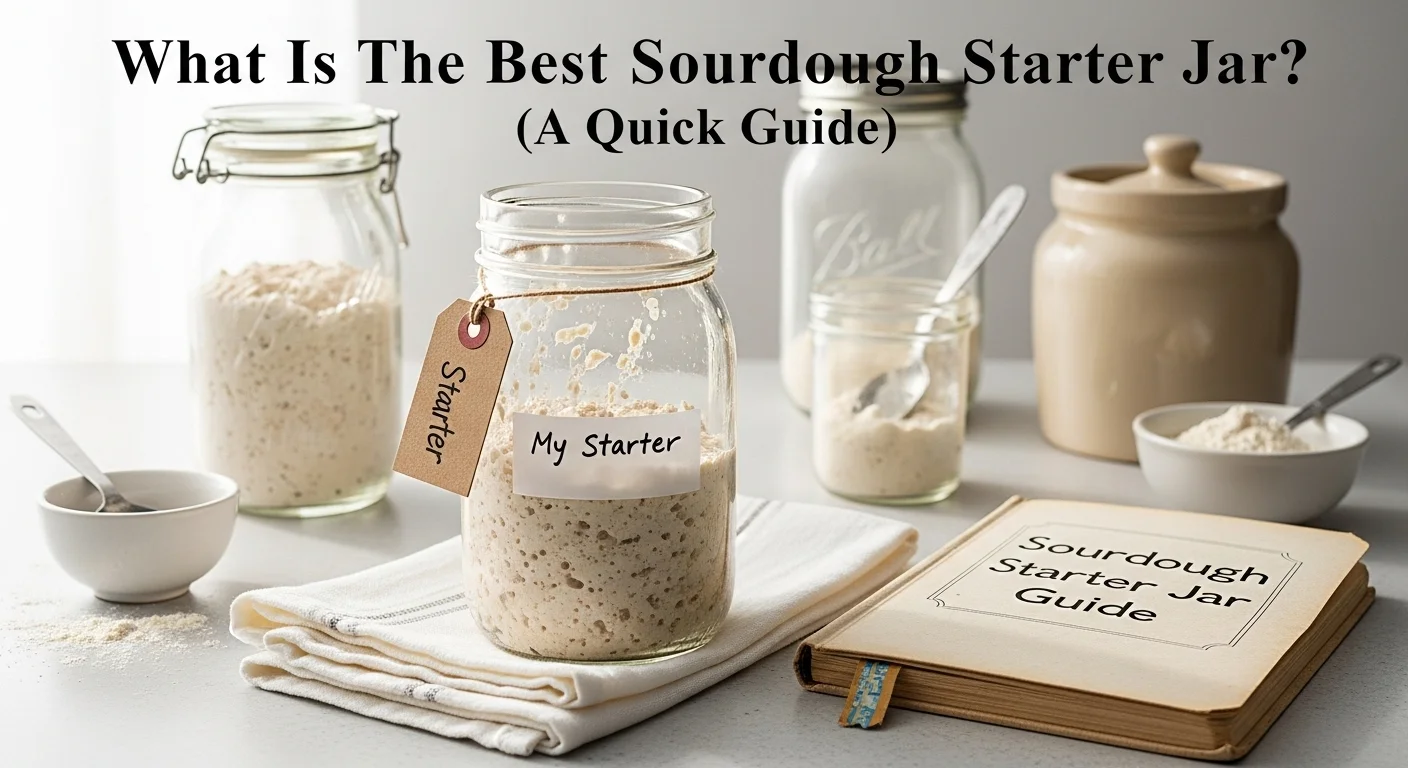
Understanding Sourdough Starter Jars
What is a Sourdough Starter?
A sourdough starter is a mixture of flour and water that captures wild yeast and bacteria from the environment. This living culture is what gives sourdough bread its unique flavor and texture. I remember the first time I made my starter; it felt like I was nurturing a little pet! By feeding it regularly, you encourage the yeast to grow and thrive, ultimately allowing you to create delicious loaves of bread. Read Interesting article: A Beginner’s Sourdough Sandwich Loaf (Soft & Easy)
Most people begin their sourdough journey with a simple recipe, mixing flour and water together, but the magic truly happens over time. The longer you maintain your starter, the stronger and more flavorful it becomes. I’ve seen starters that are decades old, passed down through generations, each one carrying its unique character. Your starter can become a cherished part of your baking routine, almost like a family member in the kitchen.
Importance of the Right Jar for Sourdough
Choosing the right jar for your sourdough starter is crucial. The jar not only houses your starter but also impacts its growth and fermentation process. I’ve learned the hard way that not all jars are created equal. A jar can affect how well your starter breathes, how easy it is to monitor its progress, and even how convenient it is to feed. You want something that not only looks good on your countertop but also supports the health of your starter.
For instance, a narrow jar might make it difficult to mix and feed your starter, while a jar that seals too tightly may not allow enough airflow. I’ve tried various containers over the years, and I can say that the right jar makes a world of difference. It helps create a thriving environment for your starter, which translates into better bread. I can’t stress enough the importance of investing a little time into finding the right jar for your needs! Read Interesting article: How To Make The Best Sourdough Bread Bowls (For Soup)
Key Features of the Best Sourdough Starter Jars
Material: Glass vs. Plastic vs. Ceramic
When it comes to materials, I’ve personally found glass jars to be my favorite. They’re non-reactive, which means they won’t affect the taste of your starter, and you can easily see the bubbling action as your starter ferments. Plus, glass is easy to clean and can withstand high temperatures, making it safe for hot water rinses after feedings. I love watching my starter grow through the clear glass, and it adds a touch of aesthetic to my kitchen.
Plastic jars are lighter and often more affordable, but they can hold onto odors and stains. I used to have a plastic container that smelled faintly of the last sauce I stored in it, which was not ideal for my starter. Ceramic jars can be beautiful but may be heavier and more fragile. I’ve seen stunning ceramic options that are great for display, but they often come with a higher price tag. In my experience, it really comes down to what you prioritize: practicality or aesthetics.
Size and Capacity: How Much Space Do You Need?
The size of your jar plays a significant role in how much starter you can keep. If you bake often, you might want a larger jar that can accommodate more starter. I remember using a smaller jar when I was just starting out, but as I gained confidence and began baking more frequently, I realized I needed a larger space for my growing starter. A good rule of thumb is to choose a jar that can hold at least twice the volume of your starter to allow for expansion during fermentation. This will prevent overflow and make feeding easier. Read Interesting article: Flaky Sourdough Discard Shortcrust Pastry (For Pies)
Shape: Wide vs. Narrow Mouth Jars
The shape of the jar can influence how easily you can access your starter. Wide-mouth jars are my go-to because they allow for easy mixing and feeding. I’ve struggled with narrow-mouthed jars, trying to reach the bottom to scrape out the starter without making a mess. A wide opening means I can get in there with a spatula or spoon, ensuring everything is well combined. This little detail might seem small, but it can save you time and frustration in the long run.
Sealing Mechanisms: Airtight vs. Breathable
Finally, consider how your jar seals. Airtight jars can trap gases produced during fermentation, which can lead to pressure build-up. I once had a jar that sealed too tightly, and I came home to find it had exploded! Now, I prefer jars with breathable lids or a loose seal that allows for gas exchange while still keeping out contaminants. Many bakers use jars with cloth covers or specially designed lids that let air in while keeping pests out. Finding the right balance is key to maintaining a healthy starter.
Top Sourdough Starter Jars on the Market
Glass Jars: Best Options for Visibility and Durability
I’ve often found myself gravitating toward glass jars when selecting the perfect home for my sourdough starter. They offer a combination of visibility and durability that I truly appreciate. Brands like Ball and Mason produce high-quality glass jars that are designed for canning, making them ideal for sourdough as well. Their wide-mouth designs allow for easy access, and I love being able to peer into the jar to check on my starter’s progress.
One of my favorite glass jars is the Weck jar. They have a unique aesthetic that makes them look beautiful on any kitchen counter. Plus, their rubber gaskets provide a breathable seal, allowing gases to escape without letting contaminants in. I remember the first time I noticed the bubbling through the clear glass; it was like watching a science experiment unfold right in my kitchen!
Ceramic Jars: Aesthetic Appeal and Functionality
Ceramic jars have a charm that’s hard to resist. They often come in beautiful designs that can complement your kitchen decor, which is an added bonus. I’ve seen some stunning options like the ones from Emile Henry that combine functionality with a rustic appeal. These jars tend to have a breathable lid, which is great for maintaining a healthy environment for your starter.
What I appreciate about ceramic is the insulation it provides. It keeps the temperature stable, which can be especially beneficial if you live in a place with fluctuating temperatures. However, I have to admit I’ve had my share of mishaps; I once dropped a ceramic jar, and the heartache of losing both the jar and my starter was a lesson learned! So, while they’re beautiful, it’s essential to handle them with care.
Plastic Jars: Budget-Friendly Choices
If you’re just starting out or on a budget, plastic jars can be a practical choice. They’re lightweight, affordable, and come in various sizes. I’ve used simple containers from my local kitchen supply store that worked just fine for a beginner. They’re also great for travel, as I don’t have to worry about them breaking if I’m taking my starter with me on a trip.
However, I’ve found that not all plastic is created equal. Make sure to choose BPA-free options, as you don’t want any harmful chemicals leaching into your starter. Some containers have measurement markings, which can be super helpful for feeding ratios. While they might not have the aesthetic appeal of glass or ceramic, they certainly get the job done!
How to Choose the Right Jar for Your Sourdough Starter
Assessing Your Baking Frequency
When it comes to picking the right jar, one of the first questions to ask yourself is how often you plan to bake. If you’re like me and bake bread weekly, then a larger jar makes sense. I remember starting with a small jar, but as my love for baking grew, I found myself needing more starter. Having a jar that can accommodate your baking frequency ensures you always have enough starter ready to go without having to make frequent feeds.
Considering Your Kitchen Space
Take a look at your kitchen counter and evaluate how much space you can dedicate to your sourdough jar. If you have limited space, then a smaller jar or one that fits neatly on a shelf might be the way to go. My kitchen is a bit cramped, so I’ve learned to be mindful of the jar’s footprint. However, I also want it to be accessible, as I like to keep it visible to remind myself to feed it regularly.
Personal Preferences: Design and Usability
Finally, think about your personal preferences. Do you prefer a jar that’s more utilitarian or one that adds a touch of style to your kitchen? For me, I enjoy having a jar that looks good while being functional. If you find joy in the aesthetics of your kitchen, take the time to choose something that resonates with you. A jar that you love to look at can make the process of feeding and maintaining your starter feel even more rewarding.
Maintenance and Care for Your Sourdough Starter Jar
Cleaning Tips for Different Materials
Once you’ve found the perfect jar, maintaining it is crucial for a happy starter. For glass jars, I generally wash them with hot soapy water and let them air dry. I’ve learned the hard way that it’s important to clean them thoroughly between feeds to avoid any buildup of residue. Ceramic jars also require a similar cleaning approach, but I’m extra cautious with them to prevent any chips or cracks.
As for plastic jars, I recommend avoiding the dishwasher, as the heat can warp them over time. Instead, I hand wash them, which helps keep them in good condition. Regularly cleaning your jar not only keeps it hygienic but also ensures that nothing interferes with the natural fermentation process.
Best Practices for Storing Your Starter
Depending on your baking frequency, you might need to store your starter in different ways. If I know I won’t be baking for a while, I often place my starter in the fridge. Just remember to bring it back to room temperature before feeding it again. I’ve found that this method allows me to maintain my starter without feeling overwhelmed by frequent feedings. However, if I’m baking often, keeping it out at room temperature works best so I can feed it regularly.
Frequently Asked Questions
What is a sourdough starter?
A sourdough starter is a mixture of flour and water that captures wild yeast and bacteria from the environment, giving sourdough bread its unique flavor and texture.
Why is the right jar important for a sourdough starter?
The right jar is crucial because it affects the starter’s growth and fermentation process, including how well it breathes and how easy it is to monitor and feed.
What material is best for a sourdough starter jar?
Glass jars are often preferred because they are non-reactive, allow visibility of the fermentation process, and are easy to clean. Plastic jars are lighter and more affordable but can retain odors, while ceramic jars offer aesthetic appeal but may be heavier and fragile.
What size jar should I choose for my sourdough starter?
Choose a jar that can hold at least twice the volume of your starter to allow for expansion during fermentation, preventing overflow and making feeding easier.
What shape of jar is recommended for a sourdough starter?
Wide-mouth jars are recommended as they allow for easy mixing and feeding, making it simpler to access the starter without making a mess.
What type of sealing mechanism is best for a sourdough starter jar?
Jars with breathable lids or loose seals are best as they allow for gas exchange while keeping out contaminants, avoiding pressure build-up that can occur with airtight jars.
Are there any popular glass jar brands for sourdough starters?
Brands like Ball and Mason produce high-quality glass jars that are ideal for sourdough, and Weck jars are also popular for their unique aesthetic and breathable seal.
What are the advantages of using ceramic jars for sourdough starters?
Ceramic jars provide aesthetic appeal, stable temperature insulation, and often come with breathable lids, making them functional while complementing kitchen decor.
How should I maintain my sourdough starter jar?
Clean glass jars with hot soapy water and air dry; ceramic jars require similar care but should be handled cautiously to avoid damage. Plastic jars should be hand washed to prevent warping.
How do I store my sourdough starter?
If not baking for a while, store your starter in the fridge and bring it back to room temperature before feeding. For frequent baking, keep it out at room temperature for regular feeding.