
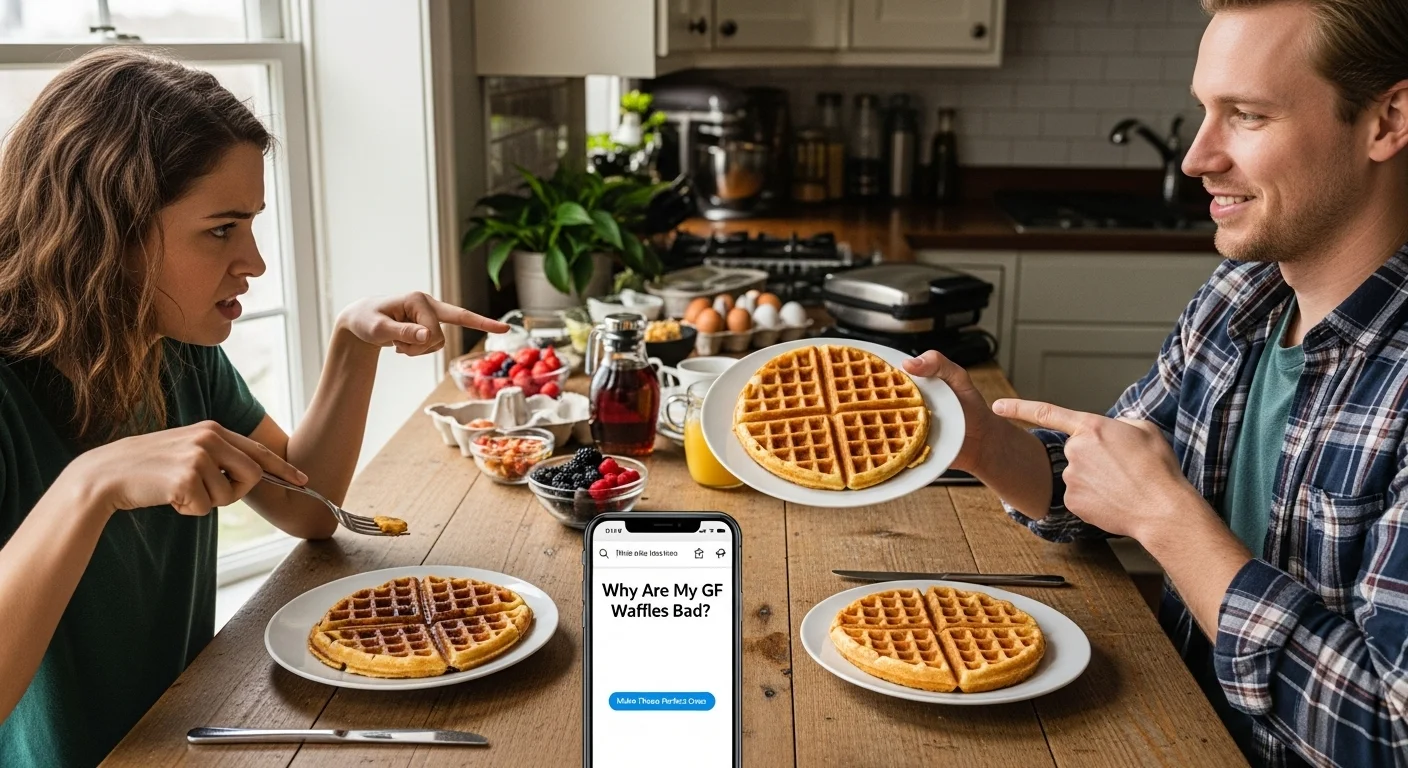
Have you ever taken a bite of a waffle and wondered why it didn’t taste quite right? If your girlfriend’s waffles have you scratching your head, you’re not alone. Let’s explore how to make those waffles perfect!
Understanding Gluten-Free Waffles
What Are Gluten-Free Waffles?
Gluten-free waffles are a delightful alternative for those who either have a gluten intolerance or simply prefer to avoid gluten. Made without traditional wheat flour, these waffles use a variety of gluten-free flours like almond, coconut, or rice flour. I remember the first time I tried gluten-free waffles; I was amazed at how versatile they could be. They tasted different but equally delicious, especially when topped with fresh fruit or syrup. If you’re looking for a delicious option, try Crispy & Fluffy Oat Flour Waffles (You Won’t Miss Gluten).
Common Ingredients in Gluten-Free Waffles
When making gluten-free waffles, the ingredients can vary quite a bit. Here are some common components:
- Gluten-Free Flour: As mentioned, this can include almond flour, coconut flour, or a gluten-free all-purpose blend.
- Binding Agents: Ingredients like eggs or flaxseed meal help hold the batter together, which is especially important since gluten provides structure in traditional waffles.
- Liquid Ingredients: Milk, almond milk, or even yogurt can add moisture and richness to the batter.
- Sweeteners: Sugar, honey, or maple syrup can enhance flavor.
- Baking Powder: This is essential for making the waffles rise and become fluffy.
When I first experimented with gluten-free waffles, I was surprised by how different the textures could be, depending on the flour I chose. It’s a bit of a learning curve, but worth it to find your favorite combination!
Differences Between Gluten-Free and Regular Waffles
The most significant difference between gluten-free and regular waffles is the absence of gluten, which affects the texture. Regular waffles tend to be light and airy due to gluten’s elasticity, while gluten-free versions can sometimes be denser. I’ve learned that finding the right balance of ingredients is crucial to achieving that light, fluffy texture we all crave. Additionally, gluten-free waffles may require different cooking times and temperatures, so keep an eye on them as they cook.
Common Reasons for Bad Gluten-Free Waffles
Incorrect Flour Substitutes
One of the biggest culprits behind bad gluten-free waffles is using the wrong flour substitute. Not all gluten-free flours perform the same way. I once tried making waffles with just coconut flour, and they turned out dry and crumbly. Mixing different flours can often lead to better results. I recommend using a gluten-free flour blend designed for baking, as it usually has the right ratios of starches and fibers. For a great recipe using a variety of flours, check out The Ultimate Crispy and Fluffy Yeasted Waffles Recipe.
Improper Cooking Temperature
Another thing I’ve noticed is that cooking temperature plays a crucial role. If the waffle iron is too hot, the outside might cook too quickly, leaving the inside undercooked. On the flip side, if it’s too low, the waffles can end up soggy. I always preheat my waffle maker and sometimes even test a small spoonful of batter to check for the right cooking time. It’s all about trial and error!
Too Much or Too Little Liquid
Liquid measurements can make or break your waffle batter. If you add too much, the batter becomes runny and might not hold its shape. Too little liquid, on the other hand, can lead to a dry waffle. I remember the first time I made gluten-free waffles; I poured in too much almond milk, and the waffles ended up a sticky mess. Now, I stick to a consistent recipe that has been tried and tested.
Not Enough Binding Agents
Binding agents are essential in gluten-free baking. Without enough eggs or another binder, you might end up with waffles that fall apart. I’ve found that adding an extra egg or using a flaxseed meal can really help with the texture. If you’re vegan, flaxseed or chia seeds mixed with water can also do the trick!
Overmixing the Batter
Finally, one crucial mistake I’ve made—and perhaps you have too—is overmixing the batter. While it’s tempting to mix until everything is perfectly smooth, this can lead to dense waffles. I’ve learned that a few lumps in the batter are okay; it allows for a lighter texture once cooked. Just mix until the dry ingredients are incorporated, and then stop!
Essential Ingredients for Perfect Gluten-Free Waffles
Choosing the Right Gluten-Free Flour
When it comes to gluten-free waffles, the flour you choose can make all the difference. I’ve experimented with various options and found that a blend often yields the best results. My go-to mix includes almond flour for its nutty flavor and nutrition, combined with a gluten-free all-purpose flour for structure. I’ve also tried oat flour, which can add a lovely texture and subtle sweetness. Just make sure you’re using certified gluten-free oats if you go that route!
Another tip I’ve learned is to avoid single flours like coconut or chickpea flour on their own. They can dramatically change the taste and texture of your waffles. Instead, pairing them with other flours usually leads to a better outcome. It’s all about striking that perfect balance!
Best Binding Agents for Texture
Binding agents are the unsung heroes of gluten-free baking. I can’t stress enough how vital they are for achieving that desired consistency. Eggs are a common choice, but for those following a vegan diet, flaxseed meal or chia seeds mixed with water work wonders. I remember the first time I tried using chia seeds as a binder; it was a game changer! Not only did my waffles hold together beautifully, but they also had a delightful crunch from the seeds.
If you’re looking for something different, I’ve also seen folks use silken tofu or applesauce as binders. The key is to experiment and find what works best for your taste preferences and dietary needs. I’ve found that adding an extra egg or a couple of tablespoons of flaxseed meal often leads to a fluffier waffle, so don’t hesitate to try it out!
Flavor Enhancers and Add-ins
Let’s talk about flavor! I believe that gluten-free waffles can taste just as delicious as their traditional counterparts when you know how to enhance them. Vanilla extract is a simple yet effective way to elevate the taste. I typically add a teaspoon to my batter, and it makes a world of difference. I’ve also experimented with spices like cinnamon and nutmeg, which add warmth and depth, especially during the cooler months.
Don’t forget about add-ins! Chocolate chips, nuts, or even dried fruit can turn your basic waffles into something extraordinary. I’ve had great success mixing in blueberries, which not only add sweetness but also a lovely pop of color. Just remember to fold them in gently to avoid overmixing!
Step-by-Step Guide to Making Perfect Gluten-Free Waffles
Preparing the Batter
Now that we’ve covered ingredients, let’s dive into the process of making the batter. I like to start by whisking together the dry ingredients in one bowl and the wet in another. This method really helps to incorporate everything evenly. Once the wet and dry are combined, I mix them just until they come together—no more! I’ve learned that a few lumps are perfectly fine, and they often lead to fluffier waffles.
Another tip I’ve picked up is to let the batter rest for about 5-10 minutes before pouring it into the waffle iron. This gives the gluten-free flours a chance to hydrate and can improve the texture significantly. While waiting, I usually get my waffle iron preheating so that everything is ready to go!
Cooking Techniques for Optimal Crispiness
Achieving that perfect crispiness on the outside while keeping the inside fluffy can be a bit tricky. I’ve found that cooking at the right temperature is essential. For my waffle maker, I usually set it to medium-high heat. It’s a bit of trial and error, but once I found the sweet spot, my waffles turned out consistently great.
When pouring the batter, I like to use a ladle for better control. I pour just enough to cover the surface but not overflow. Then, I close the lid firmly and let the waffles cook without peeking too soon. I used to lift the lid too early, which often resulted in a gooey mess. Now, I wait for the indicator light to show that they’re done or for the steam to settle down before checking.
Best Waffle Makers for Gluten-Free Waffles
Choosing the right waffle maker can make a huge difference. I’ve tried a few different brands and styles, but I’ve found that a non-stick or ceramic-coated waffle maker is a must for gluten-free waffles. The non-stick surface helps prevent sticking, which is crucial since gluten-free waffles can sometimes be a bit more fragile.
I personally love my Belgian-style waffle maker because it creates thicker waffles that are perfect for holding toppings. I also recommend checking for a waffle maker that has adjustable temperature settings so you can experiment to find what works best for your specific batter. It’s all about discovering your preferences through experimentation!
Tips for Customizing Your Gluten-Free Waffles
Adding Fruits and Nuts
One of the best ways to take gluten-free waffles from good to amazing is by adding fruits and nuts. I love experimenting with different combinations, which not only enhance the flavor but also add a beautiful visual appeal. Fresh berries like blueberries, raspberries, or strawberries have become my favorites. When I fold them into the batter, they create bursts of sweetness in each bite. I remember the first time I added sliced bananas to my mixture – it was like a delicious pancake, but with the texture of waffles!
Nuts can also add a delightful crunch. I often sprinkle in some chopped walnuts or pecans for an extra layer of texture and flavor. Just be mindful of the consistency of the batter; too many add-ins can make it harder to hold together. I’ve learned that a handful of nuts or fruits is usually the sweet spot. If you’re feeling adventurous, try different combinations to discover what excites your taste buds!
Sweetener Options for Different Diets
Sweeteners can be a game changer for your gluten-free waffles, and there are plenty of options to fit various dietary needs. I’ve played around with traditional sugar substitutes, like brown sugar or coconut sugar, which add a lovely caramel flavor. If you’re looking for a natural option, honey or maple syrup can also work beautifully in the batter. I’ve found that about a tablespoon of honey gives my waffles just the right amount of sweetness without overpowering the other flavors.
For those watching their sugar intake, I recommend trying stevia or monk fruit sweetener. I was skeptical at first, but they can provide a surprisingly sweet taste without the calories. Just remember to adjust the quantity since these sweeteners are often much sweeter than regular sugar. For me, experimenting with sweeteners has been a fun journey, and I love how it allows me to customize my waffles to fit my mood or the occasion!
Savory Variations to Try
While sweet waffles are a classic, don’t overlook the incredible potential of savory gluten-free waffles. I had a friend who introduced me to savory waffles with cheese and herbs, and I was hooked! Adding shredded cheese like cheddar or feta to the batter gives them a rich, satisfying flavor. I often throw in some fresh herbs like chives or parsley, which adds a lovely freshness.
You can even get creative with spices! A pinch of garlic powder or smoked paprika can transform your waffles into the perfect base for a savory brunch. I once topped my savory waffles with avocado and a poached egg, and it was a game changer. If you’re feeling adventurous, consider experimenting with mashed sweet potatoes or zucchini in the batter for added flavor and nutrition. The possibilities are endless!
Storing and Reheating Gluten-Free Waffles
How to Store Leftover Waffles
After enjoying a delicious batch of gluten-free waffles, I often end up with leftovers. Storing them properly is key to keeping them fresh. I usually let the waffles cool completely before stacking them in an airtight container. They can be kept in the refrigerator for about 3-4 days. I’ve found that placing a piece of parchment paper between the waffles helps prevent them from sticking together, which is especially helpful if you’ve made a big batch!
If you want to store them for a more extended period, freezing is an excellent option. I typically wrap each waffle in plastic wrap and then place them in a freezer-safe bag. This way, they can last up to three months. Whenever I’m in the mood for waffles, I just pull one out and reheat it – it’s like having a homemade breakfast ready at a moment’s notice!
Best Methods for Reheating
Reheating gluten-free waffles can be tricky. I’ve tried various methods, but I’ve found that the toaster or oven works best. If you’re using a toaster, just pop the waffles in until they’re heated through and crisp. It’s a quick and easy way to get that fresh-off-the-waffle-iron texture!
For the oven, I preheat it to 350°F (175°C), then place the waffles on a baking sheet. I cover them with aluminum foil to keep them from drying out and heat them for about 10-15 minutes. This method works great if you’re reheating a larger batch for family or friends. I remember the first time I used the oven – it brought back that delightful crispiness that I love so much!
Frequently Asked Questions About Gluten-Free Waffles
Can I Freeze Gluten-Free Waffles?
Absolutely! Freezing gluten-free waffles is a great way to save time and have a quick breakfast option on hand. After making a batch, I let them cool completely and then wrap each one in plastic wrap. I place them in a freezer-safe bag, and they can last up to three months. When I want to enjoy them, I simply take one out and reheat it. It’s like having a homemade breakfast ready in minutes, which is perfect for busy mornings!
How Do I Know When Waffles Are Done?
This can be a bit tricky, especially with gluten-free waffles since they can look a little different than regular ones. I’ve learned to rely on a few cues over time. Most waffle makers come with an indicator light that tells you when they’re done cooking, but I also look for a few visual signs. The steam should have significantly reduced, and the waffle should be golden brown. I used to lift the lid too early, only to find gooey centers. Now, I wait until the cooking time is up, and then I check for doneness. A little patience goes a long way!
Are Gluten-Free Waffles Healthy?
In my experience, gluten-free waffles can be just as healthy as regular waffles, depending on the ingredients you choose. They can be packed with nutrients if you use wholesome flours like almond or oat flour. I often add fruits and nuts, which boost the nutritional value and provide fiber. However, it’s important to consider portion sizes and the toppings you use. I love drizzling my waffles with fresh fruit or a small amount of maple syrup for sweetness without going overboard. Ultimately, it’s about balancing the ingredients to fit your dietary needs and preferences.
Final Thoughts
Making perfect gluten-free waffles is more than just following a recipe; it’s about experimenting, learning, and enjoying the process. Whether you’re a seasoned baker or just starting, I hope my tips and personal experiences help you create delicious, fluffy waffles that everyone can enjoy. Remember, the beauty of gluten-free baking is the freedom to explore different flavors and textures. So, get creative, have fun, and don’t hesitate to share your discoveries with friends and family. I’ve found that a great meal is even better when shared with loved ones. Happy waffle making!
Frequently Asked Questions
What are gluten-free waffles?
Gluten-free waffles are a delightful alternative for those with gluten intolerance or who prefer to avoid gluten. They are made without traditional wheat flour and use various gluten-free flours like almond, coconut, or rice flour.
What common ingredients are used in gluten-free waffles?
Common ingredients in gluten-free waffles include gluten-free flour, binding agents like eggs or flaxseed meal, liquid ingredients such as milk or yogurt, sweeteners like sugar or honey, and baking powder for fluffiness.
How do gluten-free waffles differ from regular waffles?
The most significant difference is the absence of gluten, which affects the texture. Regular waffles are typically light and airy, while gluten-free versions may be denser and require different cooking times and temperatures.
What are common reasons for bad gluten-free waffles?
Common reasons for bad gluten-free waffles include using the wrong flour substitutes, improper cooking temperature, too much or too little liquid, not enough binding agents, and overmixing the batter.
What is the best gluten-free flour to use for waffles?
A blend of gluten-free flours often yields the best results. A recommended mix includes almond flour for flavor and nutrition, combined with a gluten-free all-purpose flour for structure.
What are the best binding agents for gluten-free waffles?
Common binding agents include eggs, flaxseed meal, or chia seeds mixed with water for vegan options. Other alternatives include silken tofu or applesauce.
How can I enhance the flavor of gluten-free waffles?
Flavor can be enhanced by adding vanilla extract, spices like cinnamon or nutmeg, and mix-ins such as chocolate chips, nuts, or dried fruit like blueberries.
What is the best method for storing leftover gluten-free waffles?
Leftover gluten-free waffles should be cooled completely before stacking in an airtight container, where they can last in the refrigerator for about 3-4 days. For longer storage, they can be wrapped and frozen for up to three months.
How should gluten-free waffles be reheated?
The best methods for reheating gluten-free waffles are using a toaster or an oven preheated to 350°F (175°C). In the oven, cover them with aluminum foil to prevent drying out while heating.
Are gluten-free waffles healthy?
Gluten-free waffles can be just as healthy as regular waffles depending on the ingredients used. Using nutritious flours and adding fruits and nuts can boost their nutritional value, but portion sizes and toppings should also be considered.