
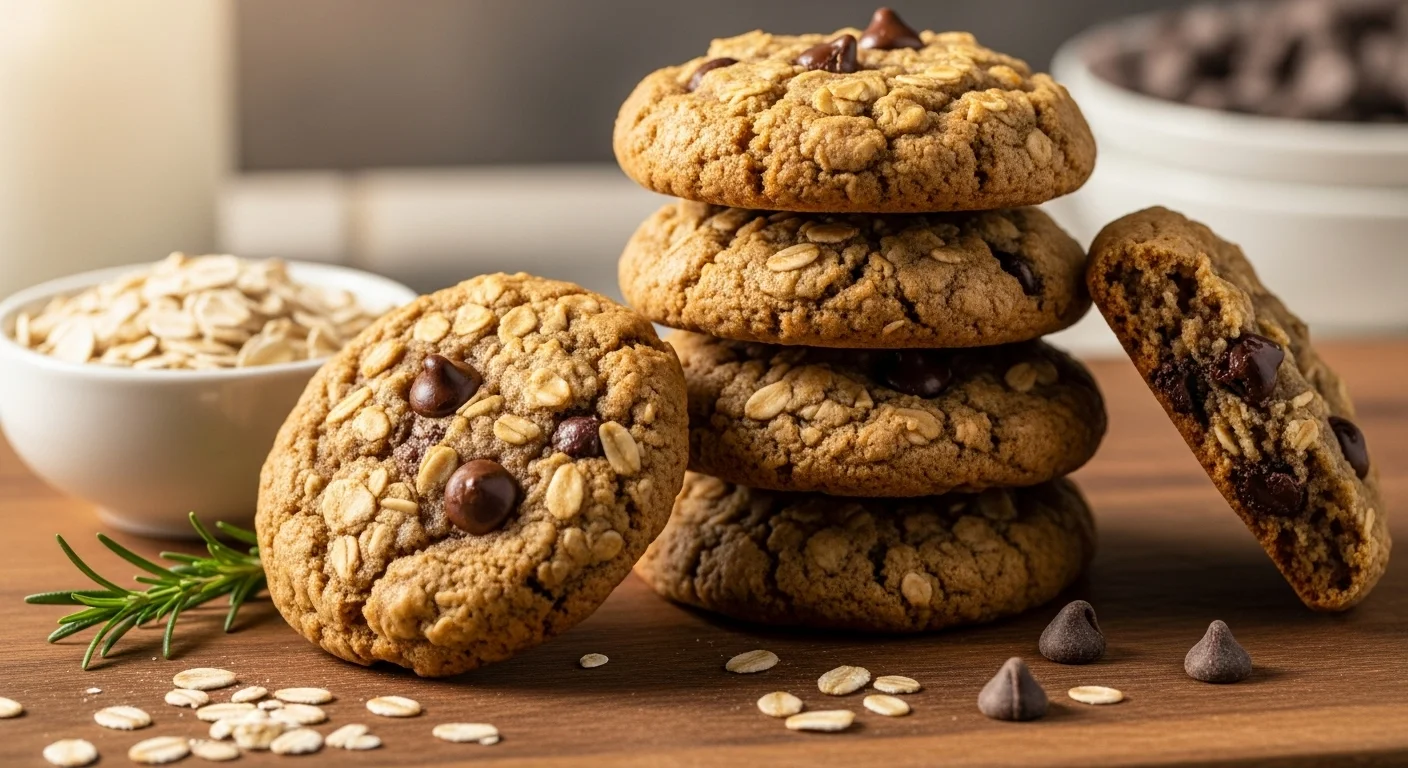
There’s something magical about turning kitchen scraps into delicious treats, and chewy sourdough discard oatmeal cookies are the perfect example. If you’ve been baking sourdough, you likely have discard lying around, and these cookies are a fantastic way to use it up! For more delightful recipes, check out Chewy Sourdough Discard Cookies (An Easy Treat).
Understanding Sourdough Discard
What is Sourdough Discard?
For those of us who love baking, sourdough discard has become a beloved term. It refers to the portion of sourdough starter that you remove before feeding it. This happens when you maintain a sourdough culture; typically, you discard some of it to keep the balance of flour and water optimal for fermentation. It may seem wasteful at first, but this “discard” is packed with flavor and can elevate many recipes, especially cookies.
Benefits of Using Sourdough Discard in Baking
Using sourdough discard in baking has so many benefits that I can’t help but rave about it. For starters, it adds a subtle tanginess that enhances the flavor profile of cookies. I remember the first time I added my sourdough discard to a recipe—it was a game-changer. The cookies turned out not only chewy but also rich in flavor, a delightful twist that made them stand out from regular oatmeal cookies. Sourdough discard can be used in various cookie recipes, making it incredibly versatile!
Moreover, sourdough discard is an excellent way to reduce food waste. Every time I use it, I feel like I’m giving my kitchen a little eco-friendly boost. Plus, the fermentation process in sourdough enriches the cookies with beneficial bacteria, which can aid digestion. So, it’s not just about taste; it’s a win for our health as well!
Common Misconceptions about Sourdough Discard
One of the biggest misconceptions I’ve noticed is that people think sourdough discard can only be used for bread. While it certainly shines in that capacity, it’s incredibly versatile! I’ve seen friends shy away from using it because they believe it has to be fresh or has to be used in specific ways. In my experience, even if the discard is a bit older, it can still work wonders in baking. Just make sure it smells pleasant—if it’s off, trust your instincts and toss it out. But if it smells mildly sour, that’s perfect for cookies!
Ingredients for Chewy Sourdough Discard Oatmeal Cookies
Essential Ingredients
Sourdough Discard
Let’s start with the star of the show—sourdough discard. Depending on the hydration level of your starter, you might need to tweak the recipe a bit. I usually use about a cup of discard, and it brings a lovely depth of flavor to the cookies.
Oats: Rolled vs. Instant
Oats are another key ingredient. When I bake these cookies, I always go for rolled oats. They provide that chewy texture we all crave. Instant oats can work, but they tend to make the cookies a bit softer and less textured, which isn’t my favorite. If you haven’t tried it yet, I highly recommend giving rolled oats a go—they make a world of difference!
Sweeteners: Brown Sugar vs. White Sugar
The choice of sweetener is crucial too. I often use a mix of brown sugar and white sugar. Brown sugar adds moisture and a slight caramel flavor, while white sugar helps with the spread and crispiness of the cookies. Adjusting the ratio based on your preference can lead to delightful results, so feel free to experiment!
Butter: Salted vs. Unsalted
When it comes to butter, I’ve found that using unsalted butter gives me more control over the overall saltiness of the cookie. However, if salted butter is all you have on hand, that works too! Just be mindful of the additional salt in the recipe.
Flour: All-Purpose vs. Whole Wheat
Flour is another element that can vary. I like to switch between all-purpose and whole wheat flour. Whole wheat flour adds a nutty flavor and a bit more fiber, but all-purpose flour results in a lighter cookie. Sometimes, I mix the two to balance health and texture, and it’s always a hit!
Optional Add-ins
Chocolate Chips
If you know me, you know I can’t resist chocolate chips in my cookies. They add that extra indulgence. I usually toss in a cup of semi-sweet chocolate chips, but I’ve also experimented with dark chocolate for a richer flavor. Whatever your choice, chocolate chips are a delightful addition!
Nuts and Dried Fruits
Another fun option for add-ins is nuts and dried fruits. I sometimes throw in a handful of walnuts or pecans for a satisfying crunch or add dried cranberries for a sweet-tart flavor. It’s all about what you love, so feel free to get creative!
Preparation Steps for Chewy Sourdough Discard Oatmeal Cookies
Gathering Your Tools
Before I dive into mixing the ingredients, I love to gather all my tools. There’s something comforting about having everything organized. I usually start with a large mixing bowl, a whisk, and a spatula. A good cookie scoop is a must-have too; it helps me portion the dough evenly, which is key for uniform baking. I also grab my baking sheets and parchment paper because I’ve learned the hard way that cookies can stick like glue if I forget this step! If I’m feeling ambitious, I might even get out my stand mixer, but I often find that mixing by hand gives me a little more control and a satisfying workout.
Mixing the Dough
Now for the fun part—mixing! I usually start by creaming the butter and sugars together until it’s light and fluffy. This step is crucial because it helps incorporate air into the dough, which results in a better texture. Next, I add in my sourdough discard and beat it until everything is well combined. I remember the first time I mixed it in and the delightful tangy smell that filled my kitchen. It felt like I was creating something special.
Once the wet ingredients are ready, I gradually mix in the dry ingredients, including flour, baking soda, and salt. I like to combine them in a separate bowl first, just to ensure even distribution. Finally, I fold in the oats and any optional add-ins, like chocolate chips or nuts. I often stop to taste the dough at this stage—just a little bit, of course! It’s like a sneak peek of what’s to come.
Chilling the Dough: Why It Matters
I’ve learned that chilling the dough is a game-changer. After mixing, I cover the bowl with plastic wrap and pop it in the fridge for at least 30 minutes. This step allows the flavors to meld together, and it helps the cookies hold their shape better during baking. I remember the first time I skipped this step; my cookies spread all over the baking sheet, turning into one giant, thin cookie. Now, I never skip it! Plus, it gives me a little time to clean up the kitchen or prep some coffee for the perfect baking ambiance.
Baking Tips for Perfect Cookies
When it’s finally time to bake, I preheat my oven to 350°F (175°C). I’ve found that preheating is essential—nothing worse than cookies that don’t rise properly because the oven wasn’t hot enough! I line my baking sheets with parchment paper, then scoop out the chilled dough, spacing them about two inches apart. I usually flatten them slightly with my fingers to ensure even baking.
As I bake, I keep a close eye on the cookies. I’ve learned that every oven is different, so I set my timer for about 10-12 minutes but start checking at the 10-minute mark. The edges should be golden brown, while the centers may look a little underbaked—that’s when I know they’re perfect! I take them out and let them cool on the baking sheet for a few minutes before transferring them to a wire rack. The aroma wafting through the house is simply irresistible!
Variations of Sourdough Discard Oatmeal Cookies
Gluten-Free Options
If you or someone in your life is gluten-free, don’t worry! I’ve experimented with gluten-free flour blends, and they work surprisingly well in these cookies. I usually opt for a combination of almond flour and a gluten-free all-purpose blend. My favorite part about this variation is that it still retains that chewy texture we all love, while making it accessible for those with dietary restrictions. Just remember to double-check that your oats are certified gluten-free!
Vegan Adaptations
For those who are vegan, I’ve played around with substituting butter with coconut oil or a vegan butter alternative. It’s a simple swap, and I’ve found that it doesn’t compromise the taste or texture of the cookies. Instead of using eggs, I often replace them with a flaxseed meal mixed with water, which binds the ingredients beautifully. These cookies still come out chewy and delicious, proving that you can enjoy them regardless of your dietary choices!
Flavor Variations: Spices and Extracts
One of the joys of baking is experimenting with flavors. I love to add a dash of cinnamon or nutmeg to the dough for an extra layer of warmth. Sometimes, I incorporate vanilla extract or almond extract to elevate the flavor even further. I remember one time when I added a bit of dark chocolate and orange zest; it created a delightful, unique cookie that had my family raving about it for days. The beauty of these cookies is that they’re a blank canvas. Feel free to get creative and add spices that speak to your taste buds!
Storage and Shelf Life
How to Store Baked Cookies
I have learned that the way I store my baked cookies can really impact their freshness and flavor. After allowing the cookies to cool completely on a wire rack, I usually place them in an airtight container. I prefer using a glass container because it keeps things fresh longer, but plastic works too if that’s what you have on hand. If I’m storing multiple types of cookies, I always make sure to separate them with parchment paper to prevent them from sticking together. From my experience, these cookies stay delightful for about a week at room temperature, but I doubt they’ll last that long because they’re definitely a family favorite!
Freezing Cookie Dough for Later Use
Freezing cookie dough is one of my favorite tricks, especially when I want to bake a fresh batch but don’t have the time. I usually scoop the dough into individual cookie portions using my cookie scoop and then place them on a parchment-lined baking sheet. Once they’re frozen solid, I transfer the dough balls to a resealable plastic bag, label it with the date, and pop it in the freezer. This way, I can bake fresh cookies straight from the freezer whenever the mood strikes. I find that baking them straight from frozen works just fine; I just add a couple of extra minutes to the baking time. It’s like having a little stash of happiness waiting for me!
Best Practices for Maintaining Freshness
To keep my cookies fresh for longer, I make sure to store them in a cool, dry place. I’ve noticed that humidity can really do a number on baked goods, making them soggy or stale. If I live in a particularly humid area, I often add a slice of bread to the container; it helps absorb excess moisture while keeping the cookies soft. I also try to avoid stacking them too high in the container to prevent squishing. Trust me, nobody wants a flattened cookie. Keeping the cookies in a single layer is ideal, but if I must stack them, I use parchment paper between layers to keep them intact.
Common Issues and Troubleshooting
Cookies Too Dry or Crumbly
There have been times when I pulled my cookies out of the oven only to discover they were too dry or crumbly. After some troubleshooting, I realized that the most common culprit is often overbaking. I’ve learned to trust my instincts and check them earlier than the recommended time. Another reason might be the flour measurement—too much flour can lead to dry cookies. I’ve found that spooning and leveling the flour instead of scooping directly from the bag gives me a more accurate measurement. If I find myself in a pinch, I might even add a splash of milk or an extra tablespoon of butter to rescue the dough!
Cookies Not Spreading
When my cookies don’t spread as I expect, it can be quite frustrating. I’ve learned that this can happen if the dough is too cold, especially if I’ve chilled it for a long time. If I notice this, I usually let the dough sit at room temperature for about 10-15 minutes before baking. Sometimes, I’ve also found that not using enough sugar can affect the spread. If I’m experimenting with different sweeteners, I keep an eye on the ratios because sugar is essential for that perfect cookie spread. Finally, if my baking soda isn’t fresh, it might not activate properly, which can also affect how the cookies rise and spread.
Flavor Concerns: Balancing Sweetness and Sourdough Flavor
One of the most interesting things I’ve encountered while baking with sourdough discard is balancing its flavor with sweetness. Sometimes, the tanginess of the sourdough can be a bit strong, especially if I’m using a very active starter. To counteract this, I’ve found that adjusting the amount of sugar can help. I often taste the dough before baking and if it feels too tangy, I’ll add a little more sweetener to balance it out. Another trick I’ve learned is to incorporate spices like cinnamon or vanilla extract; they can add sweetness and warmth, making the cookies more inviting. Finding the right balance has been a delightful journey of experimentation!
Serving Suggestions
Pairing with Milk or Coffee
For me, there’s nothing like enjoying my chewy sourdough discard oatmeal cookies with a glass of cold milk or a steaming cup of coffee. I can’t help but feel that the creamy milk complements the chewy texture of the cookies perfectly, while the coffee adds a rich depth that makes each bite even more satisfying. I usually set up a little cookie and coffee bar when I have friends over; it’s a great way to share the joy of baking and indulge in a cozy atmosphere. Sometimes, I even make an espresso-based drink to elevate the experience. It’s all about those little moments of joy!
Creative Ways to Serve Cookies
If I’m feeling a bit more adventurous, I love to get creative with how I serve my cookies. One of my favorite ideas is to make ice cream sandwiches with them. Just take two cookies and fill them with your favorite ice cream—it’s a hit every time! I also enjoy drizzling melted chocolate over the top or sprinkling them with sea salt for an extra touch of decadence. I’ve even crumbled cookies over yogurt or oatmeal for a delicious breakfast treat. The possibilities are endless, and it’s all about what makes us happy in the kitchen!
Frequently Asked Questions
Can I use any type of sourdough discard?
Yes, you can use any type of sourdough discard! I’ve used both white and whole wheat starter, and they each add a unique flavor to the cookies. Just ensure it smells good—if it’s off, it’s best to discard it.
How do I know if my sourdough discard is still good?
Generally, if your sourdough discard smells pleasantly sour and shows some bubbles, it’s good to use. However, if it has a strong off smell or shows signs of mold, it’s best to toss it.
Can I substitute ingredients in the recipe?
Absolutely! I love experimenting with different ingredients. You can swap out flours, sugars, and even fats. Just be mindful that substitutions can affect texture and flavor, so keep notes on what you try!
How do I make the cookies softer or chewier?
If you want softer or chewier cookies, I recommend a couple of tricks: use more brown sugar, chill the dough for a shorter time, or slightly underbake them. I’ve found that the key is to trust my instincts and adjust based on my preferences!
Frequently Asked Questions
What is sourdough discard?
Sourdough discard refers to the portion of sourdough starter that is removed before feeding it. It is a byproduct of maintaining a sourdough culture and is packed with flavor, making it useful in various recipes, especially cookies.
What are the benefits of using sourdough discard in baking?
Using sourdough discard adds a subtle tanginess to cookies, enhances their flavor profile, reduces food waste, and enriches the cookies with beneficial bacteria that can aid digestion.
Can sourdough discard be used for recipes other than bread?
Yes, sourdough discard is incredibly versatile and can be used in various recipes beyond bread, including cookies, even if it’s a bit older as long as it smells pleasant. You can also explore other recipes like Easy Sourdough Discard Bagels (A Quick Morning Bake).
What type of oats should I use for chewy sourdough discard oatmeal cookies?
Rolled oats are recommended for chewy texture, while instant oats can make the cookies softer and less textured.
What is the difference between using brown sugar and white sugar in the cookie recipe?
Brown sugar adds moisture and a slight caramel flavor, while white sugar helps with the spread and crispiness of the cookies. A mix of both can lead to delightful results.
How do I prepare the dough for baking cookies?
Start by creaming butter and sugars together until light and fluffy, then mix in the sourdough discard. Gradually add dry ingredients, fold in oats and any optional add-ins, and consider chilling the dough for at least 30 minutes before baking.
What should I do if my cookies are too dry or crumbly?
Cookies can turn out dry or crumbly due to overbaking or too much flour. It’s best to check them earlier than the recommended time and ensure accurate flour measurements by spooning and leveling instead of scooping directly from the bag.
Can I make gluten-free sourdough discard oatmeal cookies?
Yes, you can use gluten-free flour blends, such as a combination of almond flour and gluten-free all-purpose flour, while ensuring the oats are certified gluten-free.
What are some creative ways to serve sourdough discard oatmeal cookies?
Creative serving ideas include making ice cream sandwiches, drizzling melted chocolate over the cookies, or crumbling them over yogurt or oatmeal. Pairing them with milk or coffee also enhances the experience.
How can I store baked cookies to maintain freshness?
Store baked cookies in an airtight container, preferably glass, at room temperature. To keep them fresh longer, consider adding a slice of bread to absorb excess moisture and avoid stacking them too high in the container.