
Making sourdough bread can seem daunting, but I promise it’s easier than you think! With just a few basic ingredients and some patience, you’ll be on your way to baking delicious, crusty loaves that will impress everyone. If you’re looking for a simple method to get started, check out The Easiest No-Knead Sourdough Bread (A Simple Method).
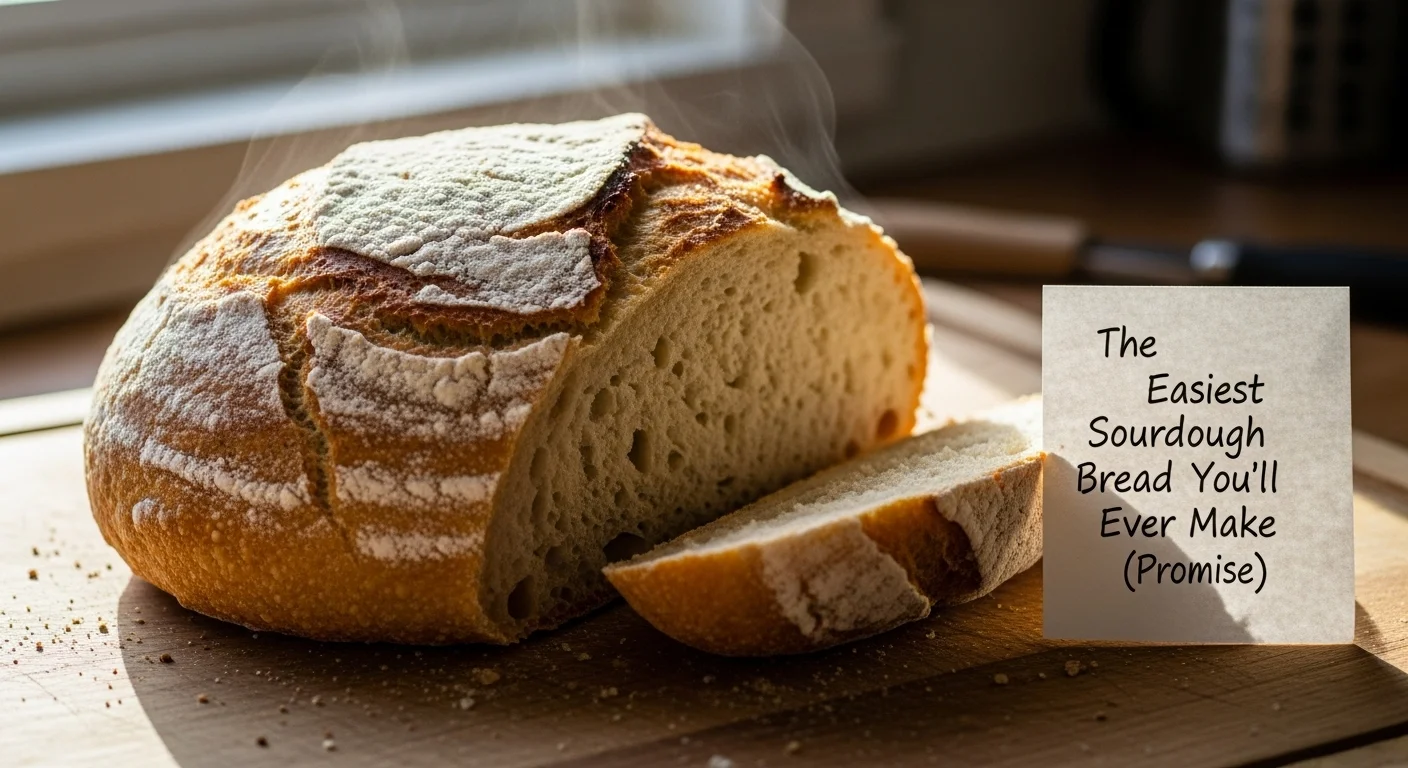
Understanding Sourdough Bread
What is Sourdough Bread?
When I first heard about sourdough bread, I was curious. What made it different? Well, sourdough is a type of bread that’s made through a natural fermentation process. Instead of using commercial yeast, it relies on wild yeast and beneficial bacteria from the environment. This not only gives sourdough its unique flavor, which is slightly tangy, but also creates a wonderfully chewy texture. It’s almost like a little science experiment happening right in your kitchen!
The Role of Starter in Sourdough
The starter is the heart and soul of sourdough baking. It’s a mixture of flour and water that captures wild yeast and bacteria from the air. I remember the first time I made my own starter; it felt magical to see it bubble and grow! Maintaining a starter requires feeding it regularly, which means adding more flour and water. This process keeps the yeast alive and active, ensuring that your bread rises beautifully. If you care for it well, your starter can last for years, becoming a cherished part of your baking routine.
Benefits of Making Sourdough Bread
One of the best things about making sourdough bread is the health benefits. Many people, including myself, find it easier to digest compared to regular bread. The fermentation process breaks down gluten and phytic acid, allowing your body to absorb nutrients better. Plus, there’s something incredibly satisfying about creating bread from scratch. The aroma that fills your kitchen as it bakes is simply irresistible. And let’s not forget the flavor! Each loaf can be a unique expression of your creativity and preferences.
Essential Ingredients for Sourdough Bread
Flour Types: Bread Flour vs. All-Purpose Flour
The type of flour you use can make a big difference in the outcome of your bread. Bread flour, with its higher protein content, helps create a better structure and chew in your sourdough. I’ve tried using all-purpose flour, and while it works, I noticed my loaves didn’t rise as much, and they lacked that delightful elasticity. For the best results, I highly recommend sticking with bread flour, especially if you’re just starting out.
Water Quality and Temperature
Water is another crucial ingredient in sourdough baking. I learned that the quality of water can affect the fermentation process. Using filtered water is often the best choice, as it’s free from chlorine and other chemicals that might hinder yeast activity. Temperature is just as important; ideally, you want your water to be lukewarm (around 85°F or 29°C) to encourage yeast growth without killing it. I’ve made the mistake of using too hot water, and it definitely didn’t turn out well!
The Importance of Salt in Sourdough
Salt not only enhances the flavor of your bread but also plays a significant role in controlling fermentation. It strengthens the gluten structure and helps to manage yeast activity. I’ve found that a good rule of thumb is to use about 2% of the total flour weight in salt. It’s a small addition but makes a huge difference in the final flavor. Skipping salt might seem tempting, but I assure you, you’ll be missing out on that essential taste.
Creating a Sourdough Starter
If you’re excited about making your own sourdough bread, starting your sourdough starter is the first step. I remember the excitement of mixing flour and water and watching it transform over the days. You simply combine equal parts (by weight) of flour and water in a jar and leave it at room temperature. Each day, you’ll feed it with more flour and water, and soon enough, you’ll see bubbles forming, indicating that your starter is alive and thriving. It’s a bit of a commitment, but it’s so rewarding when you finally bake your first loaf with it!
Tools and Equipment Needed
Essential Baking Tools
Having the right tools can make a world of difference in your sourdough baking journey. When I first started, I didn’t invest in many tools, but I quickly realized how helpful they can be. The essentials include a mixing bowl, a bench scraper, a measuring scale, and a dough whisk. I remember struggling to mix my dough thoroughly until I got my hands on a dough whisk—it made the process so much easier and more enjoyable! A bench scraper is also invaluable for handling sticky dough and transferring it to different surfaces.
Recommended Baking Equipment
Once you’ve got the basics down, consider adding a few more items to your baking arsenal. A kitchen scale is a must for accurate measurements, especially since sourdough baking is all about precision. I highly recommend investing in a good quality Dutch oven or a baking stone. These help create the perfect environment for baking your sourdough, trapping steam and promoting that lovely crust everyone raves about. When I first baked in a Dutch oven, I couldn’t believe the difference it made in the crust and overall texture of my bread! You can find more tips on baking with different methods in Quick Sourdough Discard Flatbread (No Yeast Needed).
Optional Tools for Advanced Techniques
If you’re looking to take your sourdough game to the next level, there are some optional tools you might want to consider. A proofing basket (or banneton) can help give your dough shape while it rises, allowing for beautiful patterns on the crust. I remember how proud I felt when my bread came out with those lovely ring patterns! A lame, or a bread scoring tool, is another fun addition. It allows you to create beautiful designs on the surface of your loaf before baking. At first, I was nervous about scoring, but with practice, I learned it’s a chance to add a personal touch to my bread.
Step-by-Step Guide to Making Easy Sourdough Bread
Preparing the Sourdough Starter
Now that we have the tools, let’s dive into the step-by-step process of making sourdough bread. The first step is preparing your sourdough starter. Make sure your starter is active and bubbly before you begin. I usually check mine the night before I plan to bake, giving it a good feed to ensure it’s ready. You want it to at least double in size within a few hours. It’s like preheating your oven: you need that starter at its peak for the best results.
Mixing Ingredients
Once your starter is ready, it’s time to mix the ingredients. I find it helpful to have everything measured out beforehand. Combine the active starter with water and flour in a large mixing bowl. I usually start with about 100 grams of starter, 350 grams of water, and 500 grams of bread flour. Stir everything together until it’s fully incorporated and no dry flour remains. I love this part because it feels so hands-on and tactile. Getting my hands dirty is part of the fun!
Autolyse Process Explained
After mixing, let the dough rest for about 30 minutes to an hour. This is called the autolyse process, and it helps hydrate the flour and develop gluten. During this time, I often find myself dreaming about the bread I’m about to create. After the autolyse, add salt and a little more water, and mix until it’s well combined. I’ve noticed that taking this resting time makes a huge difference in the dough’s texture and elasticity.
Bulk Fermentation: What to Expect
Next comes the bulk fermentation, which usually lasts about 4 to 6 hours, depending on the temperature of your kitchen. During this time, you’ll want to perform a series of stretch and folds every 30 minutes for the first couple of hours. I love this part because it’s a chance to interact with the dough and feel it transform. After about 4 hours, my dough often feels airy and has grown in size. It’s such a rewarding process watching it develop!
Shaping the Dough
When bulk fermentation is complete, it’s time to shape the dough. Turn it out onto a lightly floured surface and, using a bench scraper, divide it into two pieces if you’re making two loaves. Shape each piece gently into a ball by folding the edges into the center. I always take my time with this step because it sets the foundation for the final loaf structure. Allow the shaped dough to rest for about 20 minutes before the final shaping.
Proofing Techniques and Timing
After the resting period, you can shape your dough again for the final proof. Place it into your proofing basket, seam side up. Cover it with a cloth or plastic wrap and let it rise for another 2 to 4 hours at room temperature, or you can opt for a cold proof in the fridge overnight. I’ve tried both methods, and each gives a slightly different flavor and texture to the bread. It’s fascinating how a small change in timing can lead to unique results!
Baking Your Sourdough Bread
Finally, it’s time to bake! Preheat your oven to 450°F (230°C) with your Dutch oven inside. When the oven and the Dutch oven are hot, carefully remove the Dutch oven and place your dough inside, seam side down. Score the top of the loaf with a lame or sharp knife—this is where you can get creative with designs! Cover the pot with the lid and bake for 30 minutes. After that, remove the lid and bake for an additional 15 to 20 minutes until the crust is golden brown. When I first heard the crackling sound as the bread cooled, I knew I had done it right! If you’re interested in making something visually stunning, check out How To Make Beautiful Sourdough Focaccia Art (It’s Easy!).
Common Questions About Sourdough Bread
How Long Does Sourdough Bread Last?
One question I often get asked is about the shelf life of sourdough bread. From my experience, homemade sourdough tends to last longer than store-bought bread, primarily because it doesn’t contain preservatives. Typically, a loaf will stay fresh for about 3 to 5 days when stored at room temperature, provided it’s kept in a paper bag or wrapped in a clean kitchen towel. I’ve found that keeping it in a plastic bag can make the crust soft, which is something I personally try to avoid. If you want to keep it for an extended period, you can slice and freeze the bread. Just pop it in the toaster when you want a piece, and it tastes almost as good as fresh!
How to Store Sourdough Bread
Storing sourdough bread correctly is crucial to maintaining its flavor and texture. I’ve experimented with various methods, and I think the best way is to let the bread cool completely on a wire rack before storing it. Once it’s cool, I like to wrap it in a clean kitchen towel to protect the crust while allowing some air to circulate. If you’re not consuming it within a few days, I highly recommend slicing it and freezing it in a resealable bag. This way, you can take out just what you need, and the bread will stay fresh longer. I remember the first time I tried freezing my bread; I was amazed at how well it held up!
What to Do If Your Bread Doesn’t Rise?
We’ve all been there—after all that effort put into making sourdough, you open the oven and find a flat loaf staring back at you. It can be disheartening! From my experience, there are a few common reasons for this. One possibility is that your starter wasn’t active enough. Always make sure it’s bubbly and has doubled in size before you start mixing. Temperature also plays a significant role; if your kitchen is too cold, it can slow down the fermentation process. Another tip I learned is to perform the stretch and folds during bulk fermentation carefully; this helps strengthen the dough. If your bread doesn’t rise, don’t be too hard on yourself. Each bake is a learning opportunity, and I’ve often found that even a flat loaf can still taste amazing!
How to Achieve a Crispy Crust?
A crispy crust is one of the most delightful aspects of sourdough bread, and there are several tricks I’ve learned along the way to achieve that perfect crust. First, baking in a Dutch oven is essential for trapping steam, which helps create that beautiful crust. Make sure to preheat it thoroughly—this step is key! Another tip is to score the dough just before baking; this allows the bread to expand properly and can enhance the crust’s texture. I love experimenting with different scoring patterns; it’s like a little art project! Lastly, consider baking at a higher temperature initially and then lowering it for the remainder of the bake. I’ve found that this method gives the crust a nice golden color and a satisfying crunch.
Variations and Flavor Enhancements
Adding Seeds and Nuts
One of the joys of baking sourdough is the ability to customize it to your taste. I’ve had a lot of fun experimenting with different seeds and nuts. Adding ingredients like sunflower seeds, flaxseeds, or chopped walnuts can create a deliciously textured loaf. When I first tried adding seeds, I was surprised by how much flavor they brought to the bread. I usually incorporate them during the mixing phase, so they’re evenly distributed. Just be mindful of the quantity—too many additions can affect the dough’s structure. A little goes a long way, and it’s always exciting to see what unique flavors emerge!
Incorporating Herbs and Spices
If you want to elevate your sourdough to the next level, consider incorporating herbs and spices. I love adding dried rosemary or thyme to my dough for a fragrant touch. Mixing in spices like garlic powder or even a hint of cinnamon can create a beautiful depth of flavor. It’s really rewarding to see how a simple loaf can transform into something special with just a few extra ingredients. I often sprinkle these herbs directly into the dough while mixing—we’ve had some memorable family dinners enjoying those herby loaves!
Making Sourdough Bread with Different Flours
While I’ve mostly stuck to bread flour, I’ve also enjoyed experimenting with other types, like whole wheat or rye flour. Each type adds a distinct flavor and texture to the bread. Whole wheat flour gives the bread a nuttier taste and a denser crumb, while rye can add a wonderful earthiness. When using different flours, I usually blend them with bread flour to maintain the lightness of the loaf. I remember the first time I baked with rye; the deep flavor was a delightful surprise! It’s fun to play around, and over time, I’ve discovered some favorite combinations that satisfy my taste buds.
FAQs About Sourdough Baking
Can I Make Sourdough Without a Starter?
This is a question I’ve pondered myself. While it’s possible to make bread without a traditional sourdough starter, it won’t have that characteristic tangy flavor or texture that we love. You could use a commercial yeast instead, but that’s a different type of baking altogether. If you’re looking for that unique sourdough taste, I genuinely believe starting with a sourdough starter is the way to go. It’s like nurturing a little pet; the more time you invest in it, the better your bread will be!
Is Sourdough Bread Healthier Than Regular Bread?
From what I’ve researched and experienced, many people find sourdough bread to be healthier than regular bread. The fermentation process not only enhances flavor but also makes it easier to digest. The presence of lactic acid bacteria can help improve gut health, and the breakdown of gluten means that some people with gluten sensitivities may tolerate it better. However, it’s important to note that sourdough still contains gluten, so if you have celiac disease, it’s best to avoid it. For me, the health benefits, combined with the joy of baking, make sourdough bread a fantastic option!
How to Troubleshoot Common Baking Issues?
We all face challenges in the kitchen, and sourdough baking is no exception! One of the most common issues is not getting a good rise. If your dough isn’t rising, check that your starter is active and bubbly—this is crucial. Another issue might be dough that is too sticky or too dry. I’ve learned that adjusting the flour and water ratios can help. If the dough is too sticky, adding a little more flour during the mixing stage can help. On the other hand, if it’s too dry, a small splash of water can work wonders. Every bake teaches us something new, and I think that’s part of the fun!
Final Thoughts
Baking sourdough bread has become one of my favorite hobbies. It’s not just about the end product; it’s about the entire experience—from nurturing your starter to watching the dough transform through each step. I encourage you to embrace the process, be patient with yourself, and experiment along the way. Every loaf tells a story, and even the imperfections can lead to delicious outcomes. So grab your flour, water, and starter, and let’s bake some bread! Trust me, you won’t regret it.
Frequently Asked Questions
“`htmlWhat is Sourdough Bread?
Sourdough bread is a type of bread made through a natural fermentation process that relies on wild yeast and beneficial bacteria instead of commercial yeast. This process gives sourdough its unique slightly tangy flavor and wonderfully chewy texture.
What is the role of a starter in sourdough baking?
The starter is a mixture of flour and water that captures wild yeast and bacteria from the air. It is essential for sourdough baking as it keeps the yeast alive and active, ensuring that the bread rises beautifully.
What are the health benefits of making sourdough bread?
Many people find sourdough bread easier to digest compared to regular bread due to the fermentation process, which breaks down gluten and phytic acid. This allows for better nutrient absorption and adds an element of satisfaction to baking from scratch.
What type of flour is best for sourdough bread?
For the best results, bread flour is recommended due to its higher protein content, which helps create better structure and chew in the sourdough. All-purpose flour can be used but may result in loaves that don’t rise as much.
How should I store sourdough bread?
To store sourdough bread, let it cool completely on a wire rack, then wrap it in a clean kitchen towel to protect the crust. For longer storage, slice and freeze the bread in a resealable bag, allowing you to take out just what you need.
What should I do if my sourdough bread doesn’t rise?
If your bread doesn’t rise, ensure that your starter is active and bubbly. Temperature also plays a role, so check if your kitchen is too cold. Performing stretch and folds during bulk fermentation can help strengthen the dough.
How do I achieve a crispy crust on my sourdough bread?
To achieve a crispy crust, bake the bread in a preheated Dutch oven to trap steam. Score the dough before baking to allow for proper expansion, and consider starting at a higher baking temperature before lowering it for the remainder of the bake.
Can I make sourdough bread without a starter?
While it’s possible to make bread without a traditional sourdough starter, it will lack the characteristic tangy flavor and texture. Using commercial yeast instead will yield different results than those achieved with a sourdough starter.
Is sourdough bread healthier than regular bread?
Many people find sourdough bread to be healthier than regular bread due to its easier digestibility and potential gut health benefits from lactic acid bacteria. However, it still contains gluten, so it’s not suitable for those with celiac disease.
What are some common troubleshooting tips for sourdough baking?
Common issues in sourdough baking include insufficient rise and dough consistency problems. Ensure your starter is bubbly and active, adjust flour and water ratios if the dough is too sticky or too dry, and remember that each baking experience is a learning opportunity.
“`